
To create a pocket-sized solid perfume, first compare a shallow printed tinplate tin with an aluminium tin with a screw top. A wide mouth polypropylene jar is a useful first sample for a cleansing balm used with wet hands. A tinted lip balm at a beauty counter could be in clear glass so that the customer can see the shade without opening the lid. Each material has its place, for another reason. The final decision hinges on whether the filled, sealed pack protects the formula and functions in the customer’s intended usage location.
This guide compares containers the balm is filled directly into. The lacquer in a lacquered tin touches the balm. If the pack moves on its side, the balm may also contact the rim, the underside of the lid or its sealing liner. Those surfaces are as much part of the purchasing specification as the body material. Cosmetics Europe packaging guidance.
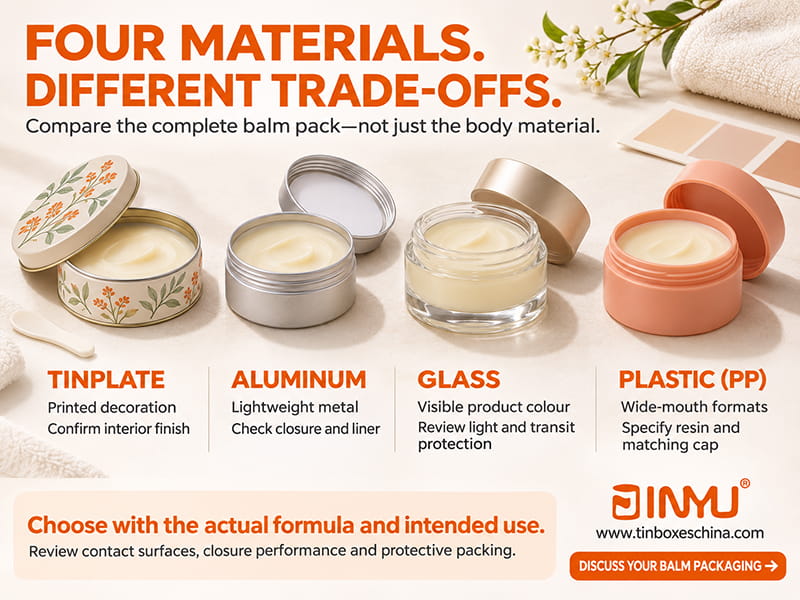
| Buying decision | Tinplate tin | Aluminium tin | Glass jar | Plastic container |
| What touches the salve? | Interior lacquer coated or uncoated tin-plated surface. Inspect the rim and any seams. | Bare or coated aluminium depending on specification. Identify the interior finish Identify the lid liner | Glass body; cap, liner or seal may also touch the product. | The resin for the body and the cap are specified separately. Polypropylene (PP) can be used. |
| Protection provided by the body? | The walls are opaque, to keep the balm from light. A dent on a lid can ruin artwork or impact fit. | Light body, opaque. See if squeezing or denting the rim affects closure. | Clear glass allows you to see the fill. Coloured glass changes how light goes through. Let breaking be allowed. | There are clear and non-clear formats. Check flex, impact performance and barrier properties for the selected resin and wall. |
| What decides the seal? | Body construction, sealing features and fit of lid. The typical slip lid is not naturally air tight. | Threads hold the lid so look at where the lip actually seats against the cap or liner. | The jar opening must be sized for the cap and liner. No amount of glass work can make up for a poor fit of the cap. | Seal cooperates with body, neck and cap on the first opening. Then remove the seal and check the performance again. |
| What can the brand tailor? | Printed lid and body with embossed graphics and exposed metallic areas. | Visible metal finish, printed or labelled surfaces, embossing on selected formats. | Visible product colour, labels, screen printing or external coating. | Colour and shape, printed or labels, moulded. One stock jar can hold many variations. |
| Why does the price change? | Print setup per design, forming tools, interior finish and quantity, per artwork. | Lid construction. Stock or custom finish. Amount of liner and decoration. | Jar and cap weight, dividers, units per carton, freight and breakage allowance. | Existing vs. custom mould, resin, colour minimums & decorating or labelling costs. |
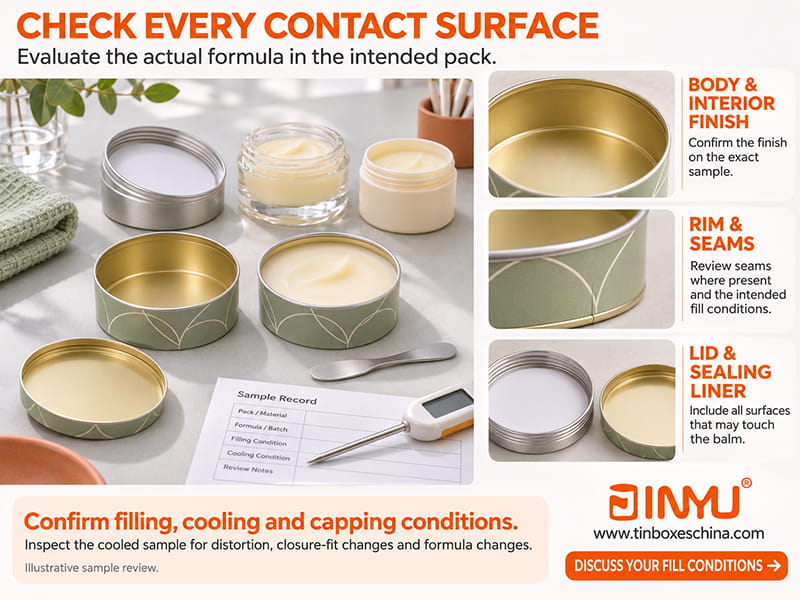
You start the sample request with two facts what the formula is like filled and what it is like in use. A hot oil and wax perfume can look solid on the shelf, as can a water-containing deodorant cream. That doesn’t mean the same container works for both.
For tinplate and aluminium ask for the interior finish spec for the exact sample. Look at the base and the corners that have been formed, and the rim and the underside of the lid. Ask if the construction will be able to hold the balm at its actual filling temperature using a seamed tin. A rolled seam containing a firm product may let warm mobile product through before it sets. If the supplier has not been able to support that filling condition remove that construction from the shortlist.
For glass, bring the cap and liner to the compatibility review and check the jar supplier’s allowable fill and cooling conditions. Identify resin and grade for plastic. After the trial fill has cooled, inspect for any distortion, changes in the cap fit and changes in the balm. For example, Amcor’s single-wall PP jar listing lists the resin, neck finish, weight and matching closure. The quote “plastic cosmetic pot” leaves those questions unanswered.
Cosmetics Europe’s packaging advisory document details the information packaging suppliers can provide to the cosmetic product safety assessor. Its stability testing guidelines recommend testing representative of marketed pack. Practical difference for a buyer. Use documents to select candidates then evaluate actual formula in intended pack. A food-contact declaration does not by itself approve a tin for a specific cosmetic balm.
If the customer needs to see a tinted balm, a clear glass jar is justified. But if the shade changes with light exposure, the thing that makes the product sell can also be the thing that works against it. Compare the candidate with a protected control under the intended viewing conditions. If you are discussing tinted glass or coloured plastic ask what kind of protection the particular colour and wall provides. Frosted look doesn’t equal light barrier. Cosmetics Europe stability testing guidelines.
Damage definition for a pocket or parcel pack. A slight dimple on a printed tin lid may not be acceptable in a gift set, even if the tin still closes. A dent at the rim is important for another reason, it can change the fit. For glass, check actual retail and shipping pack for breakage. Plastic: Check for cracking or distortion. After handling, does cap still seat? Test each candidate in the protection it would really ship with, and incorporate that protection in its cost.
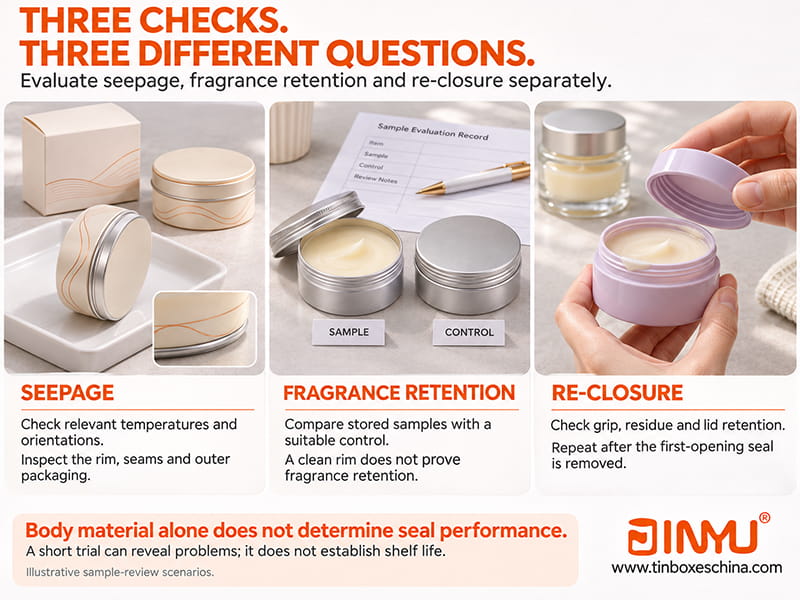
Given these four body materials, there is no useful ranking of the airtightness. Two differences between a slip-lid tinplate sample and a lined screw-top aluminium sample are: If one does better, the result gives the better pack for that test. It does not prove that aluminium seals better than tinplate.
| What the buyer should know | Things to check with filled samples |
| In transit will balm soften and escape? | Use the intended fill and seal. Inspect the rim, base seam (where applicable) and retail carton for evidence of oil under temperature and orientation conditions appropriate to the shipping route. |
| Will a solid perfume stay true to its scent? | Compare samples from the same batch with a suitable control over an agreed period of storage. Note any changes in odour. Use weight or analytical measurements as appropriate. A clean, dry rim is no proof of holding fragrance. |
| What happens after the first opening? | Break any first-opening seal. Normal balm residue present. Use and Reclose Pack. Check grip, lid retention and build up of residue on sealing surface. |
The Cosmetics Europe stability guide covers change of odour, appearance, weight and packaging as well as testing different orientations where applicable. The brand and its formulator should choose appropriate conditions and acceptance criteria for the product. A short sample trial can reveal a bad closure, it can not determine shelf life.
Tinplate is worth considering if the illustration on the lid is an important element in the purchase decision. The lid might be shallow, and have an embossed botanical motif or other printed design for each scent. Aluminium is a strong contender in case the brand wants a metal finish or one stock tin with different scent labels. Both metals can be embossed and printed on selected formats. Please ask for the artwork area, finish and order quantity on the actual model. An example of how decoration and closure options can vary even within metal packaging is Ameri Packaging’s metal jar line.
The glass can incorporate the balm itself into the design. Approve a decorated jar with the real fill behind it: lettering that is clear against a pale balm can disappear against a dark balm. Plastic provides a different option, you can use a standard moulded body colour for all of the variants and change the label or quote a special colour for each variant. Compare the minimum order per colour with sales forecast per scent.
Repeat the same handling check for all the four materials. Rub a little balm into your fingertips, close the pack, open it again and wipe it as a customer would. Is there enough grip on the lid? Does the label raise? Can you still read the batch code? Try to get to the last balm at the bottom finally. More often than the name of the material clearly distinguishes a useful wide jar from a frustrating narrow one.
Say the brief states 5,000 packs solid perfume, 30 g. First check that each candidate has 30 g of the real formula and that there is enough space left under the lid. 30 mL catalogue capacity does not make that fit. Then ask for two quotes: 5,000 of one design, 1,000 each of five scents. That divide can mean the difference between a straight-up printed tin, a glass jar with decorations and a stock container with scent-specific labels.
Utilise the same delivery terms. including bodies, lids, liners or seals, the decoration, the setup, the packing, the freight and the relevant import costs. Divide the total by the expected number of acceptable units at the destination and multiply the result by 1,000. Separate one-time tooling so purchasing can distinguish launch cost from reorder cost. Where rates of damage are not known, the allowance should be specified as an estimate.
Weight should have its own line. Stoelzle's catalogue of cosmetic glass offers a 15 mL Pot Sigma jar body weighing 50 g. That’s a single model, not an average for glass. This illustrates why the buyer should ask for both capacity and empty weight, then add the cap, dividers and shipping carton before comparing freight across materials.
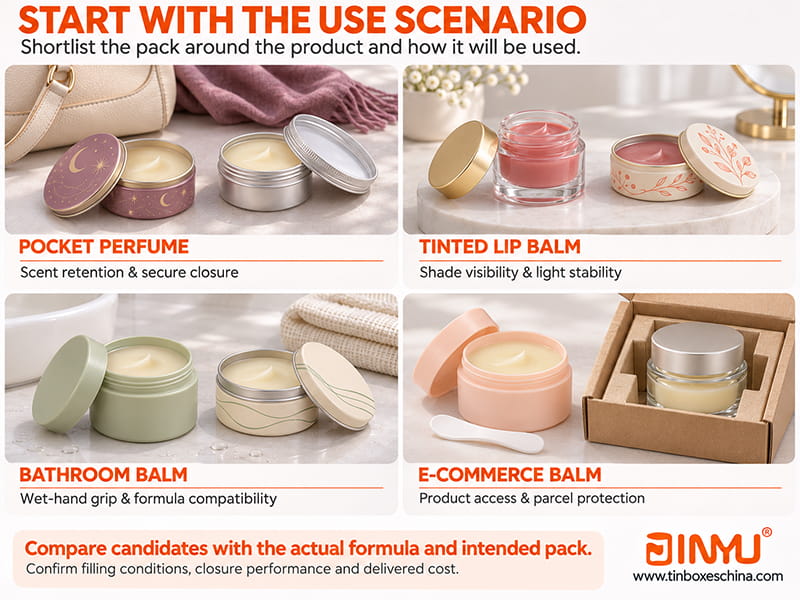
| Sales channel and product | First comparison | What should decide the purchase? |
| Solid perfume in a pocket | Aluminium tin, lined screw-top vs shallow printed tinplate | Fragrance retention, security of closure when carried on its side and access with greasy fingers. If the pack passes and artwork is important, go with tinplate. If the lighter approved pack better fits the brief, go with aluminium. |
| Counter Display Tinted Lip Balm | Shallow printed metal tin vs. clear glass | How much do customers need to see the true shade, does that shade stay stable on display, and how easily can they get to the last balm. |
| Deodorant balm for bathroom | Wide-mouth PP jar vs. metal tin with a specified interior finish | Exact formula compatibility. Wet hand opening. Residue around rim and closure fit after repeated use. |
| E-commerce cleansing balm | Wide-mouth PP or glass in proposed protective carton | Filling and cooling capacity. Finger or spatula access. Cost delivered after realistic parcel handling. |
Indicate the product type, relevant characteristics of the formula, net fill, filling temperature, cooling and capping sequence, destination market, quantity per design and intended sales channel. Put the most important result in plain language: the solid perfume must keep its scent, the lid must stay on in a handbag or the balm shade must stay visible on the shelf. Each one directs the supplier to a different sample and different approval check.
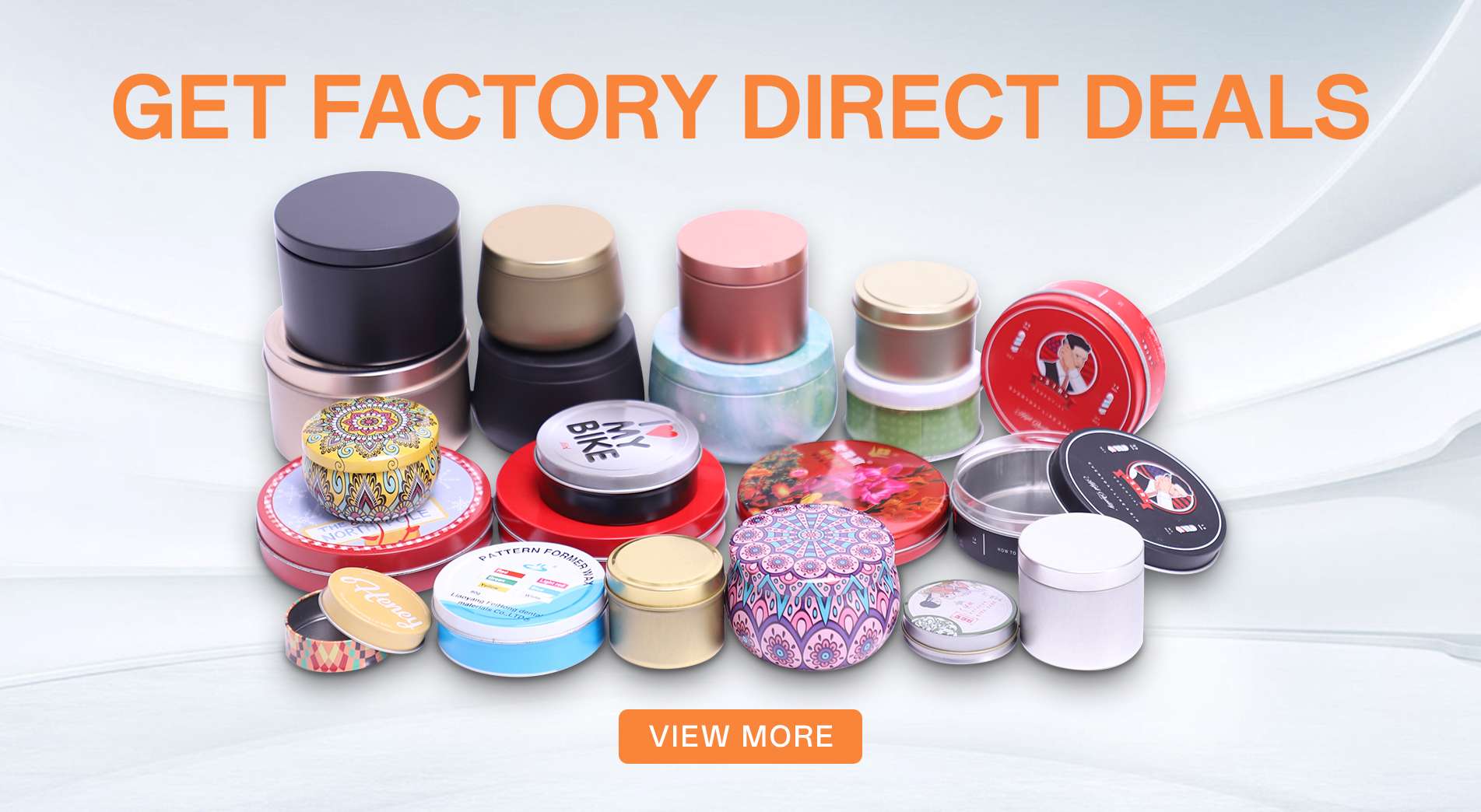
If you are considering custom printed tinplate cans, send Jinyu your proposed fill conditions and lid style of choice with the artwork. Get body construction, interior finish and matching lid specification before you approve print sample. So the sample you approve visually is the one your filler can also test with the balm.
Get The Latest Information And Special Offers


 IPv6 network supported
 English
 Français
 Deutsch
 Español
 Português