
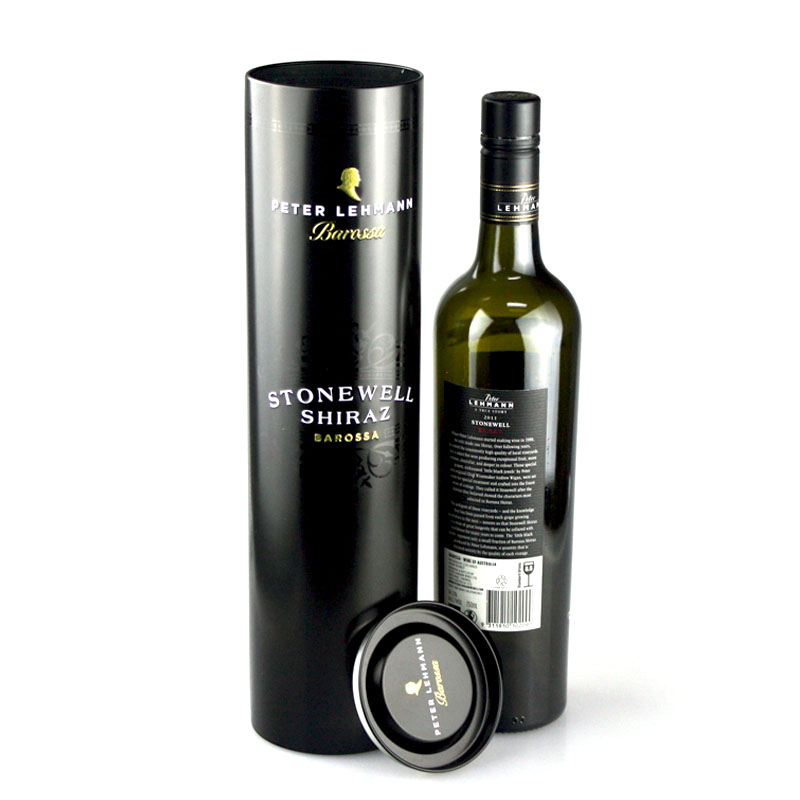
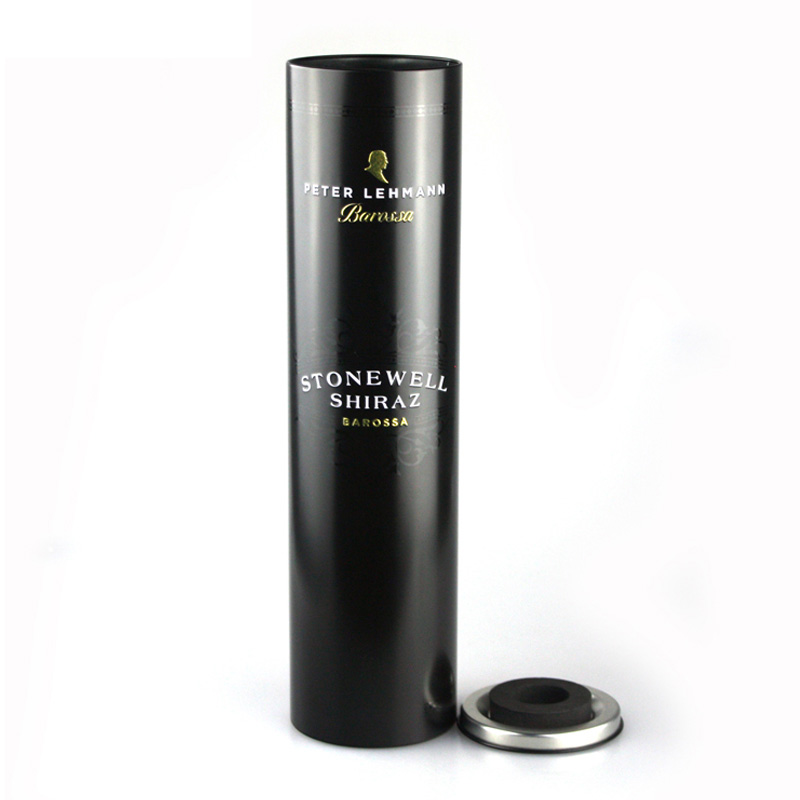
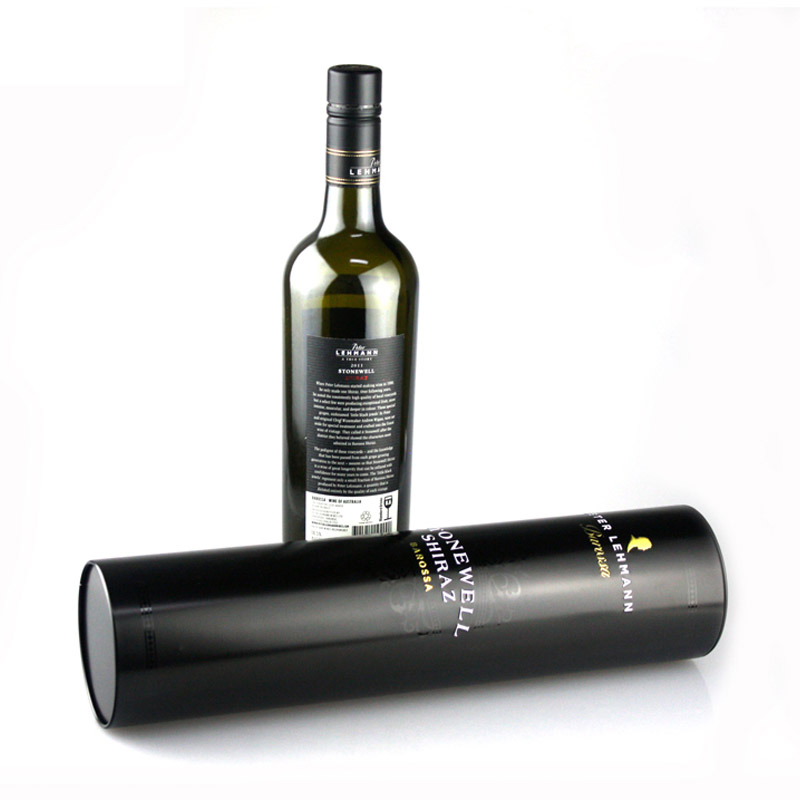
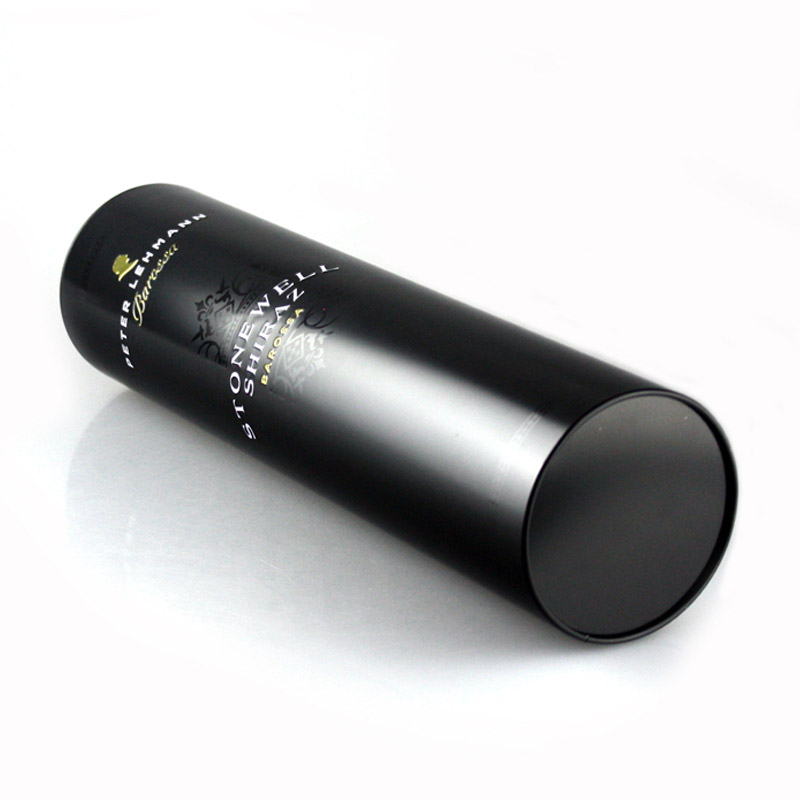
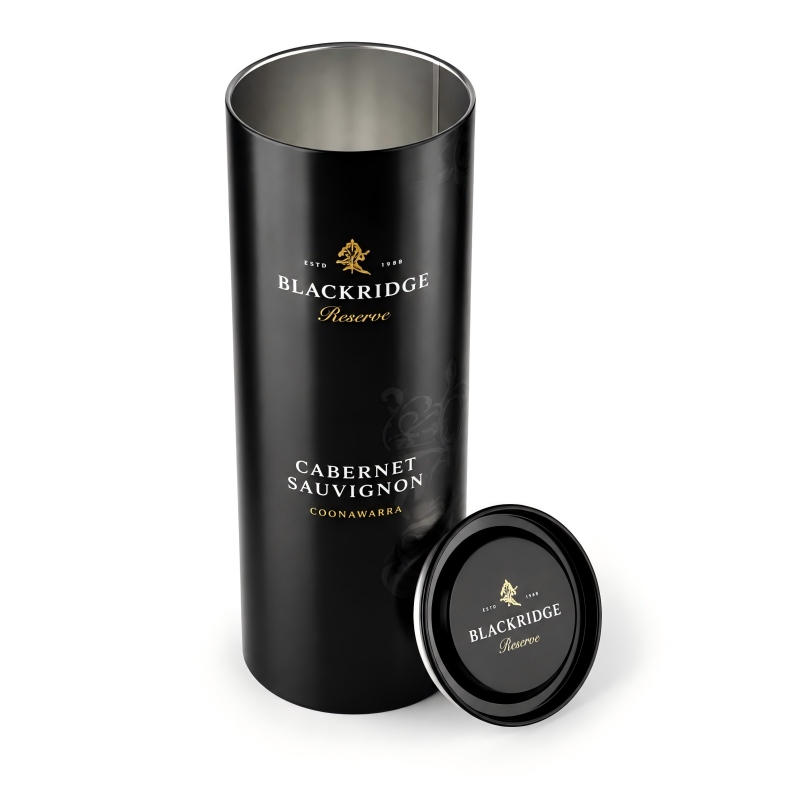
A wine bottle tin should be designed around the bottle rather than around a generic cylinder size. Our custom cylindrical wine and spirits bottle tin cans are developed for wineries, distilleries, beverage brands, importers, promotional gift companies and private label buyers that need a rigid metal presentation package for a single bottle. The tall cylindrical format works particularly well for red wine, whisky, whiskey, vodka, brandy, rum, gin and other premium spirits. The diameter, internal height and lid depth can be adjusted around the actual bottle profile, while the exterior provides a continuous printable surface for vineyard artwork, distillery branding, metallic graphics and embossed logos.
Product Name :
Cylindrical Wine and Spirits Bottle Tin BoxDimensions :
D95*H250mmShape :
Tall Cylindrical / Round Bottle TinDesign :
Customizable, ODM / OEMPrinting :
CMYK, Pantone and selected metallic effectsSurface Finish :
Matte, gloss, metallic effects, embossing or debossingMaterial :
0.23 mm Food-Grade TinplateMOQ :
5,000 pcsLead Time :
35 DaysPackaging :
Opp Bag + Master Carton
Two 750 ml bottles do not necessarily need the same tin.
A Bordeaux wine bottle, Burgundy bottle, whisky bottle and vodka bottle may have different shoulder profiles, body diameters, neck lengths and overall heights even when their labelled capacity is similar.
Before selecting the tin mould, we normally check five measurements:
This is more reliable than choosing a wine bottle tin tube only from the nominal bottle volume.
Many commercial wine tins for standard bottles fall around 90–100 mm in diameter and approximately 315–350 mm in height. For example, market reference formats include approximately Ø90 × 340 mm and Ø93 × 315 mm.
These dimensions are useful references, but they should not be treated as fixed specifications for every project. A tall-shouldered wine bottle may need additional height, while a wider spirits bottle may require a larger diameter.
Where an existing mould fits the bottle with appropriate clearance, using that tooling can reduce development cost and shorten the project. New tooling becomes more relevant when the bottle has an unusual diameter, shoulder profile or presentation requirement.
The cylindrical structure is not limited to red wine. With the correct internal dimensions and artwork, the same basic packaging concept can support several beverage categories.
| Beverage | Typical Packaging Direction | Important Fit Check |
| Red Wine | Vineyard, château, vintage and estate artwork | Bottle height and shoulder clearance |
| Whisky / Whiskey | Heritage, distillery, barrel and premium metallic graphics | Body diameter and closure height |
| Vodka | Clean premium graphics, metallic effects or luxury minimal design | Bottle width and tall-neck clearance |
| Brandy / Cognac | Crest, heritage and gift presentation artwork | Wide bottle shoulders or non-standard body shape |
| Rum / Gin | Botanical, maritime, distillery or contemporary brand artwork | Actual bottle diameter rather than nominal capacity |
This allows a custom spirits bottle tin to function as a broader packaging platform rather than being restricted to one beverage name.
A tall round tin uses space differently from a rectangular presentation case. The internal wall follows the bottle more closely, creating a compact outer package with fewer unused corners.
For a single bottle, this provides several practical advantages:
The cylindrical format can also create a clear visual difference between an everyday bottle and a gift or limited-edition presentation.
This product normally uses a removable top lid rather than the hinge system used on our rectangular wine presentation tins.
Depending on the selected mould, the lid may use a slip-on or plug-in style. A deeper lid can provide more engagement with the body, while a shallower lid creates a cleaner visual line around the top of the cylinder.
The opening force needs to be controlled carefully. A lid that is too loose may move during transport, while an excessively tight lid can make the package difficult for the customer to open.
A standard removable-lid wine tin should not automatically be described as airtight. The purpose of the metal package is mainly presentation, secondary protection and reuse rather than creating a hermetic seal around the bottle.
A cylindrical wine tin box provides a long wraparound printing area. Instead of treating the package as one front panel and one back panel, the artwork can move continuously around the body.
For a winery, that may include a vineyard panorama, château illustration, grape vines, vintage information and regional story. A whisky brand may prefer distillery architecture, oak barrels, heritage typography or a darker metallic design. Vodka and gin projects can use much cleaner graphics or botanical illustration.
Useful artwork areas include:
The position of the vertical body seam should be considered before final artwork approval. Important logos, fine text and barcodes should normally remain away from the seam and forming areas.
Wine and spirits packaging often benefits from restrained decorative details rather than filling every surface with graphics.
Available exterior treatments can include CMYK printing, Pantone colours, matt varnish, gloss varnish, metallic effects and selected embossing or debossing.
A luxury wine tin might use a deep burgundy or black background with gold vineyard line art. Whisky packaging may use bronze, charcoal or warm gold tones. For vodka, silver tinplate can be left visible through selected artwork areas to create a colder metallic appearance.
Embossing is particularly effective on:
Deep embossing close to the lid fit, rolled edges or body seam should be avoided because these areas already undergo significant forming during production.
Not every bottle tin requires a full-length foam insert.
For a bottle that already fits the cylinder closely, a simple base pad and neck support may be sufficient to reduce direct metal-to-glass contact. Where the diameter difference is larger, additional cushioning can be considered.
Possible internal protection includes EVA foam, EPE foam, flocked material, paperboard supports or other fitted components according to the bottle weight and export requirements.
The aim is not to squeeze the bottle tightly. There should be enough control to reduce movement while still allowing the bottle to be removed easily.
The bottom of a glass bottle carries most of its weight. If the bottle is placed directly onto the metal base, repeated vibration during shipping can create unnecessary glass-to-metal impact.
For premium export programmes, we therefore recommend evaluating a bottom pad or shaped support. The appropriate material depends on the bottle weight, internal clearance and expected distribution conditions.
Neck support can also be added where required, particularly for taller tins with more space around the shoulder area.
The inside of the cylindrical tin does not normally need complex printing.
Common options include natural silver tinplate, gold lacquer or another confirmed protective internal finish. For most wine bottle projects, a simple interior keeps the production specification cleaner and allows attention to remain on the exterior branding.
Interior printing can be discussed for special projects, but buyers should first decide whether it adds real value to the opening experience.
The bottle itself remains the primary beverage container. The metal tin is secondary packaging.
This distinction is important because the cylindrical tin does not replace the bottle closure and does not affect the wine, whisky or vodka seal. Its main roles are to:
Cylindrical bottle tins are frequently relevant when the beverage is being sold as more than a standard retail bottle.
Typical programmes include winery anniversary editions, distributor gifts, corporate Christmas gifts, hotel and hospitality projects, duty-free collections, tourism merchandise and limited-release spirits.
The tin can remain useful after the bottle has been removed, which gives printed branding a longer life than disposable outer packaging.
If several wines or spirits use bottles with compatible dimensions, the same cylindrical tin mould may be used across the range while the exterior artwork changes.
For example, one structure might support:
This is usually more efficient than creating a different metal size for every SKU.
Multiple artwork versions should still be confirmed before quotation because each design may require separate printing preparation and quantity allocation.
For this product, sending the bottle dimensions is more useful than simply asking for a “750 ml wine tin”.
Please provide the bottle diameter, overall height, shoulder profile, neck diameter, bottle weight and quantity required. A photograph or technical drawing of the bottle is also helpful.
If you already have a physical bottle sample, it can be used during development to check the actual fit and any required base or neck cushioning before mass production.
Many 750 ml bottles can use standard cylindrical moulds, but bottle dimensions vary. We recommend checking the actual diameter and height before confirming the tin.
Yes. Cylindrical tins can be developed for whisky, whiskey, vodka, brandy, rum, gin and other spirits as long as the internal dimensions suit the bottle.
Yes. The body offers a large wraparound printing area. Artwork should allow for the vertical body seam and top and bottom forming zones.
Yes. Logos, crests and selected decorative artwork can be embossed on suitable lid areas depending on the mould.
It depends on the clearance between the bottle and the tin. Some projects only require a bottom pad or neck support, while others benefit from additional fitted cushioning.
No. A standard removable-lid cylindrical tin is not automatically airtight. The beverage remains sealed by its own bottle and closure system.
Yes, provided the bottle dimensions are compatible. Different artwork editions can use the same metal mould, subject to production quantity and printing arrangements.
Our standard MOQ is 5,000 pieces per design.
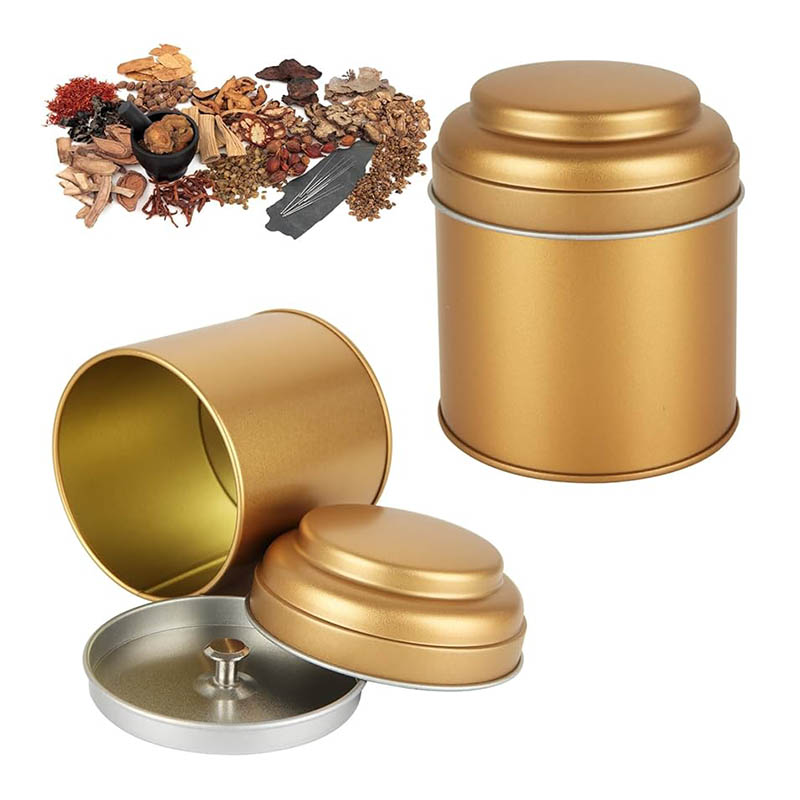
Working with an OEM ODM double lid tea tin canister manufacturer is different from buying a finished storage tin from a catalogue. For commercial tea packaging, buyers often need several decisions to be coordinated at the same time: tin dimensions, double-lid structure, filling volume, artwork, printing, inner packaging, food-contact requirements, export packing and repeat-order consistency.
Read More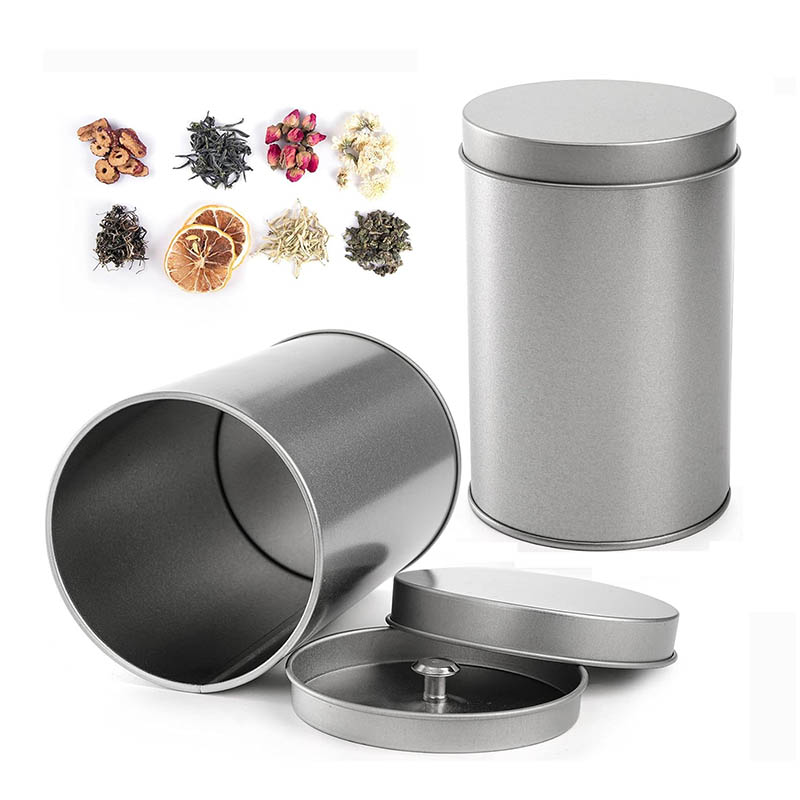
A custom cylindrical double lids tea tin canister is designed for tea brands that want more than a decorative metal container. The two-stage lid gives the pack a distinctive opening experience: the customer removes the outer lid first, then opens a second inner lid before reaching the tea. This structure is particularly well suited to loose leaf tea, premium tea collections, gift assortments and private label ranges where the container is expected to remain useful after purchase. The cylindrical body also provides a large continuous printing area for branding, illustrations, origin stories and colour-led tea collections.
Read More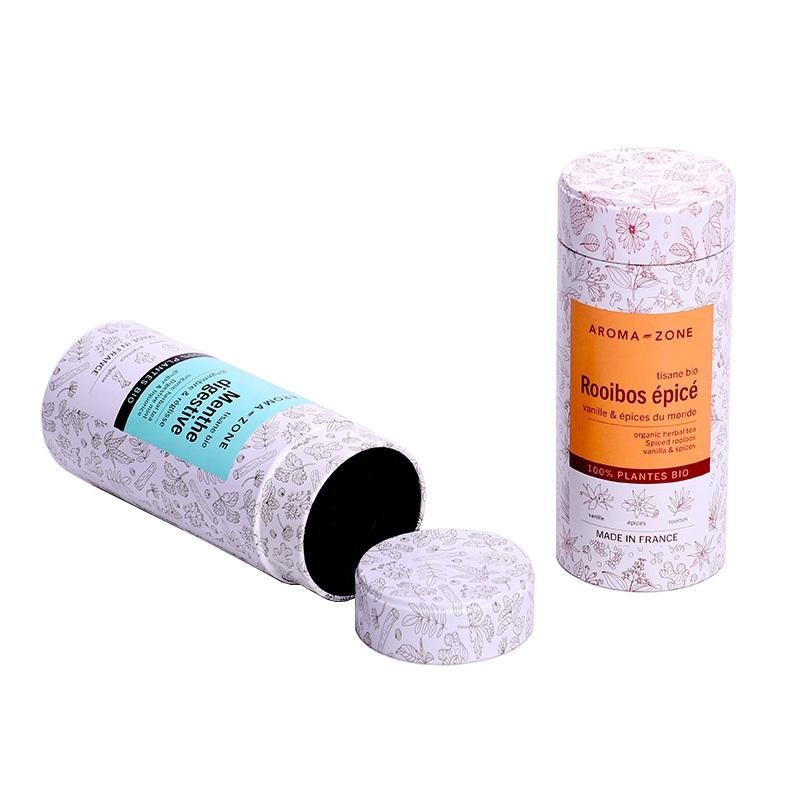
Our custom slim tall tea tin canister is designed for tea brands that need compact shelf presentation without reducing branding space. Its narrow footprint and vertical body make it suitable for individually wrapped tea bags, loose leaf tea, herbal blends and refill collections. The tall format gives buyers more room for vertical logos, tea-origin stories, brewing instructions and coordinated colour systems. The size, lid structure, printing, internal packaging and retail presentation can be developed around the actual tea format rather than using a generic storage tin.
Read More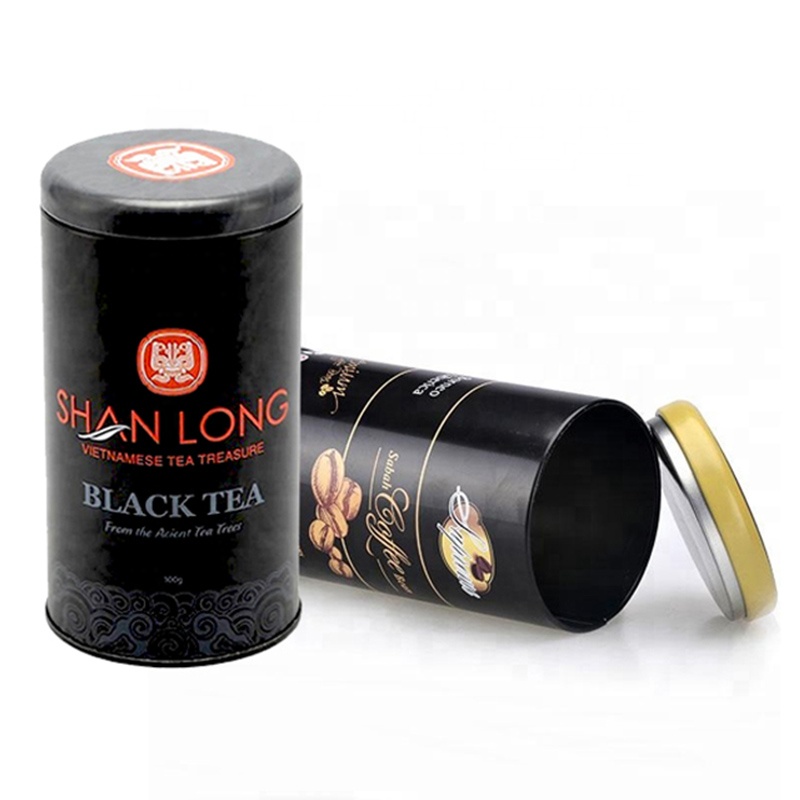
This cylinder black tin canister is designed for brands that need a cleaner, more premium alternative to flexible bags for coffee beans, tea, cocoa, and other dry foods. As a coffee tin manufacturer in China, Jinyu supports custom coffee tins, personalized coffee canisters, custom tea tins, and export-ready coffee tin packaging for brands, roasters, wholesalers, and private-label projects.
Read More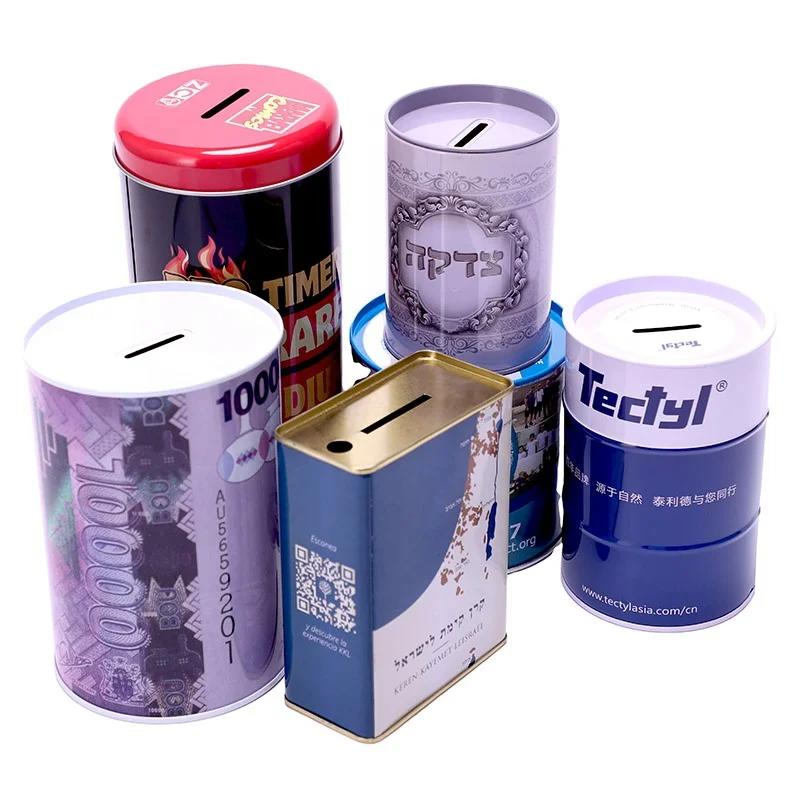
A custom money tin looks simple from the outside: a metal container, a coin slot and printed artwork. For a wholesale project, however, one decision matters before almost everything else — how should the user eventually get the money back out? That choice affects the top, bottom, lid construction, coin slot, artwork layout and even how the product is positioned for retail.
Read More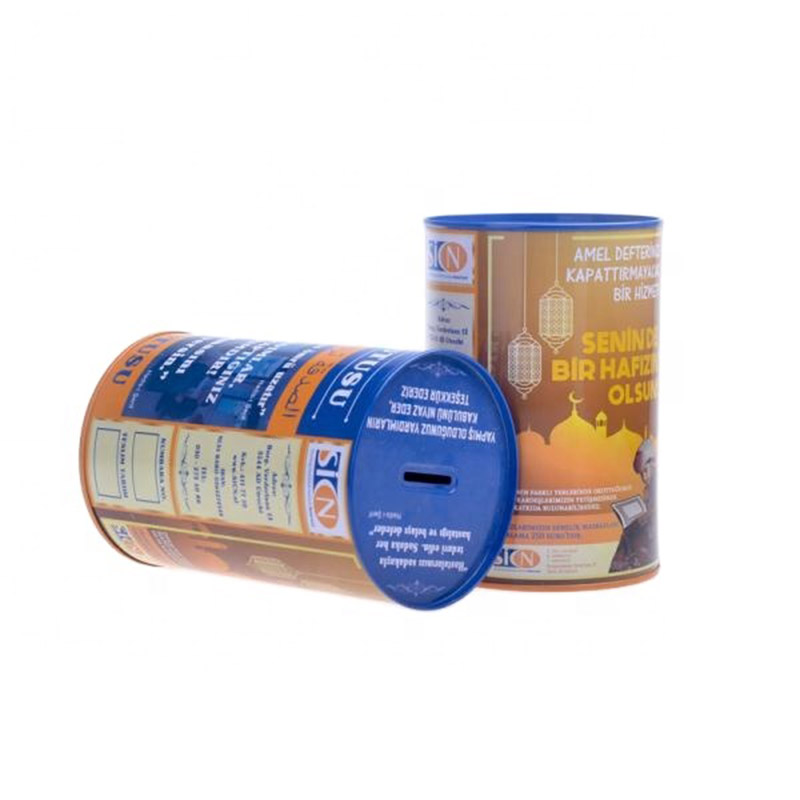
A custom metal donation charity tin box has a different job from an ordinary household money box. It may sit on a retail counter, reception desk, fundraising table or event stand where many people contribute coins or folded notes throughout the day. That changes the way the tin should be designed. For a charity collection project, buyers need to think about more than the printed logo. The slot, access method, campaign message, identification area and emptying procedure all affect how practical the finished money collecting box will be in real use.
Read More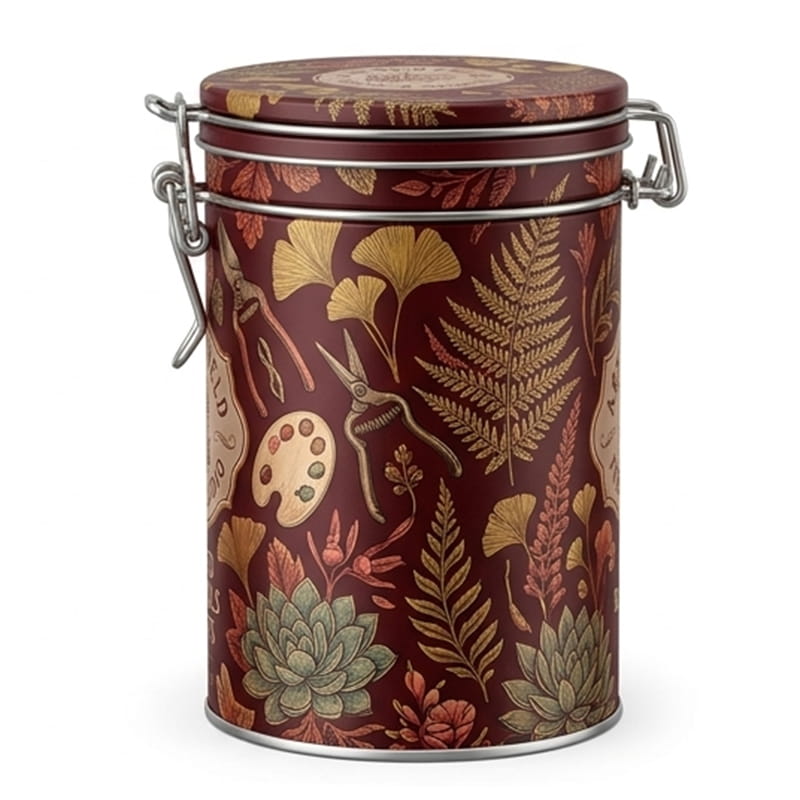
This round clip-clasp tea canister is designed for buyers who need more than a standard slip-lid tea tin. It combines a rigid food-grade tinplate body, a latch-lock closure, and a rubber-sealed lid to create a stronger storage format for loose-leaf tea, tea bags, dry herbs, and coffee. For searching tea tin manufacturer or custom tea tin cans, this product sits at the point where everyday usability and export-ready customization meet.
Read More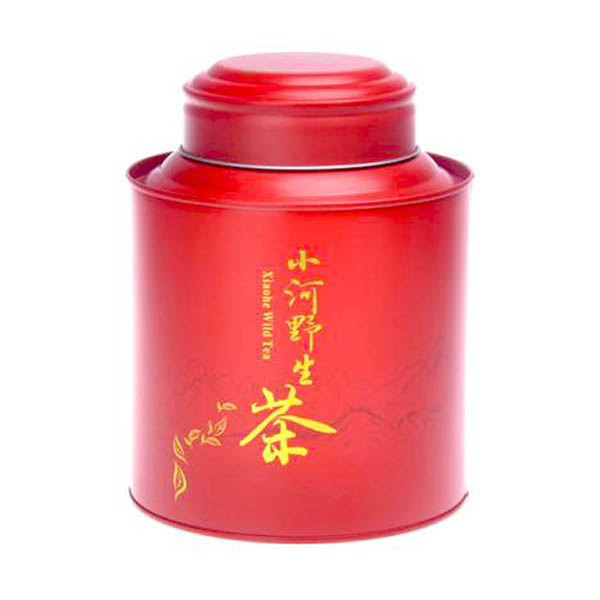
A 500g double lids tea tin canister is intended for tea brands, wholesalers and private label programmes that need a larger metal package for loose leaf tea, tea refills or premium family-size products. However, “500g” should be treated as a target filling weight rather than a fixed tin size. Four hundred grams of compact rolled tea can occupy a very different volume from 500 grams of large-leaf black tea, herbal blends or flower tea.
Read More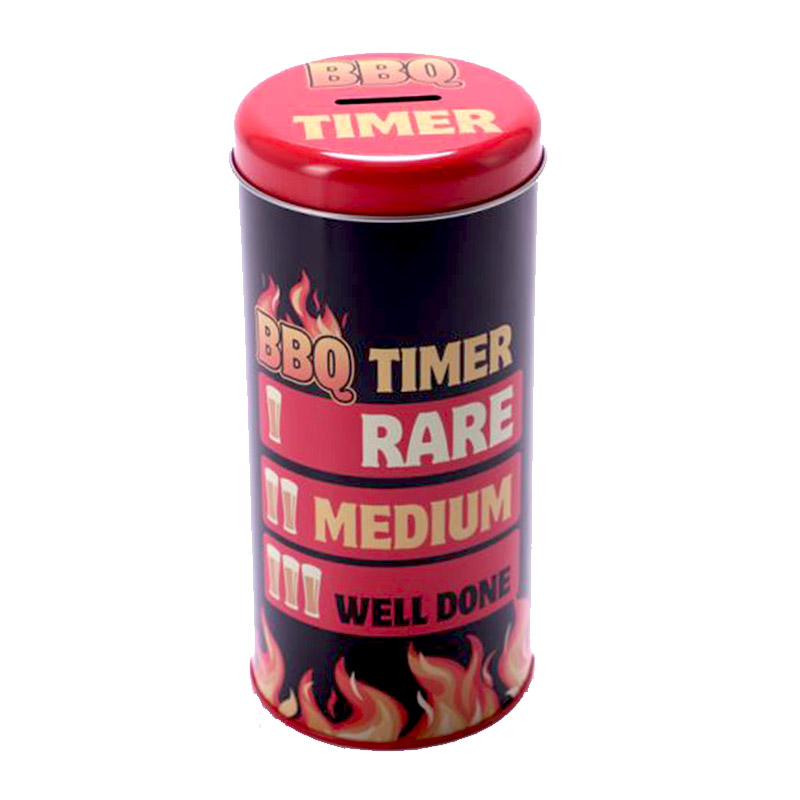
Money tin with removable lid is designed for a different saving experience from a permanently closed or restricted-access coin bank. Instead of waiting until the container is full before finding a way to retrieve the contents, the user can remove the designated lid, empty the coins or notes, and put the tin back into use. This makes the structure suitable for repeat-saving products, promotional coin banks, household money boxes, retail collections and selected money collection programmes where regular access to the contents is part of normal use.
Read More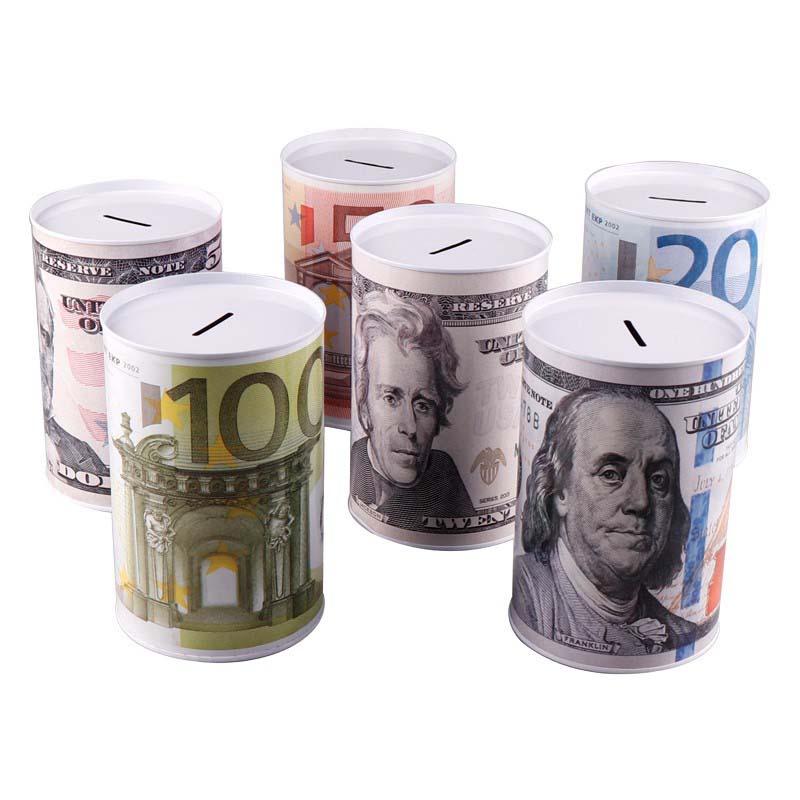
This round cylinder money tin is designed for coin savings, folded bills, retail gift programs, and promotional money collection campaigns. The body gives more printable surface than a small flat tin, while the vertical can shape makes the product feel closer to a classic saving bank than a decorative gift box. For buyers sourcing a money tin can, a custom tin can piggy bank, or China money collection cans for retail and branding projects, this format combines durable tinplate, strong display impact, and repeat-use value.
Read More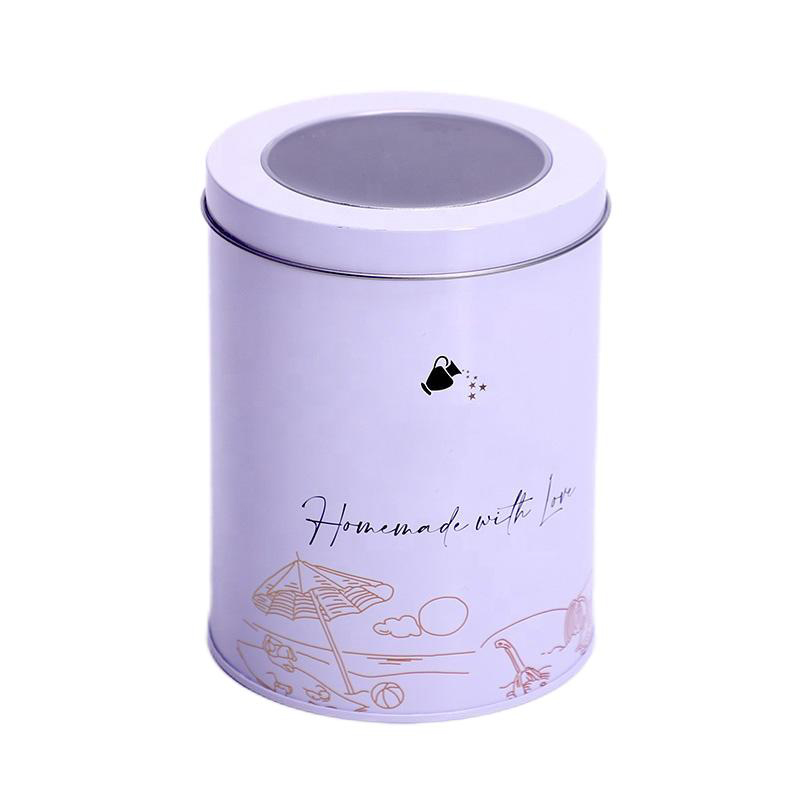
This custom cylinder tin can with clear window lid is designed for food brands, gift suppliers and retail packaging buyers who want both product visibility and strong metal packaging presentation. The transparent lid allows customers to see the cookies, biscuits, candy, snacks or gift items inside, It helps show product color, texture, arrangement and fill level before the package is opened. While the cylindrical tin body provides a durable and reusable packaging structure.
Read More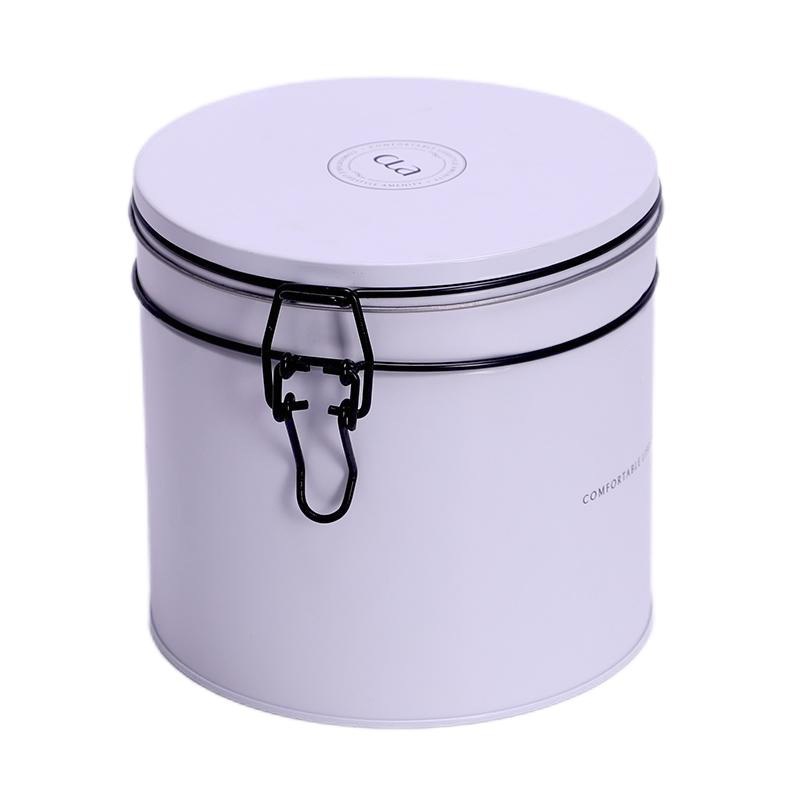
This round biscuit tin box is designed for cookie, biscuit, chocolate, tea, coffee, and dry-food projects that need a more protective, reusable, and premium-looking metal pack. As a biscuit tin manufacturer in China and food tin manufacturer for export orders, Jinyu supports custom round biscuit tin box projects, OEM round tin containers, wholesale cookie tin cans, and bulk tin containers for brands, importers, and distributors.
Read More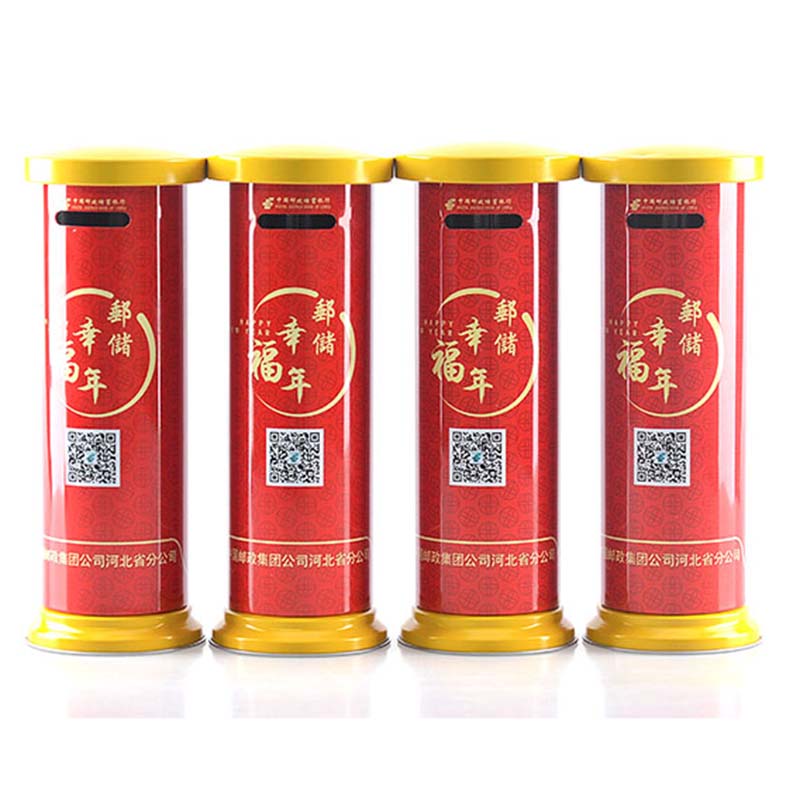
A custom post box shape tin coin bank turns the familiar act of posting something into a money-saving experience. Instead of dropping a letter into a post box, the user deposits coins or folded notes into a metal saving bank designed around a tall postal-inspired silhouette. This makes the product visually different from a conventional round or square money tin. The taller body creates a strong vertical display area, while the postal theme gives brands more opportunities for storytelling, souvenir graphics, saving messages and promotional design.
Read More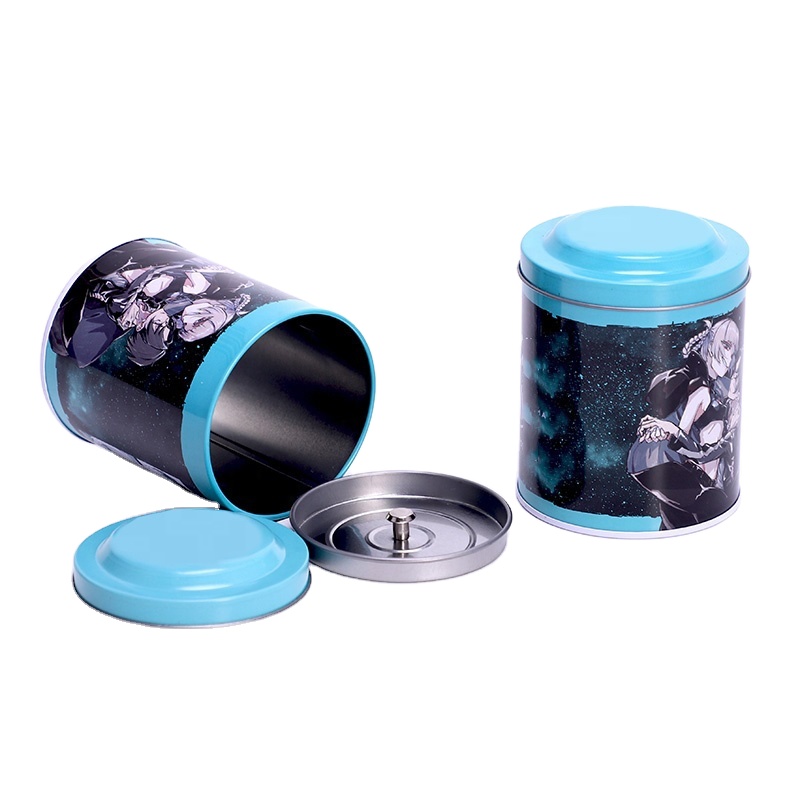
A custom printed round coffee tea metal tin can be used as a common packaging format across both tea and coffee product ranges, particularly where a brand wants a reusable metal container with a consistent shelf appearance. The round body provides a continuous printable surface, while the outer lid and fitted inner lid create a two-stage opening structure. By keeping the same basic tin architecture and changing the artwork between products, buyers can build separate tea and coffee SKUs without developing an entirely different container for every item.
Read More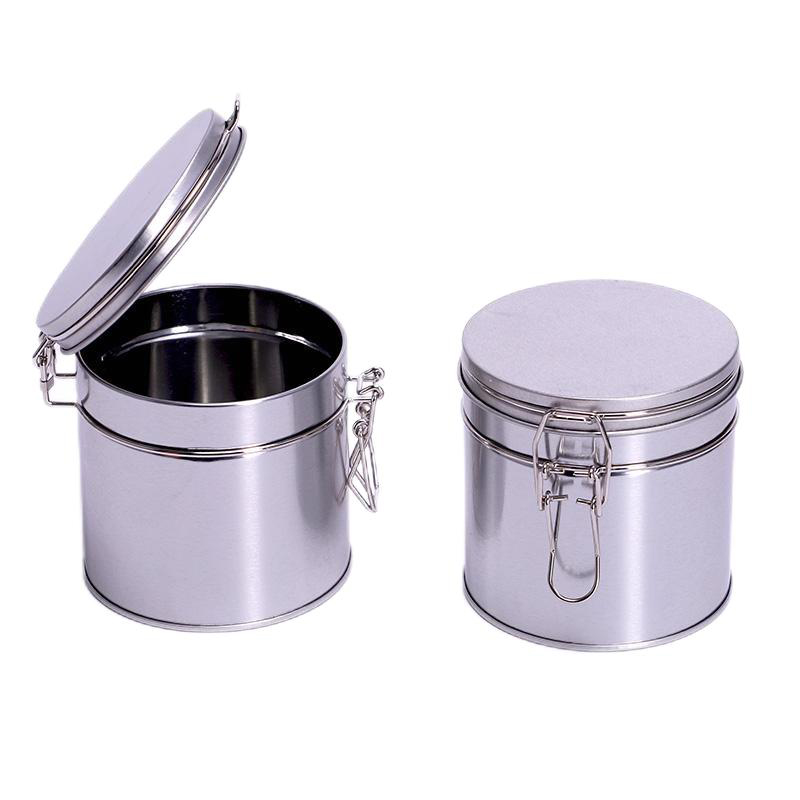
Choose from a range of coffee tin packaging solutions. Advanced processes ensure good sealing and long-term storage for your coffee beans. Lipton, Twinings, and Tetley are among the famous tea brands that are our loyal customers. FDA-approved food-grade tinplate ensures the absolute safety of your coffee packaging. Professional Panton and 4-color printing equipment ensure high-quality presentation of the tin boxes.
Read More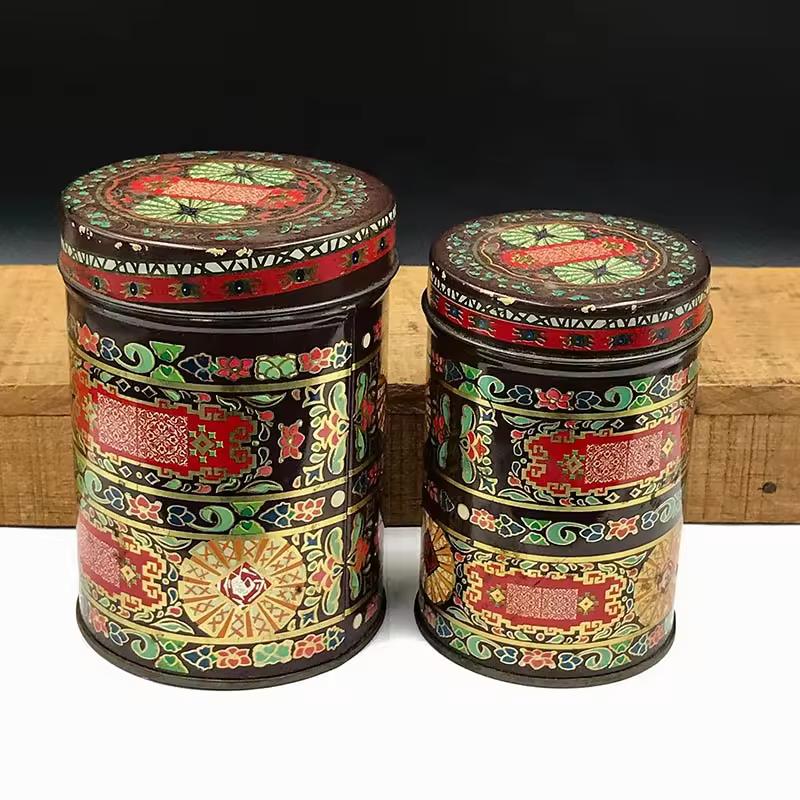
Whichever type of tea can packaging solution you need, we offer the right option for you. Using a more professional process, your tea tin box achieve an excellent seal and a longer shelf life. Well-known partners include leading brands such as Lipton, Twinings & Tetley. The tea containers are manufactured from FDA approved food grade tinplate and with a fluted lid to ensure the tea stays fresh. With a team of highly skilled designers and state-of-the-art printing technology, we ensure the best presentation of tea packaging tin cans.
Read More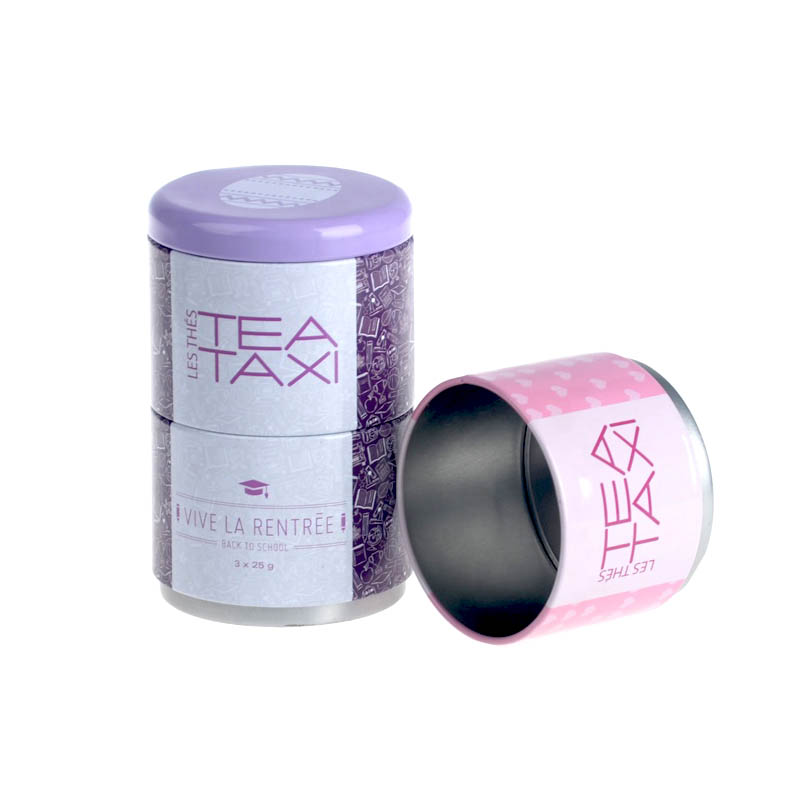
Made with eco-friendly materials that are better for the environment. Customized with your own design or logo which can make them unique. Made from sturdy, food-grade materials that are designed to last for years. Tight-fittinsg lid that ensures your tea stays fresh and flavorful. Variety of sizes, so you can find the perfect one to fit your needs.
Read More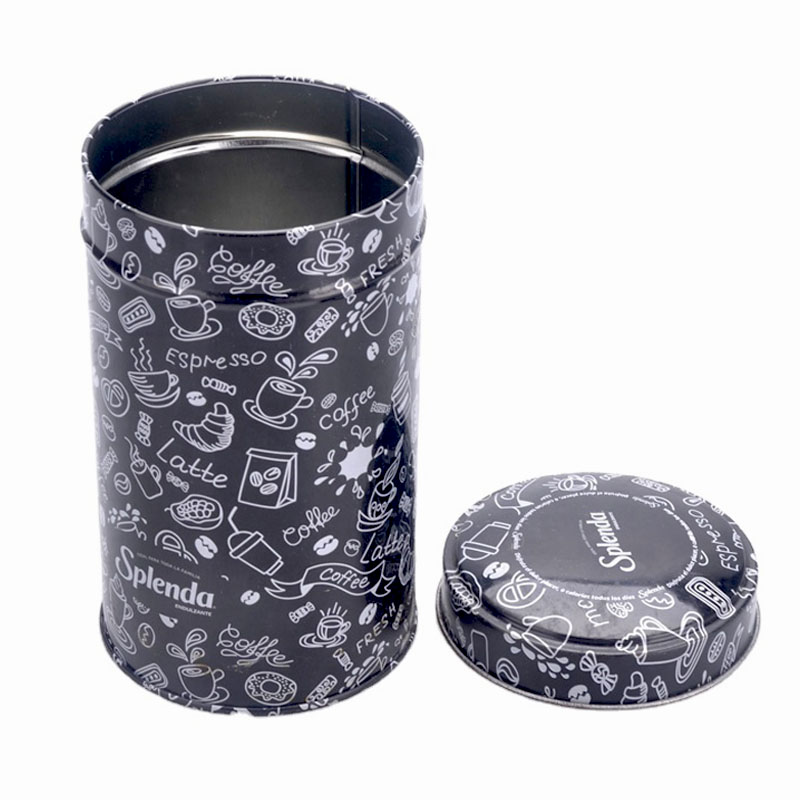
You can choose from our wide range of tea can packaging options to suit your need. Advanced processes can ensure that your tea is properly sealed and stored for an extended period of time. Designed with an airtight seal to keep your tea fresh and flavorful. Variety of sizes to accommodate any amount of tea. Tight-fittinsg lid that ensures your tea stays fresh and flavorful.
Read More
We offer a wide range of tea tin packaging solutions, from timeless classics to contemporary designs, ideal for elevating your brand identity. Using advanced manufacturing techniques, each custom tea tin guarantees superior sealing and long-lasting freshness for your premium teas. Trusted by global tea giants like Lipton, Twinings, and Tetley, we are your dependable tea tin manufacturer with proven quality and service. Every custom printed tea tin is precisely made to combine functionality and brand aesthetics, fulfilling diverse customer requirements. Whether you need wholesale tea tins or exclusive custom designs, we provide flexible solutions to fit different market demands.
Read More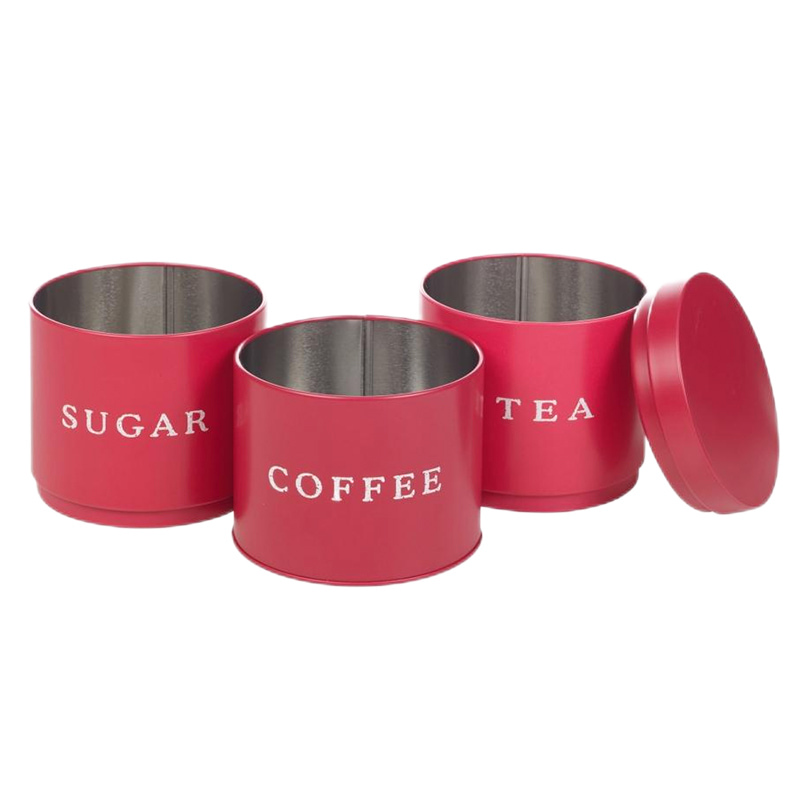
Our custom three-layer stackable tea tin gift set is designed for tea brands, tea factories, importers, distributors and private-label buyers developing premium tea assortments and seasonal gift collections. The packaging consists of three individual cylindrical compartments that connect tightly through an interlocking stacking structure. Each layer can hold a different tea variety, while the upper and lower sections fit together to form one compact vertical tea canister. A removable top lid closes the complete set, and the matching display box keeps the three-layer tea tin organised for retail presentation and gifting.
Read More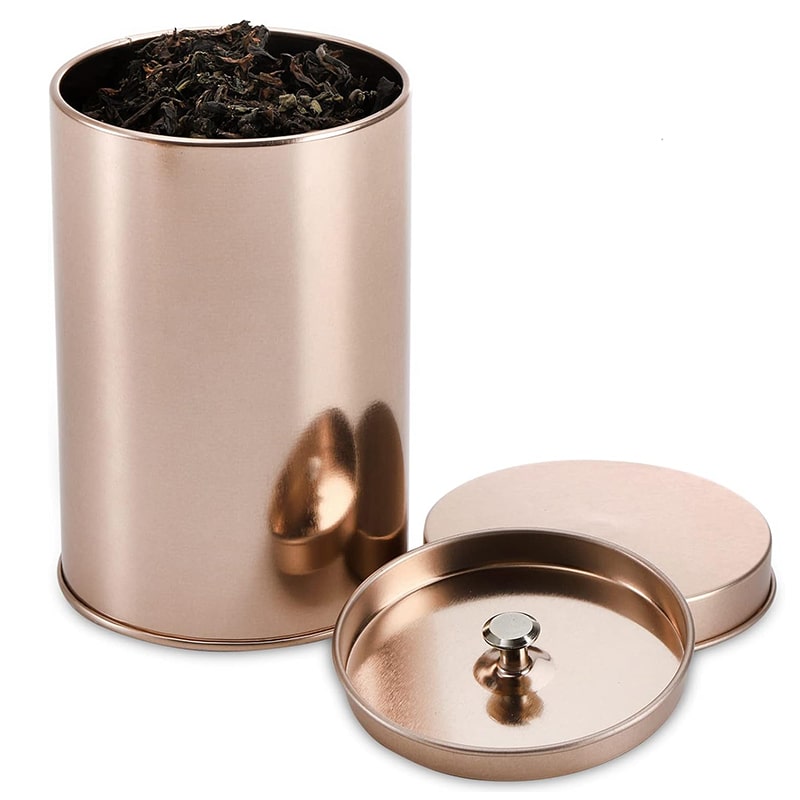
We deliver customized and standard tea tin packaging solutions for all kinds of products. We utilize state-of-the-art methods to preserve the freshness and longevity of your tea. Our tea packaging is used by internationally recognized names like Lipton and Tetley. To ensure your tea's safety, we rely on tinplate materials with FDA certification. Premium tin box finishes are achieved through our professional-grade color printing systems.
Read More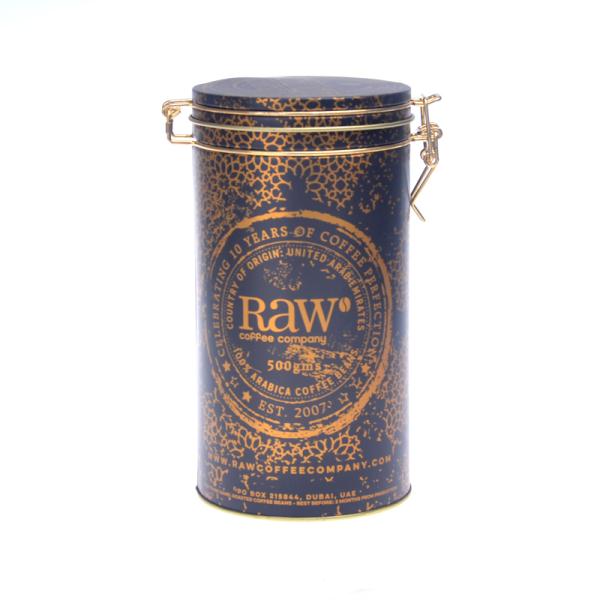
We offer you a variety of coffee tin packaging solutions to choose from. Advanced processes can bring your coffee bean good sealing and long time storage. Lipton, Twinings and Tetley, theses famous tea brands are our loyal customers. FDA approved food grade tinplate can make sure the absolute safety of your coffee packaging. Professional panton and 4-colour printing equipments ensure a high quality presentation of the tin boxes.
Read More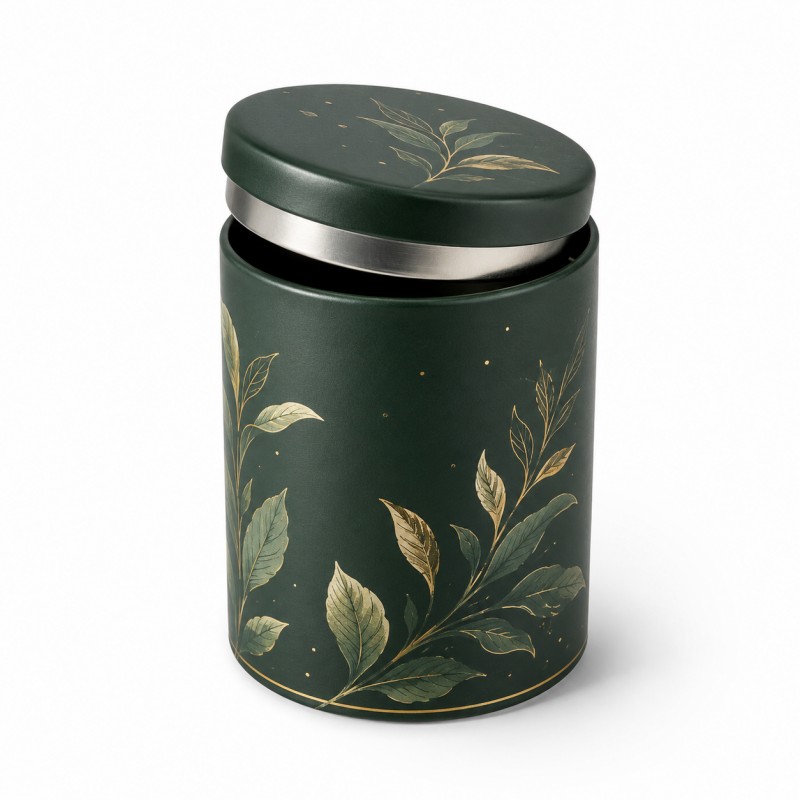
Our custom plug lid tea tin canister is designed for loose leaf tea brands, tea factories, importers, private-label buyers and gift packaging suppliers that need a clean, compact and reusable metal packaging solution. The lid includes an internal plug section that fits into the opening of the tea tin. When fully closed, the outer lid aligns closely with the body, creating a smooth and integrated appearance without a bulky overlapping edge. This structure is suitable for premium loose leaf tea, green tea, black tea, oolong tea, herbal tea and tea gift collections.
Read More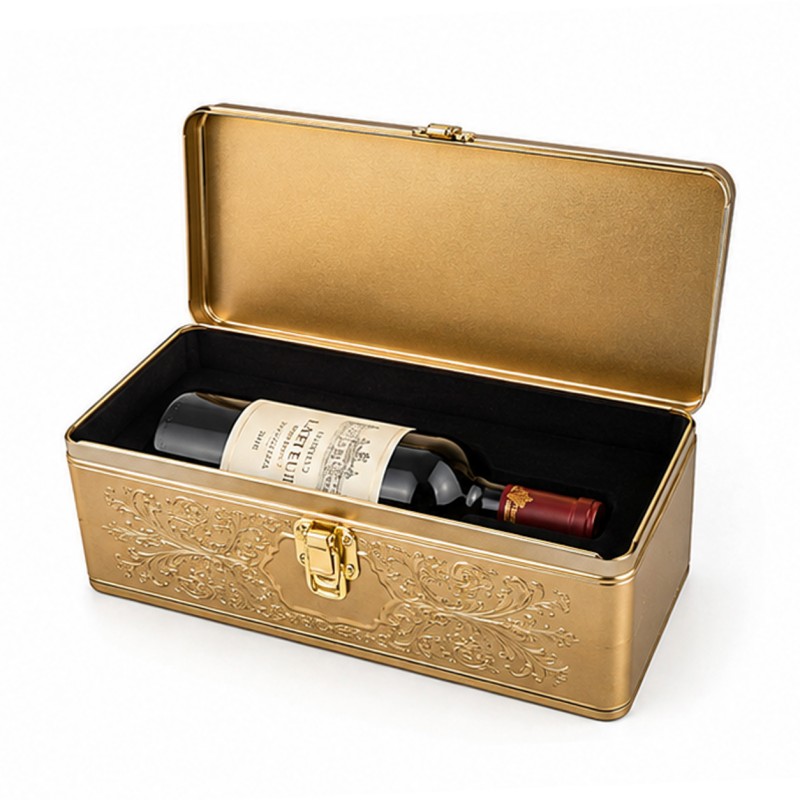
A premium bottle package does not always need to follow the shape of the bottle. The custom rectangular hinged wine and spirits bottle tin boxes are designed as presentation cases, giving wineries, distilleries, beverage brands and gift buyers more room for decorative artwork, protective inserts and a more deliberate opening experience. The structure combines a deep rectangular tin body, attached hinged lid, front clasp closure and fitted internal insert for a single bottle. Unlike a removable cylindrical wine tin, the lid stays connected to the body when opened, allowing the customer to see the bottle presented inside the complete package.
Read More
A wine bottle tin should be designed around the bottle rather than around a generic cylinder size. Our custom cylindrical wine and spirits bottle tin cans are developed for wineries, distilleries, beverage brands, importers, promotional gift companies and private label buyers that need a rigid metal presentation package for a single bottle. The tall cylindrical format works particularly well for red wine, whisky, whiskey, vodka, brandy, rum, gin and other premium spirits. The diameter, internal height and lid depth can be adjusted around the actual bottle profile, while the exterior provides a continuous printable surface for vineyard artwork, distillery branding, metallic graphics and embossed logos.
Read More
Sturdy and can be used multiple times. Airtight, maintain and preserve the flavor and aroma of the tea. Variety of sizes and design, effortless to find a tin that perfectly suits your requirements. Versatile and can be used to store a variety of items, including spices, herbs, and other loose leaf teas. Durable and provide excellent protection for your tea, shielding it from moisture, light, and air.
Read MoreGet The Latest Information And Special Offers


 IPv6 network supported
 English
 Français
 Deutsch
 Español
 Português