
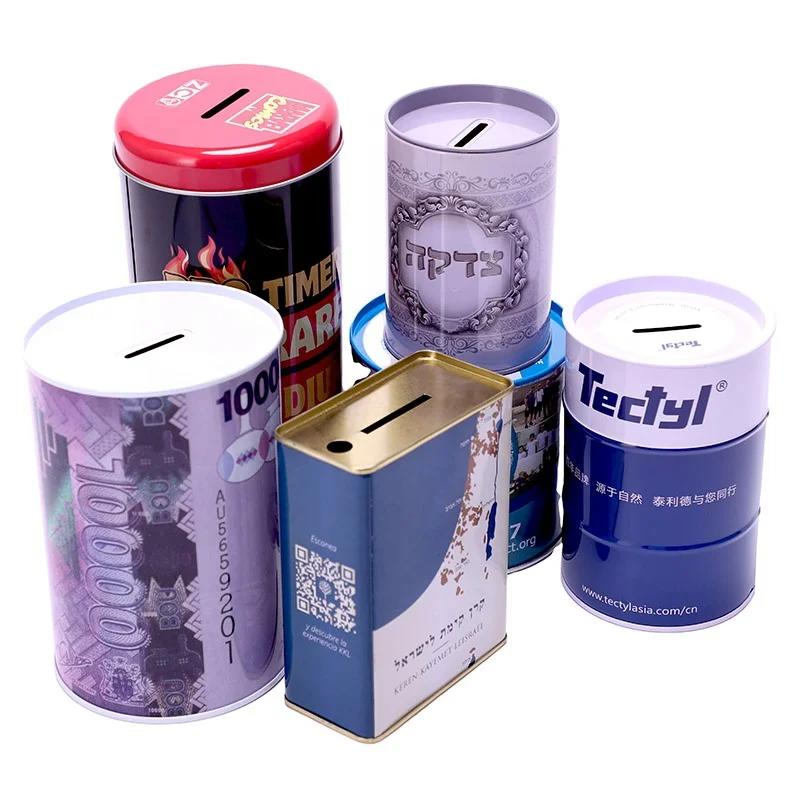
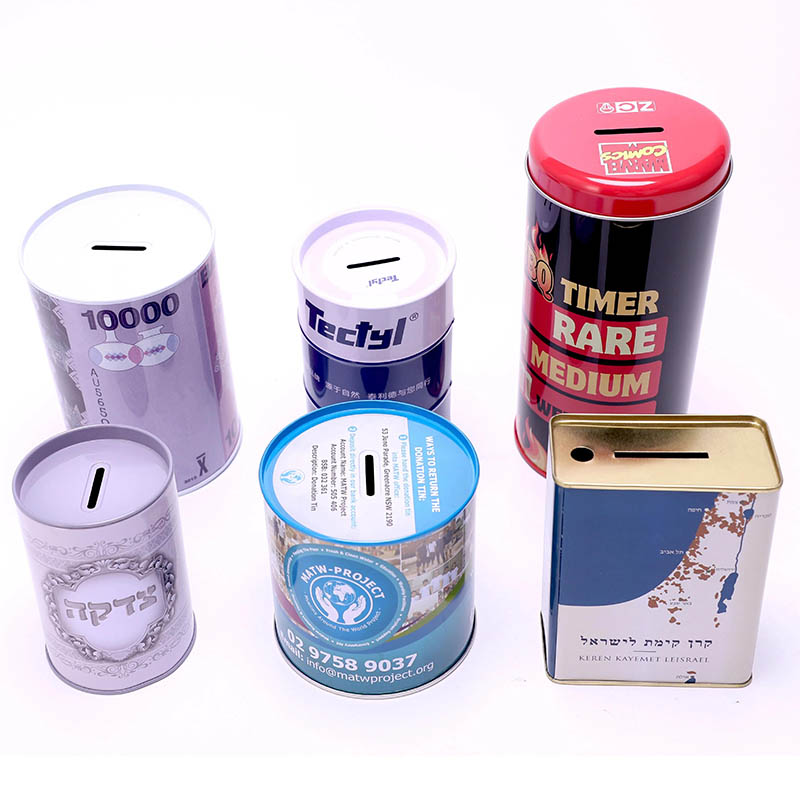
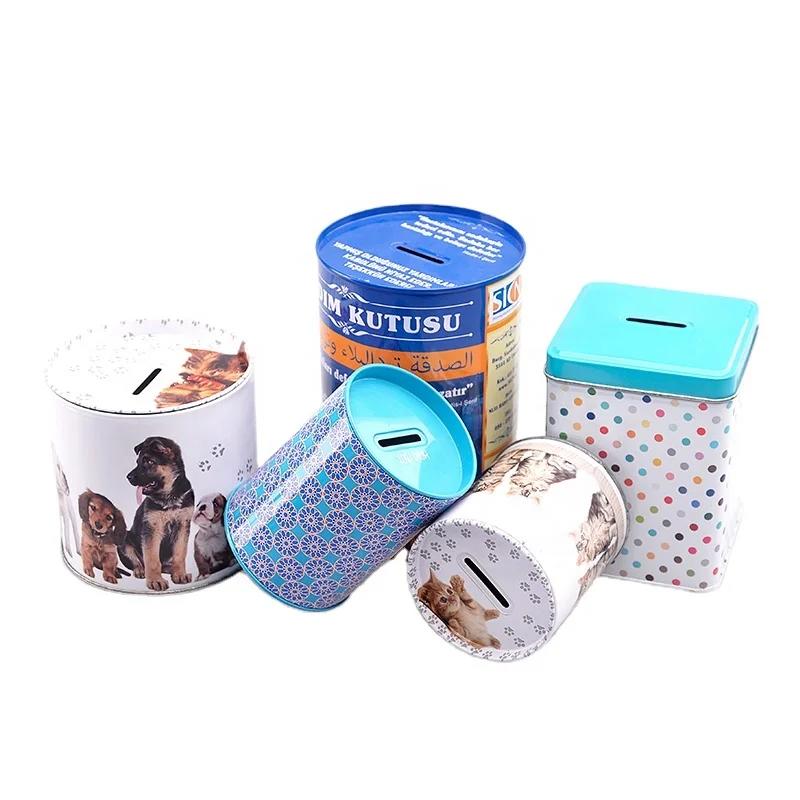
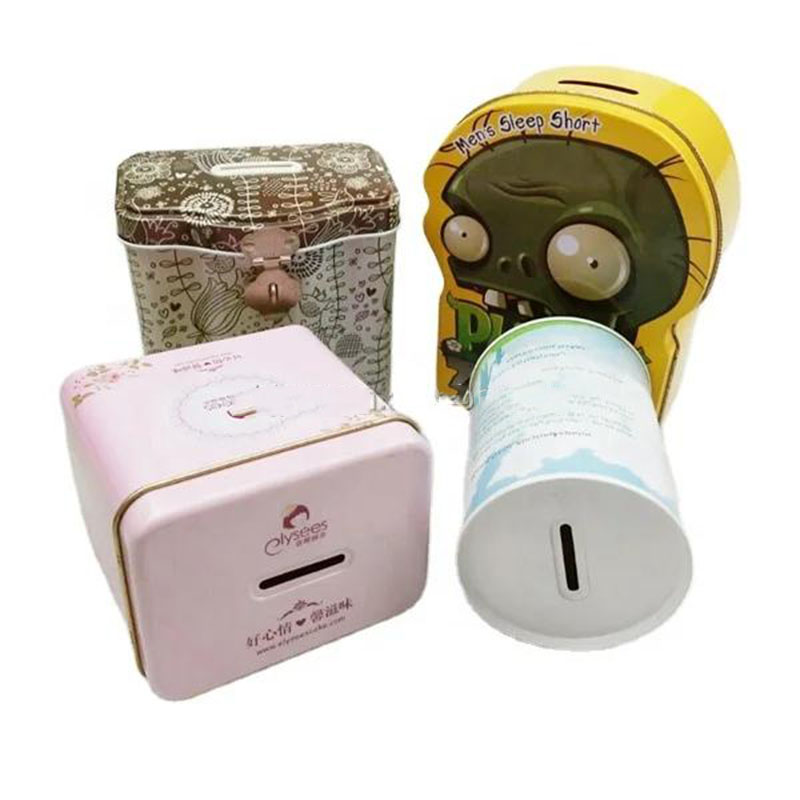
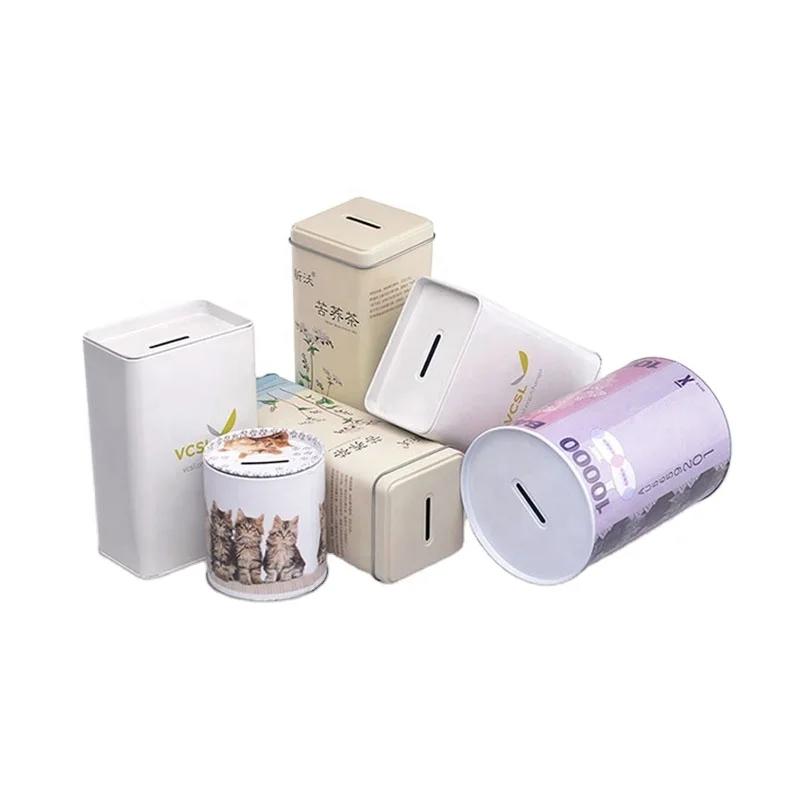
A custom money tin looks simple from the outside: a metal container, a coin slot and printed artwork. For a wholesale project, however, one decision matters before almost everything else — how should the user eventually get the money back out? That choice affects the top, bottom, lid construction, coin slot, artwork layout and even how the product is positioned for retail.
Product Name :
Money Bank Tin CanDimensions :
D85*H120mmShape :
Round, cylindrical, square, rectangular and selected novelty structuresDesign :
Customizable, ODM / OEMPrinting :
CMYK offset printing / Pantone colour matchingSurface Finish :
Matte, gloss, metallic and selected special finishesMaterial :
0.23 mm Food-Grade TinplateMOQ :
5,000 pcsLead Time :
35 DaysPackaging :
Opp Bag + Master Carton
Most buyers begin a money box enquiry by discussing size or artwork. We prefer to clarify the saving mechanism first.
The coin slot determines how users put money into the tin. The lid or bottom structure determines whether they can access those savings whenever they want or only after completing a saving goal.
A tin money box can therefore be developed around different user behaviours.
The best structure depends on what the finished product is supposed to encourage the user to do.
The slot should not simply be added to the artwork at the end of the project.
Its dimensions need to work with the intended contents.
If the money tin box is mainly for coins, the opening needs to accommodate the relevant coin sizes in the destination market. If folded banknotes are also expected, the slot may need to be longer or wider.
During structure review, we consider:
The formed opening should also be produced consistently so the finished edge is appropriate for normal handling.
The term “piggy bank” describes the saving function more often than the actual shape of a modern metal product.
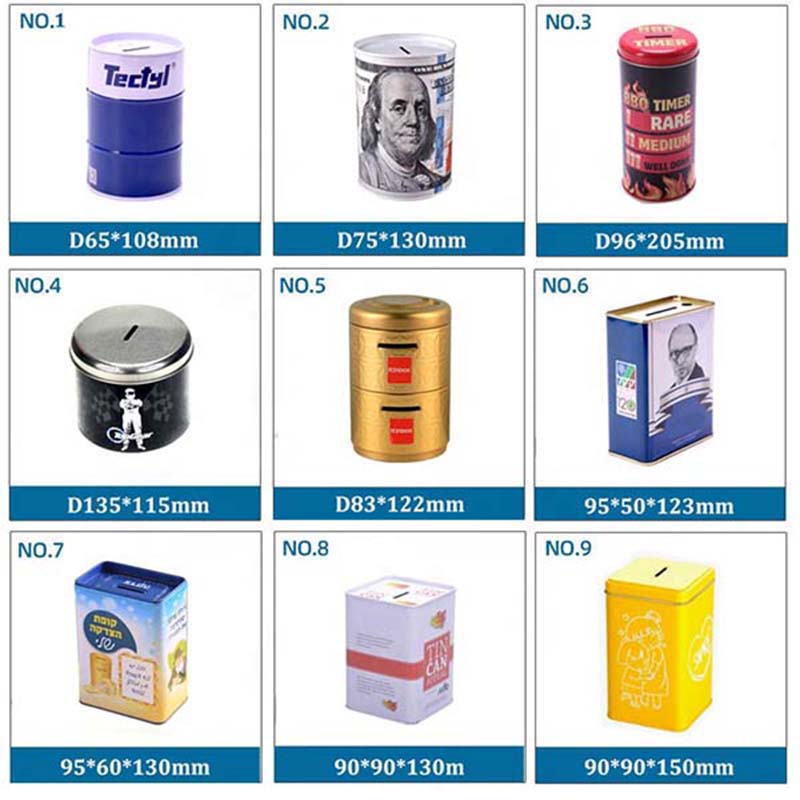
A tin money bank can be cylindrical, round, square, rectangular or developed in a novelty shape depending on the target market.
This gives buyers more flexibility than traditional ceramic piggy banks.
A tall cylindrical design provides a large vertical printing area. A square or rectangular money box creates clear front, back and side artwork panels. Novelty structures can be considered where the physical shape itself forms part of the retail concept.
For a first project, we normally recommend checking existing moulds before developing a completely new shape.
A custom money bank is often displayed on a desk, shelf, counter or bedside table, so the artwork should be designed for the direction from which people are most likely to see it.
On a cylindrical tin, the logo should normally have a clear primary viewing position rather than disappearing into a continuous pattern.
On a rectangular tin, the front panel can carry the main brand identity while the side panels carry supporting graphics or instructions.
The top panel also needs special consideration because the coin slot occupies part of the available design area.
We normally check artwork for:
This helps the printed design survive the transition from flat metal sheet to finished formed product.
A money box does not need to carry only a logo.
The printed surface can become part of the saving experience itself.
Depending on the project, artwork can include:
This makes a money bank tin can useful not only as a container for coins but also as a visual reminder of why the user is saving.
Tinplate gives buyers a relatively large surface for printed decoration.
Depending on the selected structure, artwork can be developed across the body, top and other visible areas.
Available decoration options can include:
Simple artwork can work just as well as complex printing. For corporate promotional products, a clean brand colour and logo may be enough. Retail gift ranges may use full illustrations, typography and decorative patterns.
This question should be answered before the final structure is confirmed.
Some buyers want users to empty the tin regularly and start saving again. Others want the box to make early access deliberately inconvenient.
These are different products even if their external appearance is similar.
A reusable structure needs a practical way to retrieve the contents. A more restricted-access design can place greater emphasis on maintaining the saving goal.
Because we plan separate product pages for different closure types, this general money tin page does not treat one opening method as universally better. The appropriate structure depends on the intended retail concept and user behaviour.
Another useful question is what the customer will actually save.
A small coin-only bank can use different proportions from a tin intended for both coins and folded notes.
If paper money is part of the intended use, tell us during development rather than after the mould or slot has been confirmed.
For promotional programmes distributed across several countries, it is also useful to consider the approximate dimensions of the coins or notes used in the target markets.
There is no single correct size for a metal money saving box.
A compact desk money tin may be appropriate for everyday spare change. A taller design provides more internal volume and more visible branding space. Larger formats may be better suited to longer saving challenges or high-visibility promotional displays.
Instead of selecting a size only from a catalogue photograph, consider:
We can then compare the requirement against existing moulds before discussing new tooling.
“Custom” does not always mean the entire metal structure needs to be developed from zero.
For many wholesale money tins, an existing mould can be combined with completely new artwork, colours and branding.
This is often a practical solution when the buyer mainly needs a customised retail appearance rather than a proprietary physical shape.
New mould development becomes more relevant when:
More complex custom structures require additional mould development and trial time before mass production.
The same basic product can be positioned differently depending on the artwork and structure.
More specialised applications such as donation collection cans and children's novelty money boxes can use different structural priorities and are better specified separately.
The quality priorities for a money box are not identical to those for a biscuit tin or tea canister.
For this product category, practical inspection points include:
If the project has a particularly important functional feature, this should be identified before sample approval so it can be included in the production specification.
You do not need a complete technical drawing to start a project.
The following information is normally enough for an initial review:
If you only have a reference image, send it together with the expected order quantity and intended use. We can first check whether an existing structure provides a suitable starting point.
Yes. Custom artwork can be printed on the metal surface, with CMYK and Pantone colour options available depending on the design.
Yes, where the slot dimensions are designed accordingly. Tell us what the finished product is expected to accept before the structure is confirmed.
Different opening structures can be considered. The correct choice depends on whether the product is intended for repeated reuse or for a more restricted saving experience.
No. The saving function can be incorporated into round, cylindrical, square, rectangular or selected custom-shaped metal tins.
Yes. A common metal structure can support different artwork versions. Each design should be quoted and planned separately for production.
Yes, subject to project feasibility and tooling requirements. Existing moulds are normally reviewed first before new tooling is proposed.
Our standard MOQ is 5,000 pieces per design.
Start with three decisions: what will go through the slot, how the user should eventually access the savings, and where the logo needs to be seen.
Once these points are clear, we can compare suitable existing moulds, confirm the slot and closure structure, and then move on to artwork and sample development.
Standard custom production starts from 5,000 pieces per design.
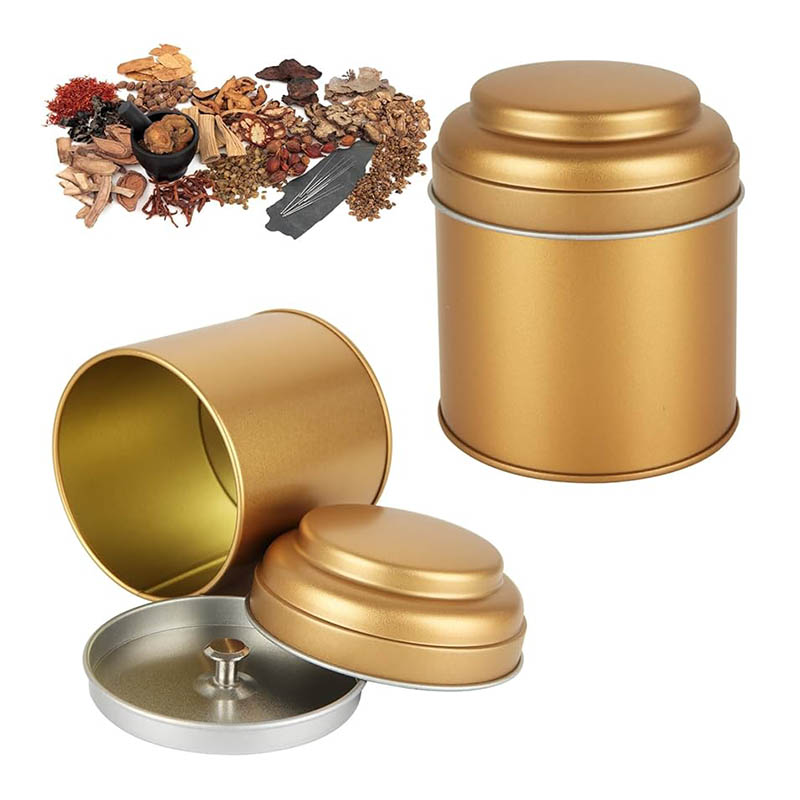
Working with an OEM ODM double lid tea tin canister manufacturer is different from buying a finished storage tin from a catalogue. For commercial tea packaging, buyers often need several decisions to be coordinated at the same time: tin dimensions, double-lid structure, filling volume, artwork, printing, inner packaging, food-contact requirements, export packing and repeat-order consistency.
Read More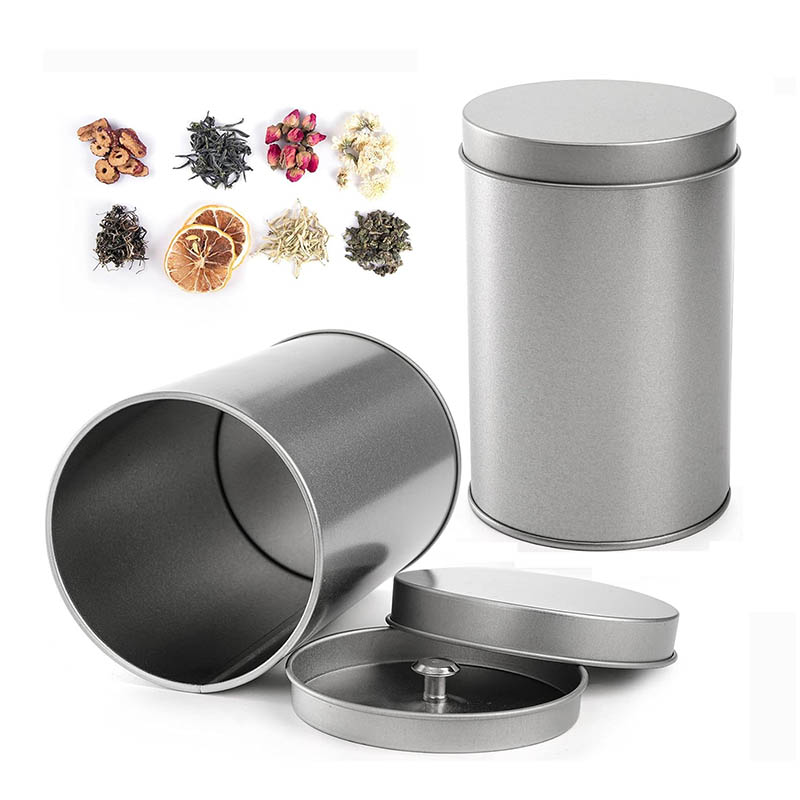
A custom cylindrical double lids tea tin canister is designed for tea brands that want more than a decorative metal container. The two-stage lid gives the pack a distinctive opening experience: the customer removes the outer lid first, then opens a second inner lid before reaching the tea. This structure is particularly well suited to loose leaf tea, premium tea collections, gift assortments and private label ranges where the container is expected to remain useful after purchase. The cylindrical body also provides a large continuous printing area for branding, illustrations, origin stories and colour-led tea collections.
Read More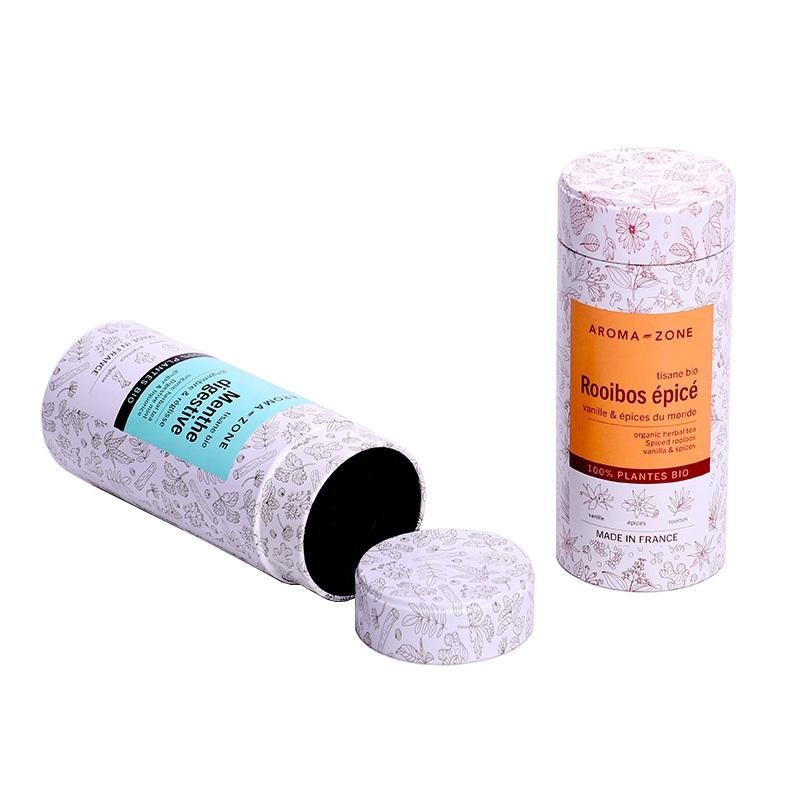
Our custom slim tall tea tin canister is designed for tea brands that need compact shelf presentation without reducing branding space. Its narrow footprint and vertical body make it suitable for individually wrapped tea bags, loose leaf tea, herbal blends and refill collections. The tall format gives buyers more room for vertical logos, tea-origin stories, brewing instructions and coordinated colour systems. The size, lid structure, printing, internal packaging and retail presentation can be developed around the actual tea format rather than using a generic storage tin.
Read More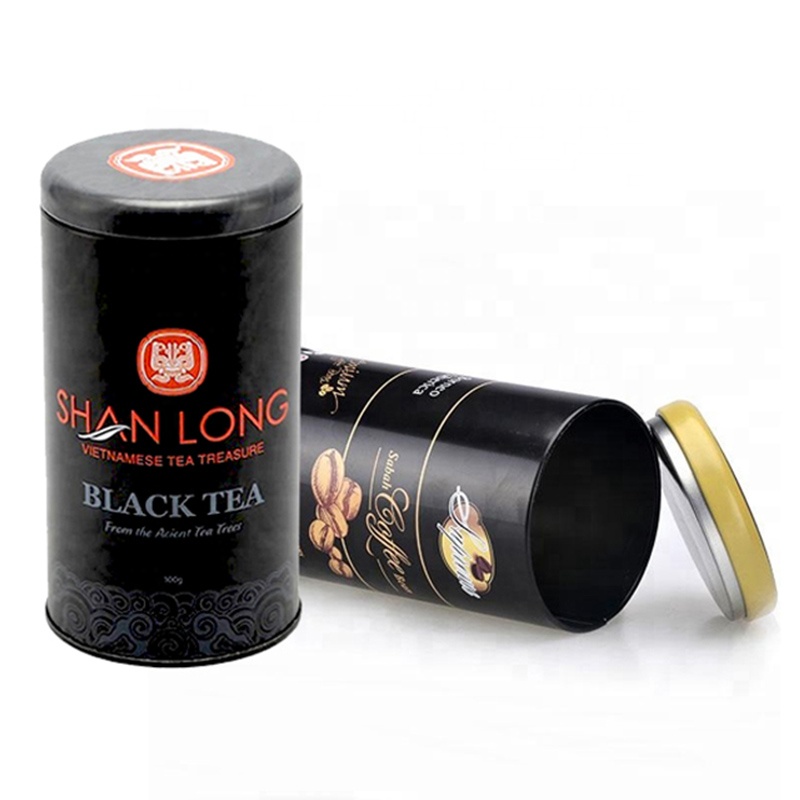
This cylinder black tin canister is designed for brands that need a cleaner, more premium alternative to flexible bags for coffee beans, tea, cocoa, and other dry foods. As a coffee tin manufacturer in China, Jinyu supports custom coffee tins, personalized coffee canisters, custom tea tins, and export-ready coffee tin packaging for brands, roasters, wholesalers, and private-label projects.
Read More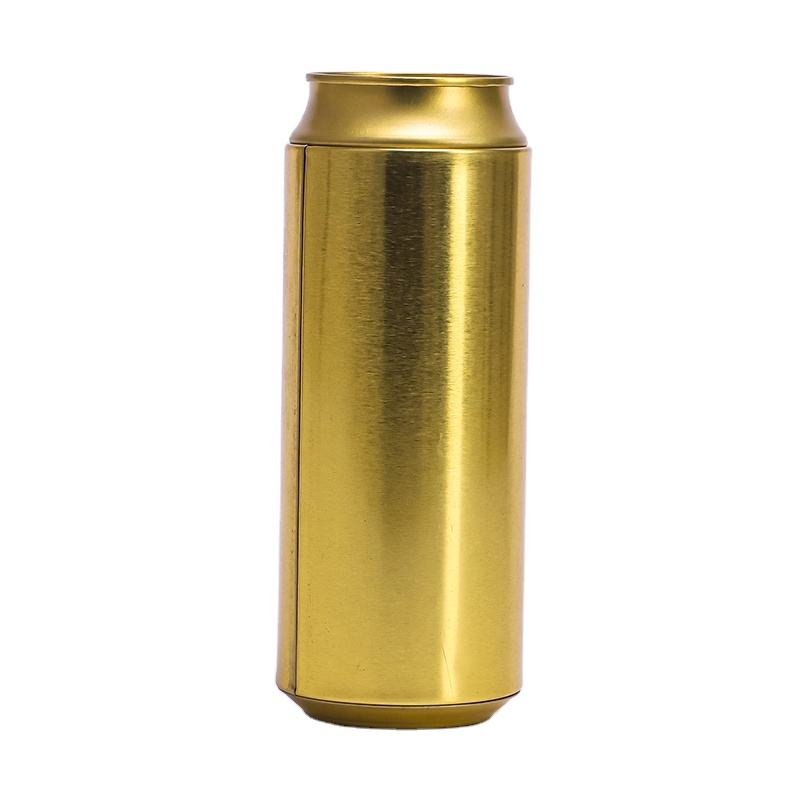
A personalized beer bottle shape coin tin turns an everyday money-saving product into a more distinctive display item. Instead of using a conventional round or square money box, the metal body follows a bottle-inspired silhouette, giving brands more opportunity to combine saving function with novelty packaging and promotional design. This type of money saving tin bank can be developed for promotional programmes, gift ranges, branded merchandise, retail collections and themed savings products. Custom printing allows the bottle-shaped surface to carry logos, labels, decorative graphics or campaign artwork directly on the metal.
Read More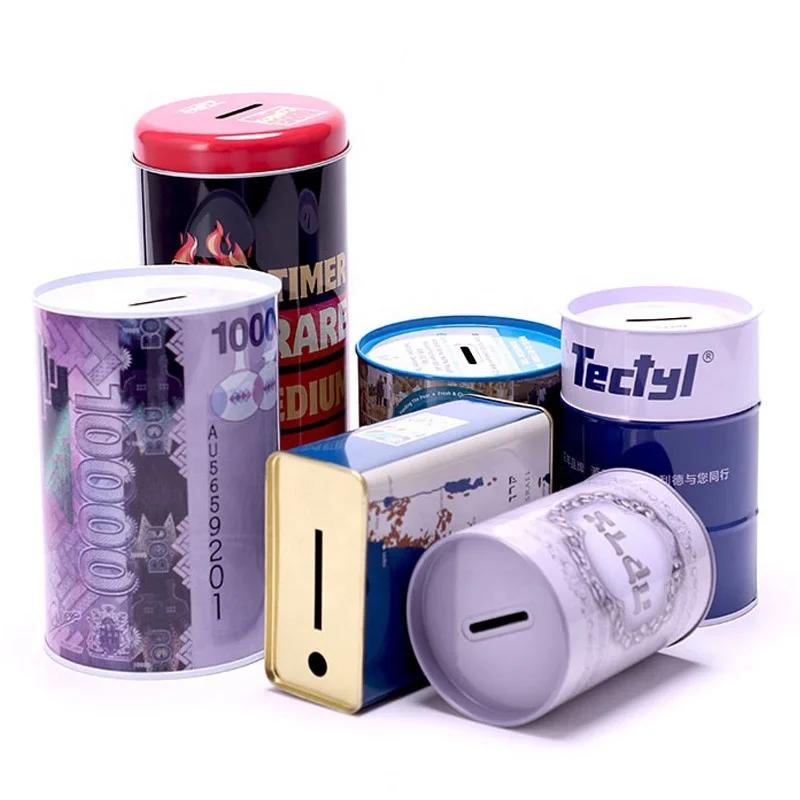
Looking for a durable tin bank, tin coin bank, or custom coin bank for retail, gifts, promotions, or children’s savings products? We manufacture custom metal coin banks, tin money boxes, and tin can money box styles in round, square, rectangular, and custom shapes. From a classic tin can piggy bank to a premium metal money bank with a reusable lid, we help brands create practical, eye-catching money-saving packaging with factory-direct support.
Read More
A custom money tin looks simple from the outside: a metal container, a coin slot and printed artwork. For a wholesale project, however, one decision matters before almost everything else — how should the user eventually get the money back out? That choice affects the top, bottom, lid construction, coin slot, artwork layout and even how the product is positioned for retail.
Read More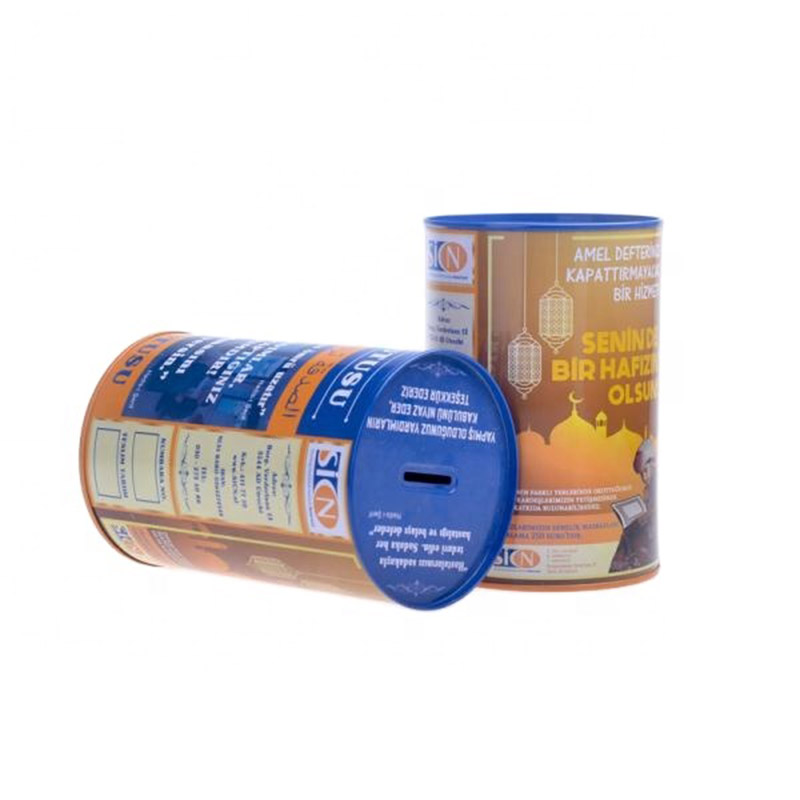
A custom metal donation charity tin box has a different job from an ordinary household money box. It may sit on a retail counter, reception desk, fundraising table or event stand where many people contribute coins or folded notes throughout the day. That changes the way the tin should be designed. For a charity collection project, buyers need to think about more than the printed logo. The slot, access method, campaign message, identification area and emptying procedure all affect how practical the finished money collecting box will be in real use.
Read More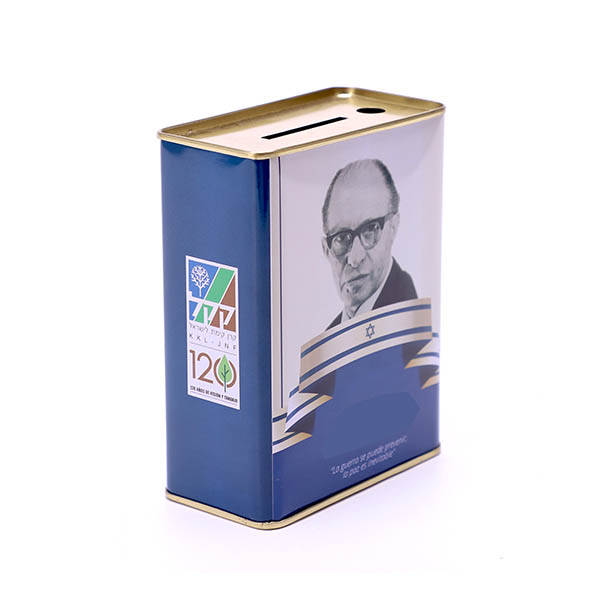
A rectangular metal money tin box gives buyers something that round coin banks do not: four clearly defined vertical panels, a stable footprint and dimensions that can be planned around shelves, gift boxes and export cartons. This makes the format suitable for retail money boxes, saving challenges, promotional products, branded gifts and private label coin banks where both storage capacity and printed communication are important.
Read More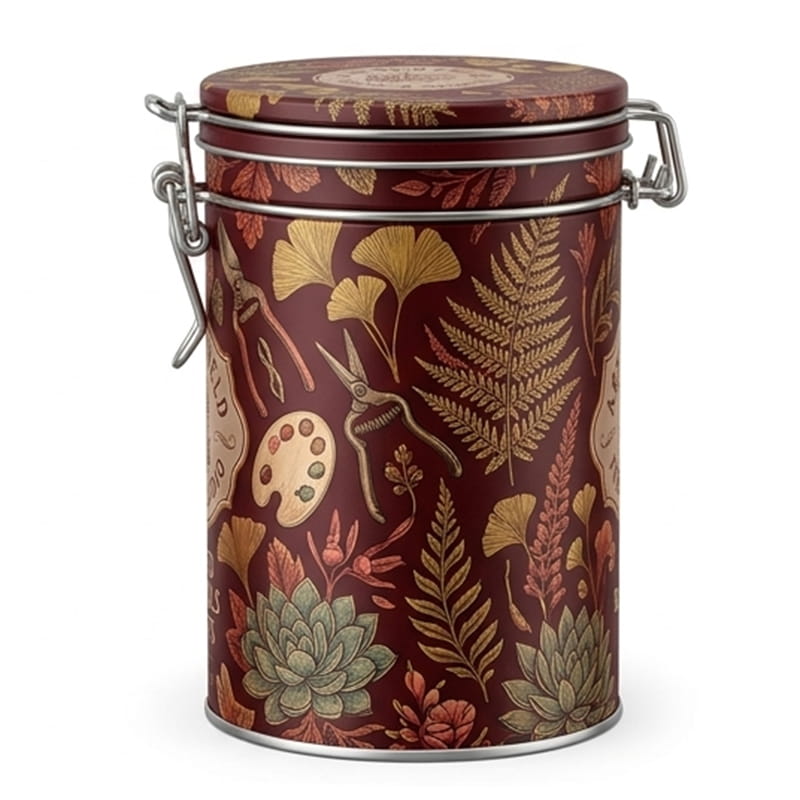
This round clip-clasp tea canister is designed for buyers who need more than a standard slip-lid tea tin. It combines a rigid food-grade tinplate body, a latch-lock closure, and a rubber-sealed lid to create a stronger storage format for loose-leaf tea, tea bags, dry herbs, and coffee. For searching tea tin manufacturer or custom tea tin cans, this product sits at the point where everyday usability and export-ready customization meet.
Read More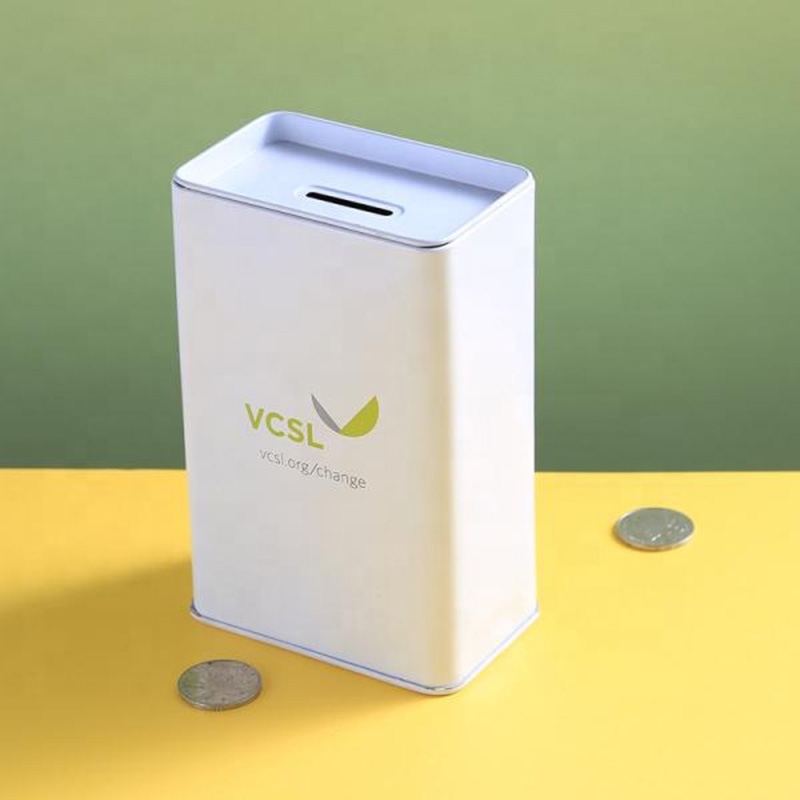
Long-lasting quality and can be utilized repeatedly. Secure savings and safeguard money against theft. Diverse range of sizes and styles, help to discover one that suits your requirements. Used as gifts for children and friends, and great way for commercial brand promotion. Reliable factory direct supplier, high quality with competitive price.
Read More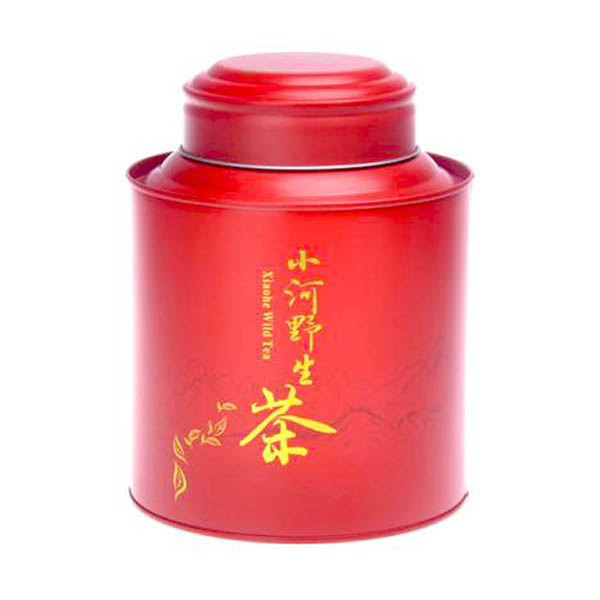
A 500g double lids tea tin canister is intended for tea brands, wholesalers and private label programmes that need a larger metal package for loose leaf tea, tea refills or premium family-size products. However, “500g” should be treated as a target filling weight rather than a fixed tin size. Four hundred grams of compact rolled tea can occupy a very different volume from 500 grams of large-leaf black tea, herbal blends or flower tea.
Read More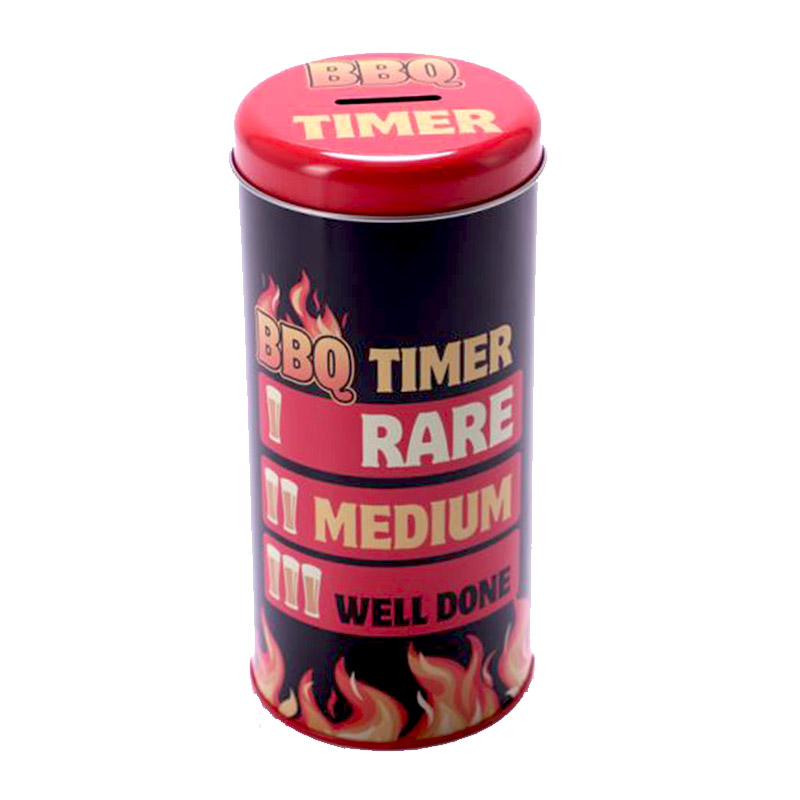
Money tin with removable lid is designed for a different saving experience from a permanently closed or restricted-access coin bank. Instead of waiting until the container is full before finding a way to retrieve the contents, the user can remove the designated lid, empty the coins or notes, and put the tin back into use. This makes the structure suitable for repeat-saving products, promotional coin banks, household money boxes, retail collections and selected money collection programmes where regular access to the contents is part of normal use.
Read More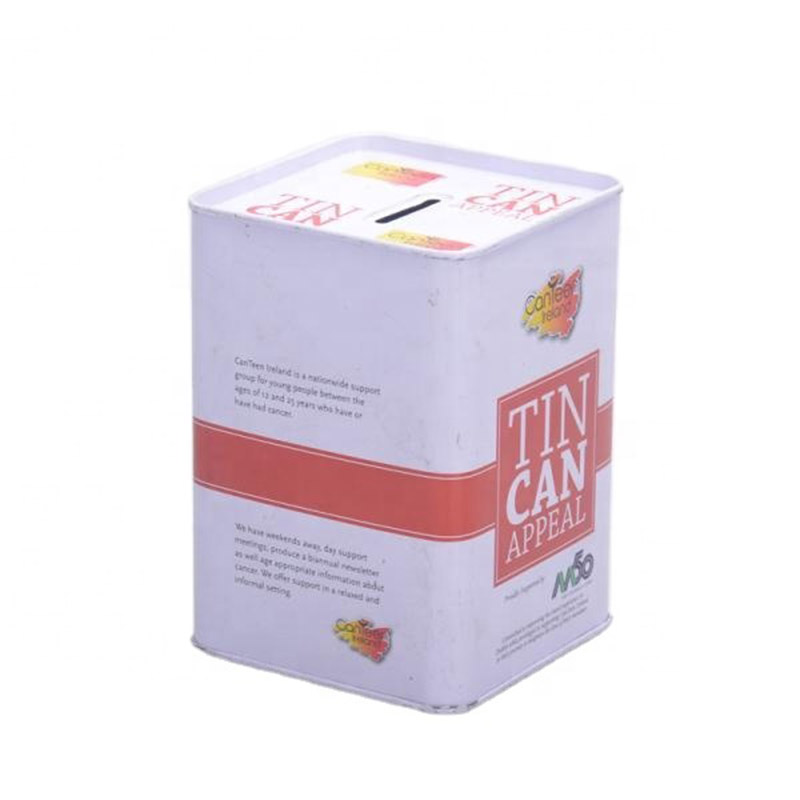
Long-lasting quality and can be utilized repeatedly. Secure savings and safeguard money against theft. Diverse range of sizes and styles, help to discover one that suits your requirements. Used as gifts for children and friends, and great way for commercial brand promotion. Reliable factory direct supplier, high quality with competitive price.
Read More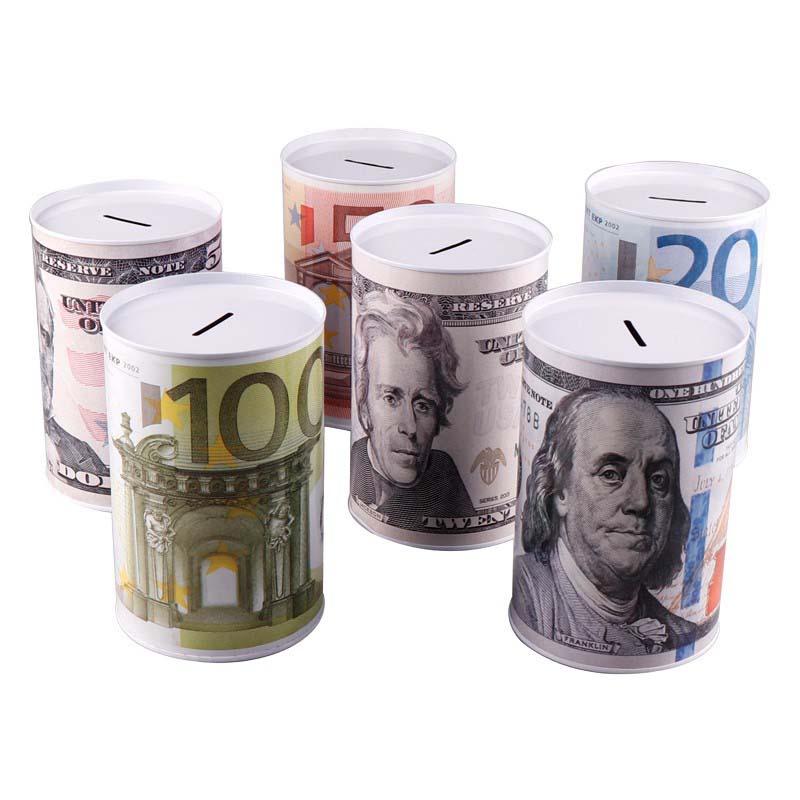
This round cylinder money tin is designed for coin savings, folded bills, retail gift programs, and promotional money collection campaigns. The body gives more printable surface than a small flat tin, while the vertical can shape makes the product feel closer to a classic saving bank than a decorative gift box. For buyers sourcing a money tin can, a custom tin can piggy bank, or China money collection cans for retail and branding projects, this format combines durable tinplate, strong display impact, and repeat-use value.
Read More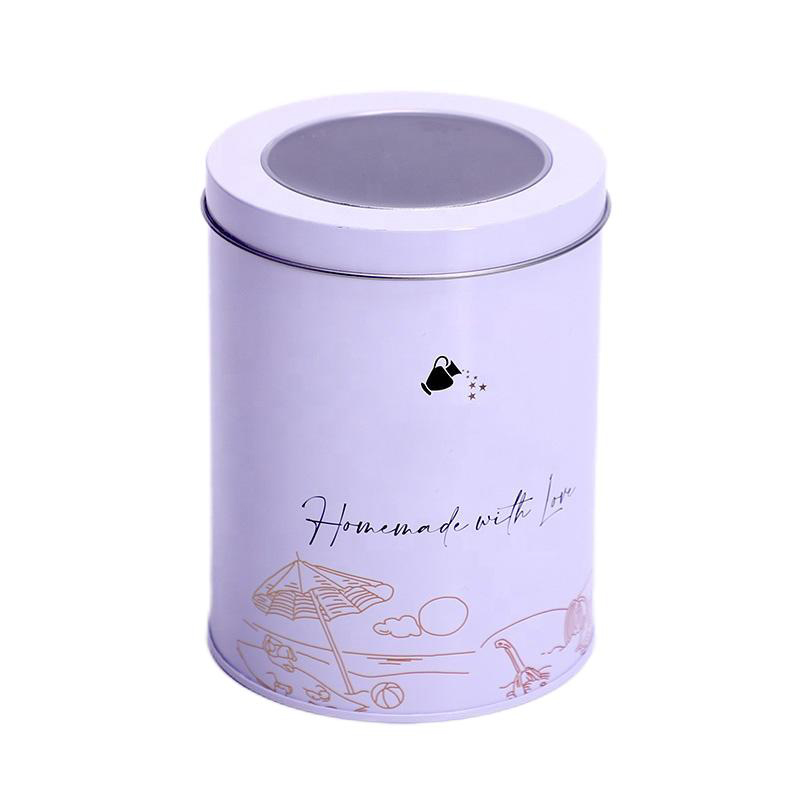
This custom cylinder tin can with clear window lid is designed for food brands, gift suppliers and retail packaging buyers who want both product visibility and strong metal packaging presentation. The transparent lid allows customers to see the cookies, biscuits, candy, snacks or gift items inside, It helps show product color, texture, arrangement and fill level before the package is opened. While the cylindrical tin body provides a durable and reusable packaging structure.
Read More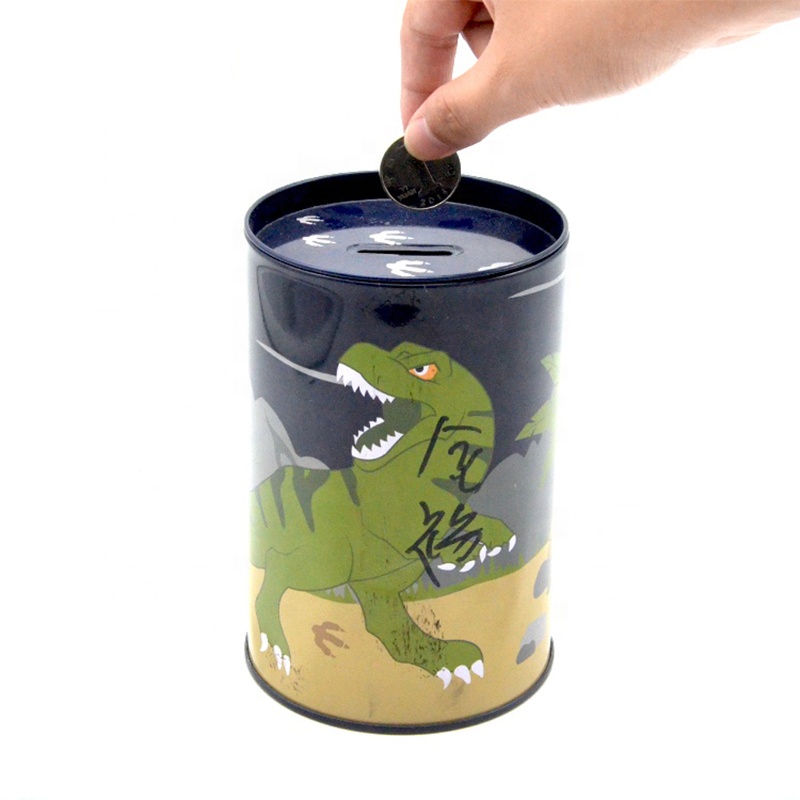
A cute kids metal money box can be more than a container for loose change. For a child, it can become the first place where small savings feel visible, personal and connected to a goal. That makes the design priorities different from those of an adult money collection tin. Size, artwork, opening method, slot dimensions, visual ownership and gift presentation all influence how the finished product is experienced.
Read More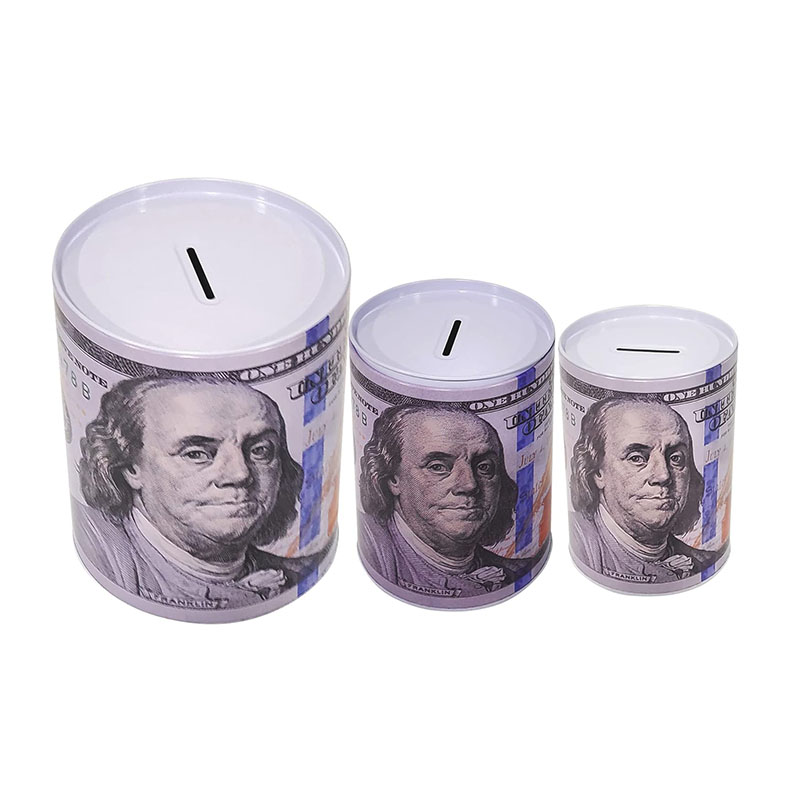
An OEM ODM tin can piggy bank designed for both coins and folded bills needs more planning than a standard coin-only money box. The opening has to accommodate different types of money, the internal volume must remain practical as coins add weight, and the retrieval structure should match the intended saving behaviour. For wholesale and private label projects, we can develop metal saving banks around the actual market in which they will be used rather than treating every coin slot as the same.
Read More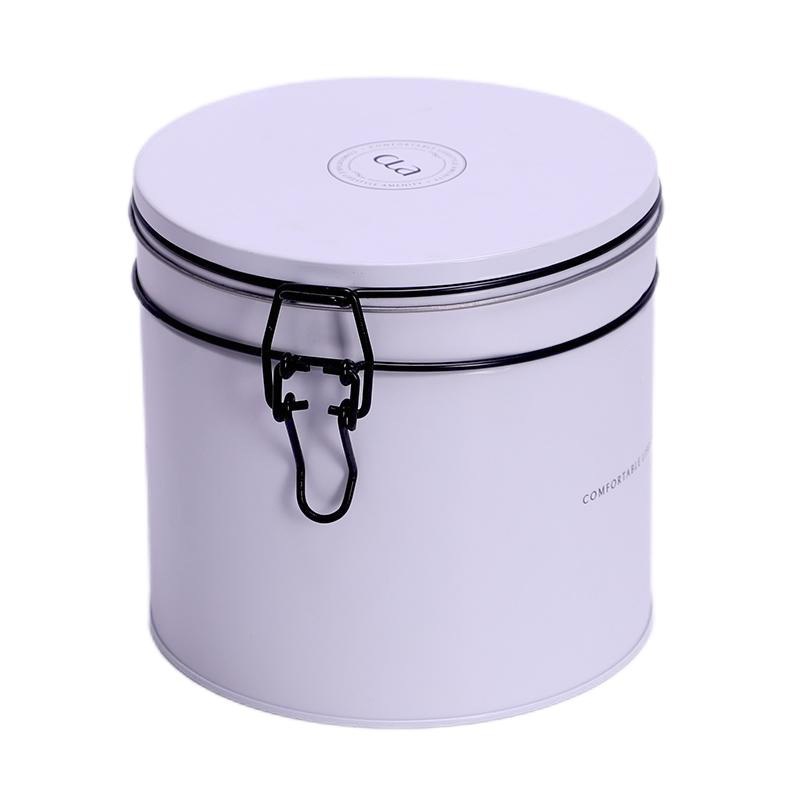
This round biscuit tin box is designed for cookie, biscuit, chocolate, tea, coffee, and dry-food projects that need a more protective, reusable, and premium-looking metal pack. As a biscuit tin manufacturer in China and food tin manufacturer for export orders, Jinyu supports custom round biscuit tin box projects, OEM round tin containers, wholesale cookie tin cans, and bulk tin containers for brands, importers, and distributors.
Read More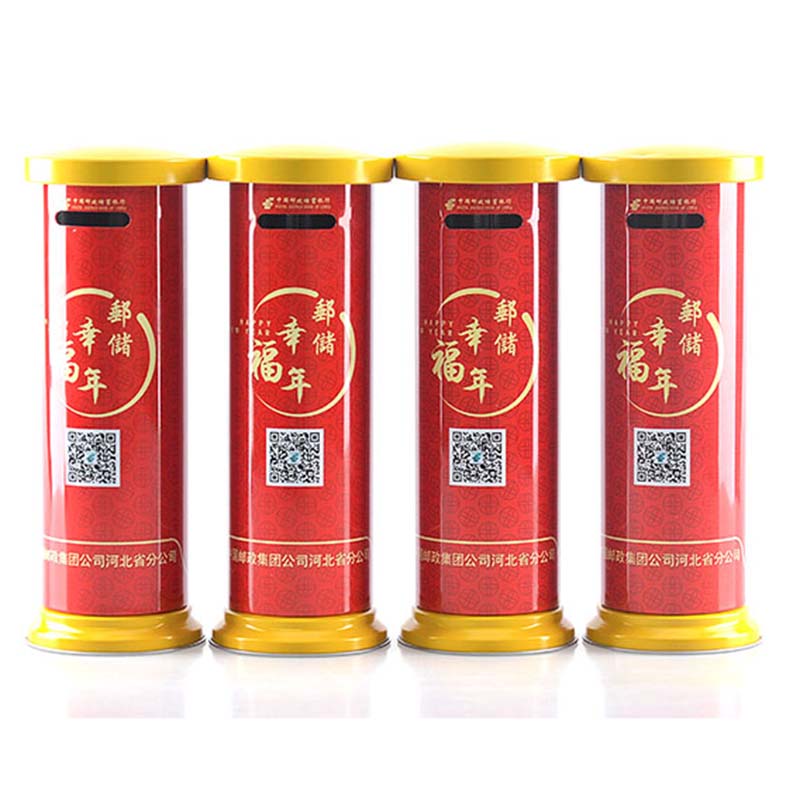
A custom post box shape tin coin bank turns the familiar act of posting something into a money-saving experience. Instead of dropping a letter into a post box, the user deposits coins or folded notes into a metal saving bank designed around a tall postal-inspired silhouette. This makes the product visually different from a conventional round or square money tin. The taller body creates a strong vertical display area, while the postal theme gives brands more opportunities for storytelling, souvenir graphics, saving messages and promotional design.
Read More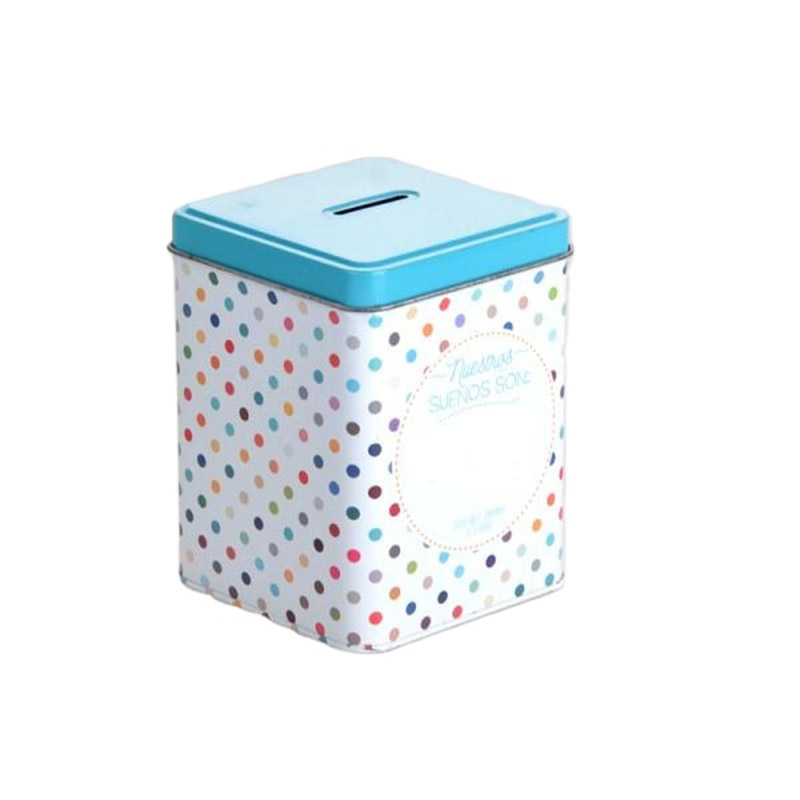
Long-lasting quality and can be utilized repeatedly. Secure savings and safeguard money against theft. Diverse range of sizes and styles, help to discover one that suits your requirements. Used as gifts for children and friends, and great way for commercial brand promotion. Reliable factory direct supplier, high quality with competitive price.
Read More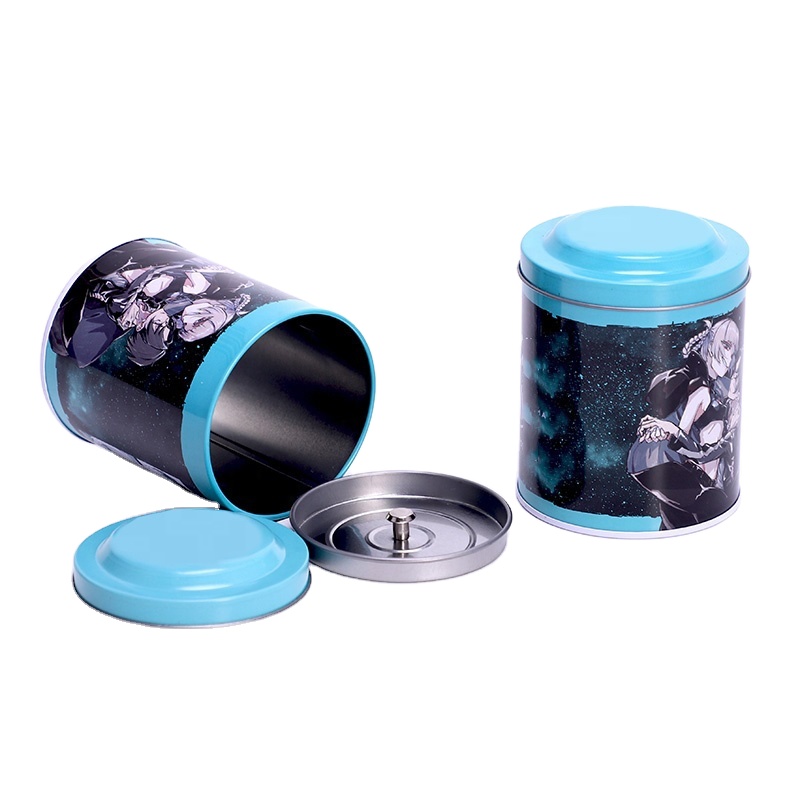
A custom printed round coffee tea metal tin can be used as a common packaging format across both tea and coffee product ranges, particularly where a brand wants a reusable metal container with a consistent shelf appearance. The round body provides a continuous printable surface, while the outer lid and fitted inner lid create a two-stage opening structure. By keeping the same basic tin architecture and changing the artwork between products, buyers can build separate tea and coffee SKUs without developing an entirely different container for every item.
Read More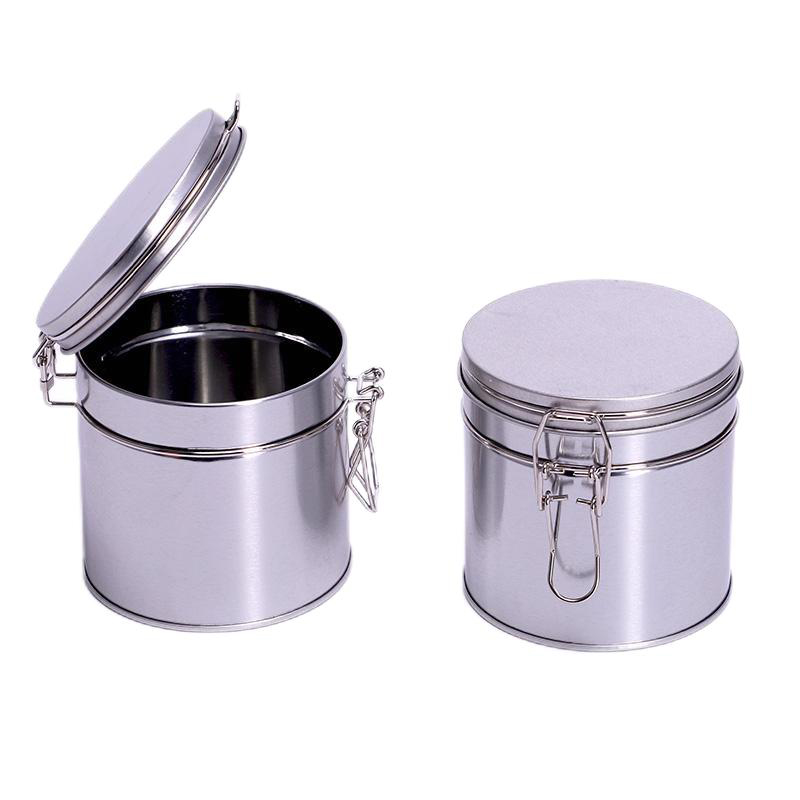
Choose from a range of coffee tin packaging solutions. Advanced processes ensure good sealing and long-term storage for your coffee beans. Lipton, Twinings, and Tetley are among the famous tea brands that are our loyal customers. FDA-approved food-grade tinplate ensures the absolute safety of your coffee packaging. Professional Panton and 4-color printing equipment ensure high-quality presentation of the tin boxes.
Read More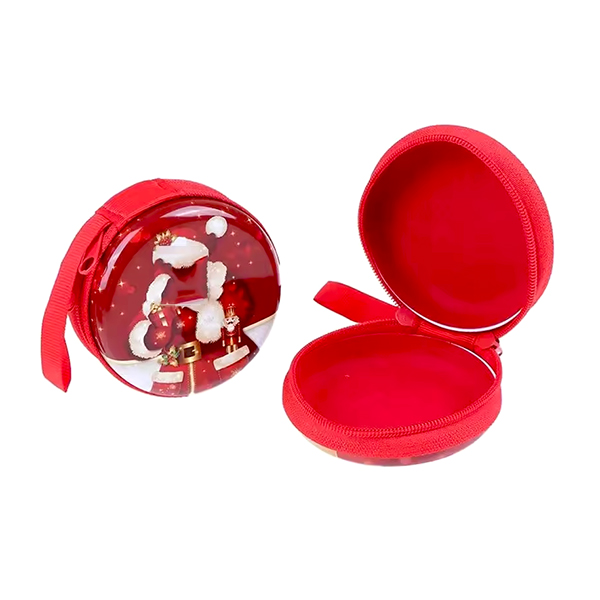
Made of food grade tinplate, adaptable for various applications. Sturdy and protection against moisture and light, long preserve of the contents. Offers multiple sizes and styles, easily to fits your diversified demand. Customizable with logos and designs, meet brand or individual needs of packaging. Reused for storage or as decorative items, recyclable and environmentally friendly.
Read More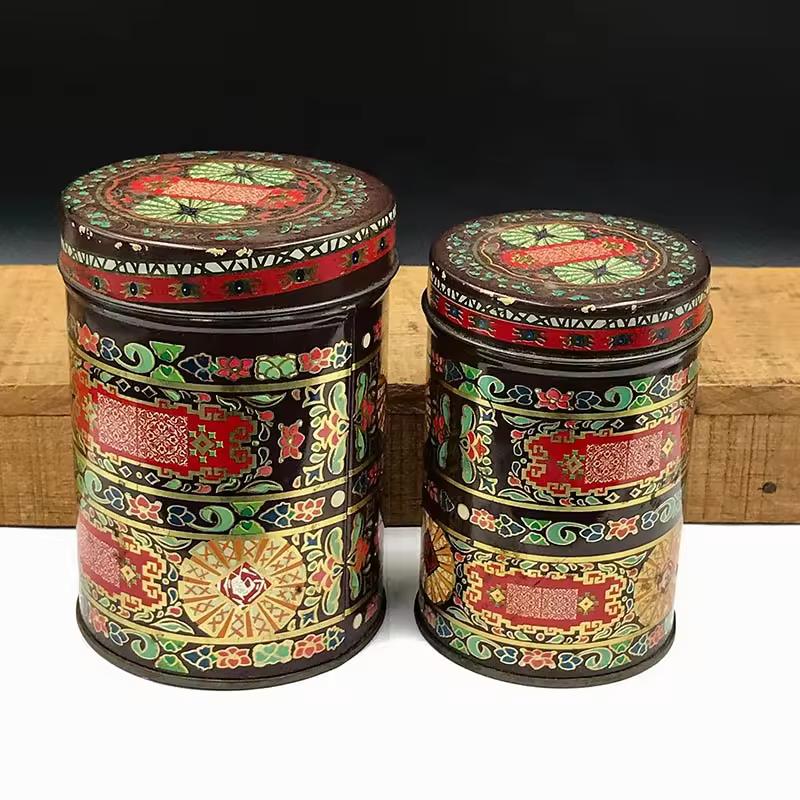
Whichever type of tea can packaging solution you need, we offer the right option for you. Using a more professional process, your tea tin box achieve an excellent seal and a longer shelf life. Well-known partners include leading brands such as Lipton, Twinings & Tetley. The tea containers are manufactured from FDA approved food grade tinplate and with a fluted lid to ensure the tea stays fresh. With a team of highly skilled designers and state-of-the-art printing technology, we ensure the best presentation of tea packaging tin cans.
Read More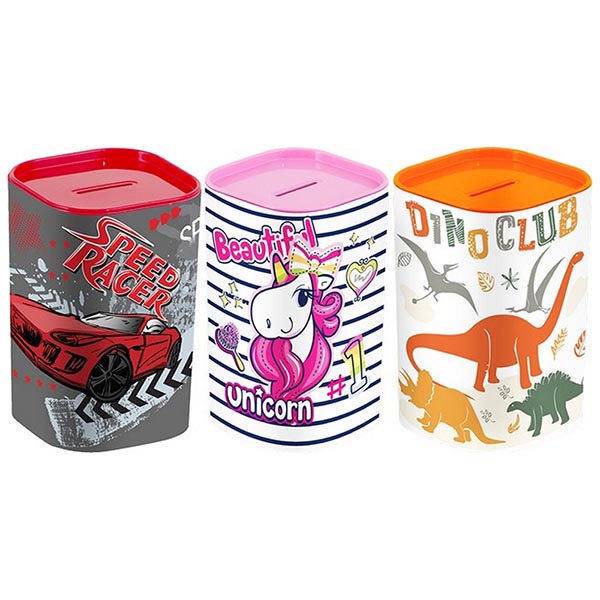
Durable quality for repeated use. Secure savings and protect against theft. Wide range of sizes and styles to suit your needs. Ideal for gifting to children and friends, and effective for promoting commercial brands Reliable direct factory supplier offering high quality at competitive prices.
Read More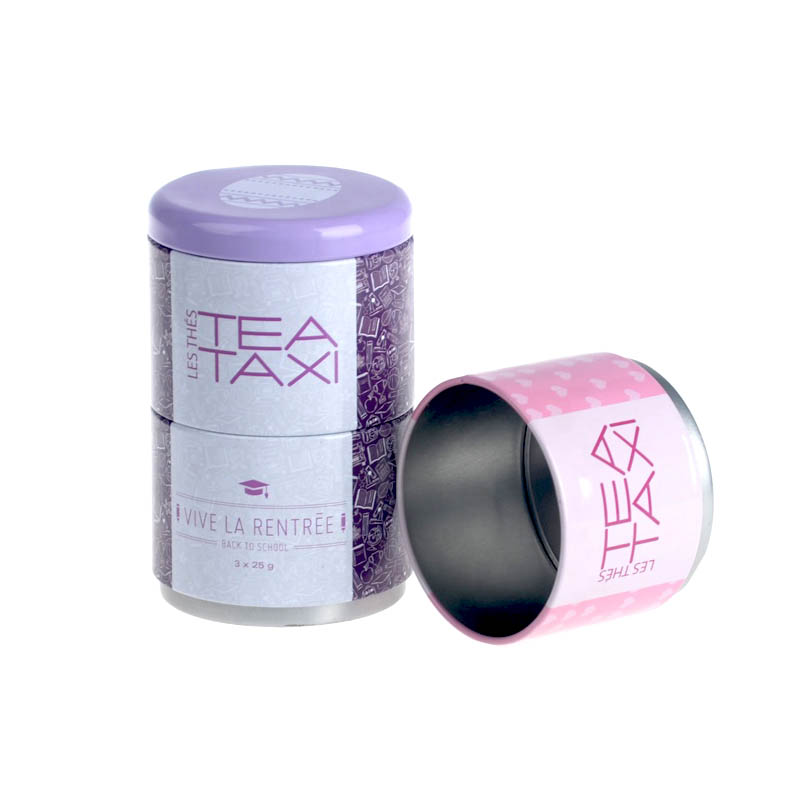
Made with eco-friendly materials that are better for the environment. Customized with your own design or logo which can make them unique. Made from sturdy, food-grade materials that are designed to last for years. Tight-fittinsg lid that ensures your tea stays fresh and flavorful. Variety of sizes, so you can find the perfect one to fit your needs.
Read More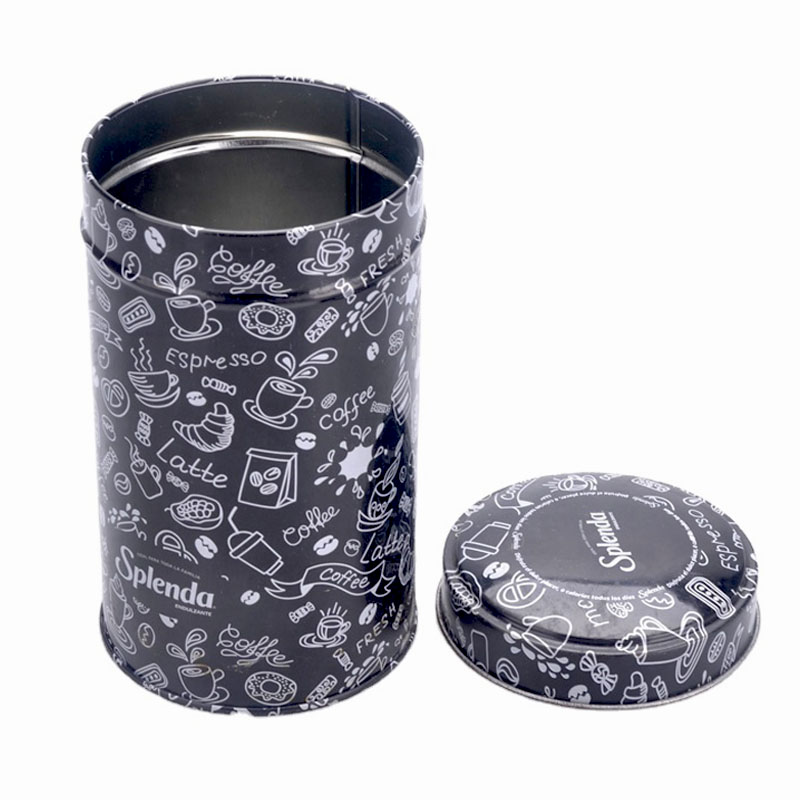
You can choose from our wide range of tea can packaging options to suit your need. Advanced processes can ensure that your tea is properly sealed and stored for an extended period of time. Designed with an airtight seal to keep your tea fresh and flavorful. Variety of sizes to accommodate any amount of tea. Tight-fittinsg lid that ensures your tea stays fresh and flavorful.
Read More
We offer a wide range of tea tin packaging solutions, from timeless classics to contemporary designs, ideal for elevating your brand identity. Using advanced manufacturing techniques, each custom tea tin guarantees superior sealing and long-lasting freshness for your premium teas. Trusted by global tea giants like Lipton, Twinings, and Tetley, we are your dependable tea tin manufacturer with proven quality and service. Every custom printed tea tin is precisely made to combine functionality and brand aesthetics, fulfilling diverse customer requirements. Whether you need wholesale tea tins or exclusive custom designs, we provide flexible solutions to fit different market demands.
Read More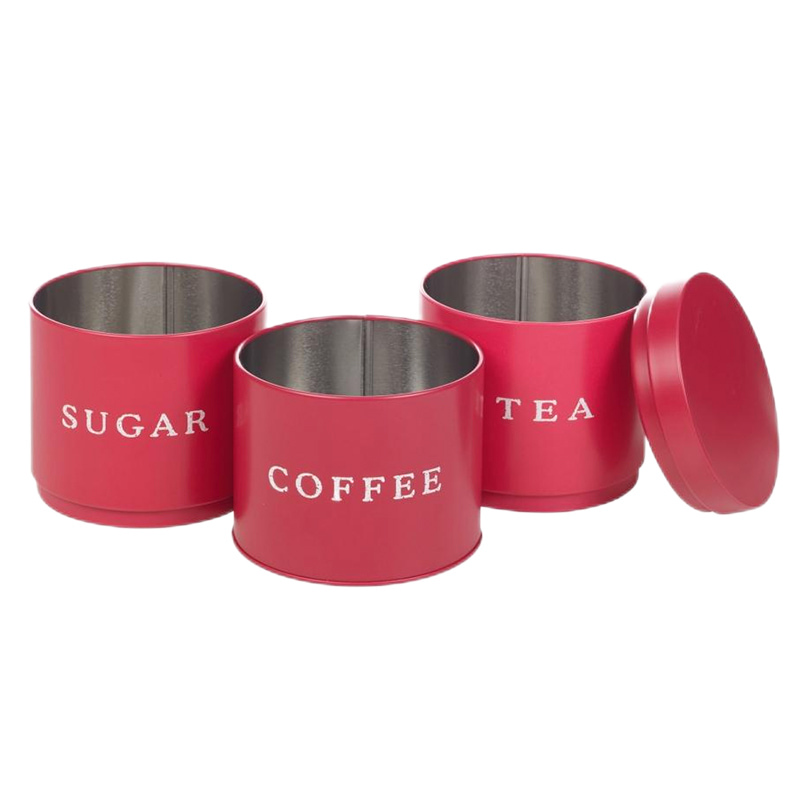
Our custom three-layer stackable tea tin gift set is designed for tea brands, tea factories, importers, distributors and private-label buyers developing premium tea assortments and seasonal gift collections. The packaging consists of three individual cylindrical compartments that connect tightly through an interlocking stacking structure. Each layer can hold a different tea variety, while the upper and lower sections fit together to form one compact vertical tea canister. A removable top lid closes the complete set, and the matching display box keeps the three-layer tea tin organised for retail presentation and gifting.
Read More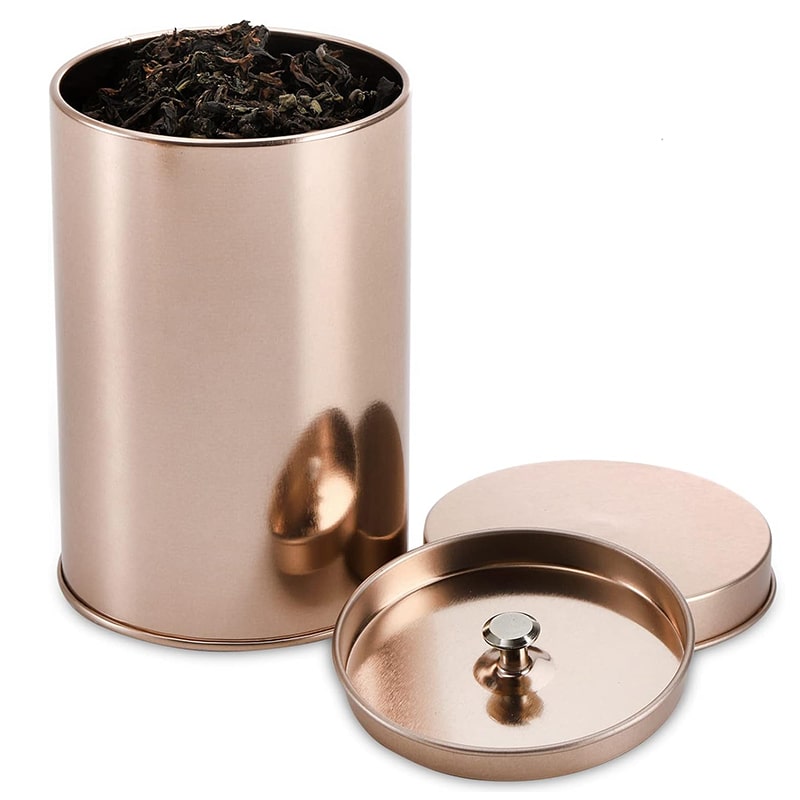
We deliver customized and standard tea tin packaging solutions for all kinds of products. We utilize state-of-the-art methods to preserve the freshness and longevity of your tea. Our tea packaging is used by internationally recognized names like Lipton and Tetley. To ensure your tea's safety, we rely on tinplate materials with FDA certification. Premium tin box finishes are achieved through our professional-grade color printing systems.
Read More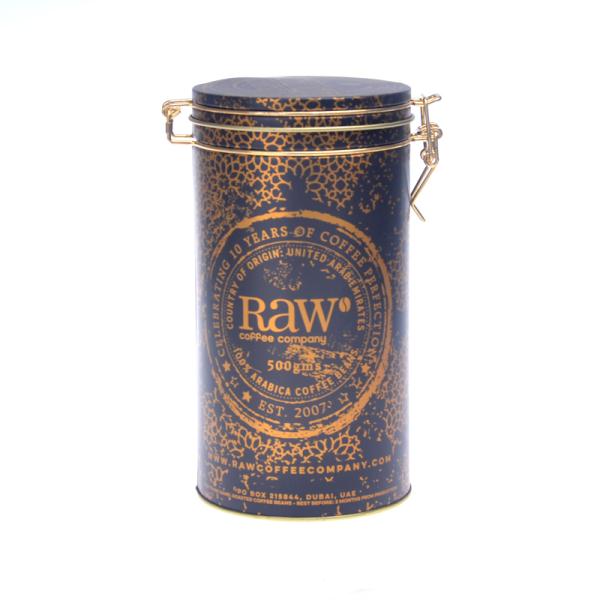
We offer you a variety of coffee tin packaging solutions to choose from. Advanced processes can bring your coffee bean good sealing and long time storage. Lipton, Twinings and Tetley, theses famous tea brands are our loyal customers. FDA approved food grade tinplate can make sure the absolute safety of your coffee packaging. Professional panton and 4-colour printing equipments ensure a high quality presentation of the tin boxes.
Read More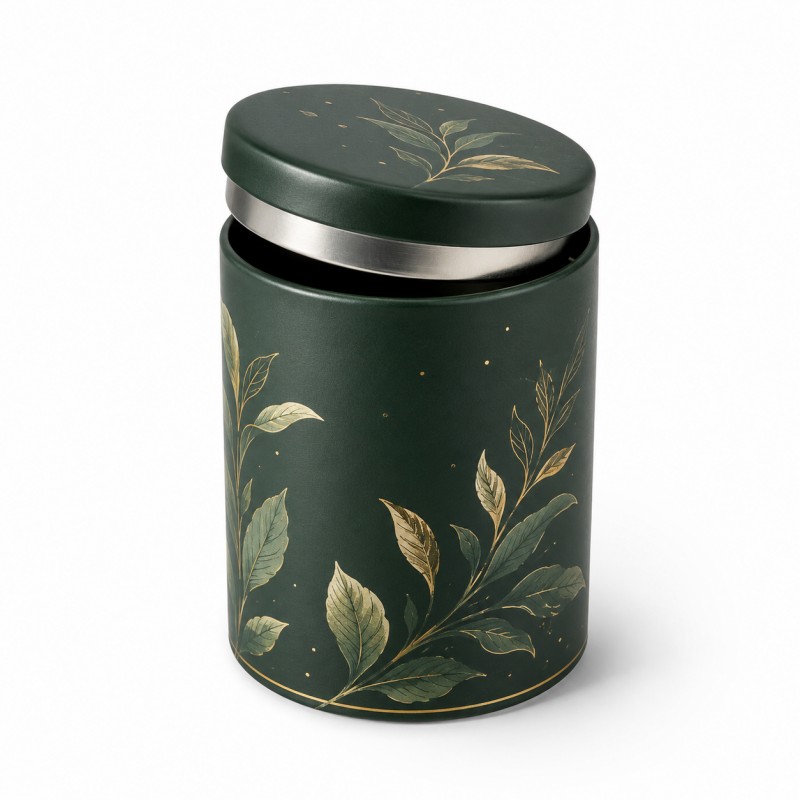
Our custom plug lid tea tin canister is designed for loose leaf tea brands, tea factories, importers, private-label buyers and gift packaging suppliers that need a clean, compact and reusable metal packaging solution. The lid includes an internal plug section that fits into the opening of the tea tin. When fully closed, the outer lid aligns closely with the body, creating a smooth and integrated appearance without a bulky overlapping edge. This structure is suitable for premium loose leaf tea, green tea, black tea, oolong tea, herbal tea and tea gift collections.
Read More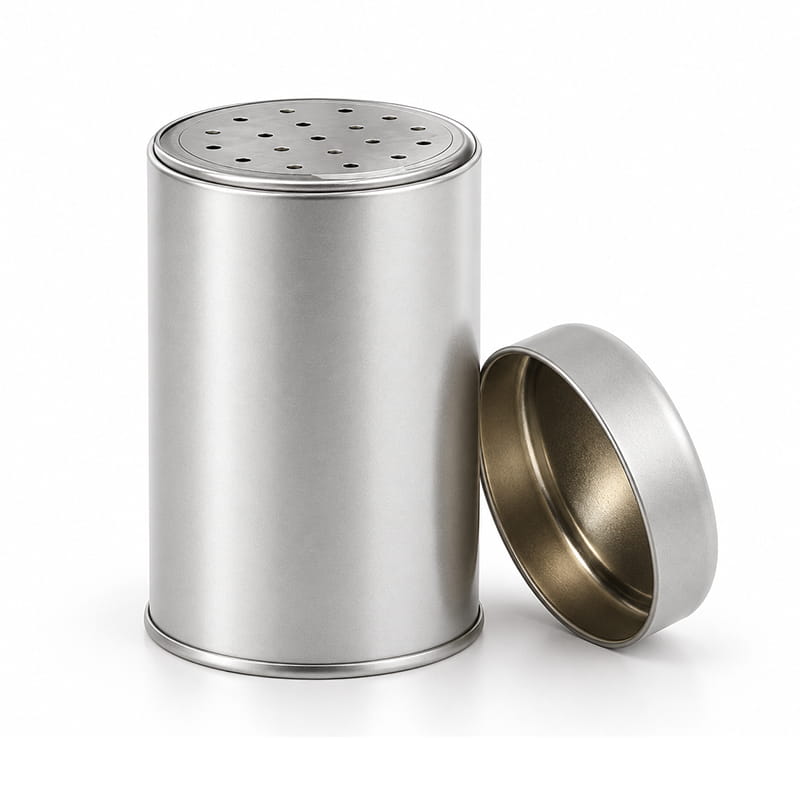
Separate metal shaker insert and slip-on outer cover for dispensing and closing the tin between uses. Compact cylindrical format with a proposed 175 ml capacity for retail seasoning ranges and coordinated gift sets. Hole diameter and pattern selected around the particle size, flow and intended use of your actual seasoning. Custom CMYK or Pantone printing for brand graphics, flavor identification, ingredients, barcodes and other pack information. OEM orders from 5,000 pieces, with the final dimensions, internal coating and packing specification agreed before production.
Read More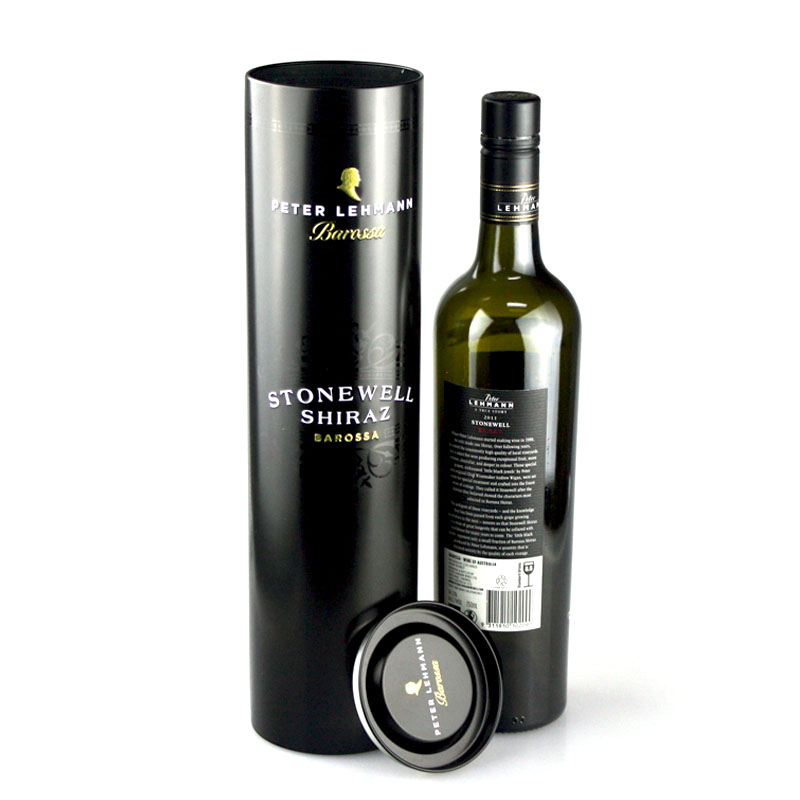
A wine bottle tin should be designed around the bottle rather than around a generic cylinder size. Our custom cylindrical wine and spirits bottle tin cans are developed for wineries, distilleries, beverage brands, importers, promotional gift companies and private label buyers that need a rigid metal presentation package for a single bottle. The tall cylindrical format works particularly well for red wine, whisky, whiskey, vodka, brandy, rum, gin and other premium spirits. The diameter, internal height and lid depth can be adjusted around the actual bottle profile, while the exterior provides a continuous printable surface for vineyard artwork, distillery branding, metallic graphics and embossed logos.
Read More
Sturdy and can be used multiple times. Airtight, maintain and preserve the flavor and aroma of the tea. Variety of sizes and design, effortless to find a tin that perfectly suits your requirements. Versatile and can be used to store a variety of items, including spices, herbs, and other loose leaf teas. Durable and provide excellent protection for your tea, shielding it from moisture, light, and air.
Read MoreGet The Latest Information And Special Offers


 IPv6 network supported
 English
 Français
 Deutsch
 Español
 Português