
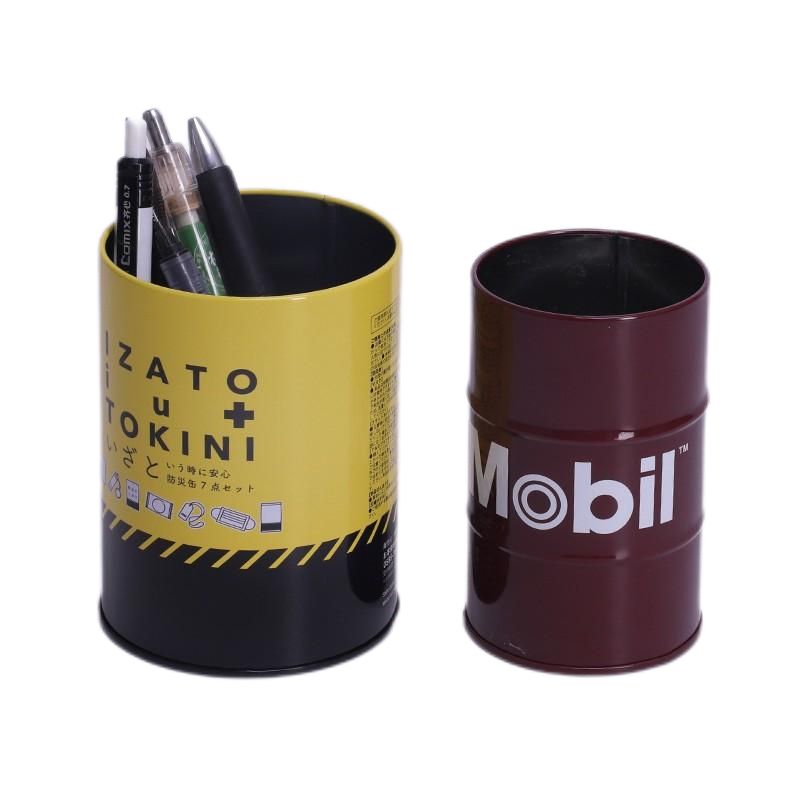
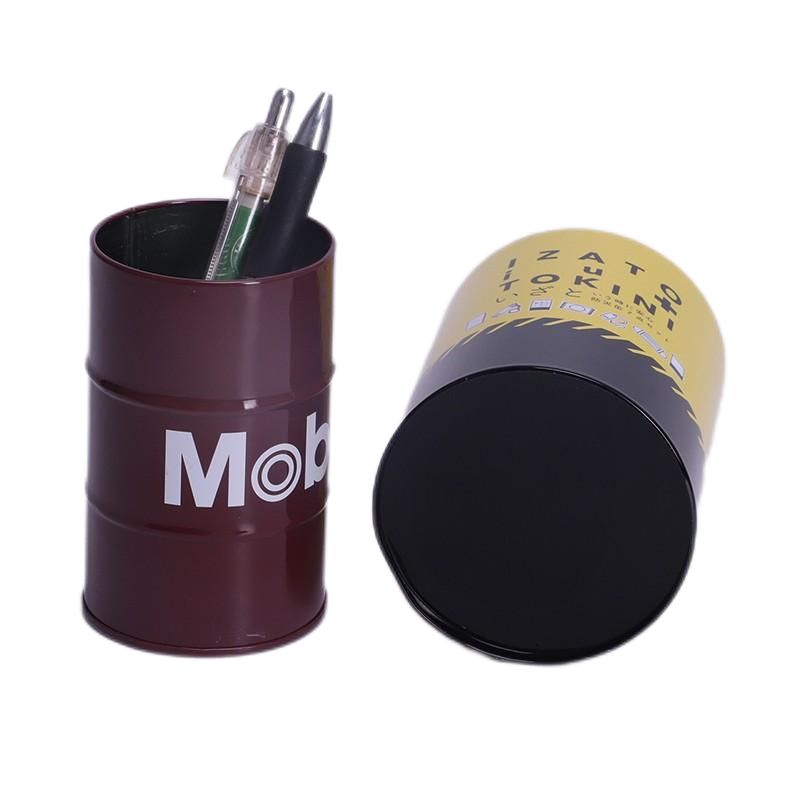
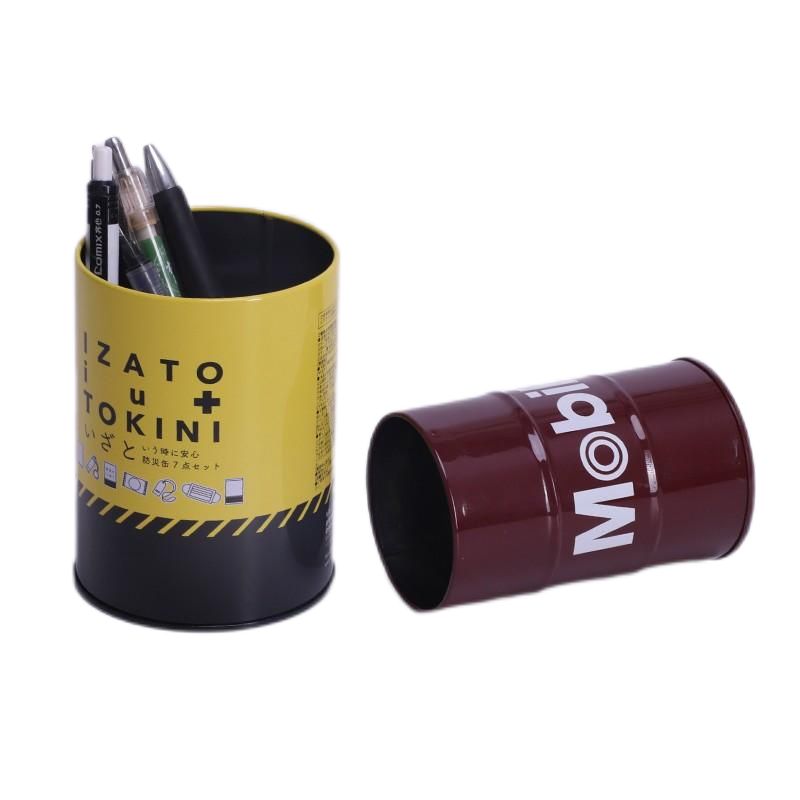
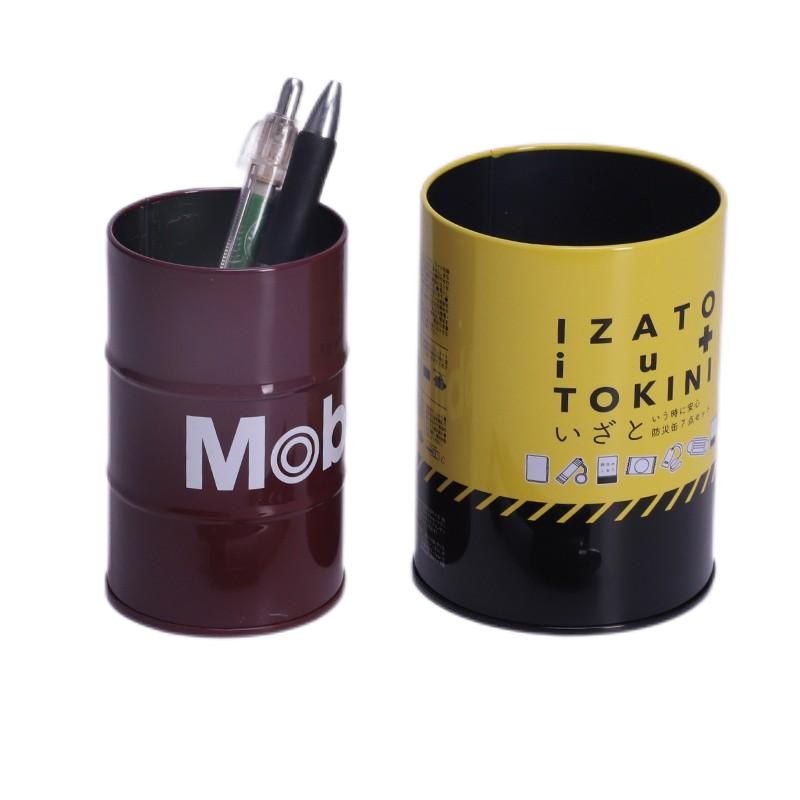
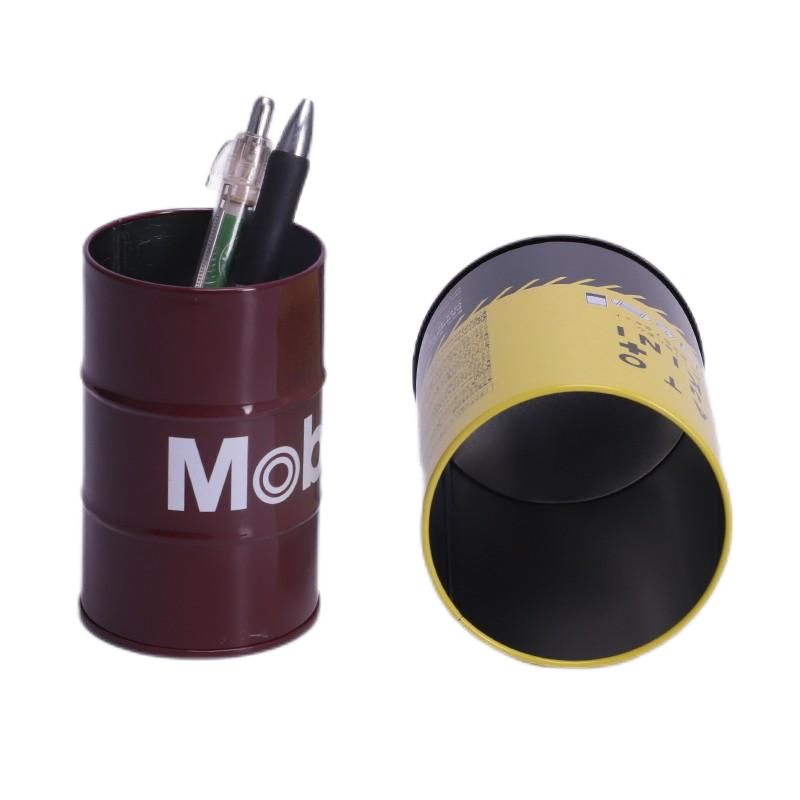
A barrel tin pencil holder is designed for one simple purpose: keeping pens, pencils and small desk tools upright, visible and easy to reach. Unlike a tin pencil case, which is normally closed and carried inside a bag, this product is an open-top desktop organiser intended to remain on a desk, counter or workbench. The barrel or oil-drum inspired body gives the product a stronger industrial character than a conventional stationery cup. Rolled-rim details, cylindrical proportions and custom printed graphics can make the holder look like a miniature drum while still functioning as practical stationery storage.
Product Name :
Barrel tin pencil holder / metal pen potDimensions :
D100*H155mmShape :
Oil drum / drum barrel shapeDesign :
Customizable, ODM / OEMPrinting :
Offset (CMYK) / UV / PantoneSurface Finish :
Matte / Glossy / EmbossingMaterial :
0.23 mm Food-Grade Tinplate0.23 mm Food-Grade TinplateMOQ :
5,000 pcs per designLead Time :
35 DaysPackaging :
Opp Bag + Master Carton
These two products belong to the broader stationery-storage category, but they should not be treated as the same product.
A tin pencil holder normally:
A pencil case normally uses a lid or other closure, stores stationery horizontally and is designed more around carrying and enclosed storage.
For SEO and product development, we therefore treat the tin pencil cup as its own product type rather than simply calling every cylindrical stationery tin a pencil case.
A convincing oil drum tin pen holder depends on proportion and forming details as well as artwork.
The cylindrical body can be developed with visual features that reference an industrial drum, such as horizontal rib-style details, a defined upper rim or printed bands around the body.
The exact structure depends on the selected mould, but the design goal is usually to create a recognisable barrel character without reducing the practical opening area needed for stationery.
This makes the product suitable for:
The internal dimensions should be selected around the stationery rather than around an arbitrary catalogue size.
Most pens and pencils are relatively long and narrow, but a desk organiser may also need to hold:
If the holder is too shallow, taller items may lean excessively or fall out easily. If it is unnecessarily deep, short stationery can become inconvenient to retrieve.
For an ODM project, telling us what the holder needs to contain is often more useful than simply requesting a “standard pen pot”.
A wider metal pen holder can accommodate more stationery, but it also occupies more desk area.
This creates a practical balance between internal capacity and footprint.
A compact diameter may suit individual desk use, while a larger drum-style holder can work better for shared workspaces, counters or promotional display areas.
When selecting a diameter, consider:
The largest possible diameter is not automatically the most useful one.
The height of a tin can pencil holder should support the stationery without hiding too much of it.
For ordinary pens and pencils, part of each item should remain clearly visible above the rim so users can identify and remove it quickly.
A taller barrel can provide more vertical branding space, but excessive height can make shorter stationery difficult to retrieve.
This means diameter and height should be selected together rather than independently.
Pencils are light, but the mix of objects placed inside a desk holder can change the centre of gravity.
Several heavy markers, scissors or tools can make a narrow, tall container easier to tip.
For this reason, the design should consider:
A good tin can pen holder should remain stable during normal desk use, not simply look proportionally attractive when empty.
Users reach into a pencil holder repeatedly throughout the day.
That makes the upper metal edge particularly important.
The opening should use an appropriate finished rim structure so normal hand contact is considered during product development and inspection.
Typical quality points around the opening include:
If the product is specifically intended for children or school use, the target age group and destination-market requirements should also be identified before production.
The defining characteristic of this product is that users do not need to remove a lid whenever they want a pen.
This open-top format makes the holder particularly suitable for:
Because the product remains open, it should be viewed as a desktop organiser rather than a sealed storage container.
This distinction is important when comparing an oil drum shape pencil holder with a closed round pencil tin used as a carrying case.
A cylindrical pen pot does not have one permanently fixed front side.
The artwork can wrap around the body so the branding remains visible from several viewing directions.
This is particularly useful for promotional desk products because the holder may be rotated during everyday use.
The body can be visually divided into:
A repeated logo or pattern can also be used when there is no single required viewing direction.
The drum barrel shape tin pen holder naturally supports graphics that would look less convincing on an ordinary stationery cup.
Examples include:
Where safety symbols or hazard-style graphics are used decoratively, the design should avoid creating misleading information about the actual contents or function of the product.
The barrel structure does not restrict the product to industrial brands.
The same pencil tin holder can be redesigned using:
This allows one existing cylindrical structure to serve very different retail and promotional markets.
One useful design approach is to treat the upper and lower drum-style bands as natural borders around the artwork.
The centre body can carry the main graphic while the upper and lower zones remain simpler.
This creates a strong visual hierarchy and reduces the risk of important text being placed too close to forming areas.
For example:
This structure is especially effective when the product is intended to resemble a miniature oil barrel.
Custom tinplate is printed before the cylindrical body is formed.
That means the body seam should be considered during artwork preparation.
Critical elements should normally be positioned away from the joining area, including:
Repeating patterns can be more forgiving near the seam, while key brand information should remain within a controlled visual area.
The metal body can be developed around the required brand style using options such as:
For a realistic oil-drum look, printing can work together with physical forming details rather than relying entirely on a flat graphic.
Promotional desk products are different from flyers or disposable giveaway packaging because they may remain visible for months or years.
A branded metal pen holder can sit on a customer's desk while being used every day.
This makes the barrel format relevant for:
The usefulness of the product can help the branding remain visible long after the original promotion has ended.
Although the primary use is stationery storage, buyers may design the same structure for other small desktop items.
Depending on the diameter and height, possible uses can include:
The product should still be marketed according to its intended use, but this versatility can be useful when developing a coordinated promotional range.
Metal pens, scissors and other stationery can contact the bottom repeatedly during use.
If reducing noise or surface contact is important to the project, an additional internal or bottom component may be considered separately according to the required construction.
For example, buyers may discuss a fitted pad or other insert where appropriate.
This is not automatically included in every tin pencil cup, so it should be specified during quotation if required.
A single existing oil drum tin pen holder structure can be used across several printed designs.
For example, one corporate programme could create:
The physical dimensions remain the same while the printing changes.
This can simplify carton planning and product consistency across a broader promotional range.
Each printed artwork should still be planned separately for production. Standard MOQ is 5,000 pieces per design.
An OEM pencil tin project may begin with an existing product, dimensional drawing or defined barrel style.
We can review:
If an existing mould already matches the target dimensions closely, it may provide a more efficient production route.
An ODM buyer does not necessarily need to know the final dimensions.
You can begin with information such as:
From there, suitable existing cylindrical structures can be reviewed before custom tooling is considered.
The most important inspection points reflect the way the product is actually used on a desk.
Typical checks include:
If the project has a specific dimensional or repeated-use requirement, it should be identified before the sample is approved.
For this product, the most useful starting information is what needs to stand inside the holder and how the barrel should look on the desk.
Please provide:
If dimensions are still undecided, send the intended use, approximate desk size and reference appearance first. We can review suitable existing structures before discussing new tooling.
No. A tin pencil holder is normally an open-top vertical desk organiser. A pencil case is usually a closed container intended for carrying stationery. They belong to the same broad stationery category but serve different uses.
Yes. Barrel-style proportions, printed graphics and selected forming details can be combined to create an oil-drum inspired appearance.
Yes, provided the selected diameter and height are suitable for the intended contents.
Yes. Cylindrical artwork can continue around the body, although the vertical seam and forming areas should be considered when positioning important graphics.
Additional internal components can be discussed where required. They are not automatically included in every pencil holder specification.
Yes. One metal structure can support multiple printed artworks for promotional or retail collections. Each design should be planned separately for MOQ and production.
Yes. Existing moulds are normally reviewed first. New tooling can be considered when a proprietary size or barrel proportion is commercially necessary.
Standard custom production starts from 5,000 pieces per design.
Start with the desk use rather than the catalogue size. Tell us what needs to fit inside, how much desk space the product can occupy and how strongly you want the finished holder to resemble an industrial barrel.
From there, we can review suitable cylindrical moulds, barrel-forming details, printable areas and the most practical diameter-to-height ratio before sample production.
Standard OEM and ODM production starts from 5,000 pieces per design.
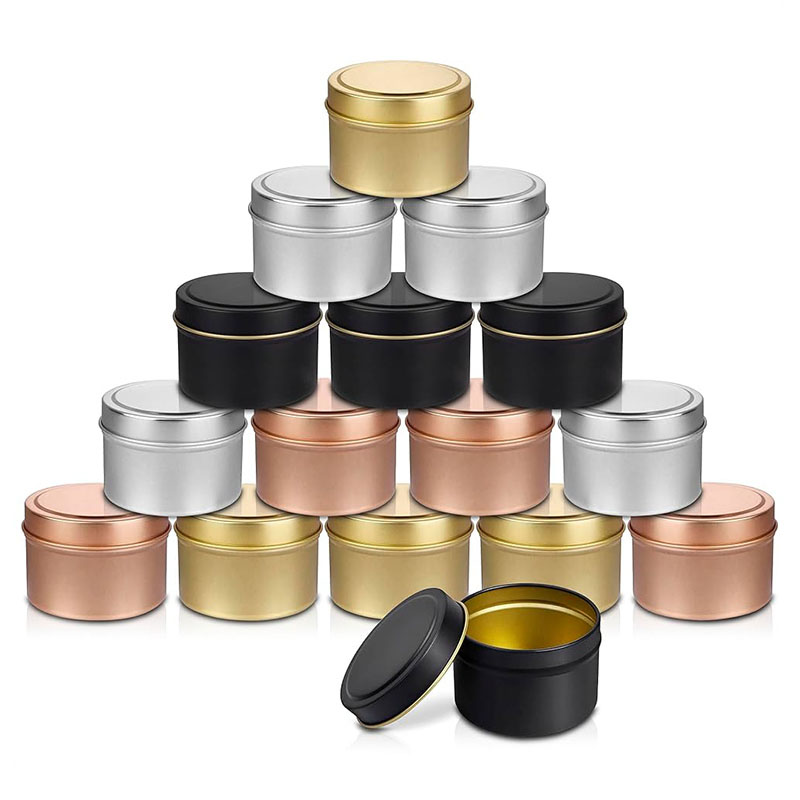
An excellent option for businesses with limited storage area, it can be effortlessly stacked and stored. Affordable and practical option, making it ideal for cost-conscious businesses. Numerous enduring collaborations, such as those with the Jo Malone, Voluspa, Diptyque. Recyclable materials makes it a sustainable option for businesses, promoting environmental consciousness. Lightweight and durable, low cost make this perfect for commercial shipping.
Read More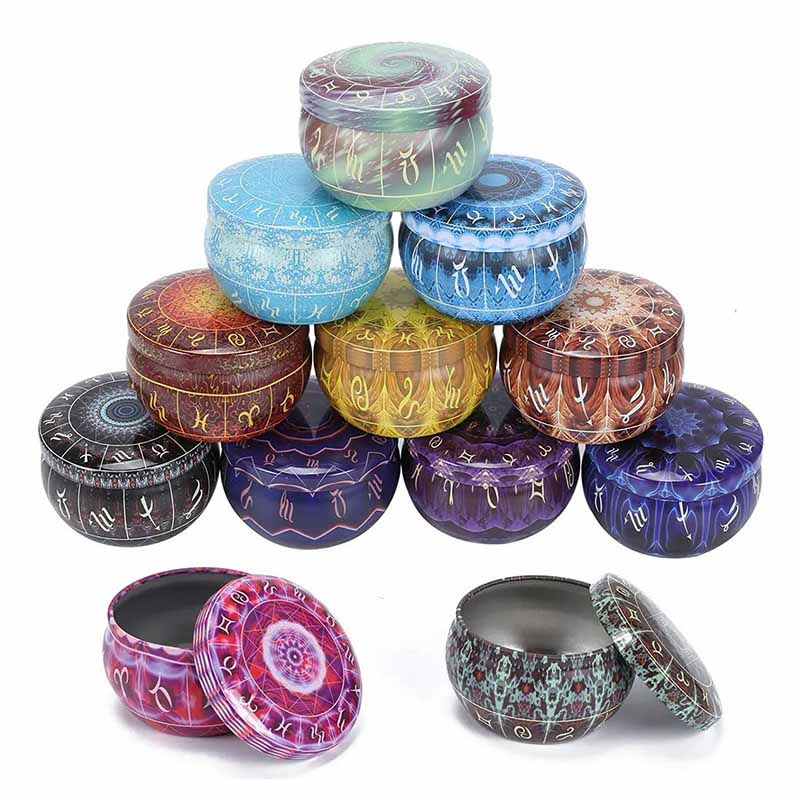
The ability to customize candle tins provides a one-of-a-kind and personalized choice. Candle tins are a flexible packaging option that is suitable for votives, tea lights, and pillar candles. The easy-to-pack and transport design of candle tins makes them a practical choice for travel and camping. By being airtight, candle tins help to retain the fragrance and keep it fresh for an extended period. Provides a barrier against moisture, dust, and other environmental factors, preserving the candle's integrity.
Read More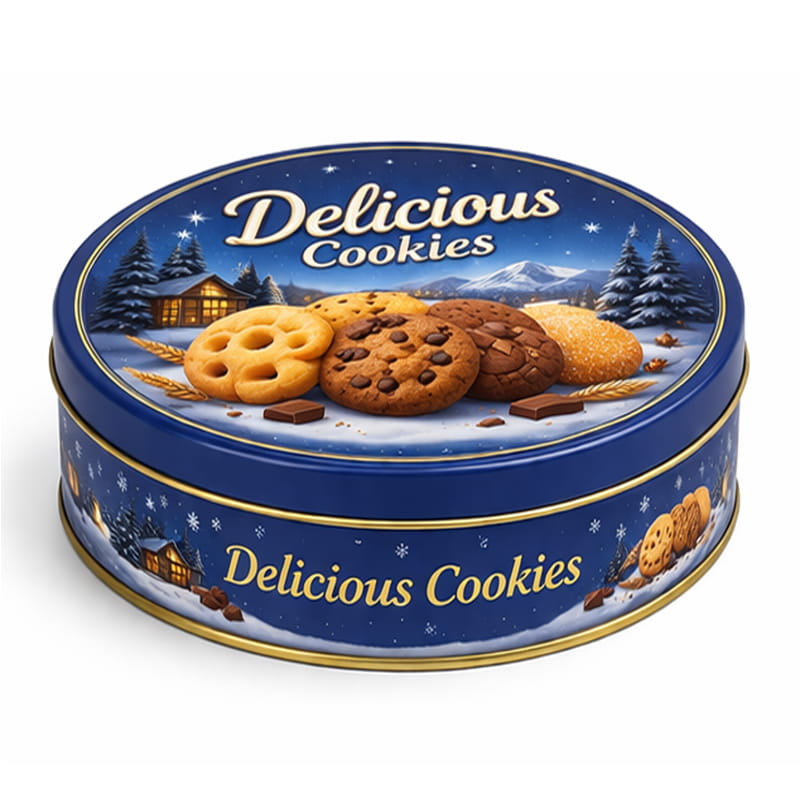
This round cookie tin is designed for brands that need the classic visual language of a Dutch or Danish butter cookie tin, but with modern OEM / ODM flexibility for retail, gifting, and export. As a biscuit tin manufacturer in China, Jinyu supports round biscuit tin box projects for butter cookies, assorted biscuits, cookies in tin box gift packs, and premium food packaging lines that need stronger shelf appeal and reusable value.
Read More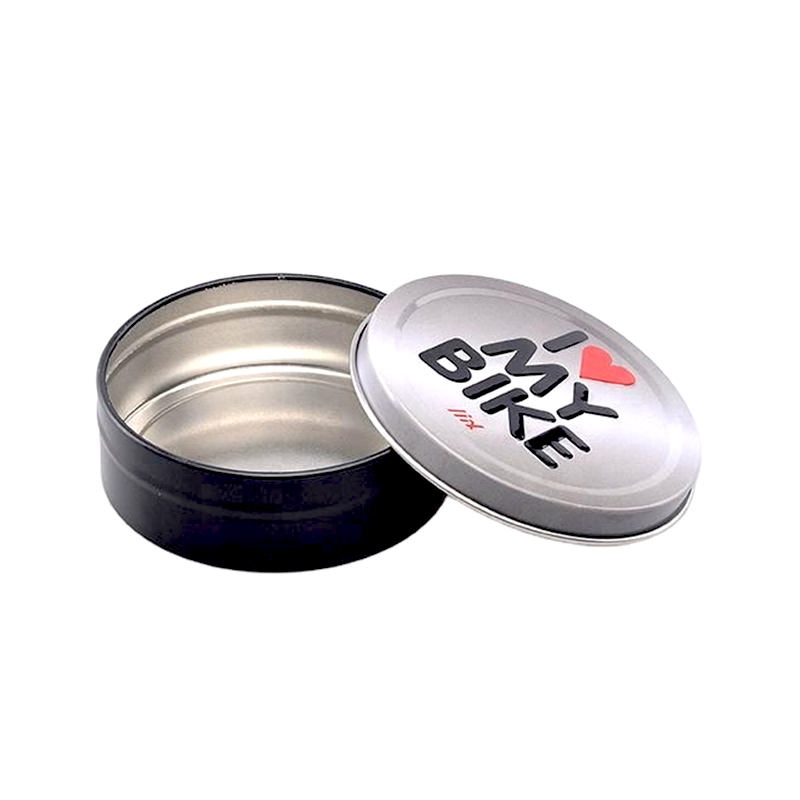
custom round metal cosmetic tin cans are designed for beauty brands, skincare companies, perfume makers, private label suppliers, and cosmetic packaging distributors looking for compact, durable, and visually appealing metal containers for solid beauty products. This series includes customized round tin containers for solid perfume, lip balm, wax cream, balm products, skincare samples, and other small-format cosmetic applications. With flexible printing, finishing, and branding options, these metal cosmetic tins help brands create a premium shelf appearance while providing a practical reusable package.
Read More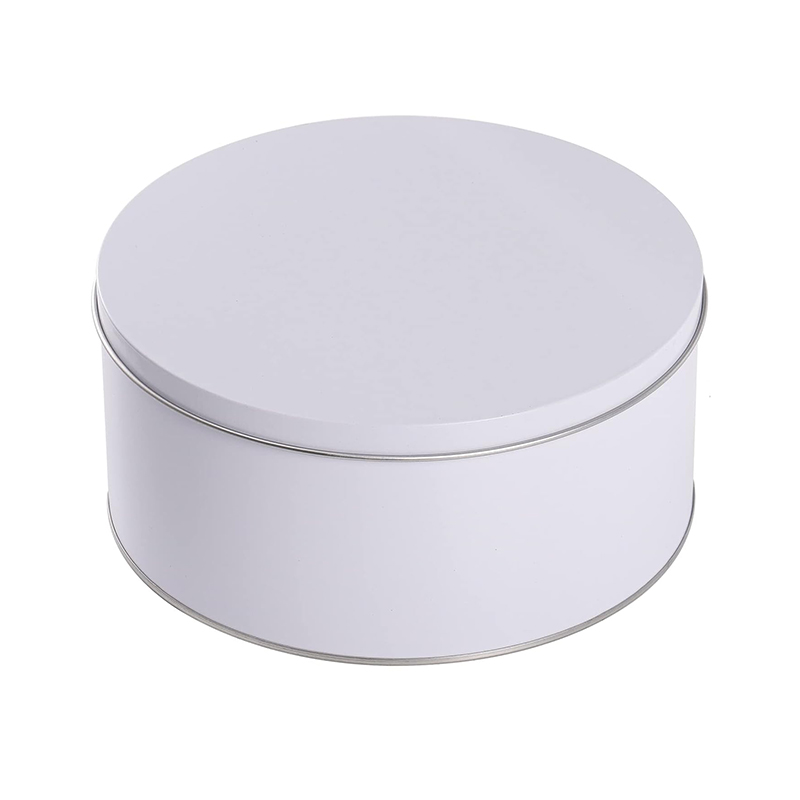
This food grade personalised biscuit tin is designed for cookies, biscuits, butter cookies and bakery gift assortments. Its wide lid, low round body and printable tinplate surface make it suitable for retail biscuit packaging, seasonal gift boxes, reusable storage and wholesale projects, with custom artwork, CMYK or Pantone printing, food-contact material options, inner packing and export carton support from JINYU.
Read More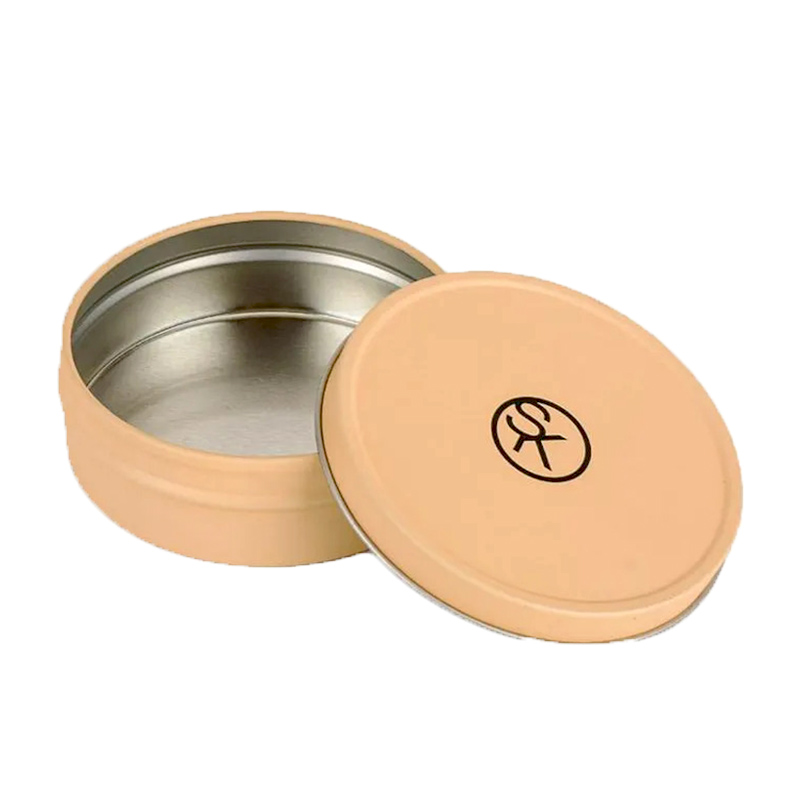
Small-format skincare products require packaging that is practical, portable, and visually consistent with the brand image. This round flat seamless cosmetic tin case is developed for beauty brands, skincare manufacturers, and private label companies looking for compact metal packaging for facial creams, lip balms, solid balms, and travel-size cosmetic products. Featuring a low-profile round design and seamless metal construction, this cosmetic tin jar provides a clean appearance and a premium alternative for brands that want to move beyond conventional plastic containers.
Read More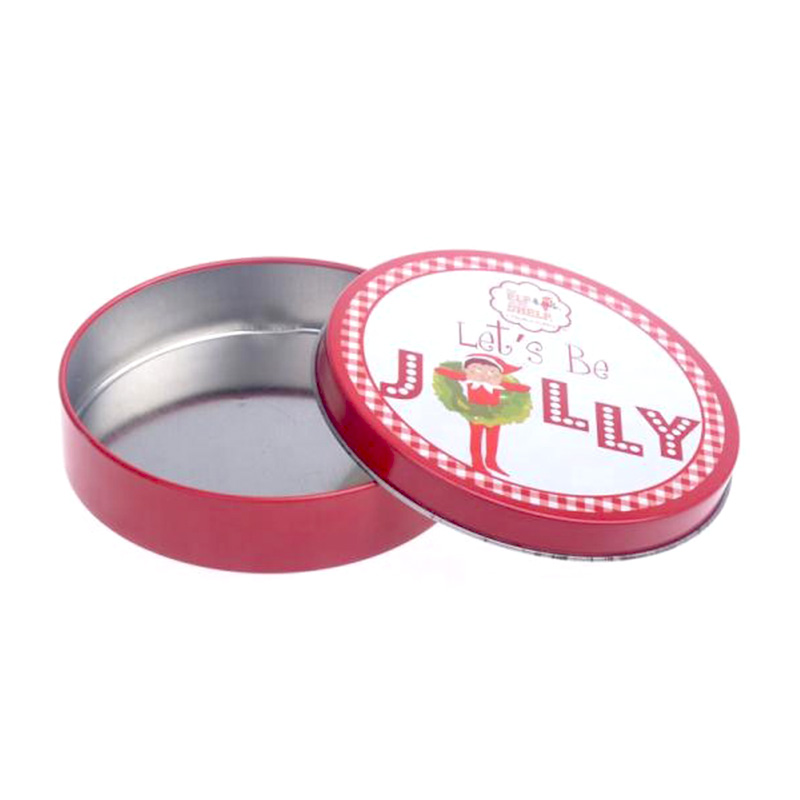
Durable and can be reused multiple times. Airtight, which helps to preserve the flavor and aroma of the tea. Variety of sizes and styles, making it easy to find one to fit your needs. Used to store other items such as spices, herbs, and other loose leaf teas. Highly durable and can protect your tea from moareture, light, and air.
Read More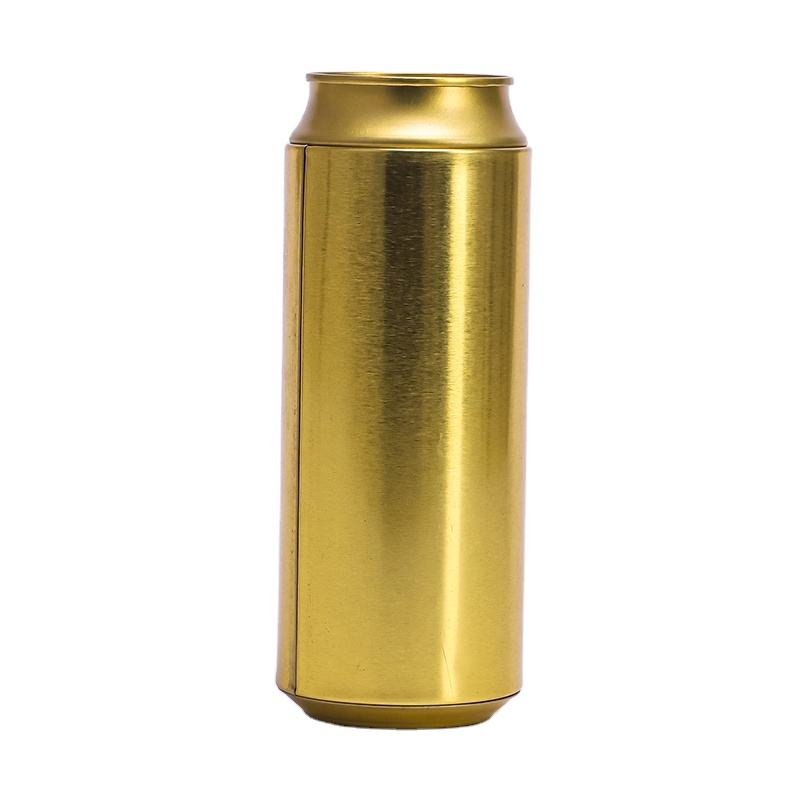
A personalized beer bottle shape coin tin turns an everyday money-saving product into a more distinctive display item. Instead of using a conventional round or square money box, the metal body follows a bottle-inspired silhouette, giving brands more opportunity to combine saving function with novelty packaging and promotional design. This type of money saving tin bank can be developed for promotional programmes, gift ranges, branded merchandise, retail collections and themed savings products. Custom printing allows the bottle-shaped surface to carry logos, labels, decorative graphics or campaign artwork directly on the metal.
Read More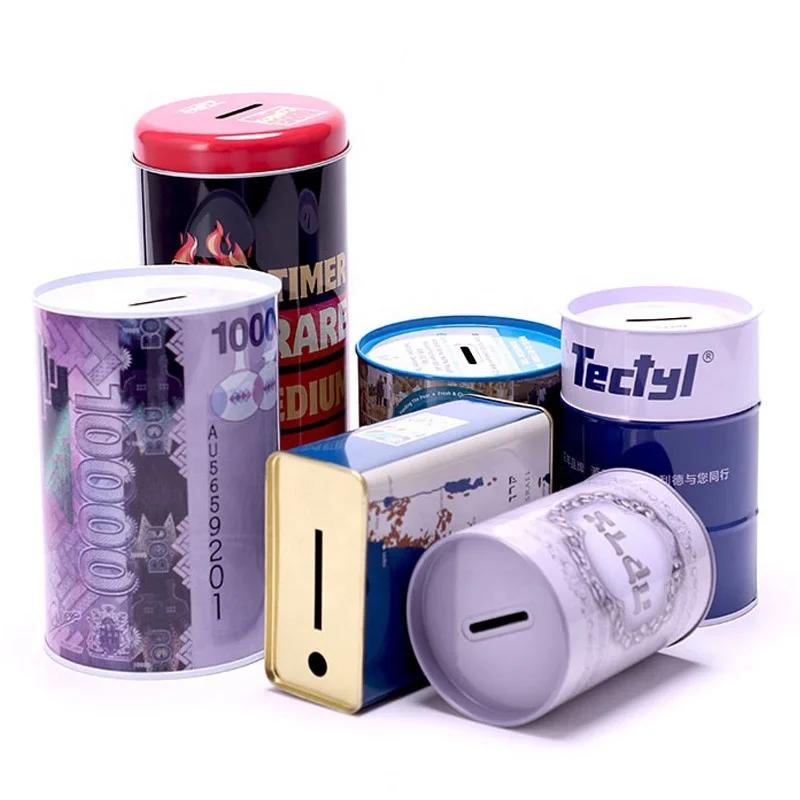
Looking for a durable tin bank, tin coin bank, or custom coin bank for retail, gifts, promotions, or children’s savings products? We manufacture custom metal coin banks, tin money boxes, and tin can money box styles in round, square, rectangular, and custom shapes. From a classic tin can piggy bank to a premium metal money bank with a reusable lid, we help brands create practical, eye-catching money-saving packaging with factory-direct support.
Read More
Durable and can be reused multiple times. Airtight, which helps to preserve the flavor and aroma of the tea. Variety of sizes and styles, making it easy to find one to fit your needs. Used to store other items such as spices, herbs, and other loose leaf teas. Highly durable and can protect your tea from moareture, light, and air.
Read More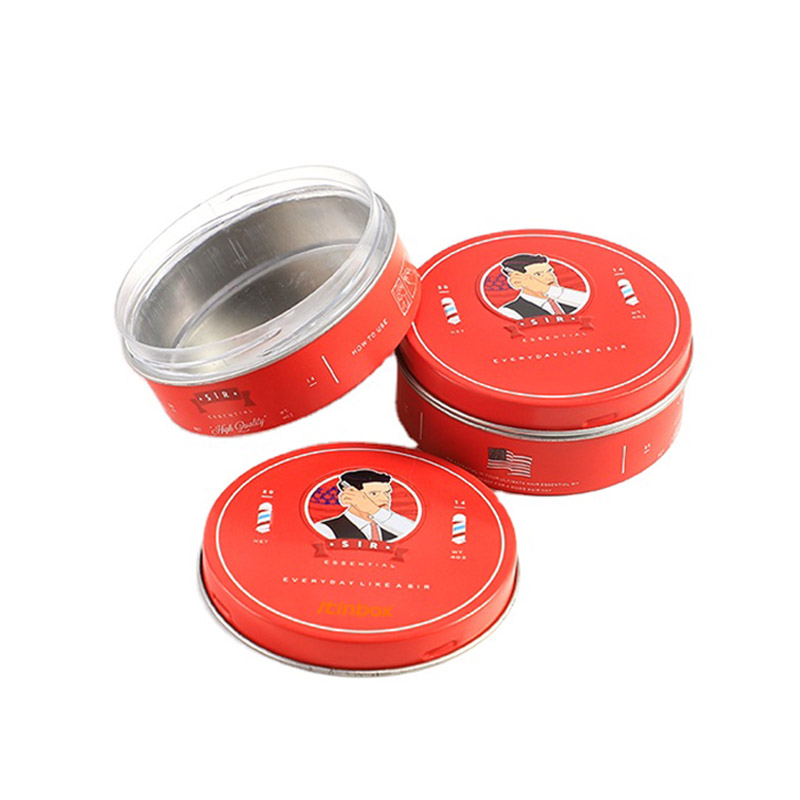
Hair styling products require packaging that combines durability, easy application, and strong brand presentation. This custom hair pomade tin can is designed for hair wax brands, grooming product manufacturers, barber brands, and private label cosmetic companies looking for practical packaging solutions for pomade, styling wax, clay, and cream-based hair products. Featuring a metal outer tin structure combined with an inner plastic container and screw lid design, this packaging format provides a premium appearance while supporting convenient filling, storage, and daily use.
Read More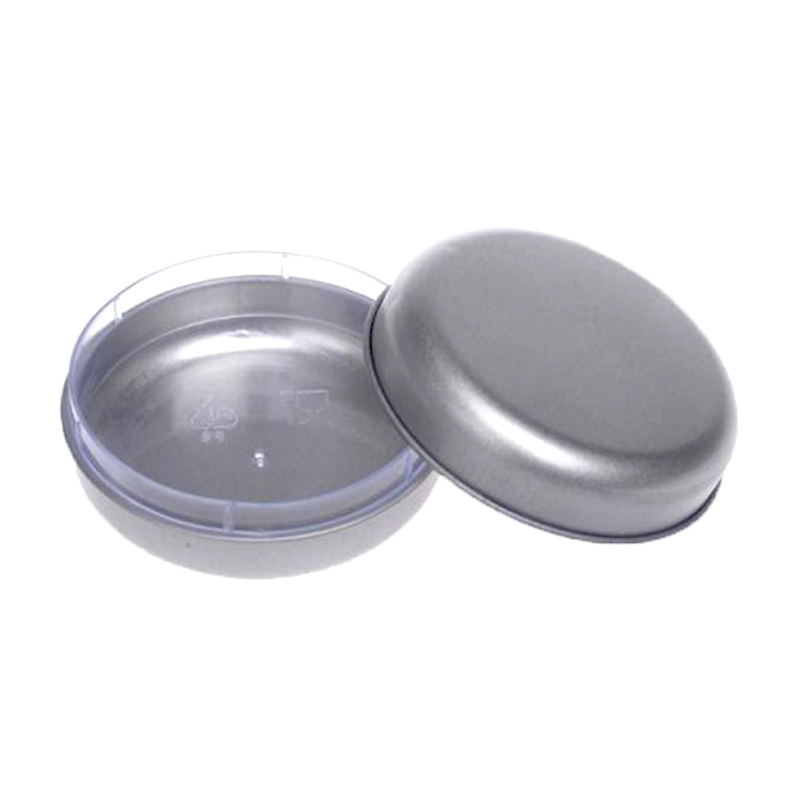
Durable and can be reused multiple times. Airtight, which helps to preserve the flavor and aroma of the tea. Variety of sizes and styles, making it easy to find one to fit your needs. Used to store other items such as spices, herbs, and other loose leaf teas. Highly durable and can protect your tea from moareture, light, and air.
Read More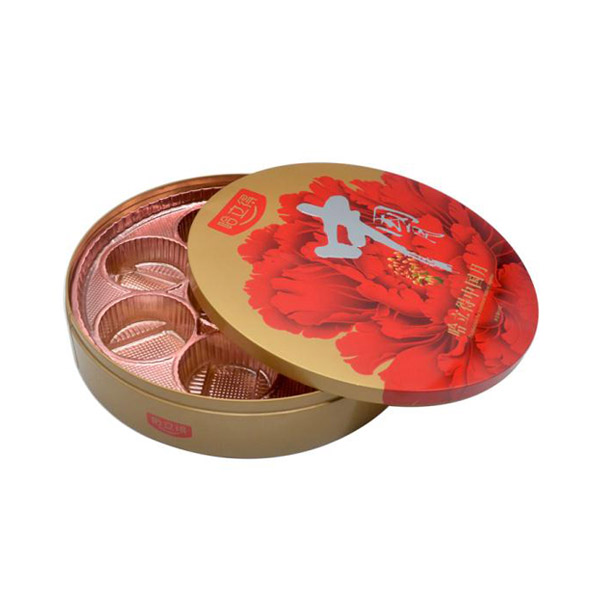
This custom embossed logo round chocolate tin with PVC lining is designed for chocolate gifts, pralines, truffles, cookies, candy and seasonal confectionery packaging that needs a reusable metal container with a premium branded finish. The round food-grade tinplate structure, embossed logo option, PVC lining, clear window and handle options make it suitable for custom chocolate tin projects, chocolate tin wholesale, printed chocolate tins, personalised chocolate tin packaging and chocolate tin gift programs for retail brands, distributors and private-label buyers.
Read More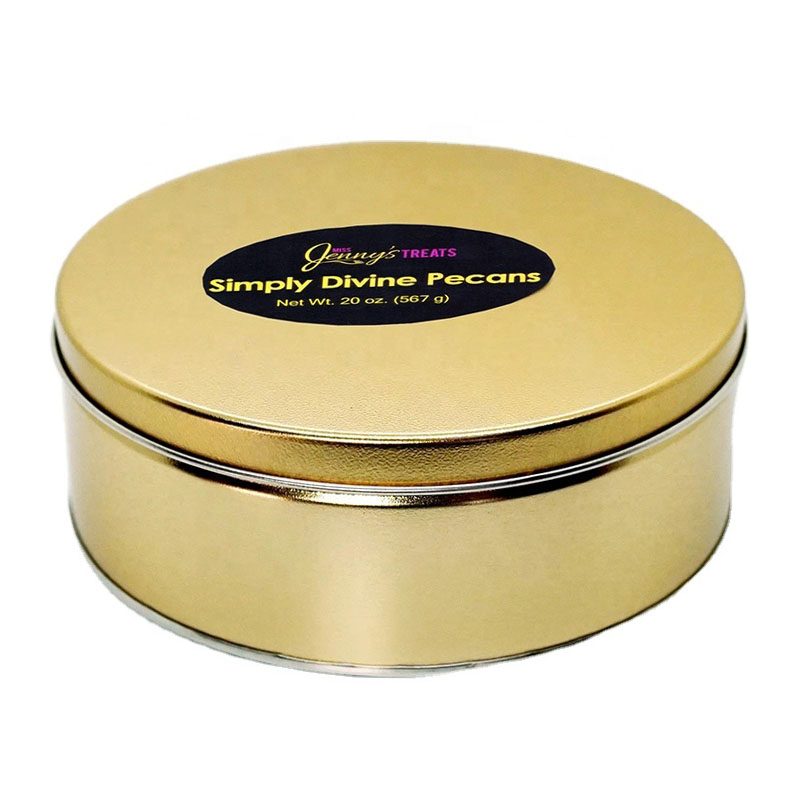
Dream cake tins are metal containers for presenting and serving layered desserts, including chocolate cakes, brownies and bakery gift assortments. The reference round design measures 220 mm in diameter and 70 mm high; cake layers, toppings and lid clearance determine usable capacity. Inner coatings, liners or food-contact paper should be selected for the recipe, especially when cream, chocolate, butter or moisture contacts the packaging. Cake boards, trays and dividers help stabilize cakes or cookie assortments, while lid fit and refrigeration requirements should match the intended food. Custom printing, metallic colours, matte or glossy finishes and embossed logos allow coordinated branding on the lid and sidewall. For Jinyu orders, the standard minimum is 5,000 pieces per design; confirm product dimensions, food-contact requirements, artwork and delivery timing before production.
Read More
This custom coffee capsule tin case is developed for coffee roasters, capsule coffee brands, hospitality suppliers, retailers, importers and private-label buyers creating organised coffee pod collections and premium gift packaging. Unlike a standard coffee bean canister, this product is designed around the number, diameter and arrangement of individually sealed coffee capsules. A fitted insert holds each pod in position, while the printed metal case provides protection, brand presentation and reusable storage value.
Read More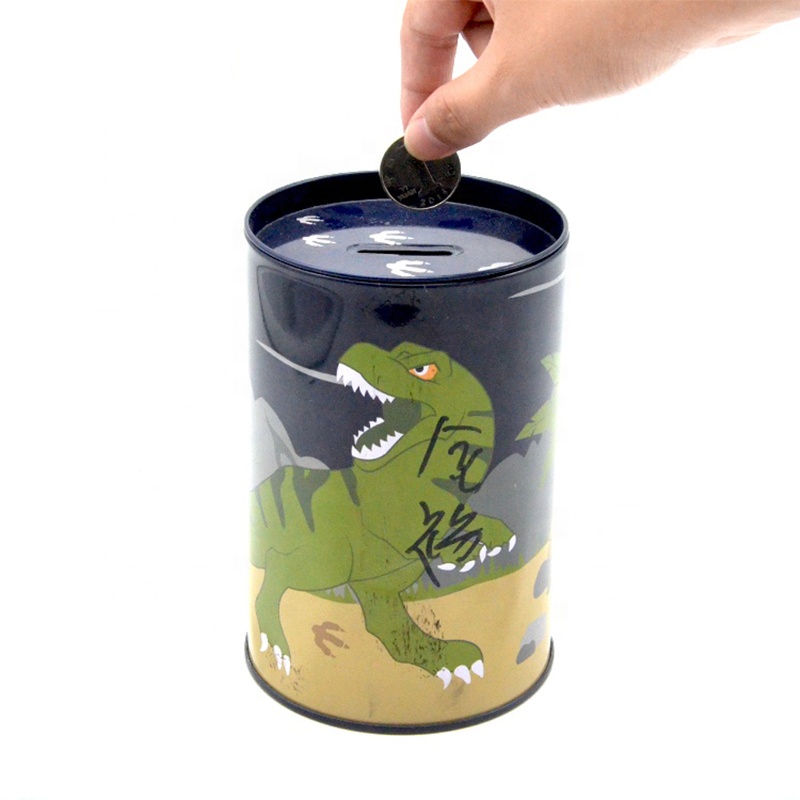
A cute kids metal money box can be more than a container for loose change. For a child, it can become the first place where small savings feel visible, personal and connected to a goal. That makes the design priorities different from those of an adult money collection tin. Size, artwork, opening method, slot dimensions, visual ownership and gift presentation all influence how the finished product is experienced.
Read More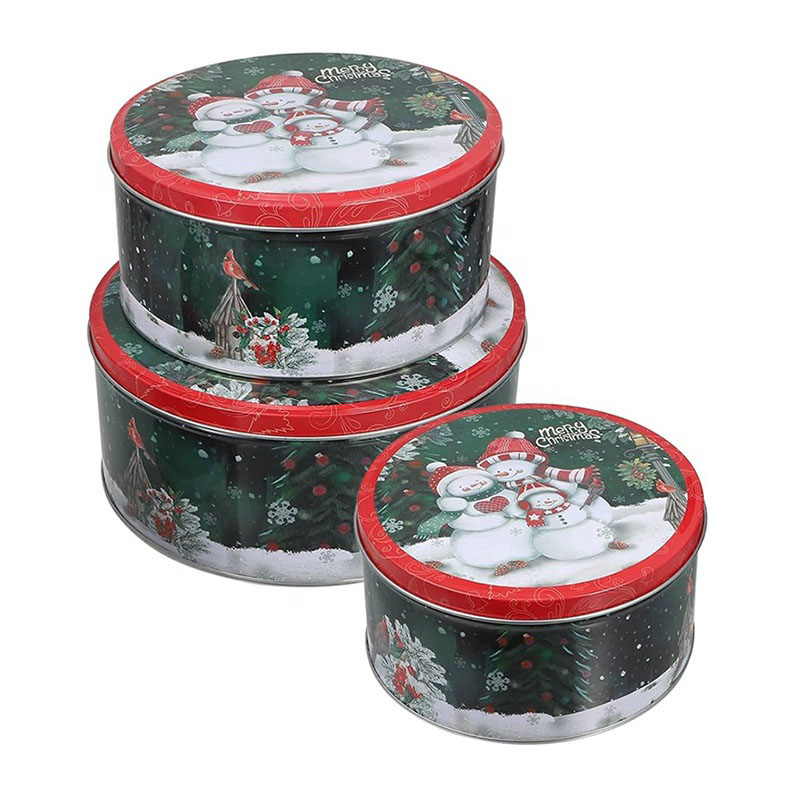
Round holiday cookie tins are reusable tinplate containers for Christmas and Thanksgiving biscuit assortments, chocolates, candies and corporate food gifts. Reference dimensions are 220 mm in diameter and 70 mm high; actual fill capacity depends on cookie size, layout and inserts. Cookie count, layer height and inner packing should be tested together; paper cups or dividers help organize mixed shapes and textures. CMYK or Pantone printing, matte or glossy finishes and embossing can coordinate festive artwork across the lid and sidewall. Empty tins support local filling by bakeries and co-packers; food-contact coatings, liners and protective shipping cartons should match the intended application. For Jinyu orders, the standard minimum is 5,000 pieces per design; approve samples and schedule production and shipping before the seasonal launch.
Read More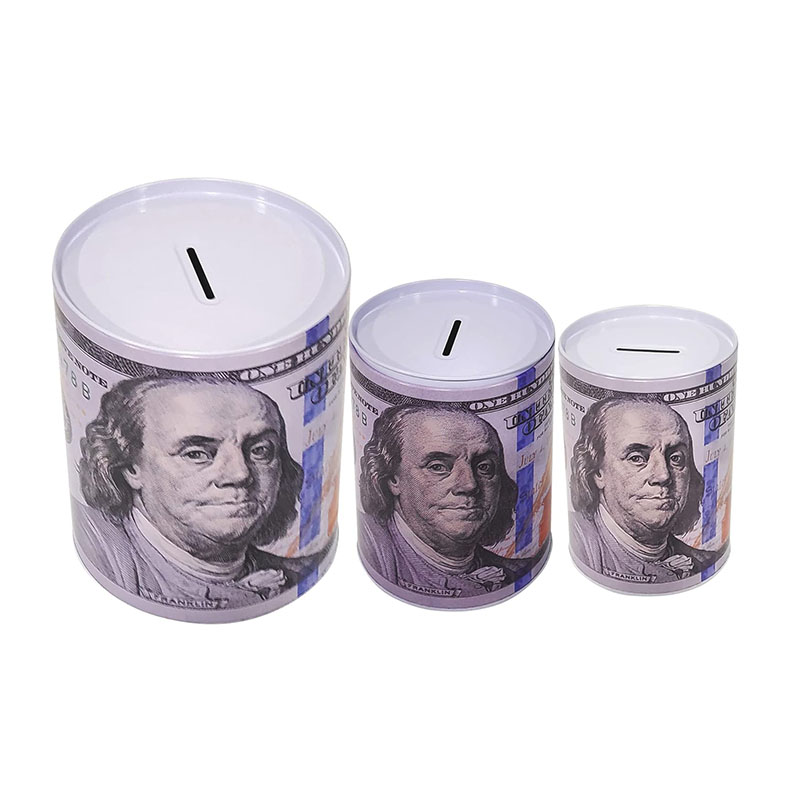
An OEM ODM tin can piggy bank designed for both coins and folded bills needs more planning than a standard coin-only money box. The opening has to accommodate different types of money, the internal volume must remain practical as coins add weight, and the retrieval structure should match the intended saving behaviour. For wholesale and private label projects, we can develop metal saving banks around the actual market in which they will be used rather than treating every coin slot as the same.
Read More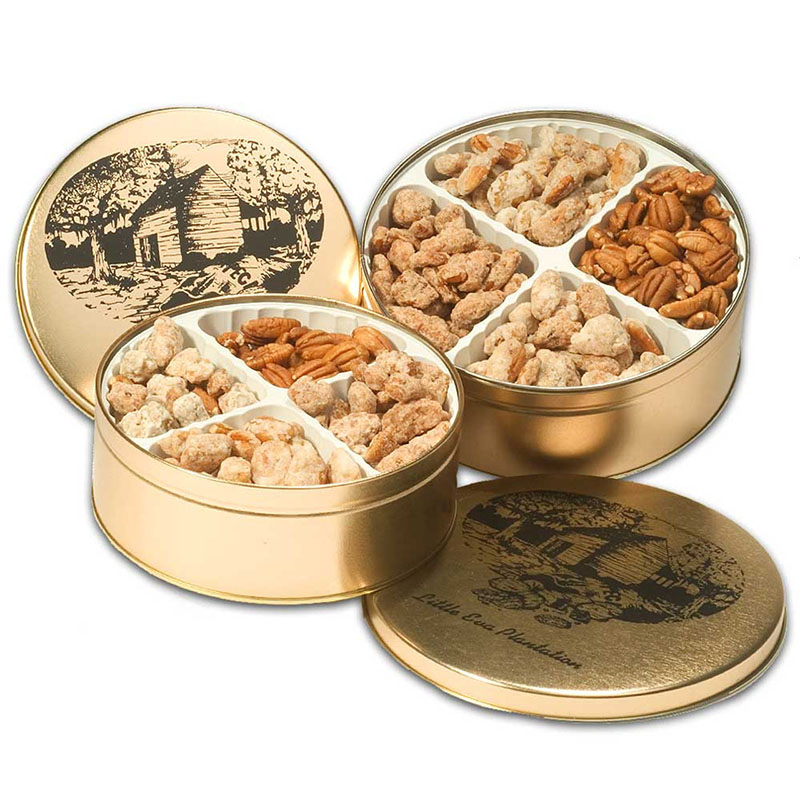
Custom nut gift tins are reusable metal containers that present mixed nuts in separate compartments for retail, seasonal gifts and corporate assortments. The reference round tin measures 220 mm in diameter and 70 mm high; actual portions depend on the insert and products. Compartment number, depth and shape should follow each nut variety’s portion size, with enough clearance beneath the lid. For roasted almonds, oxygen protection matters; the required moisture and oxygen barriers should be addressed through the complete inner packaging. Custom lid printing, coordinated sidewall artwork and gold-tone, matte or glossy finishes can distinguish flavours and gift collections. For Jinyu orders, the standard minimum is 5,000 pieces per design; approve the filled tray, artwork and packing specification before production.
Read More
Durable and versatile for various applications. Guarantees an airtight seal, maintaining the tea's flavor and aroma. Available in a wide range of sizes and styles, making it easy to find one that meets your needs. Used to store a variety of items, including spices, herbs, and loose-leaf teas. Extremely sturdy, offering protection for your tea from moisture, light, and air.
Read More
Made of food grade tinplate, adaptable for various applications. Sturdy and protection against moisture and light, long preserve of the contents. Offers multiple sizes and styles, easily to fits your diversified demand. Customizable with logos and designs, meet brand or individual needs of packaging. Reused for storage or as decorative items, recyclable and environmentally friendly.
Read More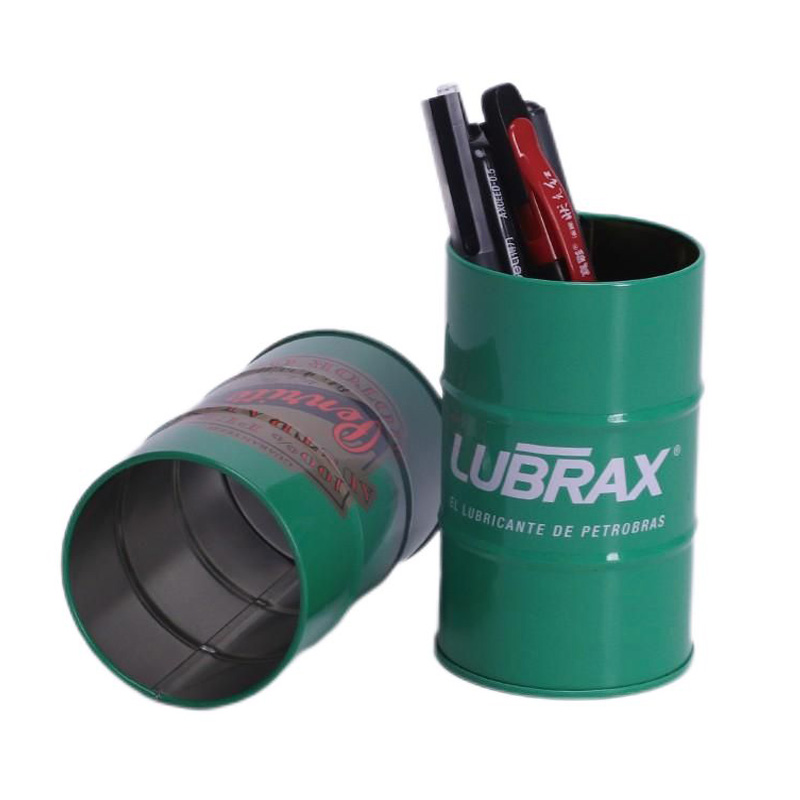
This custom oil drum tin pen holder is a practical desktop organizer with a memorable drum barrel shape. It can hold pens, pencils, markers, rulers, scissors, makeup brushes or small tools, while the printable tinplate surface makes it suitable for brand logos, school themes, office campaigns, promotional gifts and retail stationery collections.
Read More
Sherwin-Williams, Benjamin Moore, Valspar, theses famous paint brands are our loyal long-term customers. Resistant to dents and scratches, best choice for paint storing and transporting. Against oxidation, corrosion and rust resistance, resulting in extended quality life of paint. Customized with labels or branding to create a cohesive and professional look. Automatic production lines provide fast delivery and competitive price for you.
Read More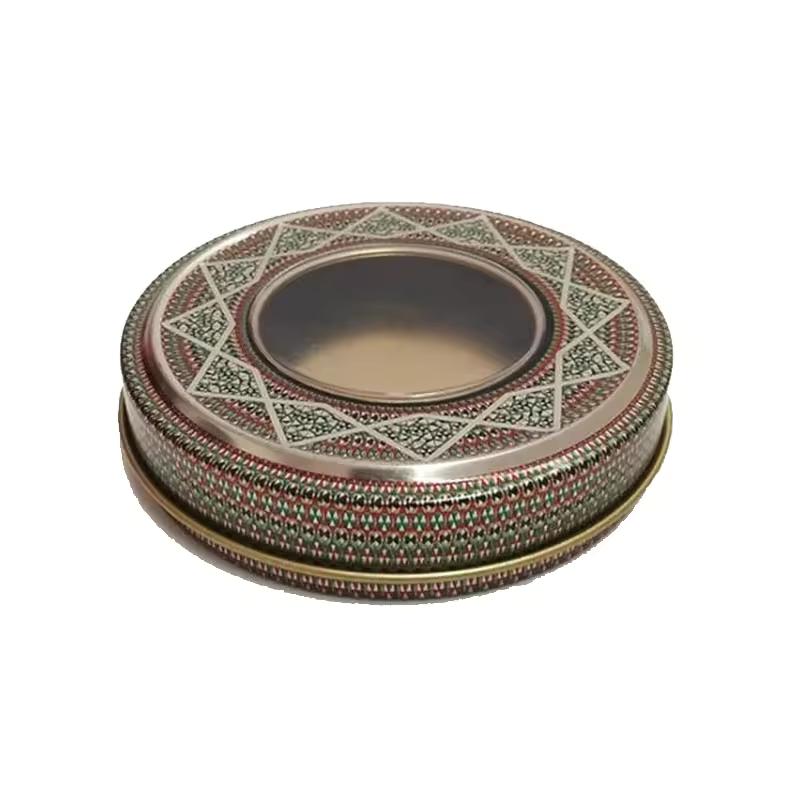
Durable and can be reused multiple times. Airtight, which helps to preserve the flavor and aroma of the tea. Variety of sizes and styles, making it easy to find one to fit your needs. Used to store other items such as spices, herbs, and other loose leaf teas. Highly durable and can protect your tea from moareture, light, and air.
Read More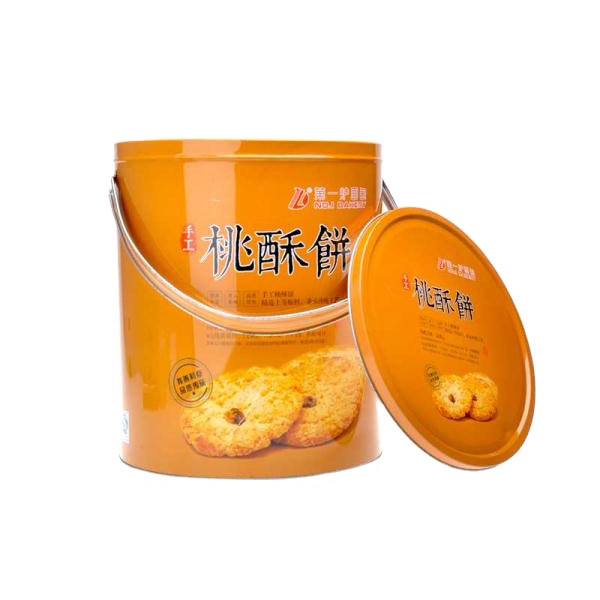
This custom cookie tin bucket with handle is designed for cookies, biscuits, candy, chocolates, popcorn-style snack gifts and reusable food storage projects that need a portable round metal package. The food-grade tinplate body, reusable lid and plastic handle make it suitable for a cookie tin box with handle, large tin box with handle, metal container with handle and custom printed gift packaging for bakeries, food brands, holiday promotions and wholesale tin buyers.
Read More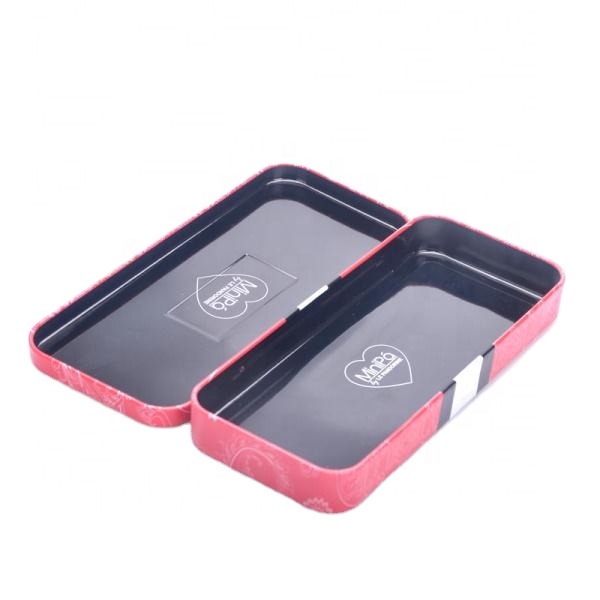
Constructed with durable tinplate materials, these items are built to last, ensuring their longevity and resilience. Provide a secure and protective barrier for your stationery, ensuring they remain undamaged and accounted for. Explore our extensive collection of sizes and styles, featuring holders and cases that are perfectly suited to fulfill all your specific requirements. Transform your pencils into unique and captivating works of art with high-quality color printing machine, stand out and leave a lasting impression. Experience the advantage of sourcing directly factory, where we guarantee the delivery of superior quality products at a highly competitive price.
Read More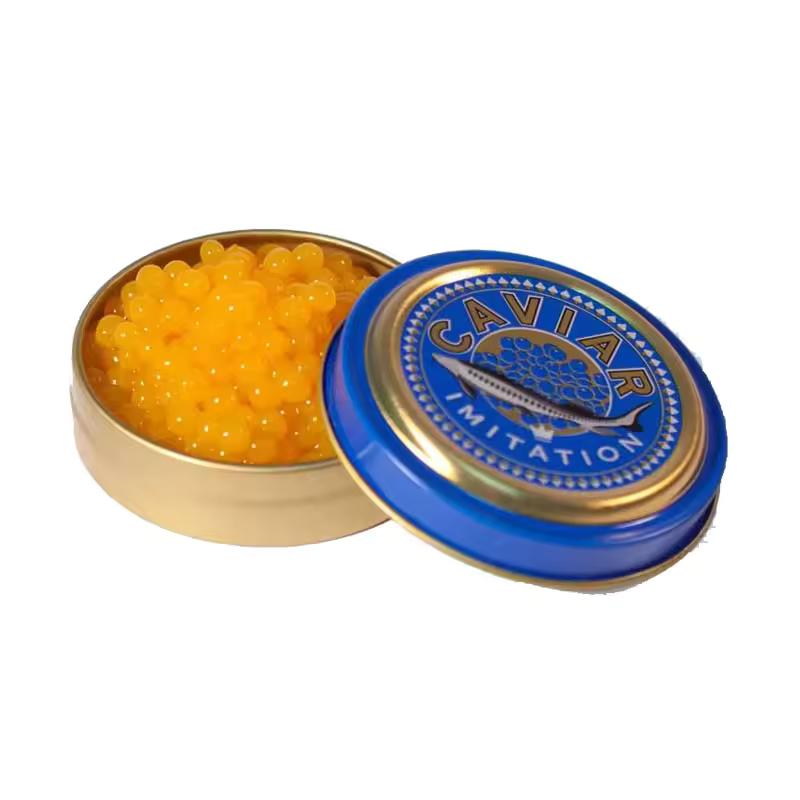
Durable and can be reused multiple times. Airtight, which helps to preserve the flavor and aroma of the tea. Variety of sizes and styles, making it easy to find one to fit your needs. Used to store other items such as spices, herbs, and other loose leaf teas. Highly durable and can protect your tea from moareture, light, and air.
Read More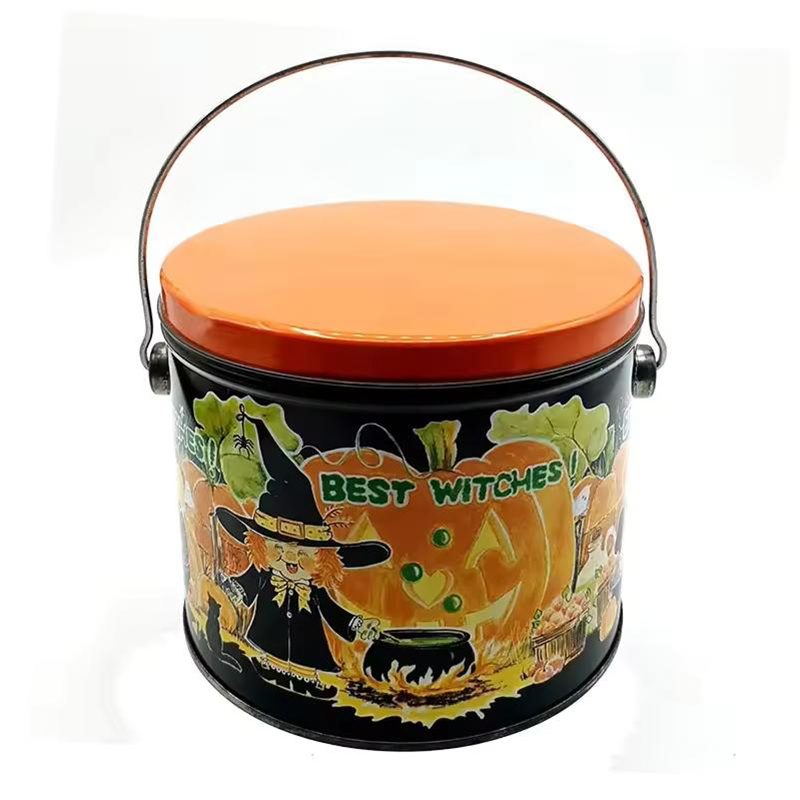
This round festival gift promotional tin can with handle is designed for Halloween cookies, candy, chocolates, party favors, Christmas sweets, gift sets and reusable storage. The food-grade round tinplate body, portable handle, printable surface, PVC lining and clear window options make it suitable for a tin box with handle, gift tin box with handle, cookie tin box with handle, metal container with handle and OEM/ODM tin pail with handle projects for seasonal retail, promotional gifts and factory-direct wholesale packaging.
Read More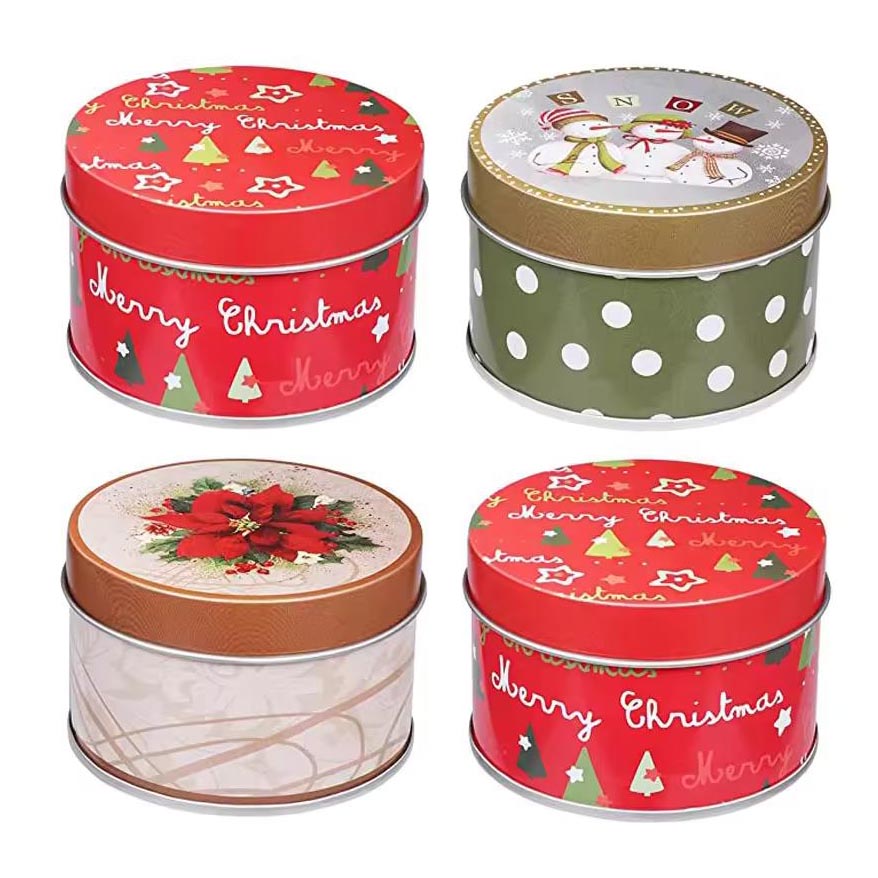
Round Christmas cookie tins are metal gift containers for biscuit assortments, wrapped chocolates and seasonal confectionery collections. The reference size is 220 mm in diameter and 70 mm high; usable capacity requires a fill test with the intended contents. Printed metal lids provide space for festive artwork, while window-lid versions can display the arranged products through a transparent panel. Cookies, inner bags, paper cups and dividers must be checked together so that the finished pack closes without compressing the contents. For Jinyu orders, the standard minimum is 5,000 pieces per design; confirm artwork, packing requirements and delivery dates before production.
Read More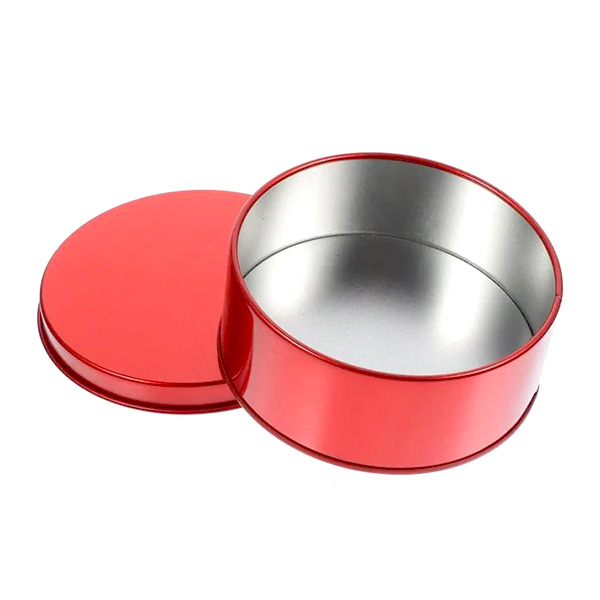
This custom made Valentine round biscuit tin is designed for cookie brands, biscuit suppliers, bakeries and gift packaging buyers that need a red metal tin box with strong seasonal appeal. The round empty tin can be used for biscuits, cookies, candy, chocolate and Valentine gift sets, with custom printing, food-grade tinplate, artwork review and export packing support from JINYU.
Read More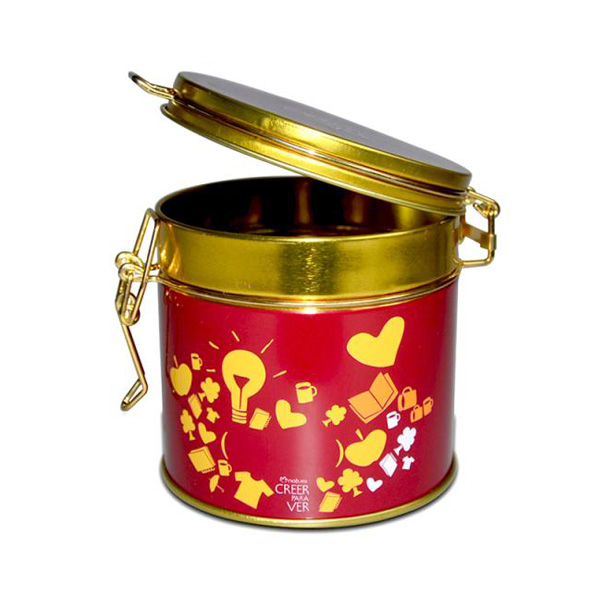
Choose from a range of coffee tin packaging solutions. Advanced processes ensure good sealing and long-term storage for your coffee beans. Lipton, Twinings, and Tetley are among the famous tea brands that are our loyal customers. FDA-approved food-grade tinplate ensures the absolute safety of your coffee packaging. Professional Panton and 4-color printing equipment ensure high-quality presentation of the tin boxes.
Read More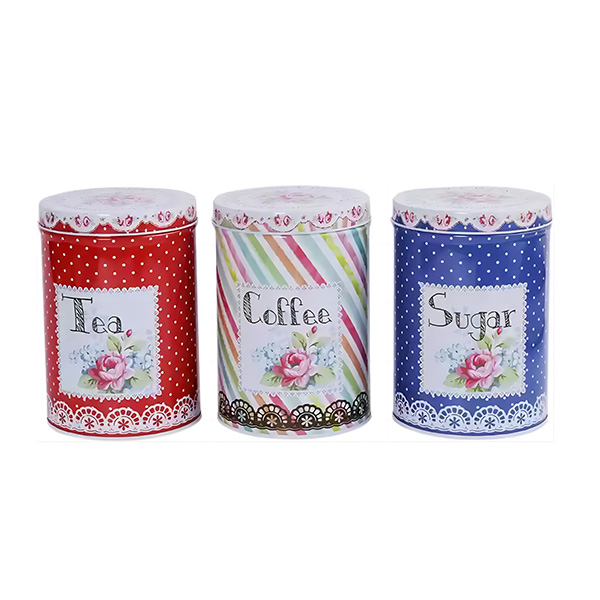
Made of food grade tinplate, adaptable for various applications. Sturdy and protection against moisture and light, long preserve of the contents. Offers multiple sizes and styles, easily to fits your diversified demand. Customizable with logos and designs, meet brand or individual needs of packaging. Reused for storage or as decorative items, recyclable and environmentally friendly.
Read More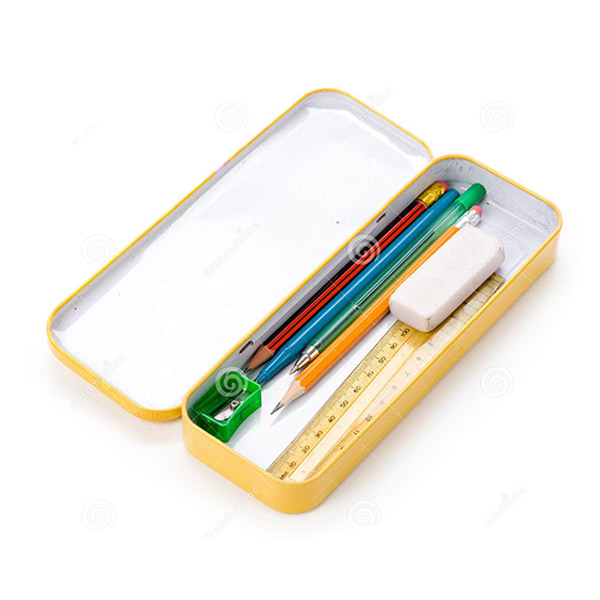
A custom printed school tin pencil box should be designed around the stationery set it needs to carry, not simply around an available metal container. Pencil length, ruler size, eraser thickness, sharpener dimensions and the number of writing tools all affect the internal space required. Unlike an open-top tin pencil holder that stays upright on a desk, a metal tin pencil case is a closed stationery container intended to keep pencils and other school supplies together during storage, carrying and daily classroom use.
Read More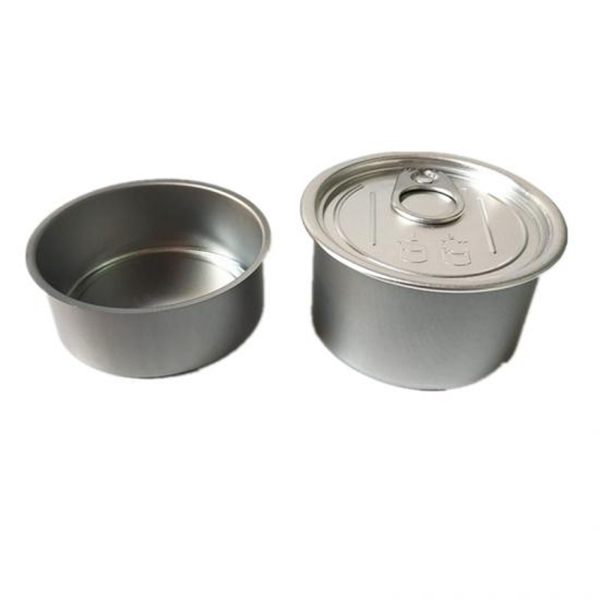
Created for easy storage and organization, these containers are crafted to stack seamlessly. Versatile for different purposes, these containers can be reused for storage or as decorative pieces. Select from a variety of sizes, colors, and designs to effortlessly meet your specific requirements. The simple hinged flip lid structure guarantees convenient opening and closing of the containers. Thanks to their sturdy tinplate construction, these containers are designed for durability, resistant to wear and tear.
Read More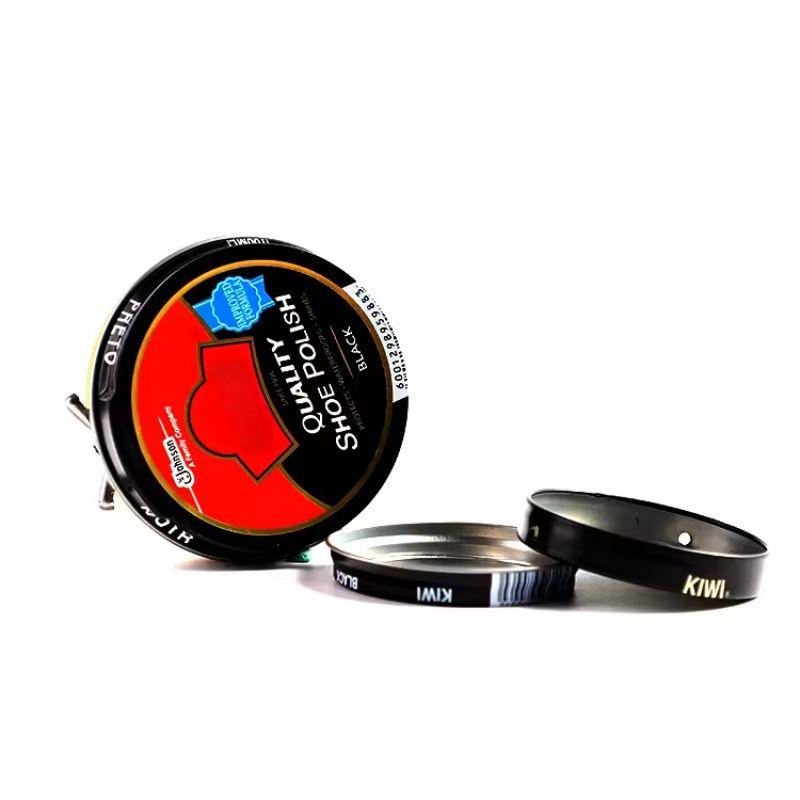
A shoe polish tin can is a durable and eco-friendly packaging solution, perfect for storing and preserving shoe polish. Its sturdy metal construction protects the polish from drying out, ensuring long-lasting use. The compact design is convenient for travel, making it easy to maintain your footwear on the go. Available in various styles and customizable options, it adds a touch of sophistication to your shoe care routine.
Read More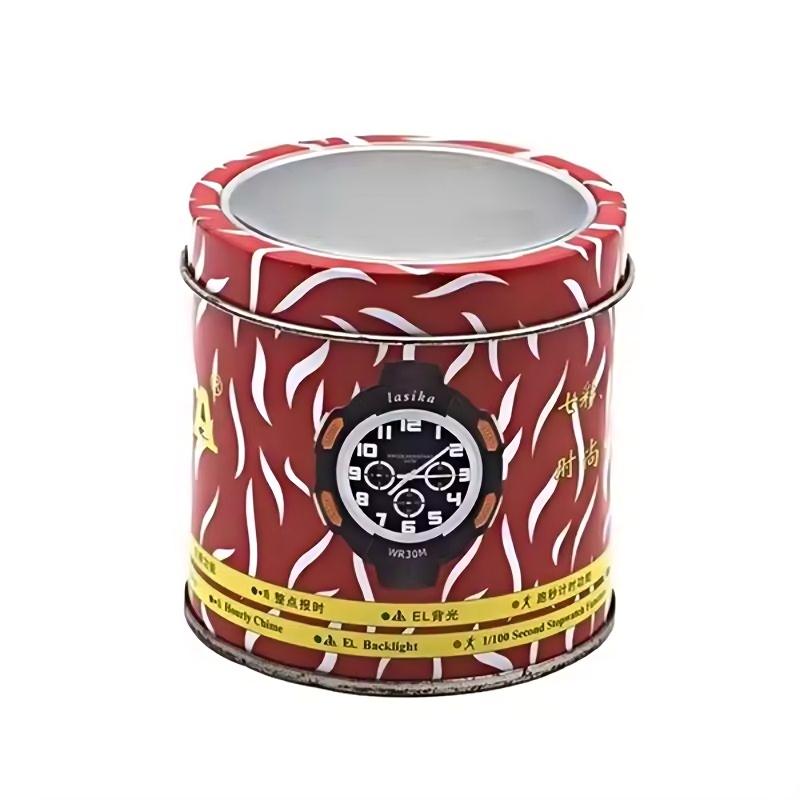
Round Christmas cookie tins with clear PVC windows combine a printed metal body with visibility of cookies, biscuits and confectionery. Window size should balance product visibility with branding space, while tin diameter and height should match the intended filling arrangement. Paper cups, dividers or trays help maintain cookie positioning, allowing decorated surfaces and assorted products to remain visible through the lid. Custom CMYK or Pantone printing can cover the lid rim and sidewall, with matte, glossy or embossed finishes reviewed during sampling. Food-contact suitability should be confirmed for coatings, PVC windows and inner packaging; products requiring freshness protection may need a sealed inner pouch. For Jinyu orders, the standard minimum is 5,000 pieces per design; confirm the window structure, filled sample and seasonal delivery schedule.
Read More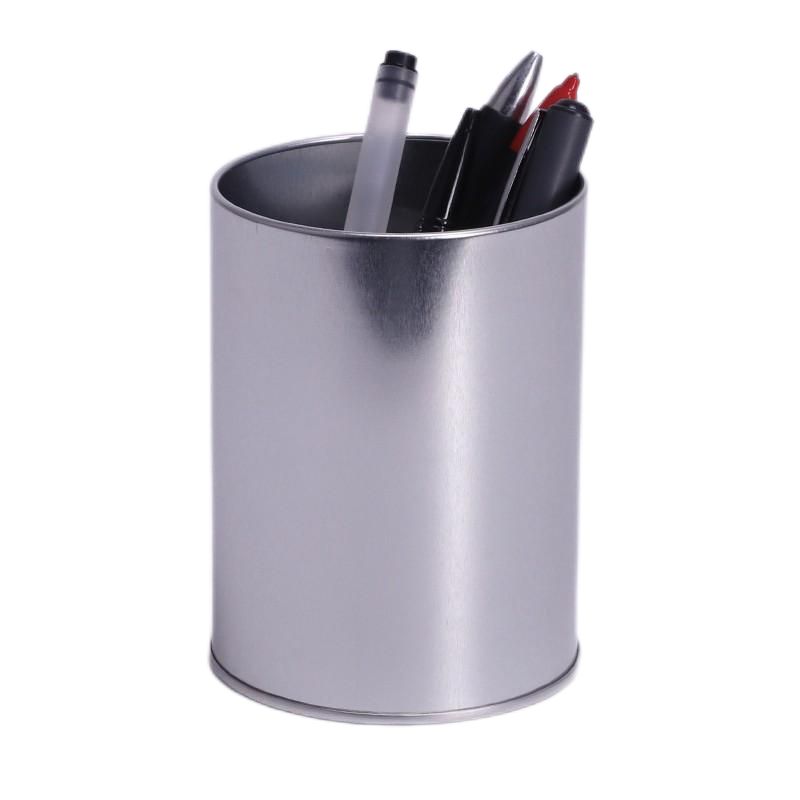
A round silver metal pencil holder offers a different design direction from a fully printed stationery tin. Instead of covering the metal surface with graphics, the product keeps a clean silver appearance and lets the cylindrical tinplate body become part of the visual identity. This makes a blank tin pencil cup suitable for minimalist office collections, DIY projects, promotional programmes using labels or sleeves, gift sets and buyers who want to carry out additional decoration after receiving the tins.
Read More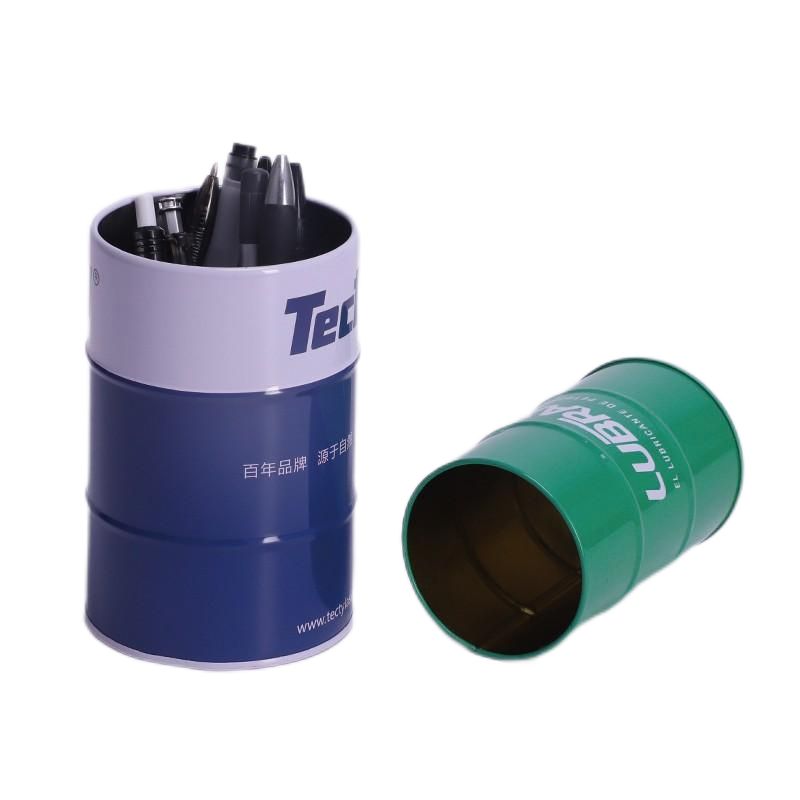
This custom oil drum tin pen holder is a practical desktop organizer with a memorable drum barrel shape. It can hold pens, pencils, markers, rulers, scissors, makeup brushes or small tools, while the printable tinplate surface makes it suitable for brand logos, school themes, office campaigns, promotional gifts and retail stationery collections.
Read More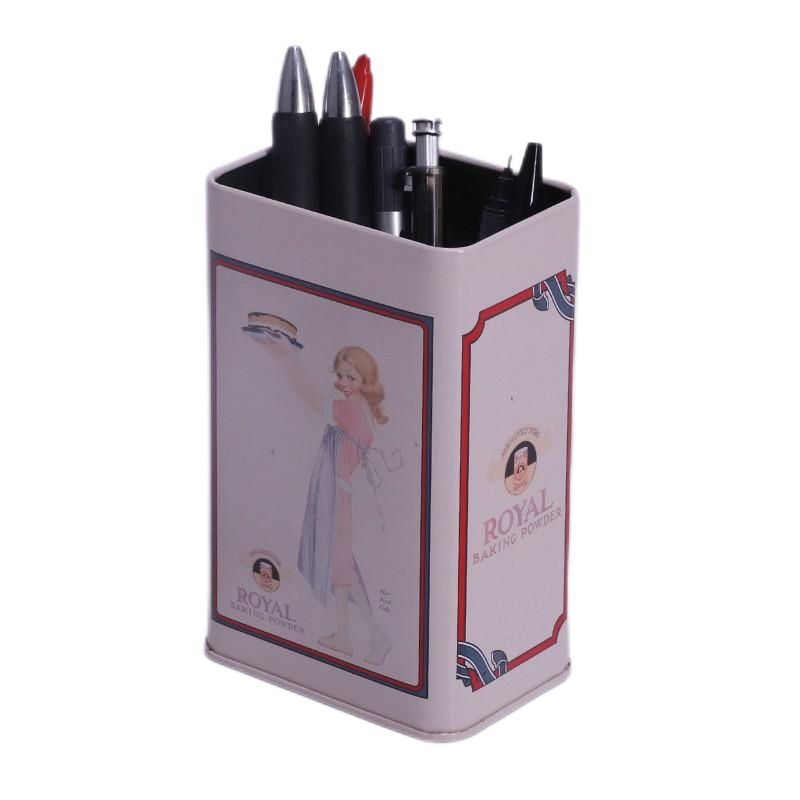
A personalised square metal desk pencil holder is designed for workspaces where stationery needs to stay organised without looking like a school accessory. The straight-sided tinplate body creates a compact desktop footprint, four clearly defined branding panels and an open top for quick access to pens, pencils, markers and other everyday office tools. Compared with a round pencil cup, the square format has a more architectural appearance and can sit neatly beside notebooks, monitors, document trays and other rectangular office accessories.
Read More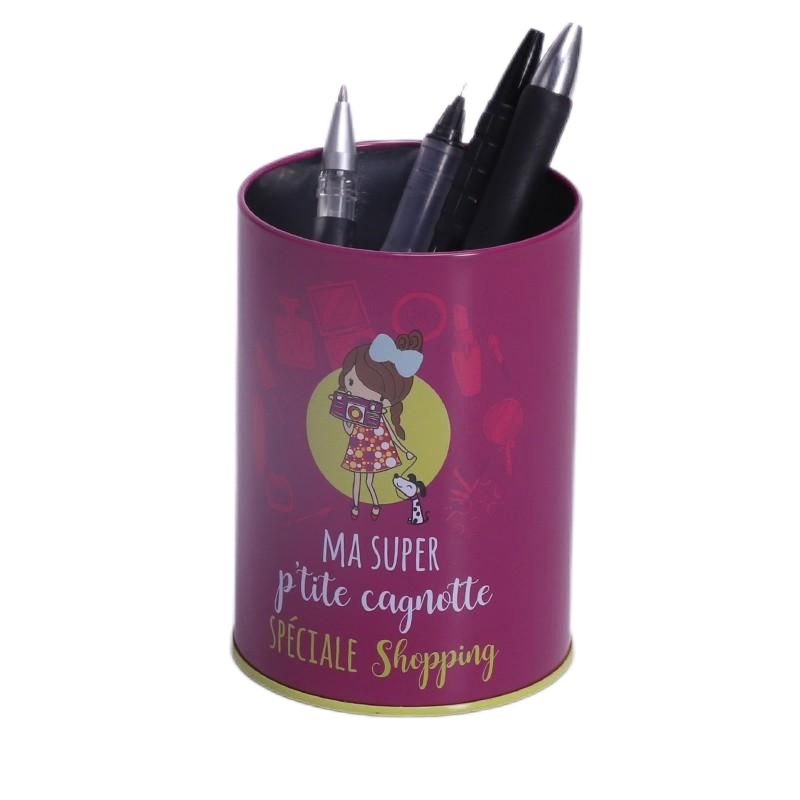
A round tin pencil cup is an open-top metal desk organiser designed to keep pens, pencils, markers and other frequently used stationery upright and within easy reach. Compared with a closed pencil case, the product is intended to remain visible on a desk rather than travel inside a school bag or briefcase. The simple cylindrical structure also gives brands a continuous printable surface, making it suitable for office stationery ranges, promotional merchandise, corporate gifts, retail desk accessories and private label collections.
Read More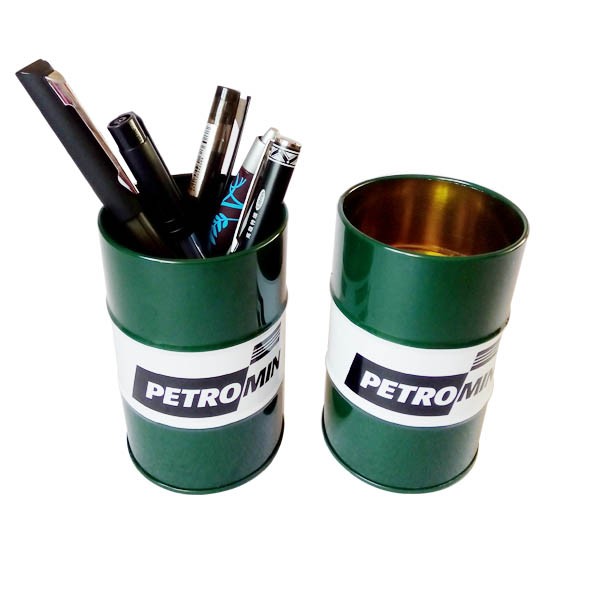
A custom round drum tin pen holder combines practical desktop storage with a decorative cylindrical metal body that can carry full-colour artwork around almost the entire visible surface. Unlike a closed pencil tin or pencil case, this product is designed to remain open on a desk so pens, pencils, markers and small stationery items can be reached immediately. The drum-inspired proportions give the holder more visual character than a basic office cup, while custom printing allows one structure to support many different retail, gift and promotional themes.
Read More
A barrel tin pencil holder is designed for one simple purpose: keeping pens, pencils and small desk tools upright, visible and easy to reach. Unlike a tin pencil case, which is normally closed and carried inside a bag, this product is an open-top desktop organiser intended to remain on a desk, counter or workbench. The barrel or oil-drum inspired body gives the product a stronger industrial character than a conventional stationery cup. Rolled-rim details, cylindrical proportions and custom printed graphics can make the holder look like a miniature drum while still functioning as practical stationery storage.
Read More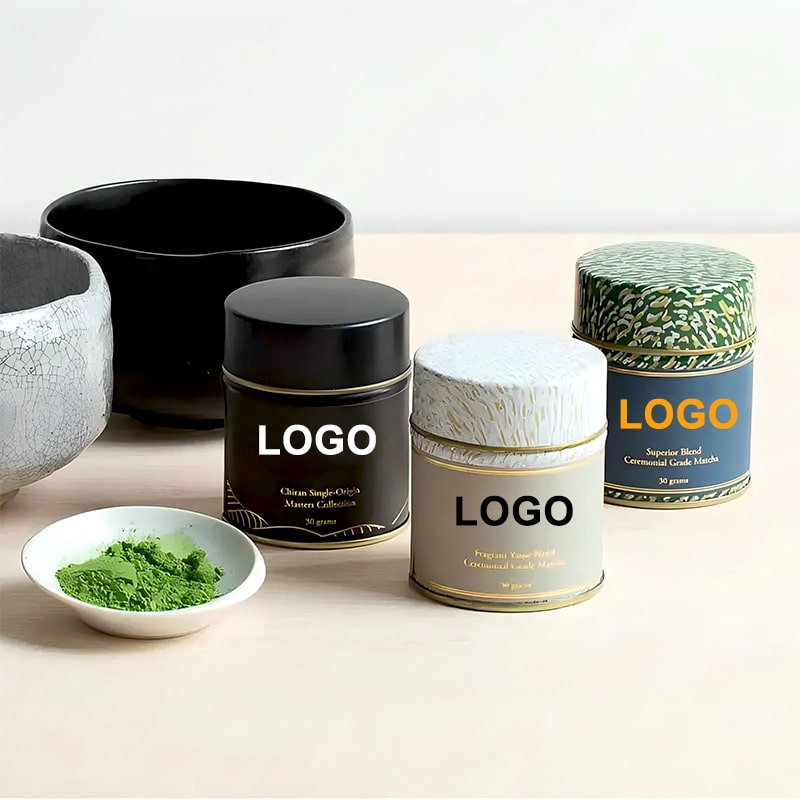
Easy to store and can be stacked, making it a great choice for businesses with limited storage space. Cost-effective, making it a great choice for businesses on a budget. Many long-term partnership including Lipton, Twinings and Tetley. Recyclable, making it an eco-friendly choice for businesses. Lightweight and easy to transport, making it ideal for commercial shipping.
Read More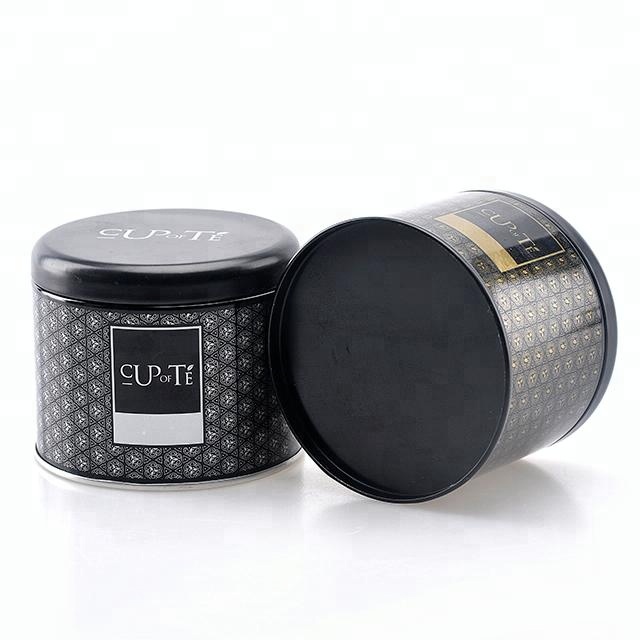
Durable and can withstand the rigors of shipping and handling. Secure, airtight seal that helps preserve the freshness and flavor of tea. Variety of sizes to accommodate any amount of tea. Attractive and eye-catching, making it a great choice for gift-giving. Sleek and modern look that will look great on any countertop.
Read More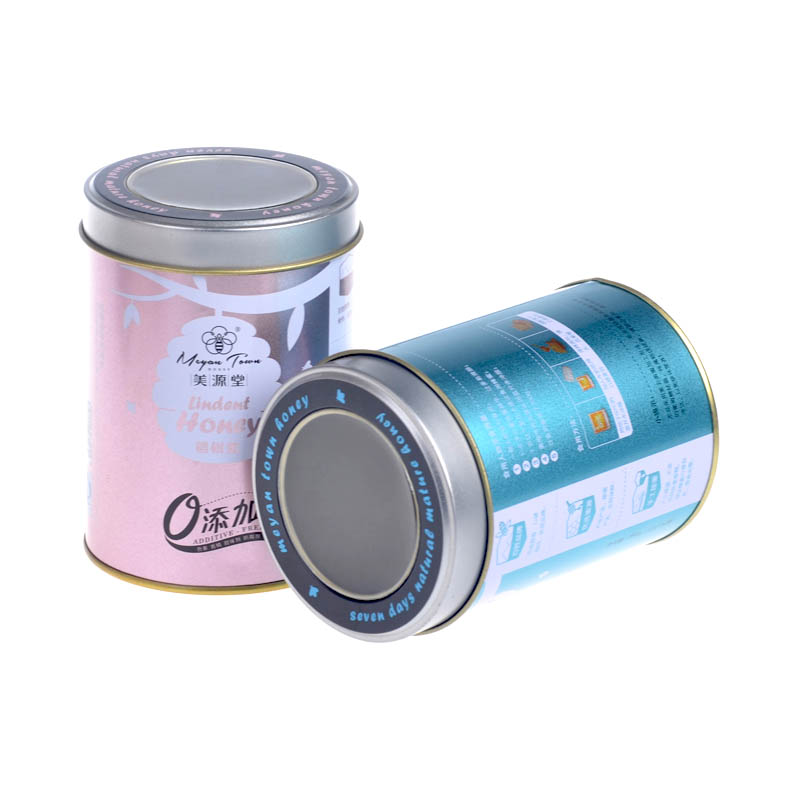
Durable materials that will keep your tea fresh and flavorful for longer. Offer comprehensive tea packaging services, from design to production, packaging and distribution. Well-known brands selling tea around the world are our long-term customers, such as Twinings, Tetley, Bigelow. Tight-fittinsg lid to keep air out and keep your tea tastinsg great. Variety of sizes to accommodate any amount of tea.
Read More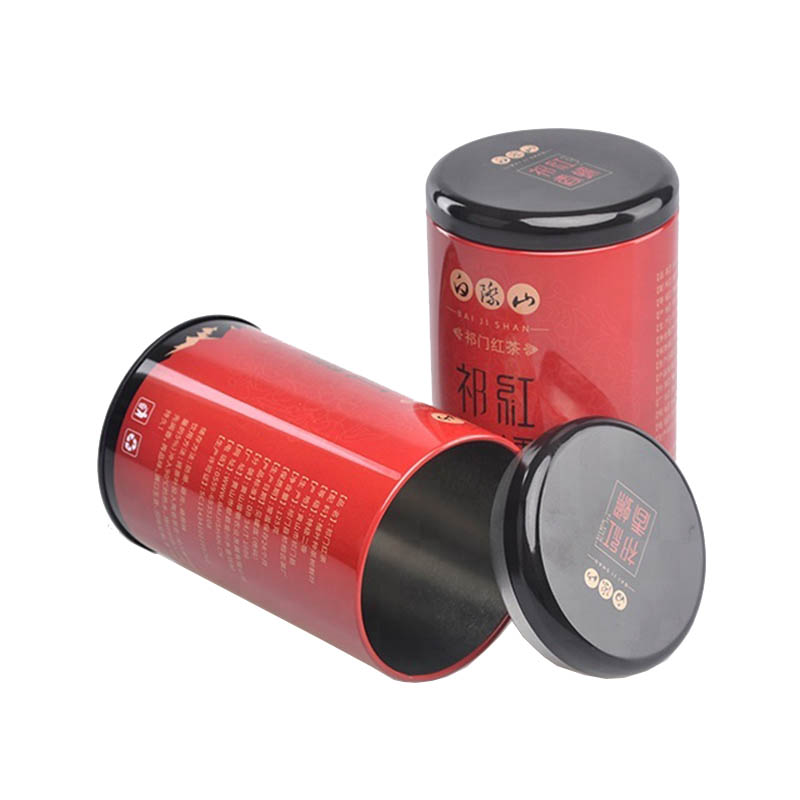
Specializing in tin box manufacturing for over 15 years, offer a variety of tin can packaging solutions for your tea. Using a professional tea packaging solution can help to boost sales and create a more polished look for your tea products. Working long-term relationships with leading brands such as Lipton, Twinings, and Tetley. FDA-approved food-grade tinplate is non-toxic, odorless, and moisture-proof, making it the ideal choice for storing tea leaves. Designed to be reused, so you can enjoy your favorite tea over and over again.
Read More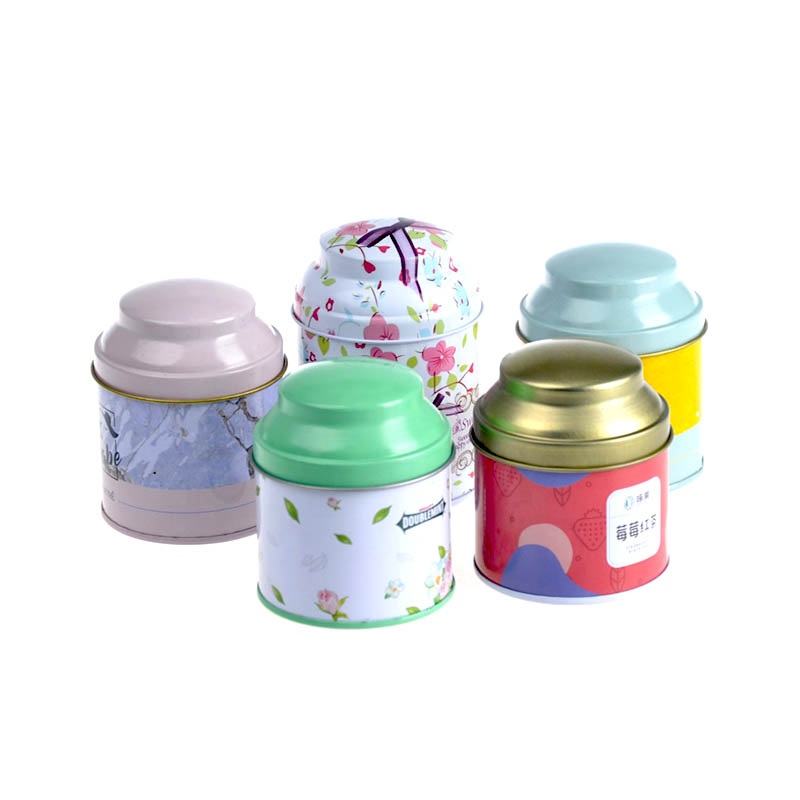
Tea tin cans are available in a variety of sizes, you can find the perfect size for your needs. Providing a tea packaging solution helps to increase sales and create a more professional look for your tea products. Lasting partnerships with renowned tea companies around the world.such as Lipton, Twinings, and Tetley. FDA approved food grade tinplate, non-toxic, odorless and moisture proof, the best choice for storing tea leaves. Use professional Pantone and 4-color printing to ensure clear printing quality of tea tin cans.
Read More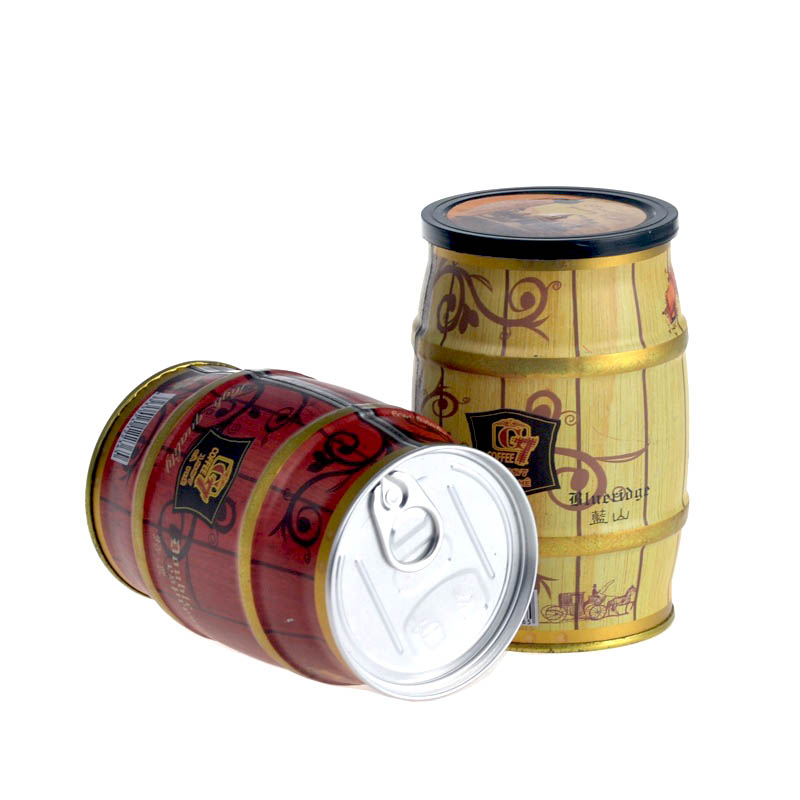
Variety of sizes, making it easy to find the perfect one for your needs. We provide one-stop tea packaging service from design, production, packaging and delivery. We establish long-standing relationships with world-renowned tea brands such as Lipton, Twinings, and Tetley. Adopt high-grade tinplate to ensure a strong seal that will keep tea leaves fresh for a long time. Tea tin cans made with original design with professional Pantone and 4-color printing equipment.
Read More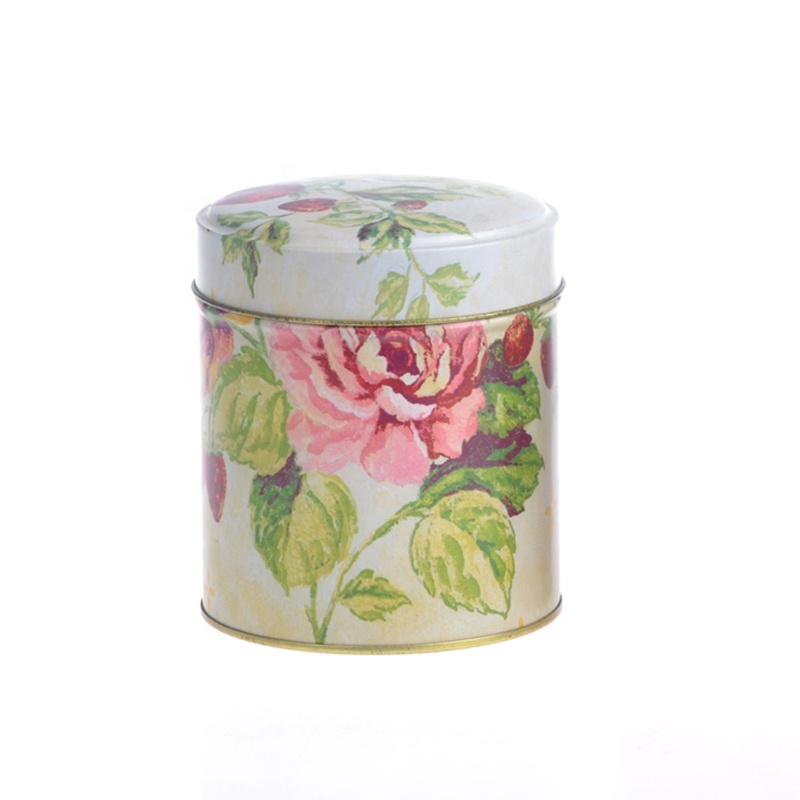
Whichever type of tea can packaging solution you need, we offer the right option for you. Using a more professional process, your tea tin box achieve an excellent seal and a longer shelf life. Well-known partners include leading brands such as Lipton, Twinings & Tetley. The tea containers are manufactured from FDA approved food grade tinplate and with a fluted lid to ensure the tea stays fresh. With a team of highly skilled designers and state-of-the-art printing technology, we ensure the best presentation of tea packaging tin cans.
Read More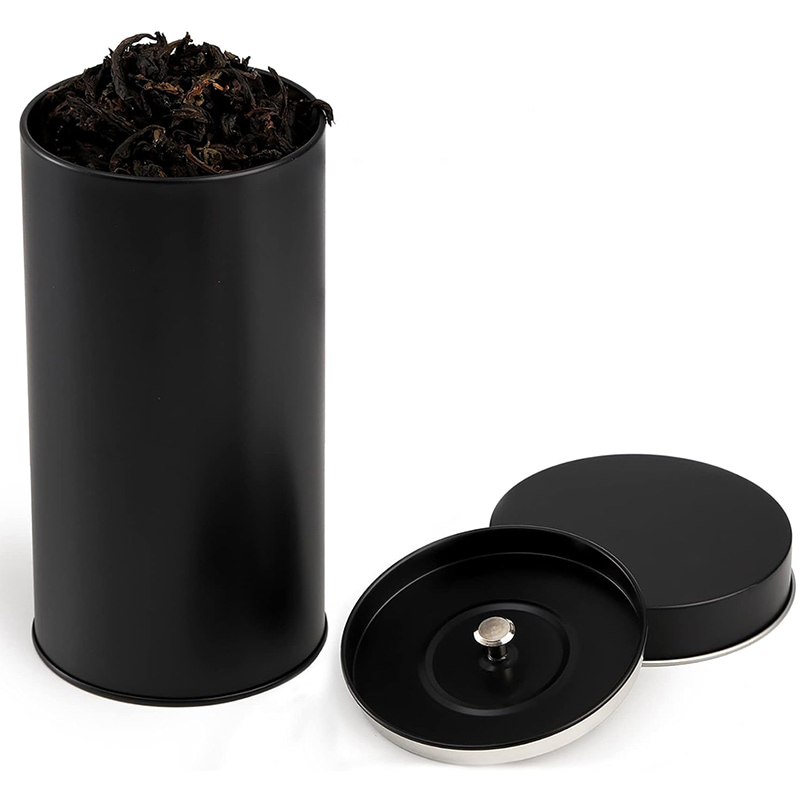
We provide a full spectrum of tea tin packaging solutions, from classic designs to modern styles, perfect for enhancing your brand image. Our advanced manufacturing process ensures every custom tea tin offers excellent sealing and long-lasting freshness for premium tea storage. Trusted by global tea leaders like Lipton, Twinings, and Tetley, we are a reliable tea tin box manufacturer with proven quality and service. Each custom printed tea storage tin is made with precision, combining functionality with brand aesthetics to meet diverse customer needs. Whether you're looking for tea tin wholesale options or exclusive designs, we offer flexible solutions to suit various markets.
Read More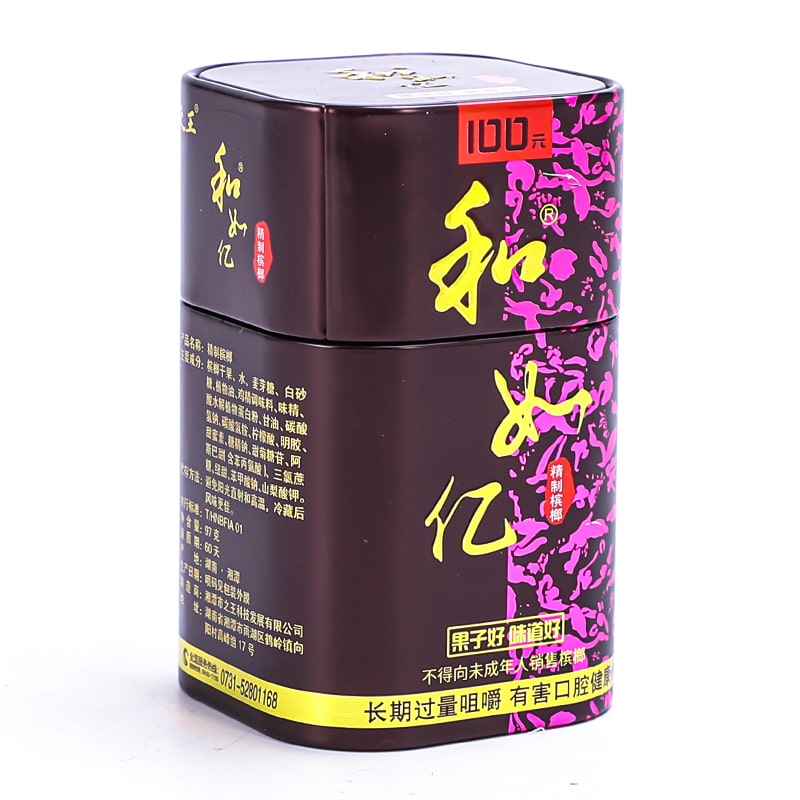
Discover our extensive selection of tea tin packaging—ranging from vintage-inspired styles to sleek modern designs—perfect for enhancing your brand’s appeal and shelf presence. Each custom tea tin is crafted with advanced manufacturing technology, ensuring excellent sealing performance and extended freshness for your high-quality teas. As a trusted tea tin manufacturer for global brands like Lipton, Twinings, and Tetley, we deliver consistent quality and reliable service you can count on. Every custom tea tin is expertly crafted to blend practical function with eye-catching brand design, meeting the varied needs of tea businesses worldwide. Whether you’re looking for wholesale tea tin packaging or personalized tea tin containers, we offer flexible solutions tailored to diverse market needs.
Read More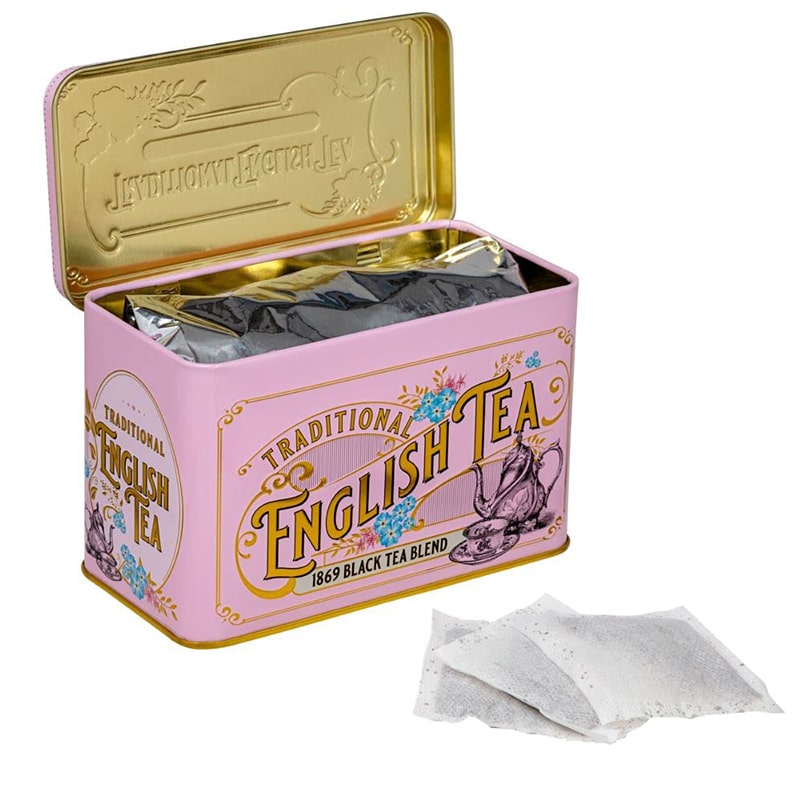
From vintage to sleek modern tea tin packaging, we provide solutions tailored to showcase your brand’s uniqueness. We utilize innovative manufacturing processes to provide tea tins with reliable sealing, ensuring your tea stays fresh longer. We create custom tea tins that perfectly balance functionality and branding to satisfy a wide range of customer preferences. Every custom printed tea tin is precisely made to combine functionality and brand aesthetics, fulfilling diverse customer requirements. Catering to multiple markets, we provide flexible tea tin manufacturing and design services for wholesale or custom needs.
Read More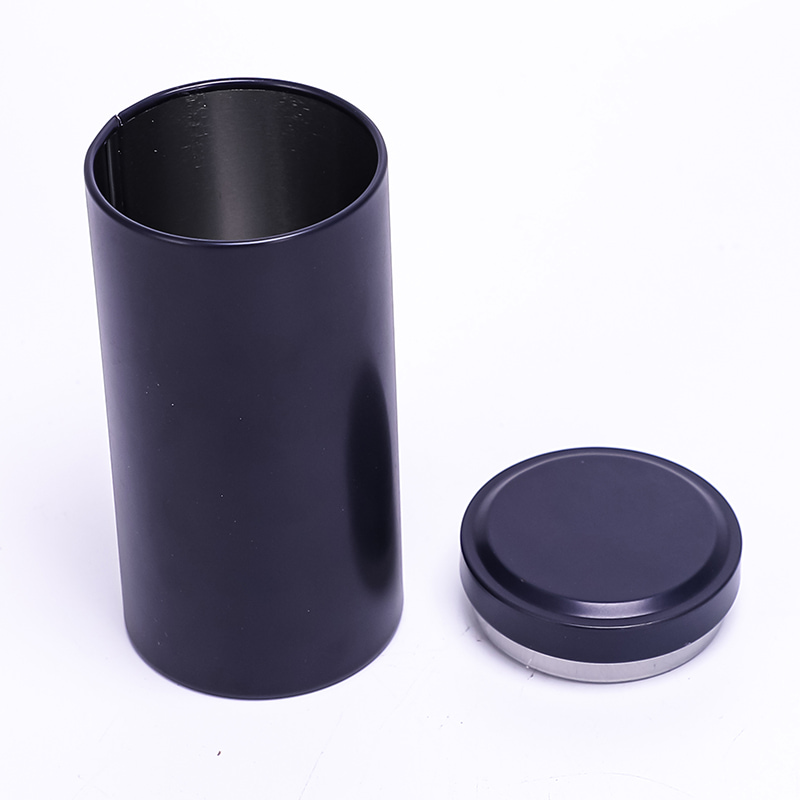
Explore our versatile tea tin packaging selections, perfect for creating a distinctive and memorable brand look. Our expertly made tea tins offer exceptional sealing performance, designed to keep your tea fresh and flavorful. Partnered with leading tea companies worldwide, we are a trusted manufacturer of quality tea tins and packaging solutions. Combining style and practicality, our custom tea tins are designed to serve multiple purposes and appeal to diverse customers. Our tea tin solutions cover everything from wholesale purchases to exclusive custom designs, tailored to diverse customer bases.
Read More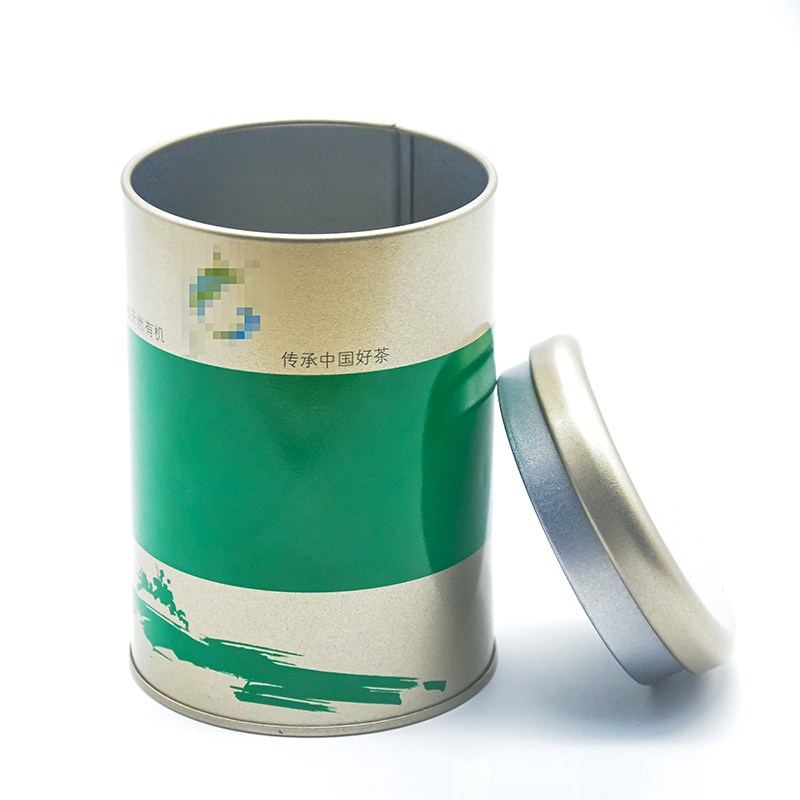
Built to last and suitable for multiple storage uses. Our advanced manufacturing guarantees each tea tin is securely sealed to preserve maximum tea freshness for longer periods. We provide high-quality tea tins to leading brands such as Twinings and Lipton, delivering exceptional quality and reliable service. Designed with both utility and aesthetics in mind, our tea tins meet the branding and packaging needs of various markets. Whether it's bulk orders or custom tea packaging, our flexible solutions support businesses of all sizes and sectors.
Read More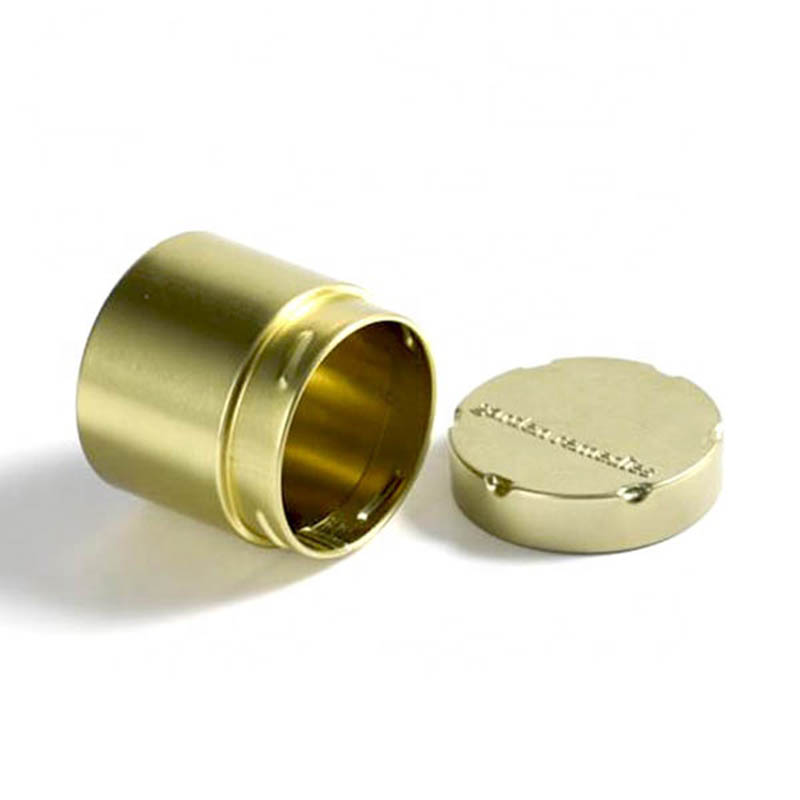
Small and lightweight, making them easy to store and transport. Tinplate making them highly durable and resistant to wear and tear. Store a variety of items, from mints and candies to small trinkets and jewelry. Customized with logos and designs to create a unique look. Affordable packaging option for businesses and individuals alike.
Read More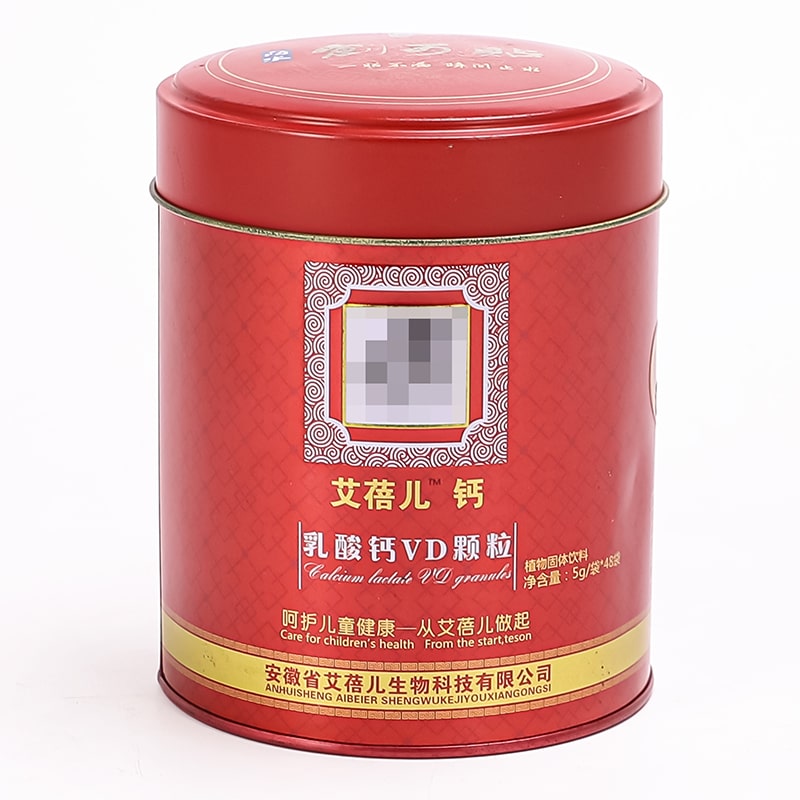
Strong and adaptable for different household needs. With advanced manufacturing, we deliver perfectly sealed tea tins that lock in freshness for extended storage. Trusted by top tea brands like Twinings and Lipton, we supply premium tea tins with outstanding quality and service. Designed with both utility and aesthetics in mind, our tea tins meet the branding and packaging needs of various markets. From large-scale production to personalized packaging, we offer adaptable services for diverse markets and clients.
Read More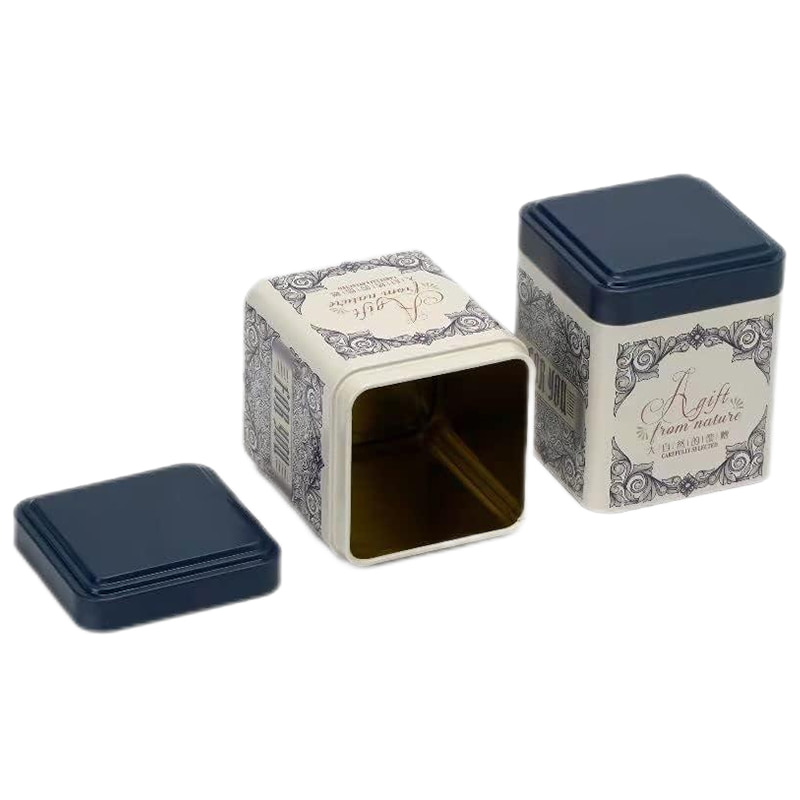
Robust and multi-functional for diverse uses. High-tech production guarantees airtight sealing of every tea tin, preserving flavor and aroma over time. Proud supplier of premium tea tins to iconic names like Twinings and Lipton, backed by consistent quality. Our tea tins are designed to deliver both practical storage solutions and vibrant brand representation across global markets. We deliver scalable solutions—from standard bulk tins to customized designs—serving a wide range of industries.
Read More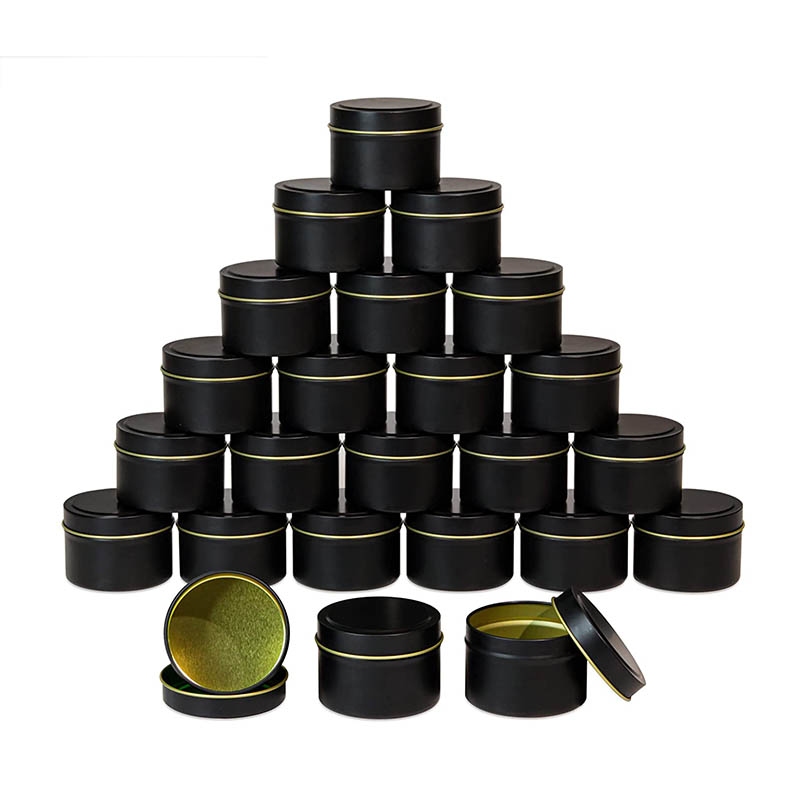
The option to customize candle tins creates a personalized and uncommon selection. The adaptability of candle tins makes them a suitable packaging solution for votives, tea lights, and pillar candles. Candle tins' portability and ease of transport make them a practical option for those who enjoy outdoor activities The airtight design of candle tins helps to protect the scent of the candle and maintain its freshness over time. Candle tin packaging acts as a barrier against moisture, dust, and other environmental factors.
Read More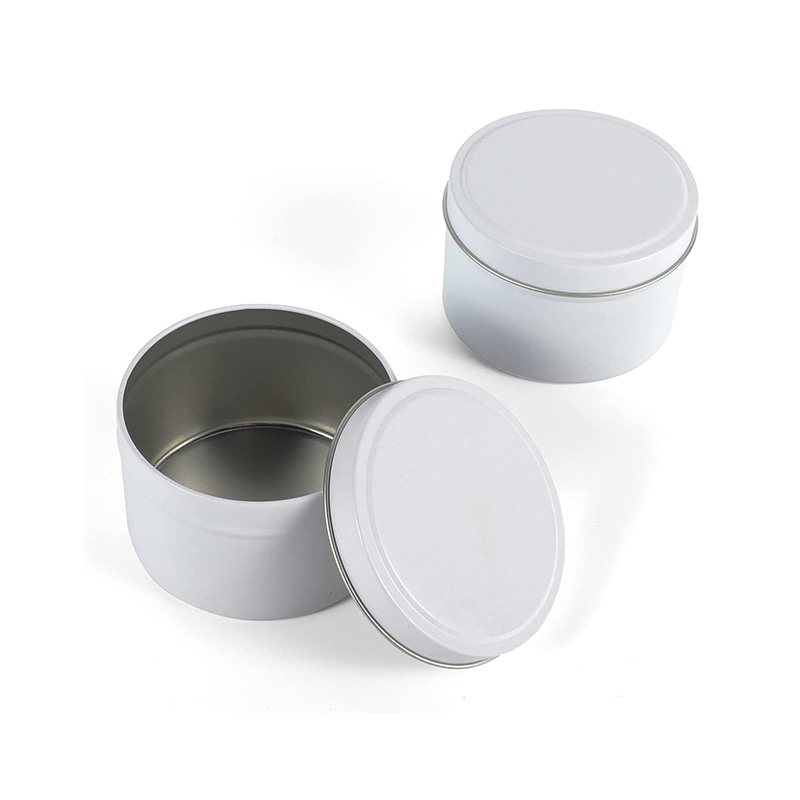
Personalized candle tins are a distinctive and unique choice due to their customization capabilities. Candle tins can be used as packaging for votives, tea lights, and pillar candles, making them a versatile option. The straightforward and compact design of candle tins makes them an excellent choice for travel and camping. Candle tins' airtight construction assists in maintaining the fragrance of the candle and keeping it fresh. By offering protection against moisture, dust, and other environmental factors.
Read More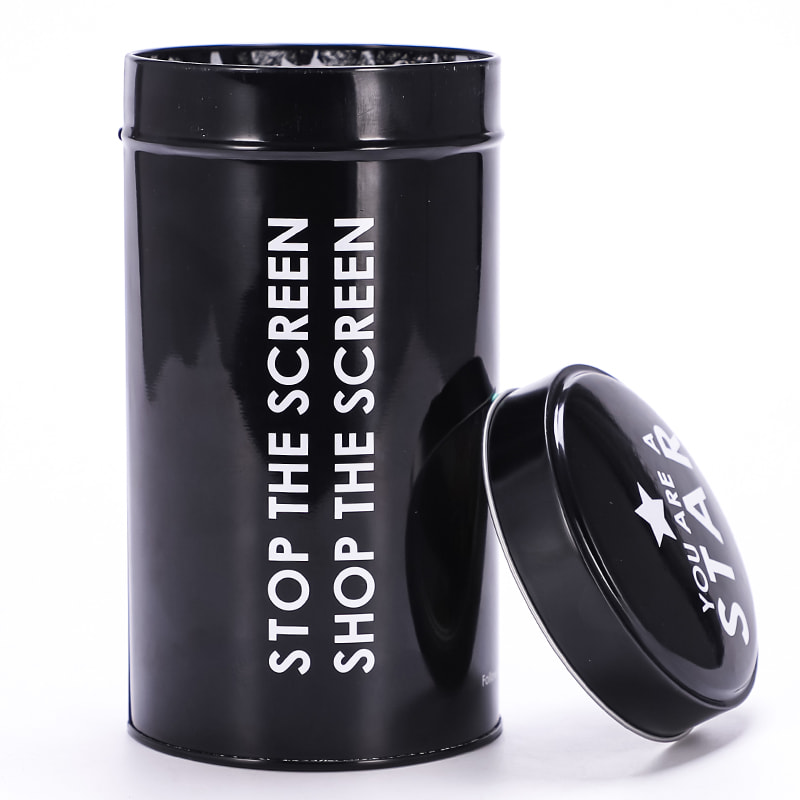
We provide a complete range of tea tin packaging options to meet all your needs. Every tea tin is crafted with precision sealing to protect freshness, using state-of-the-art machinery. Serving trusted names like Twinings and Lipton with quality tea tins and professional service they can count on. We produce tea tins that unite secure storage and attractive brand design to meet a range of market demands. Serving both high-volume clients and niche markets, we provide end-to-end tea tin solutions with full flexibility.
Read More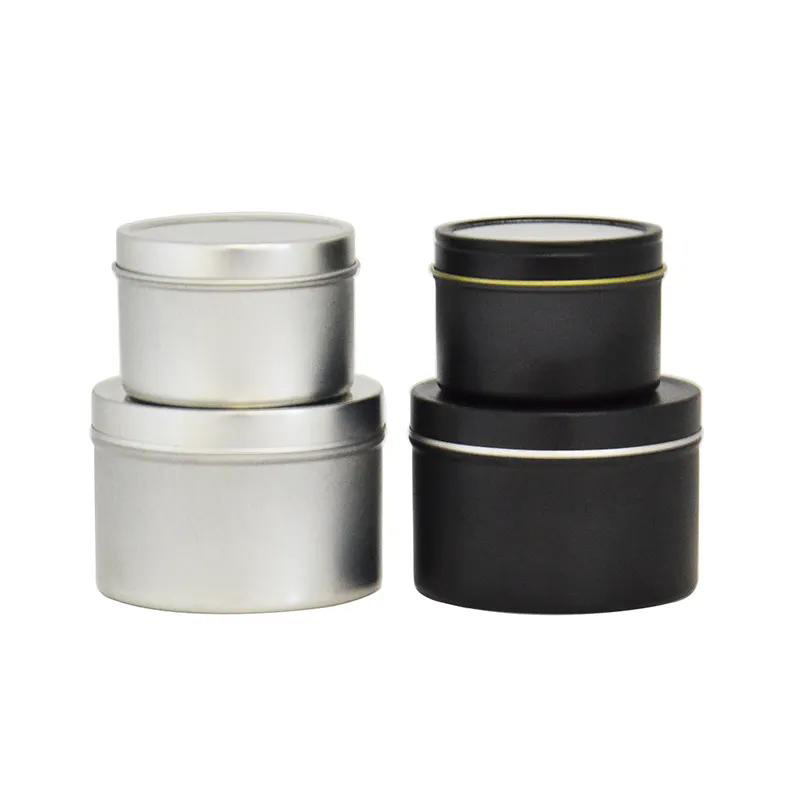
The customization of candle tins allows for a personalized and exceptional option. The flexibility of candle tins enables their use as packaging for votives, tea lights, and pillar candles. Offer a practical and convenient option for packing and transporting, making them ideal for travel and camping. By being airtight, candle tins preserve the scent of the candle, ensuring its freshness for an extended period. The protective nature of candle tin packaging shields candles from moisture, dust.
Read More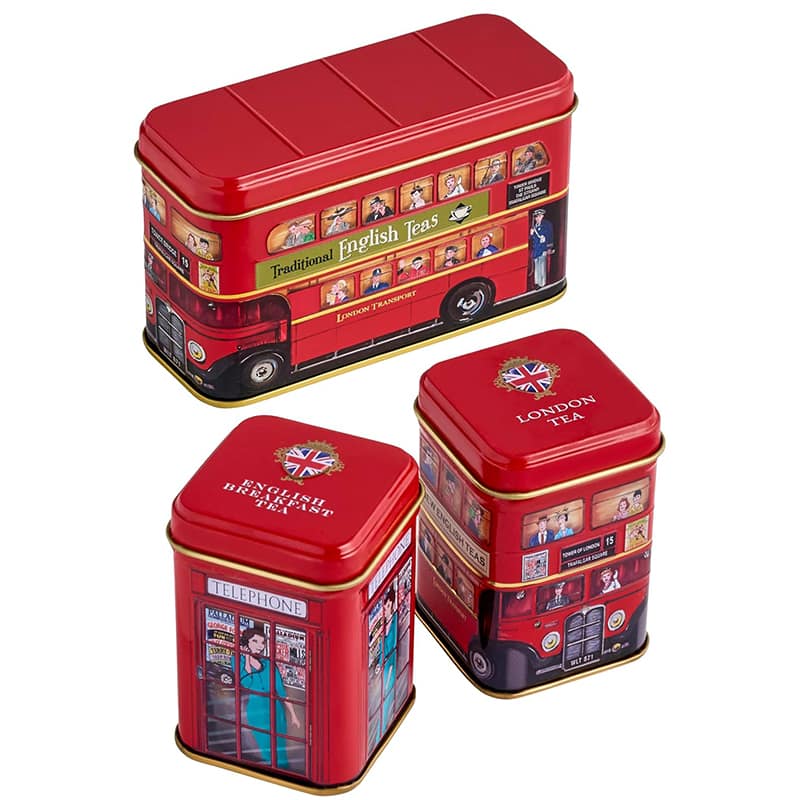
We provide a complete range of tea tin packaging options to meet all your needs. Every tea tin is crafted with precision sealing to protect freshness, using state-of-the-art machinery. Our tea tins are the choice of major brands like Twinings and Lipton, known for quality and reliability. From function to flair, our tea tins deliver smart storage and strong shelf presence for your brand. Our service range covers everything from bulk packaging to fully customized tin designs for varied market segments.
Read More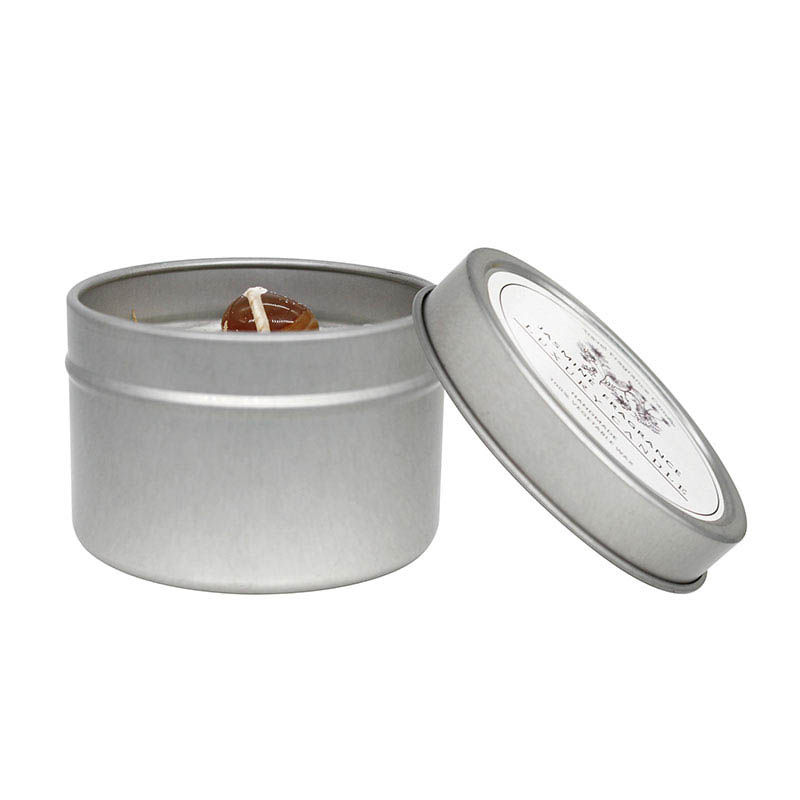
Candle tin packaging helps to maintain the scent and prevent it from dissipating over time. The ease of use and convenience of candle tin makes it an ideal packaging solution for on-the-go use. Candle tins' flexibility as a packaging solution is a result of their diverse range of sizes and shapes. The water-resistant construction of candle tins makes them suitable for outdoor activities and events. Candle tins' ability to accommodate custom logos and designs make brand recognition.
Read More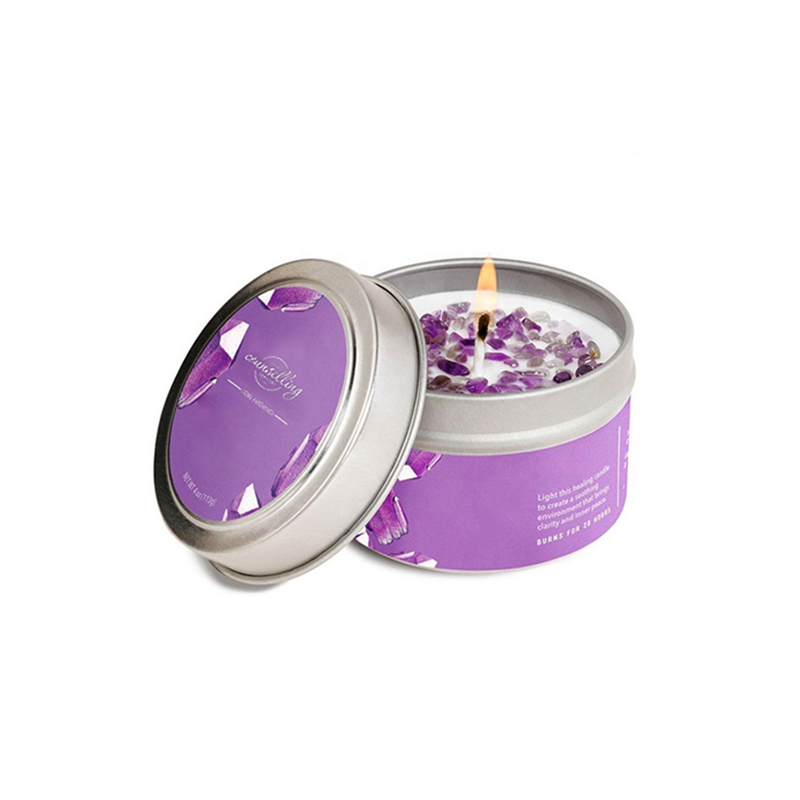
The packaging of candle tins aids in preserving the fragrance and preventing it from diminishing over time. Candle tin offers a convenient and user-friendly packaging solution, perfect for on-the-go use. The versatility of candle tins as a packaging option is due to their availability in various sizes and shapes. Candle tins' waterproof design makes them an ideal choice for outdoor activities and events. The ease of labeling and branding candle tins with custom logos and designs helps to establish brand recognition.
Read More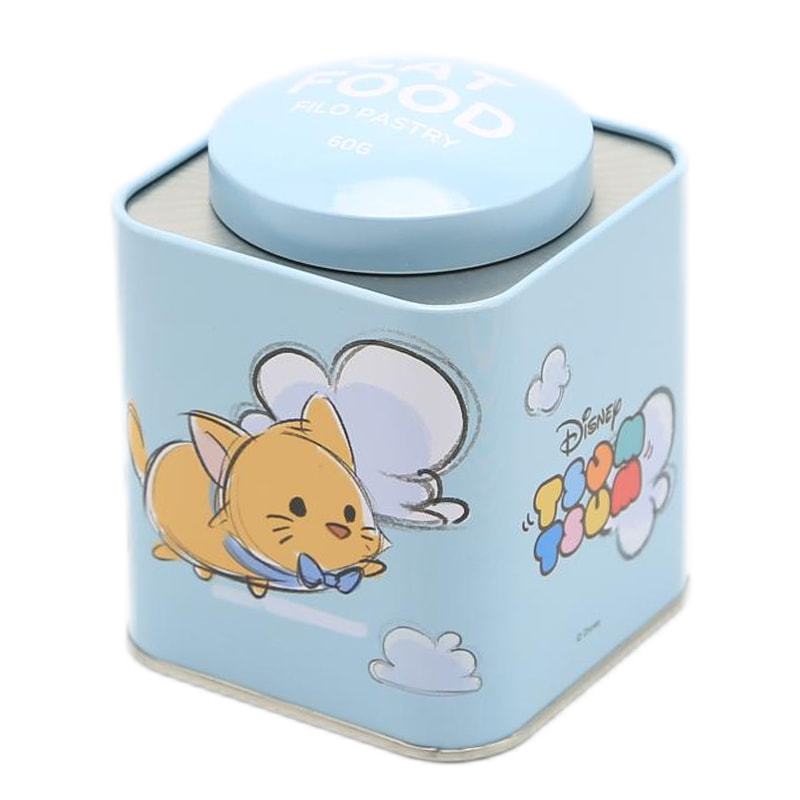
We provide multiple tin box solutions for all your tea packaging needs. Modern production techniques give your tea tin boxes superior airtightness and shelf life. Renowned tea companies choose our tin boxes for quality and reliability. Use of certified food-safe tinplate ensures your tea packaging meets strict standards. Get premium visuals on your tea tin packaging with professional color printing.
Read More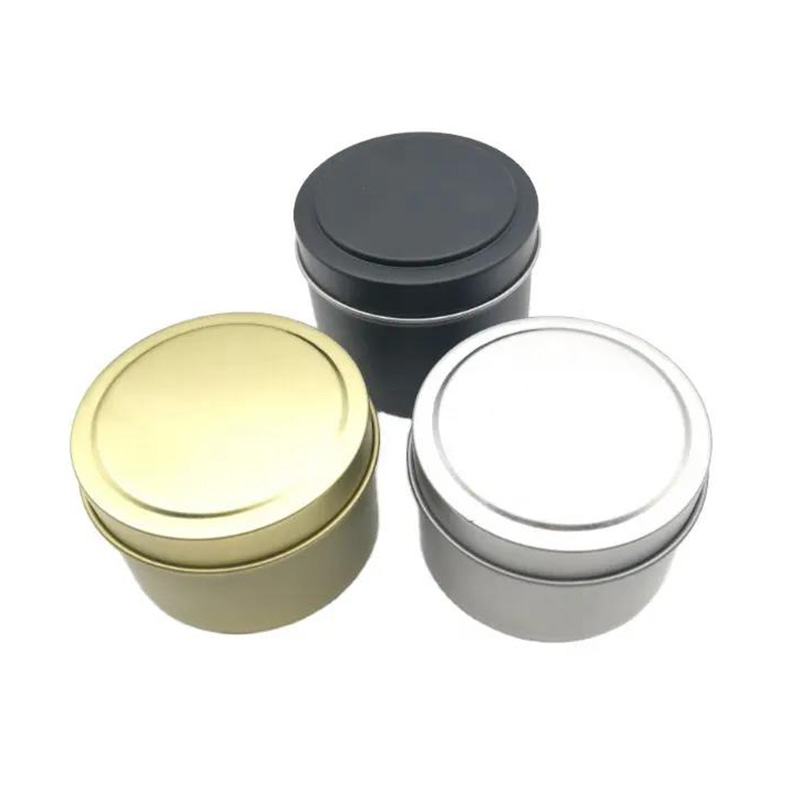
Candle tins is designed to preserve the fragrance and prevent it from dissipating. The practicality and convenience of candle tin make it an ideal packaging. Different sizes and shapes available for candle tins make them a versatile and adaptable packaging option. Resist water makes them a suitable and practical choice for outdoor activities and events. Labeling and branding with custom logos and designs helps to establish brand recognition.
Read More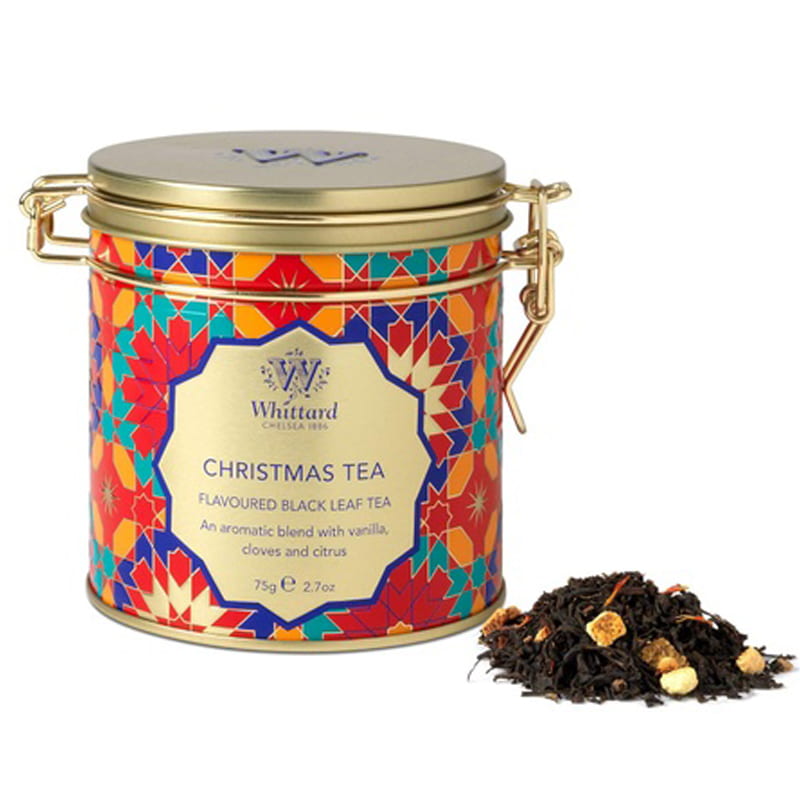
Choose from a full selection of premium tea tin cans, perfect for preserving flavor. With cutting-edge manufacturing, our tin cans offer optimal tea preservation. Our tin can packaging is the choice of brands such as Lipton and Twinings. We deliver tea tins that protect your product and elevate your brand across different markets. Custom Tea Tin Solutions for Every Scale – From Bulk Orders to Boutique Brands.
Read More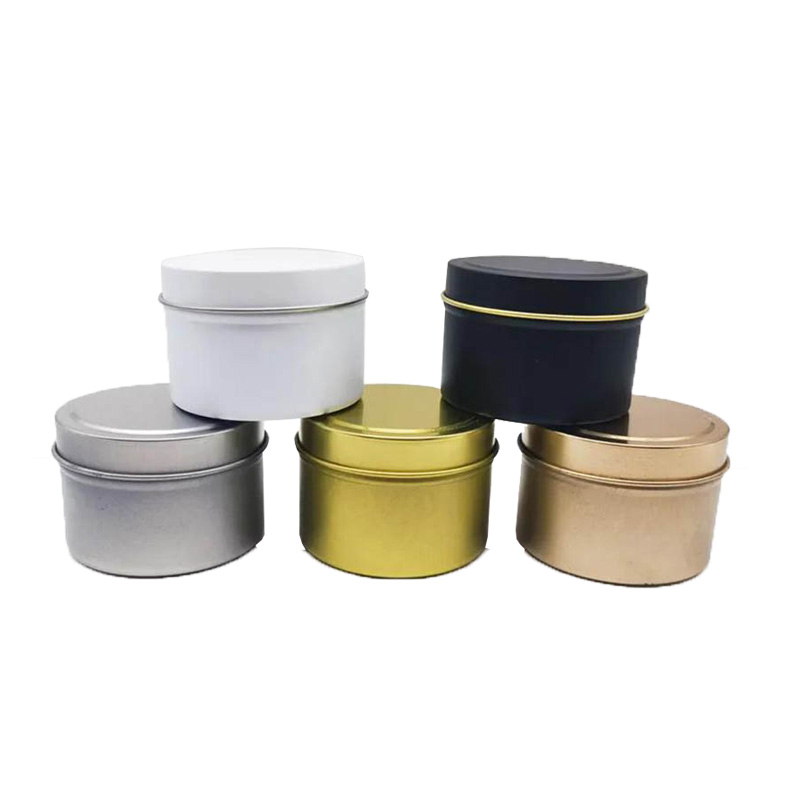
Businesses with little storage to be an exceptional option that can be stacked and stored with ease. With its affordability and practicality, this option is ideal for businesses that want to save money. Many long-standing partnerships have been formed, such as those with Jo Malone, Voluspa, and Diptyque. Recyclable materials in this option makes it an environmentally conscious choice for businesses looking to reduce their impact. With its lightweight, durability, and low cost, this is a great option for commercial shipping.
Read More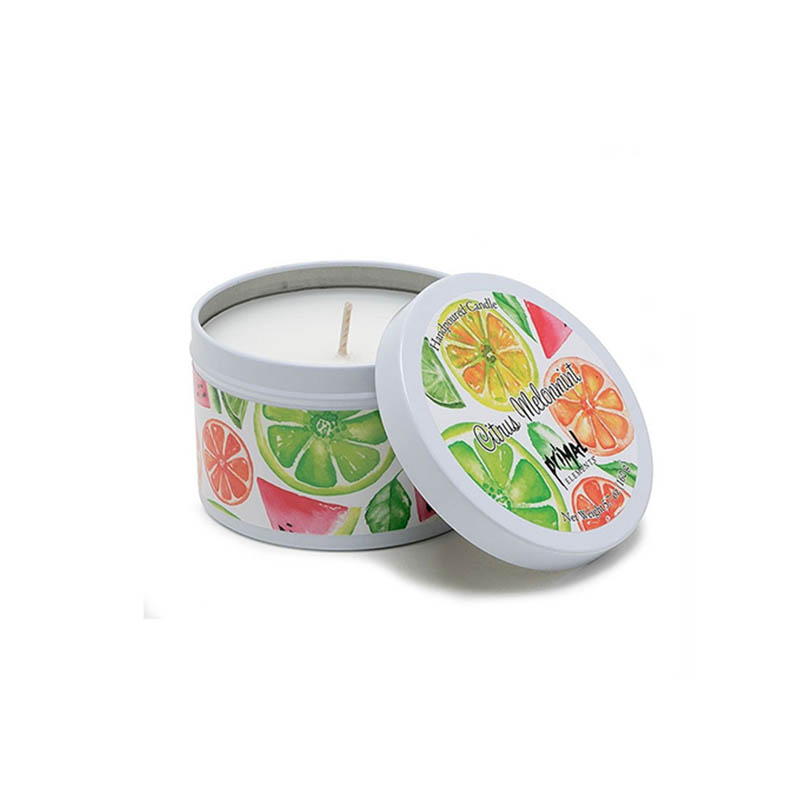
Candle tin packaging helps to maintain the scent and prevent it from diminishing. Candle tin offers a user-friendly and compact packaging solution that is perfect for on-the-go use. Candle tins' versatility as a packaging option is due to their ability to come in different sizes and shapes. By being waterproof, candle tins offer a reliable solution for outdoor activities and events. Easy to customize with logos and designs, candle tins offer a practical solution for establishing brand identity.
Read More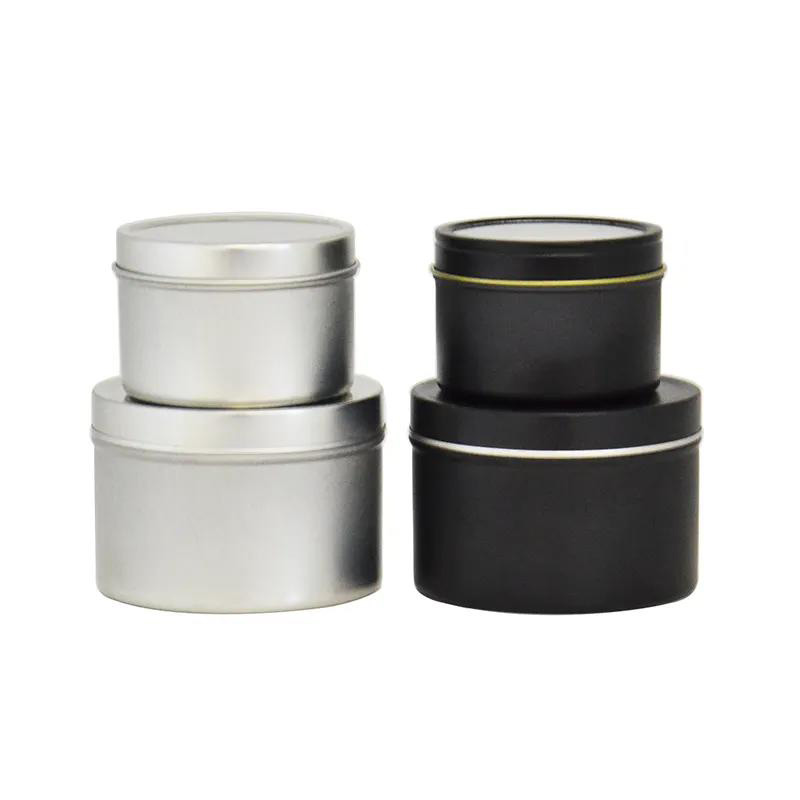
The fragrance of candle tins is preserved and protected over time through the use of appropriate packaging. The straightforward and easy-to-use design of candle tin makes it a practical and convenient packaging option. The diversity of sizes and shapes available for candle tins makes them an adaptable packaging solution. The water-resistant nature of candle tins makes them a practical option for outdoor activities and events. The flexibility of candle tins for custom labeling and branding helps to create brand recognition.
Read More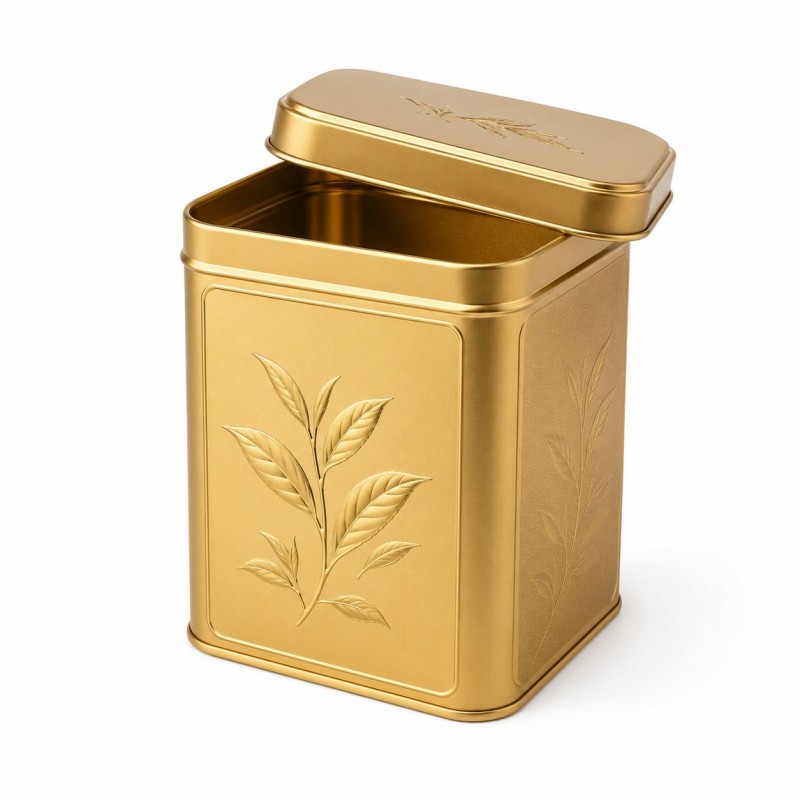
This custom metallic tea tin box is designed for tea brands, gift suppliers, importers and private-label buyers seeking distinctive premium packaging. Gold conveys classic luxury, silver offers a clean modern look, rose gold suits contemporary gifts, and copper complements roasted or heritage-inspired teas. The square tin can be customised with metallic finishes, embossing, printed branding and matte or glossy coatings, either as a single design or a coordinated tea collection.
Read More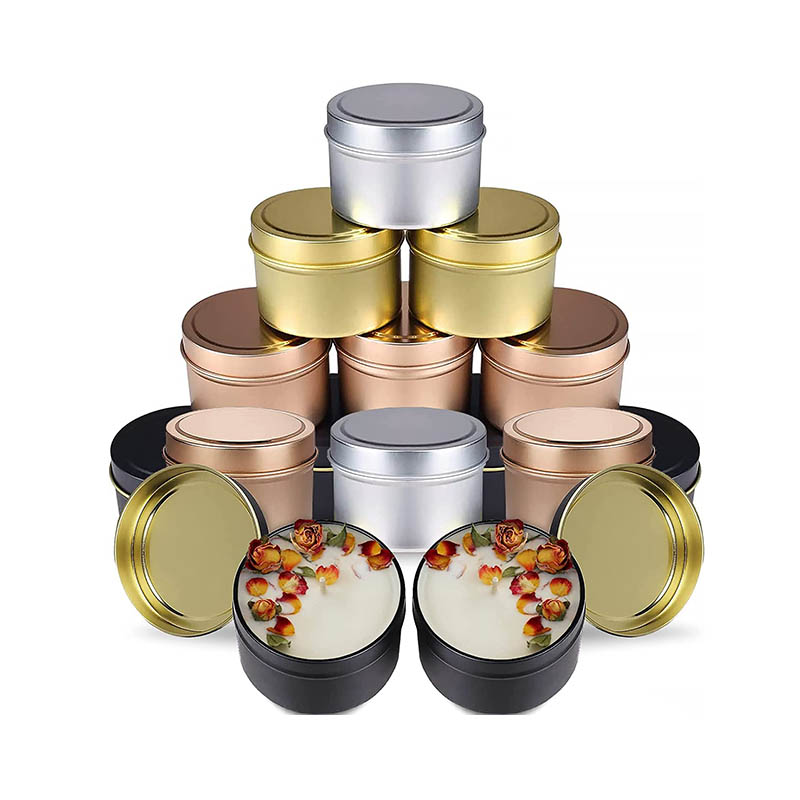
The packaging of candle tins preserves the fragrance and prevents it from fading as time passes. Candle tin is a practical and hassle-free packaging option that is well-suited for on-the-go use. Different sizes and shapes available for candle tins make them a versatile packaging option. By being waterproof, candle tins offer a practical solution for outdoor activities and events. Easy to label and brand with custom logos and designs, candle tins help to establish brand identity.
Read More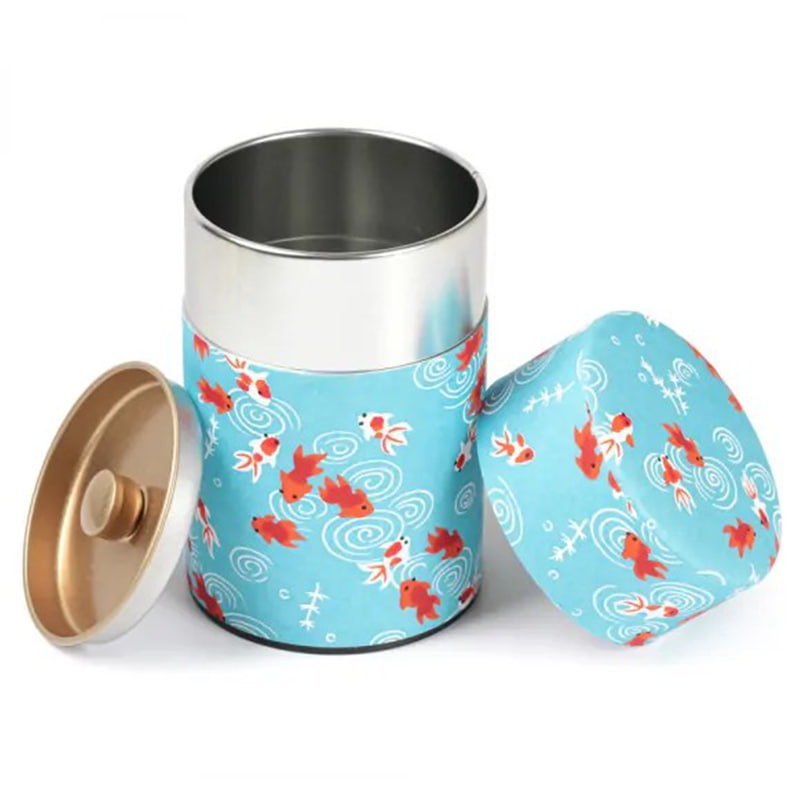
.Our tin can packaging solutions are crafted specifically for the tea industry. Enhanced sealing means your tea stays aromatic and safe in our tin boxes. Our client list includes trusted brands like Twinings and Tetley—proof of our excellence. Food-grade materials in our tin boxes guarantee safe tea containment. Advanced printing tools ensure your tin packaging captures attention.
Read More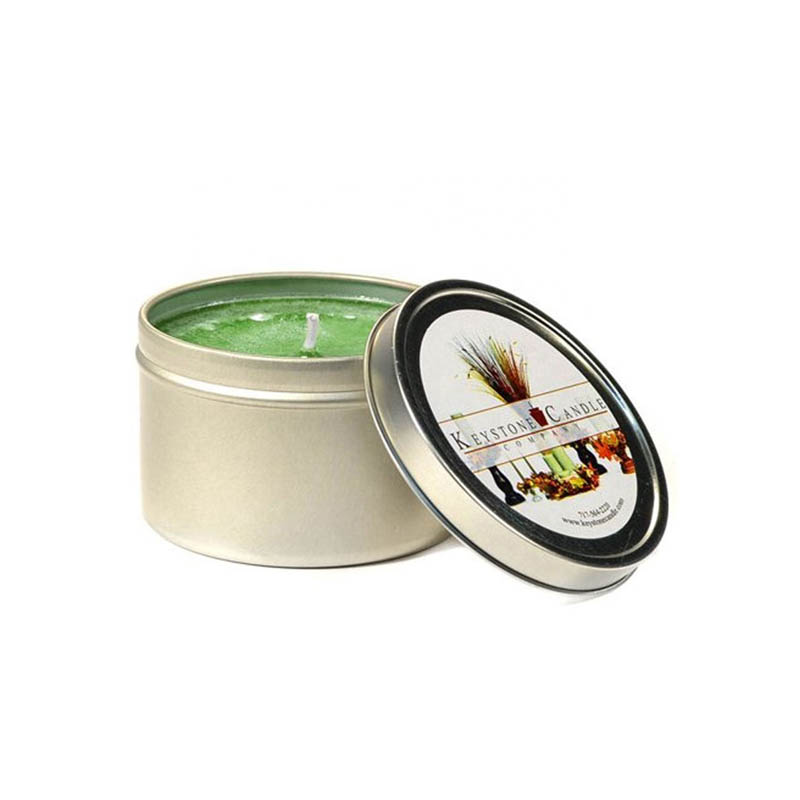
By utilizing candle tin packaging, the fragrance is protected and maintained over time. The convenience and simplicity of candle tin make it an excellent packaging choice for on-the-go use. Candle tins' versatility as a packaging option is due to their ability to come in various sizes and shapes. Candle tins' ability to resist water makes them an excellent choice for outdoor activities and events. Candle tins' flexibility for labeling and branding with custom logos and designs creates brand recognition.
Read More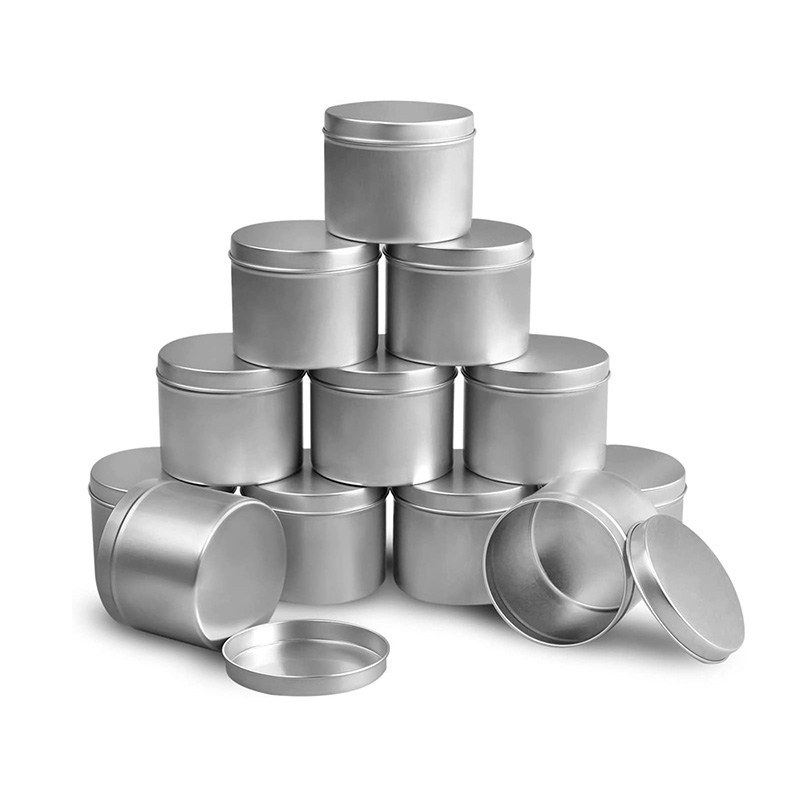
Candle tin packaging helps to prevent the fragrance from dissipating. Candle tin's user-friendly design provides a convenient and straightforward packaging solution. The availability of candle tins in different sizes and shapes makes them a flexible packaging option. The waterproof design of candle tins makes them a suitable option for outdoor activities and events. Customizing candle tins with logos and designs helps to establish brand identity and recognition.
Read More
You can select from a wide range of tea tin packaging options we provide. Modern manufacturing techniques ensure excellent sealing and extended tea preservation. Renowned tea brands like Lipton, Twinings, and Tetley trust our products. We use FDA-certified food-grade tinplate to ensure tea packaging safety. Our pantone and four-color printing systems guarantee vibrant and premium tin box designs.
Read More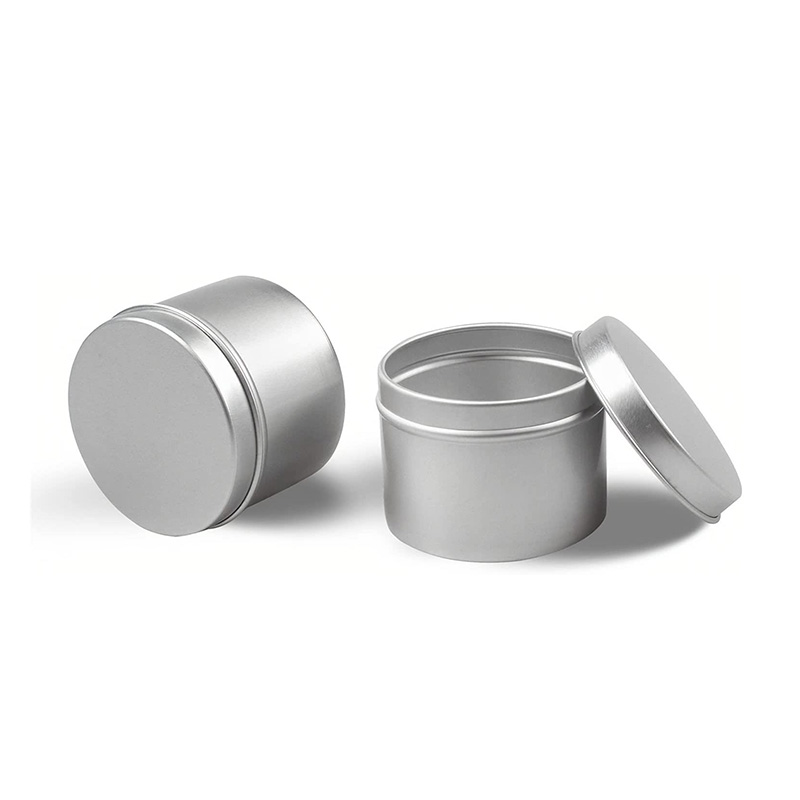
The customized nature of candle tins results in a unique and personalized selection. By being a versatile packaging option, candle tins are suitable for votives, tea lights, and pillar candles. Candle tins' practicality and portability make them an ideal choice for travel and camping. Candle tins' airtight construction preserves the fragrance of the candle and keeps it fresh, providing a long-lasting scent. Candle tin packaging provides a protective layer against moisture, dust, and other environmental factors.
Read More
We provide multiple choices for tea tin packaging to suit your needs. Our advanced technology guarantees secure sealing and long-lasting freshness for your tea Our loyal clients include global tea leaders such as Lipton, Twinings, and Tetley. Our tins are made from food-grade tinplate approved by the FDA for total safety. High-resolution pantone and CMYK printing machines provide striking tin box visuals.
Read More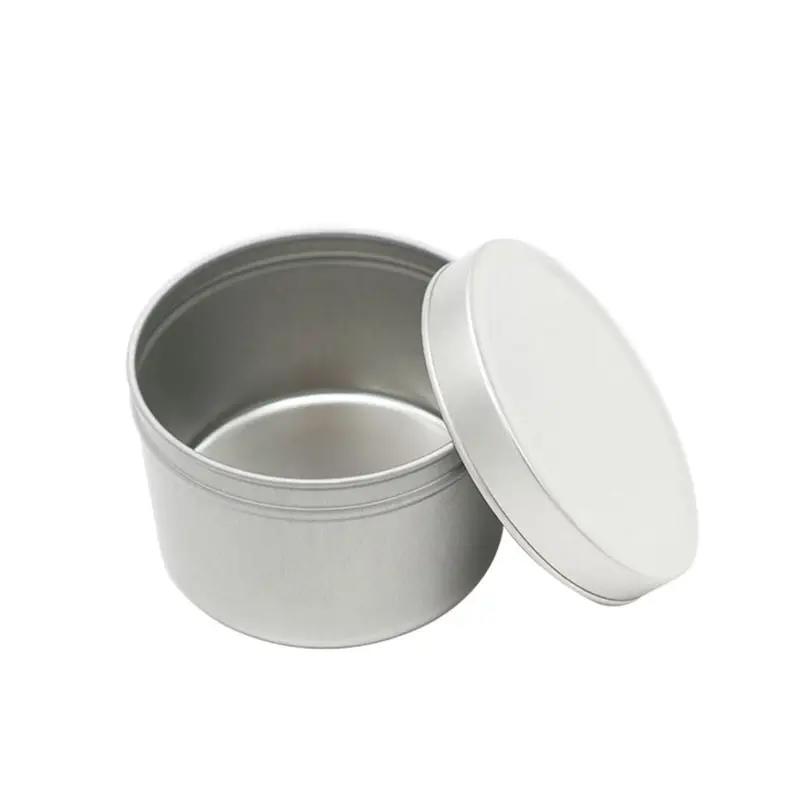
If your business has limited storage area, this is a stellar option that can be effortlessly stacked and stored. Both affordable and practical, making it a great choice for businesses. Several enduring partnerships have been forged, with Jo Malone, Voluspa, and Diptyque. Recyclable materials makes it a sustainable option for businesses, promoting environmental consciousness. Perfect for commercial shipping, this product's lightweight, durability, and affordability are unmatched.
Read More
A diverse selection of tea tin packaging solutions is available for you. Innovative processes help maintain your tea's quality and prolong its shelf life. Well-known tea companies like Lipton, Twinings, and Tetley rely on us. Your tea is packaged using FDA-approved materials to guarantee safety. We use advanced color printing equipment to deliver visually appealing tea tins.
Read More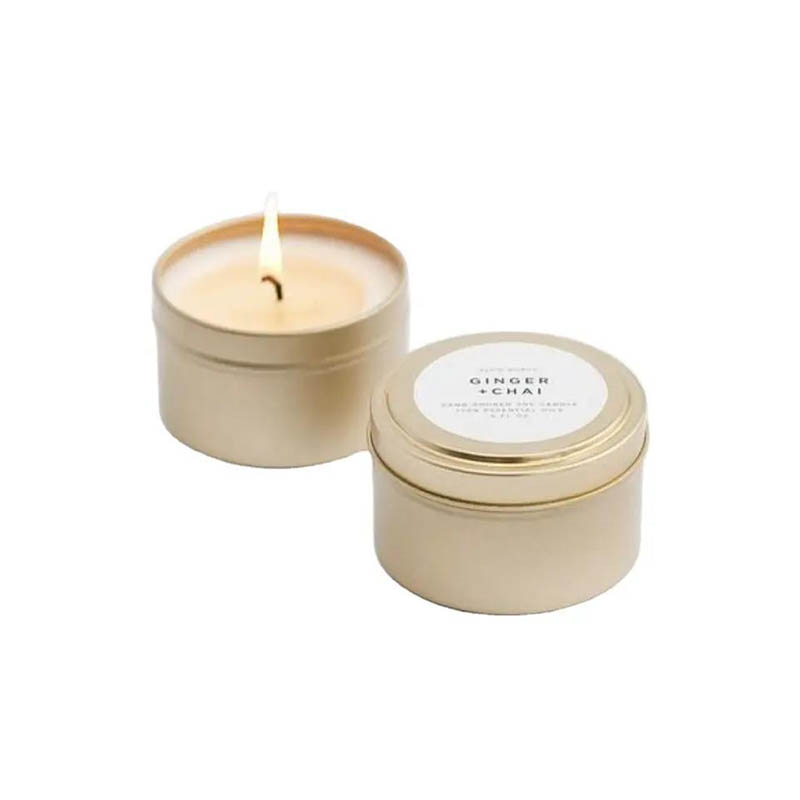
Personalization options for candle tins allow for a unique and tailored selection. Offer a versatile packaging solution that can accommodate votives, tea lights, and pillar candles. The portability and ease of transport of candle tins make them an excellent choice for travel and camping. The airtight design of candle tins helps to maintain the fragrance and keep it fresh for an extended period. Candle tin packaging safeguards against moisture, dust, and other environmental factors.
Read More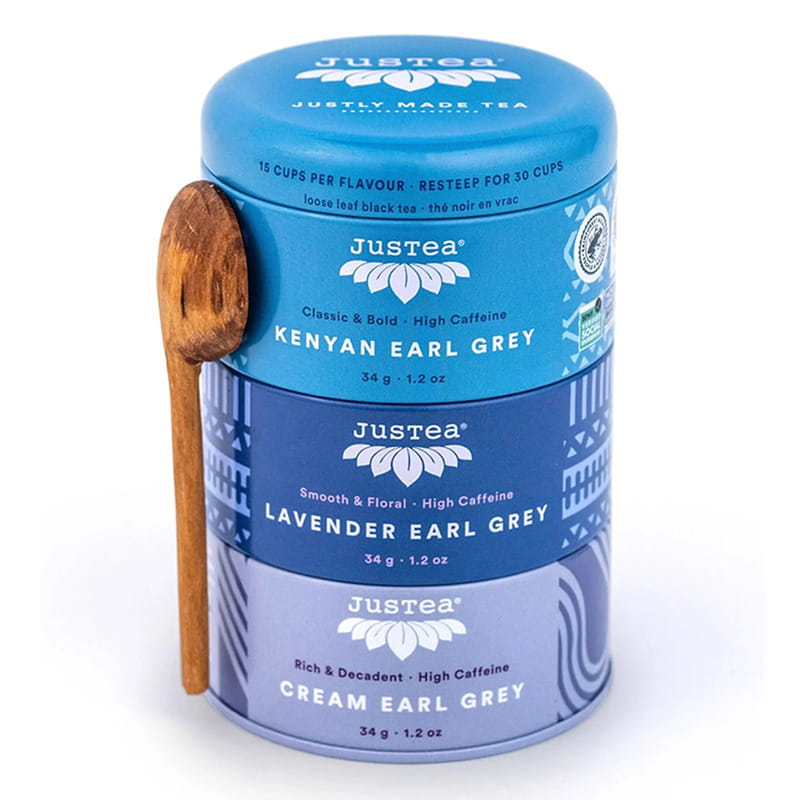
Our tea tin packaging options come in various styles to meet different preferences. With cutting-edge techniques, your tea stays well-sealed and fresh for longer periods. Trusted by top tea names—Lipton, Twinings, and Tetley among them. Only FDA-compliant food-safe tinplate is used in our tea packaging. The use of professional pantone and 4-color printers ensures top-tier tin box aesthetics.
Read More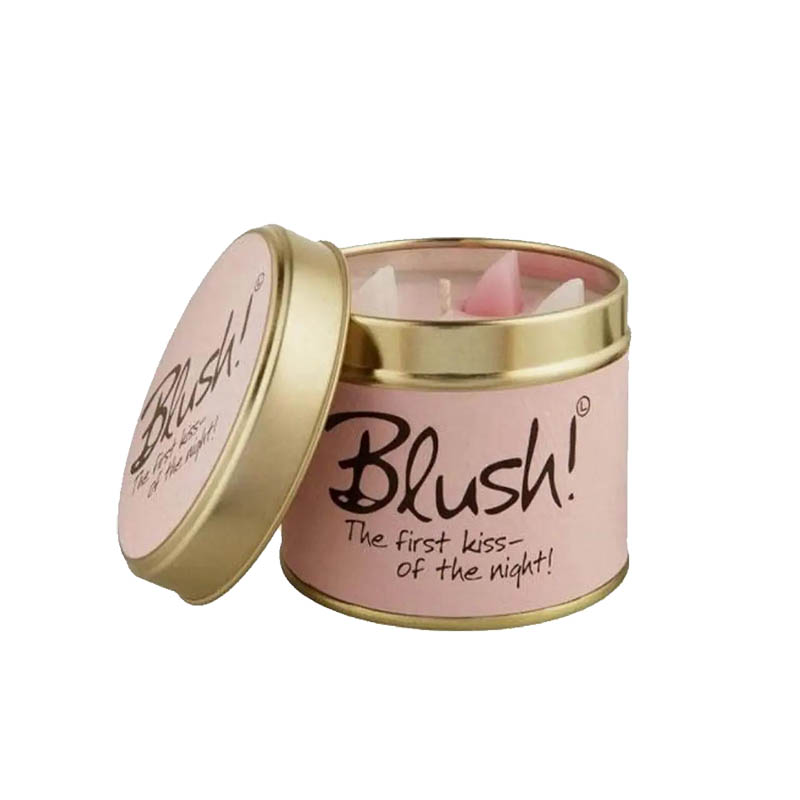
Can be modified to fit individual tastes and necessities, creating a distinctive and customized option. The versatility of candle tins allows for their use as packaging for votives, tea lights, and pillar candles. Candle tins are a convenient and straightforward option for packing and transporting, ideal for travel and camping. Candle tins' airtight construction preserves the scent of the candle and keeps it fresh for a longer duration. The protective properties of candle tin packaging shield candles from moisture, dust, and other environmental factors.
Read More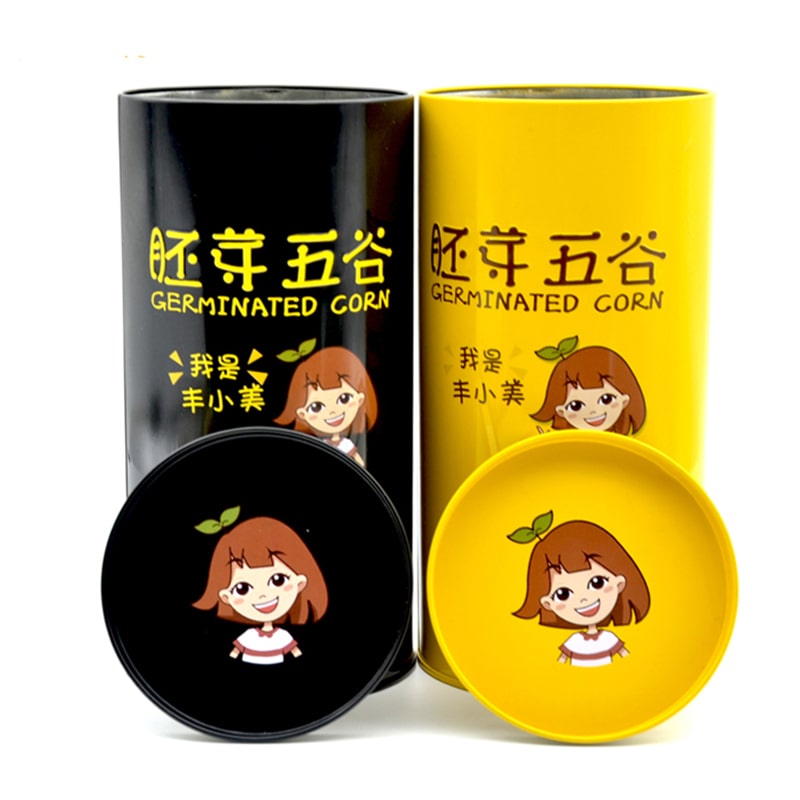
We supply a broad array of tea tin packaging solutions tailored to your requirements. High-end production methods provide airtight sealing and optimal storage for tea. Major tea brands, including Lipton and Tetley, are long-time customers. We ensure full safety for your tea with certified food-grade tinplate. Our tin packaging stands out thanks to expert color printing technology.
Read More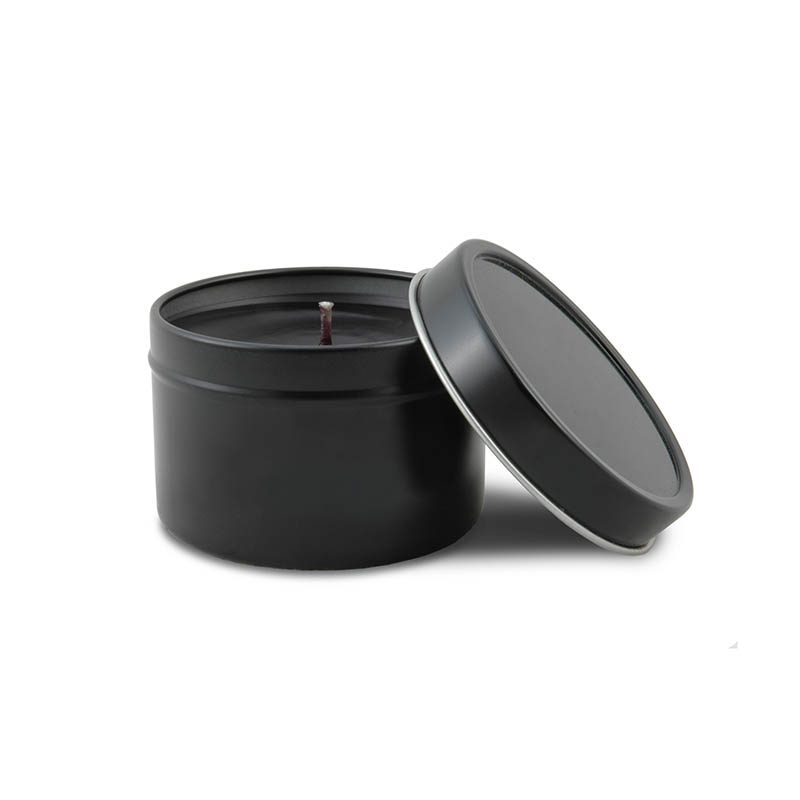
By tailoring candle tins to individual preferences and requirements, become a personalized selection. By being versatile, candle tins are ideal for packaging votives, tea lights, and pillar candles. Candle tins' compact size and portability make them an ideal option for travel and camping. The airtight nature of candle tins aids in preserving the scent of the candle and maintaining its freshness. By protecting against moisture, dust, and other environmental factors, candle tin packaging ensures the quality.
Read More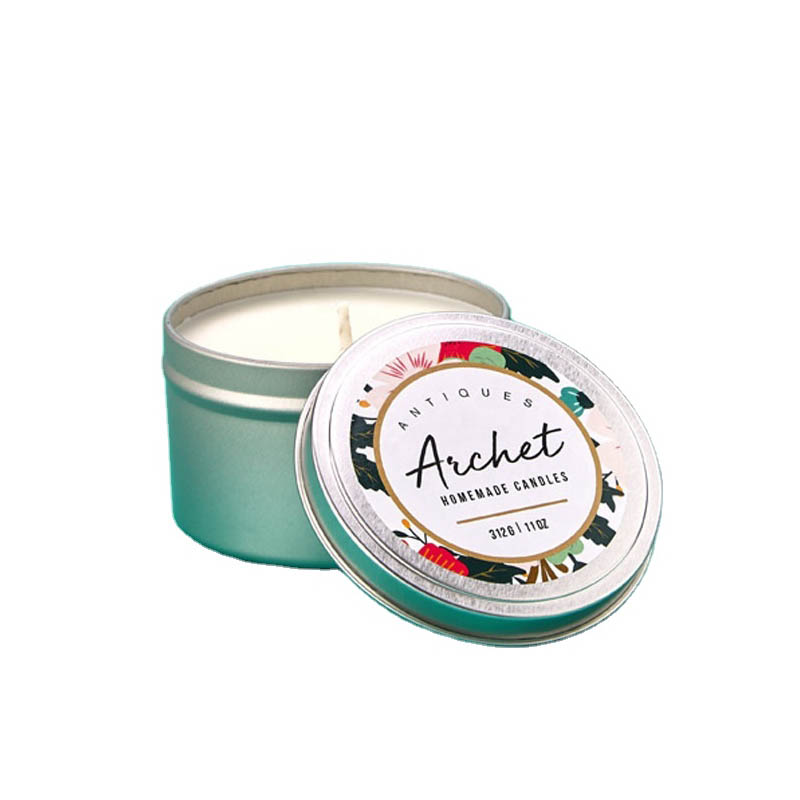
Candle tins can be personalized to meet individual needs and likes, resulting in a distinct and bespoke choice. Candle tins' versatility makes them an excellent packaging choice for votives, tea lights, and pillar candles. Eeasy to pack and transport, candle tins are a perfect choice for those who enjoy traveling and camping. Candle tins' airtight design helps to keep the fragrance of the candle intact and fresh for a longer duration. Offers protection against moisture, dust, and other environmental factors, ensuring the candle's longevity.
Read More
Our packaging offerings for tea tins come in many varieties to best fit your brand. Advanced sealing technologies support long-term preservation of your tea. Leading brands such as Lipton and Twinings have chosen our services for years. All our tea tins are crafted from food-grade tinplate meeting FDA standards. Accurate pantone and multi-color printing make your tin packaging look exceptional.
Read More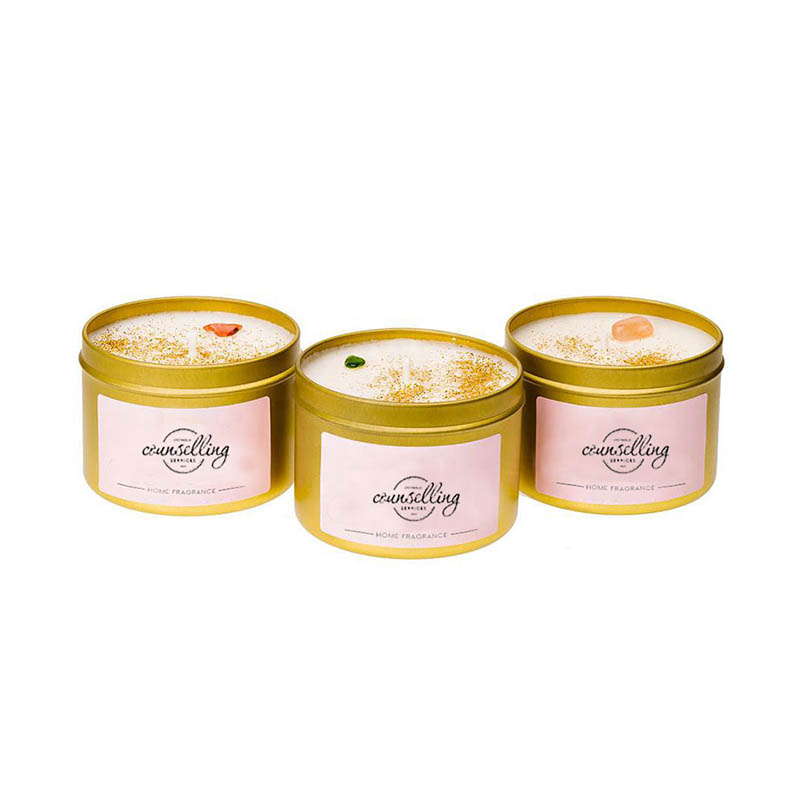
It is a superb choice for businesses with a shortage of storage area, as it can be stacked and stored effortlessly. A cost-effective and functional choice, making it a great option for businesses with limited budgets. Enduring collaborations are plentiful, with Jo Malone, Voluspa, and Diptyque being notable examples. Recyclable materials, businesses can promote sustainability and environmental consciousness. Commercial shipping is something that is lightweight, durable, and affordable.
Read More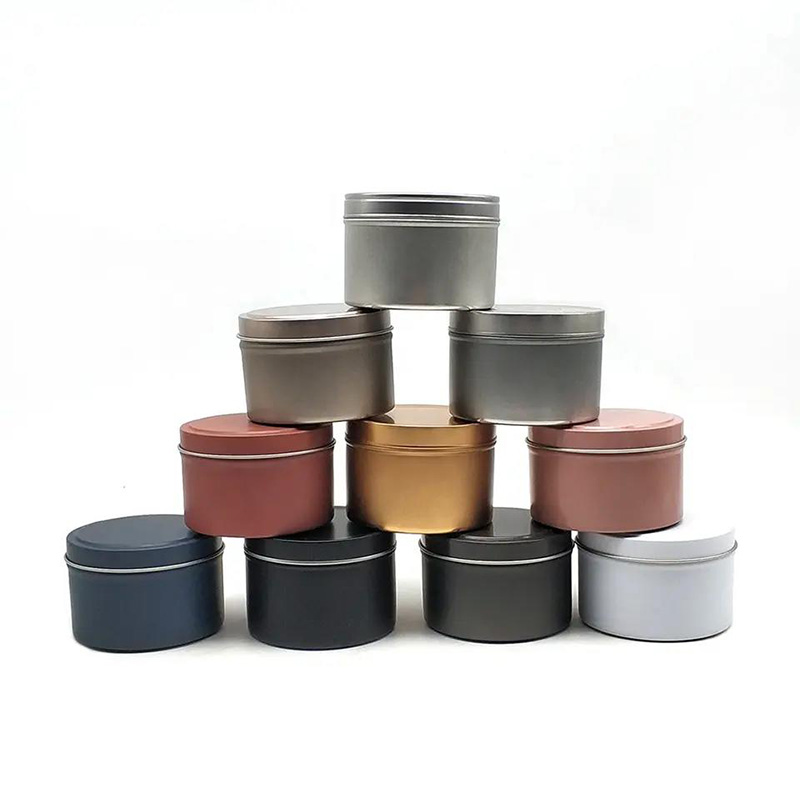
Candle tins can be tailored to individual preferences and necessities, making them a singular. Candle tins' versatility allows for their use as packaging for votives, tea lights, and pillar candles. By being easy to pack and transport, candle tins provide a hassle-free option. By being airtight, candle tins help to retain the fragrance of the candle and keep it fresh for a longer duration The protective features of candle tin packaging defend against moisture, dust, and other environmental factors.
Read More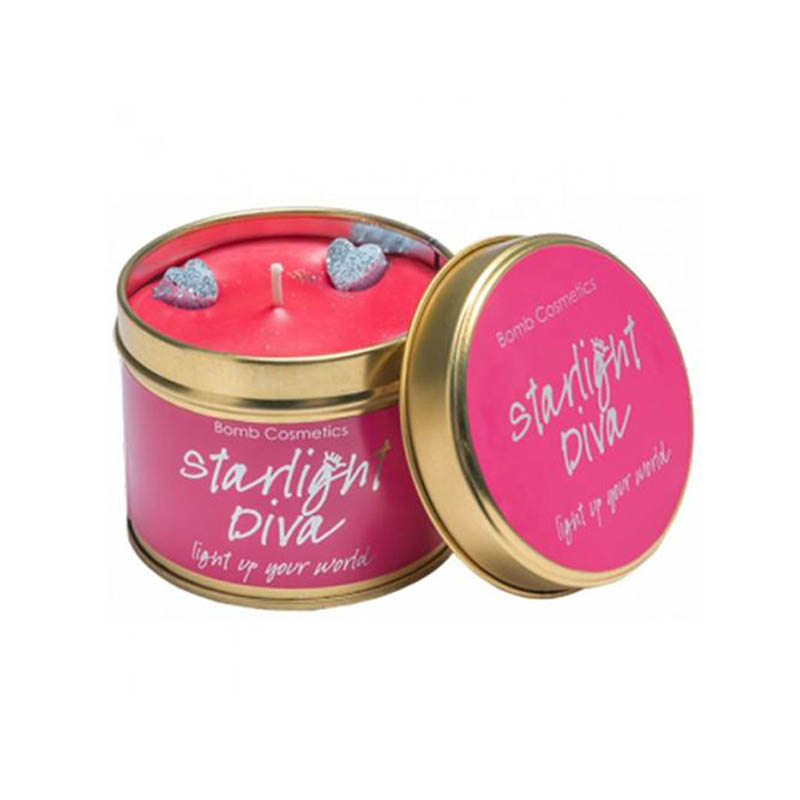
By using candle tin packaging, the scent is safeguarded and remains intact for a longer duration. he practicality and ease of use of candle tin make it an ideal packaging option for those who are on-the-go. Candle tins' versatility as a packaging solution is due to their ability to accommodate different sizes and shapes. By being water-resistant, candle tins provide a practical solution for outdoor activities and events. By accommodating custom logos and designs, candle tins offer an ideal solution for creating brand recognition.
Read More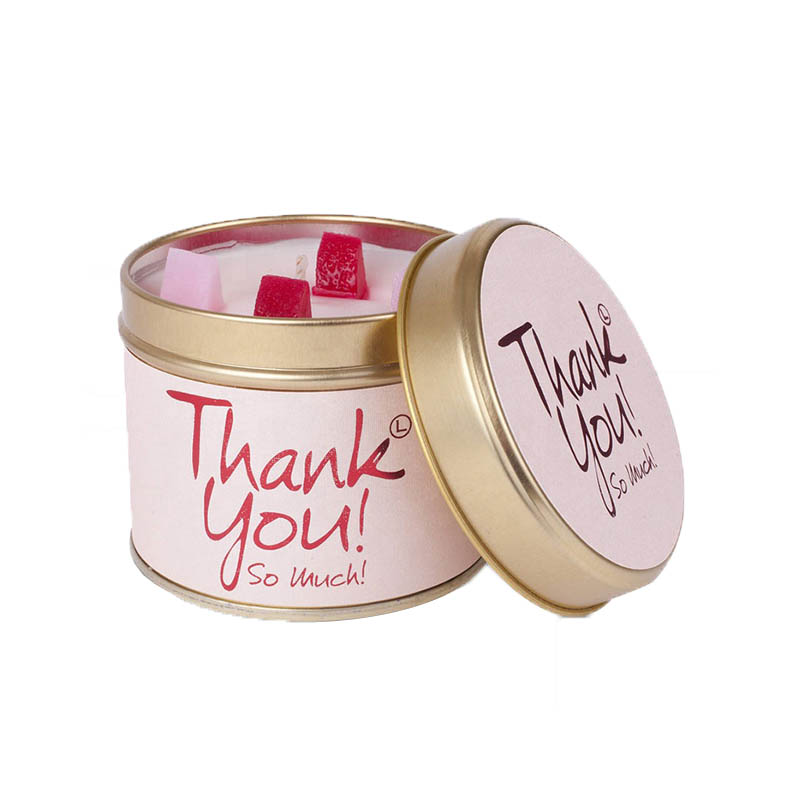
When storage space is at a premium, this is an excellent option that can be stacked and stored with ease. Economical and practical alternative, ideal for businesses looking to cut costs. Long-lasting partnerships in place, including those with Jo Malone, Voluspa, and Diptyque. Sustainable choice for businesses, as it utilizes recyclable materials that encourage environmental responsibility. Its low cost, combined with its lightweight and durability, make this the perfect option for commercial shipping.
Read More
A prime choice for businesses with limited storage capabilities, as it can be effortlessly stacked and stored. For businesses that prioritize affordability and practicality, this option is an excellent choice. Notable enduring collaborations include those with Jo Malone, Voluspa, and Diptyque. Recyclable materials is an eco-friendly choice that promotes sustainability and environmental consciousness Commercial shipping is made easy with this product's lightweight, durability, and affordability.
Read More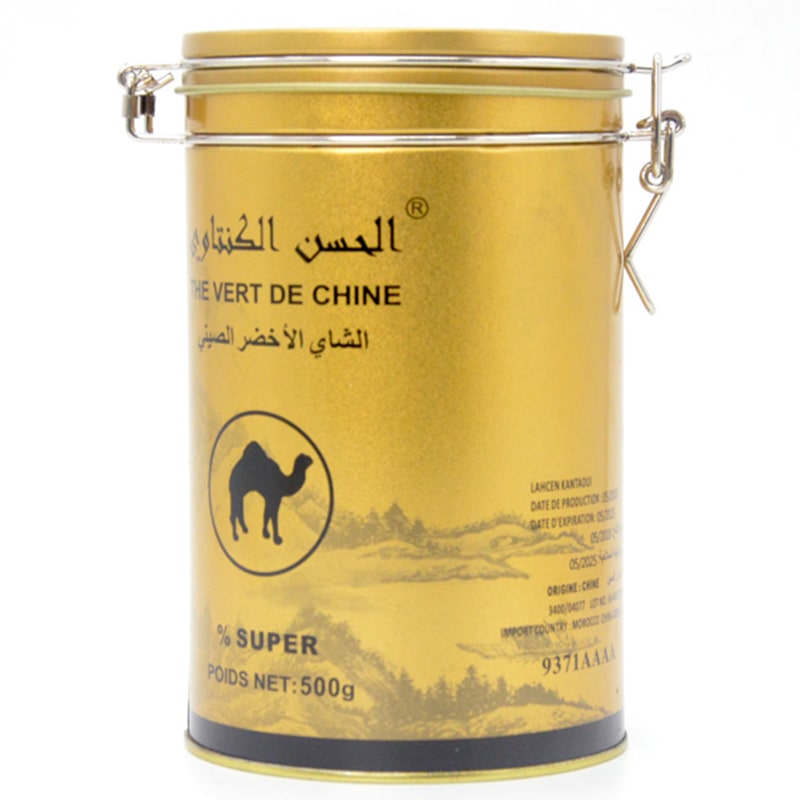
Explore our extensive selection of coffee tins tailored to different coffee brands. Protect your coffee's flavor with our high-performance sealing technology. Leading coffee roasters choose our premium tins for branding and freshness. Your coffee stays uncontaminated and clean with our certified tin packaging. Our coffee tins feature stunning HD prints to capture consumer attention.
Read More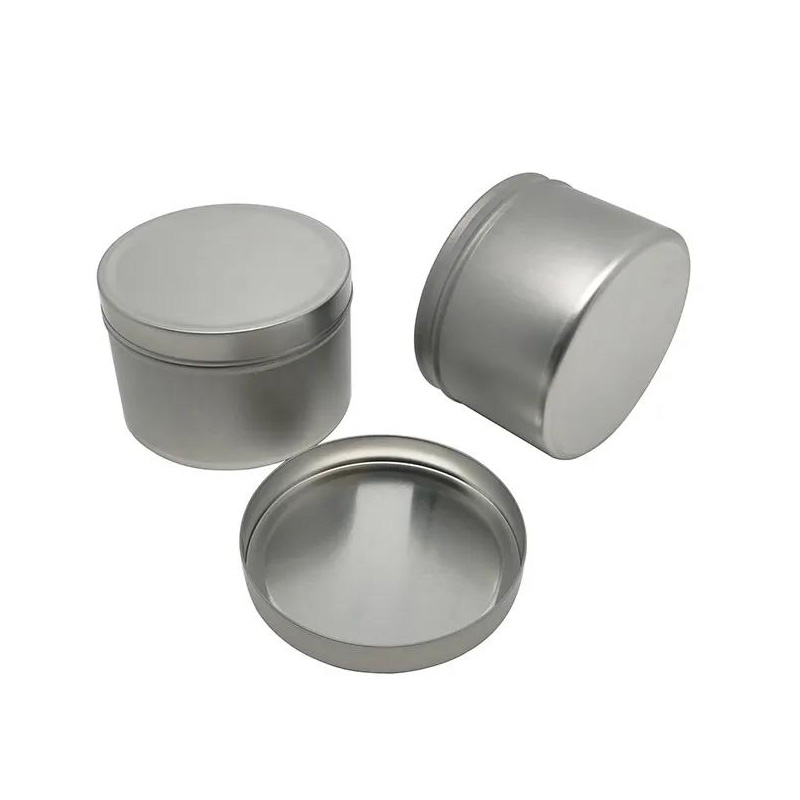
A top-notch option for businesses with minimal storage space, it can be stacked and stored with ease. A practical and budget-friendly option, perfect for businesses that want to stay within their financial means. Numerous enduring collaborations, such as those with the Jo Malone, Voluspa, Diptyque. Recyclable materials, businesses can promote sustainability and environmental awareness. The trifecta of lightweight, durability, and low cost make this perfect for commercial shipping.
Read More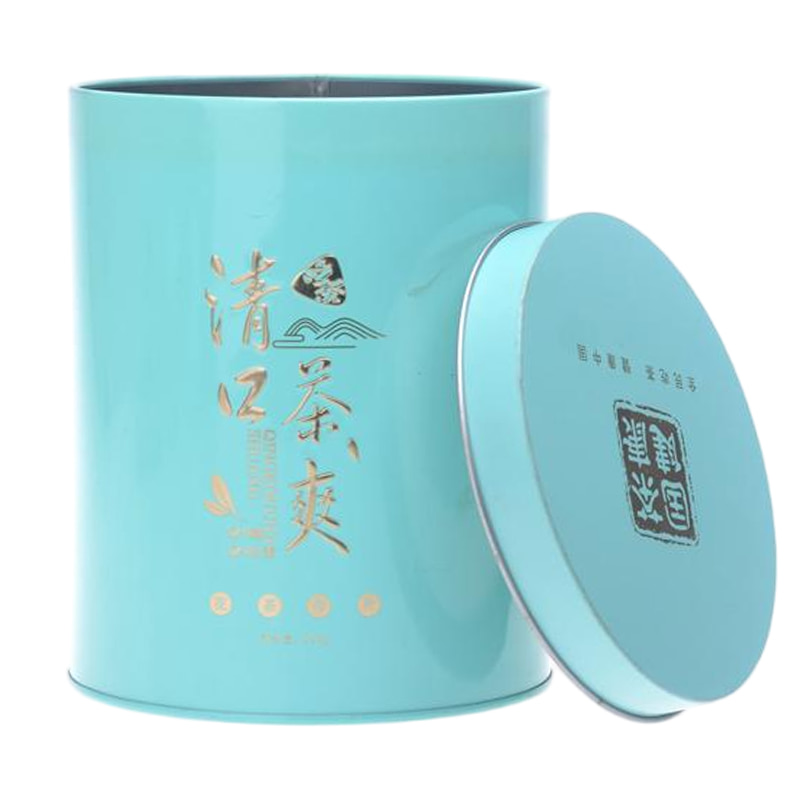
Our coffee tin range caters to every packaging need, from classic to modern styles. Innovative sealing ensures your coffee stays rich, flavorful, and long-lasting. Our coffee tins are the choice of well-known coffee companies worldwide. Count on our food-safe tins to protect your coffee from exposure and impurities. Elevate your coffee’s shelf appeal with bold, custom tin designs.
Read More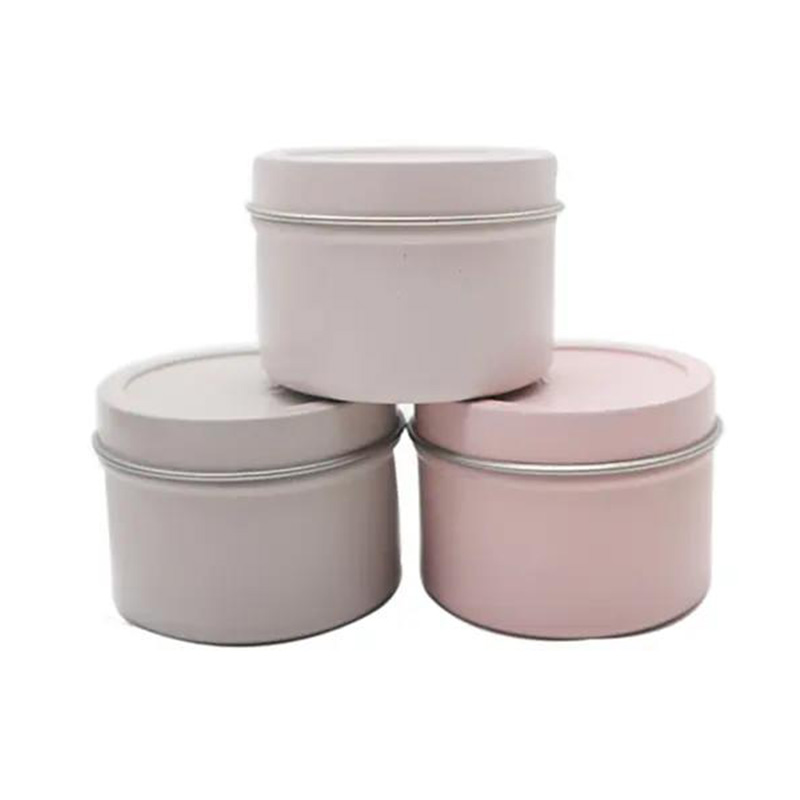
With limited storage space, it's an excellent choice that can be easily stacked and stored. A budget-friendly and pragmatic choice, perfect for businesses that prioritize cost savings. Many long-lasting partnerships, including those with Jo Malone, Voluspa, and Diptyque. Recyclable material is environmentally sustainable, promoting eco-friendliness for business. Ideal for commercial shipping due to its lightweight and durable nature, as well as its low cost.
Read More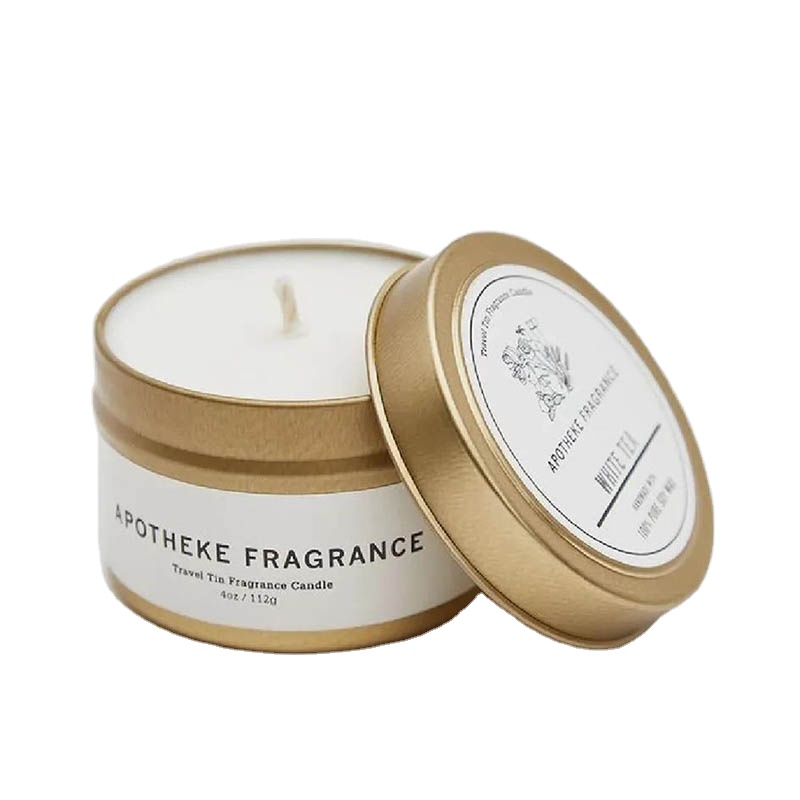
If storage space is limited, this is a great option that can be stacked and stored with ease. Economical and functional, making it a great fit for businesses on a budget. Numerous enduring collaborations, such as those with Jo Malone, Voluspa, and Diptyque. Recyclable materials makes a sustainable choice for businesses, encouraging environmental awareness. Commercial shipping is made perfect by the combination of its lightweight, durability, and low cost.
Read More
Fantastic choice for businesses with restricted storage capacity, it can be stacked and stored effortlessly. Affordable and useful alternative, well-suited for businesses that value cost-effectiveness. Long-term partnerships with notable examples including Jo Malone, Voluspa, and Diptyque. Sustainable option for businesses, recyclable materials that promote environmental consciousness. Its low cost, coupled with its lightweight and durability, make it a great choice for commercial shipping.
Read More
With limited storage space in mind, this is an outstanding option that can be stacked and stored without difficulty. The perfect solution for cost-conscious businesses, as it is a practical and affordable option. Several enduring collaborations have been established, including those with Jo Malone, Voluspa, and Diptyque. Recyclable materials promotes sustainability for businesses and encourages environmental responsibility. The perfect solution for commercial shipping is its lightweight, durability, and affordability.
Read More
From small-batch roasters to large brands, we have coffee tins to match every need Your coffee stays fresher, longer, thanks to our modern sealing systems. Global coffee names turn to our tin cans for reliable, stylish packaging Certified food-safe materials guarantee your coffee stays untouched and fresh. Our tins showcase your coffee with stunning, detailed artwork.
Read More
Our coffee tin solutions come in versatile shapes and sizes to fit your brand. We use cutting-edge tin sealing to preserve coffee taste and quality. Premium coffee deserves premium tins—trusted by industry leaders. Keep your coffee hygienic with our contaminant-free tin packaging. Impress buyers with eye-catching coffee tins designed to turn heads.
Read More
Easy to store and can be stacked, making it a great choice for businesses with limited storage space. Cost-effective, making it a great choice for businesses on a budget. Many long-term partnership including Lipton, Twinings and Tetley. Recyclable, making it an eco-friendly choice for businesses. Lightweight and easy to transport, making it ideal for commercial shipping.
Read More
We customize coffee tins to align with specific market trends and customer needs. Extend your coffee's shelf life with our secure and airtight tin solutions. Leading coffee exporters choose our tins to deliver quality with every cup. Designed for food safety, our coffee tins protect against moisture and bacteria. Custom coffee tins printed with precision for maximum visual impact.
Read More
Choose from our extensive range of customizable coffee tins designed for impactful branding. Sealed metal coffee tins that maintain peak freshness over time. Used by global names such as Illy and Lavazza, our coffee tins deliver excellence. Safety first—our coffee tins are made from certified food-safe materials. Custom printed coffee tin boxes designed to attract attention in retail environments.
Read More
Our customizable metal coffee tins offer endless branding possibilities. Engineered coffee tins for maximum freshness and aroma retention. Leading coffee brands trust our coffee tins for their product presentation. Our metal coffee tins comply with international food safety standards. Enhance product visibility with vibrant printing on every coffee tin.
Read More
Custom coffee tin packaging solutions to make your coffee brand stand out. Long-lasting freshness starts with our precision-lock coffee tins. Renowned labels like Nescafé use our coffee tin packaging solutions. Crafted from premium-grade tinplate, our coffee tins prioritize safety and quality. Coffee tins with full-color printing that bring your packaging to life.
Read More
Design your own coffee tin box and strengthen your shelf appeal. Keep your coffee fresh with our sealed coffee tin packaging. Renowned labels like Nescafé use our coffee tin packaging solutions. Food-grade metal coffee tins built for global compliance and durability. Use Pantone or CMYK options to create distinctive branded coffee tins.
Read More
Unlock premium branding with personalized coffee tin containers in bulk. Our food-safe coffee tins ensure a longer shelf life and richer taste. Coffee tin packaging trusted by market leaders across the globe. Each coffee tin box is produced to meet strict hygiene and quality standards. Coffee tin packaging that blends aesthetics and functionality with high-quality printing.
Read More
From minimalist to bold, our coffee tin packaging adapts to your unique brand style. Designed to seal in flavor, our metal coffee tins protect your coffee’s integrity. Recognized by international coffee producers for superior tin quality. Rely on our coffee tins for both safe storage and professional presentation. Boost shelf appeal with vivid custom-printed coffee tins.
Read More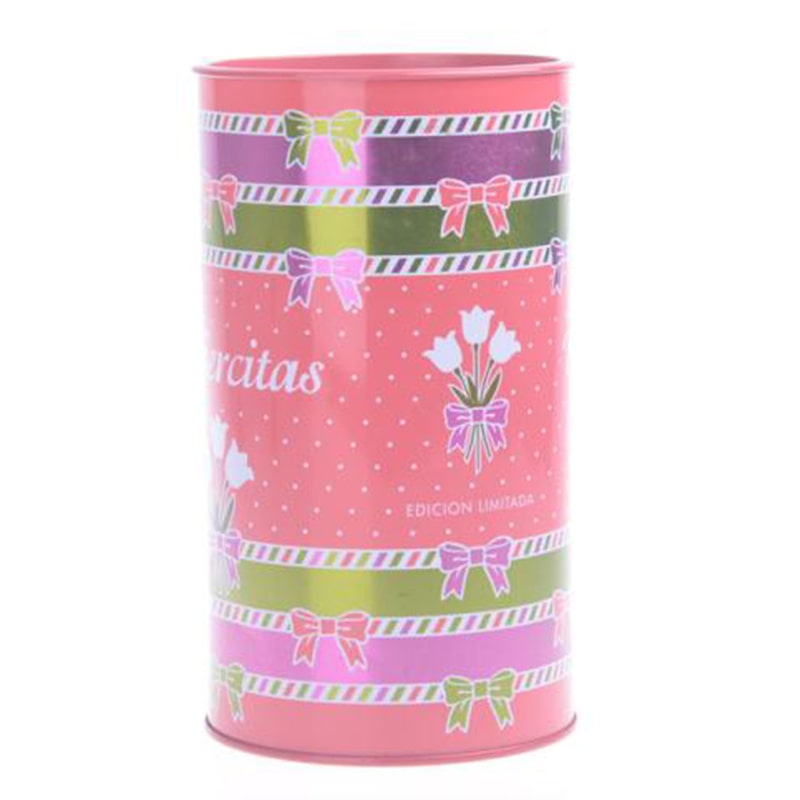
Coffee tin boxes engineered for brand recognition and market differentiation. Coffee storage tins crafted to preserve freshness from roastery to cup. Our coffee tins meet the global standards of top-tier coffee companies. Our coffee tin containers combine visual appeal with FDA-level food safety. Make your product unforgettable with branded, color-rich coffee tin containers.
Read More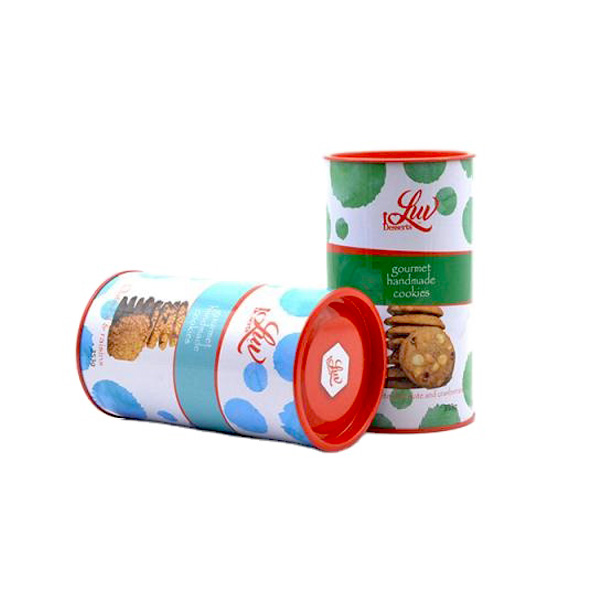
This customised embossed logo cookie biscuit tin can is designed for brands that want a round food-grade metal package with stronger shelf recognition and reusable gift value. The round tinplate body, wide printable lid and raised-logo option make it suitable for butter cookies, biscuits, candy, chocolate, bakery gifts and private-label cookie tin packaging programs.
Read More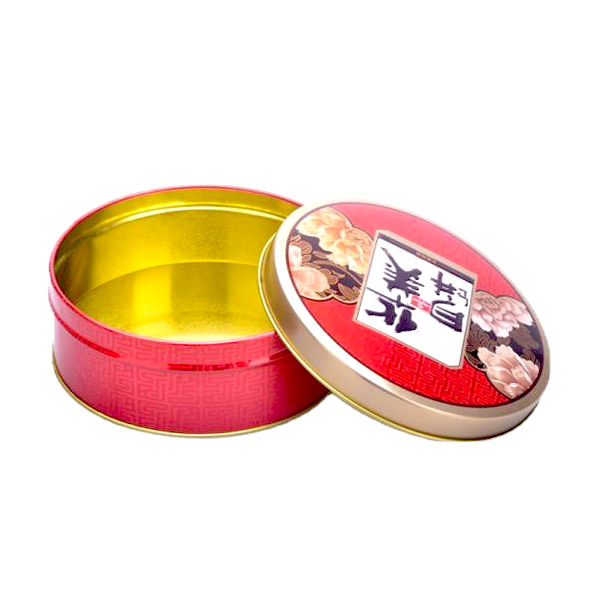
This customised round metal mooncake cake tin box packaging is designed for Mid-Autumn mooncake gifts, bakery cakes, cookies, candies and premium festival food sets. The round food-grade tinplate body gives the package a reunion-inspired gift shape, while custom printing, inserts, liners, window options and export carton packing help brands create a reusable mooncake tin box for retail, corporate gifting and seasonal promotions.
Read More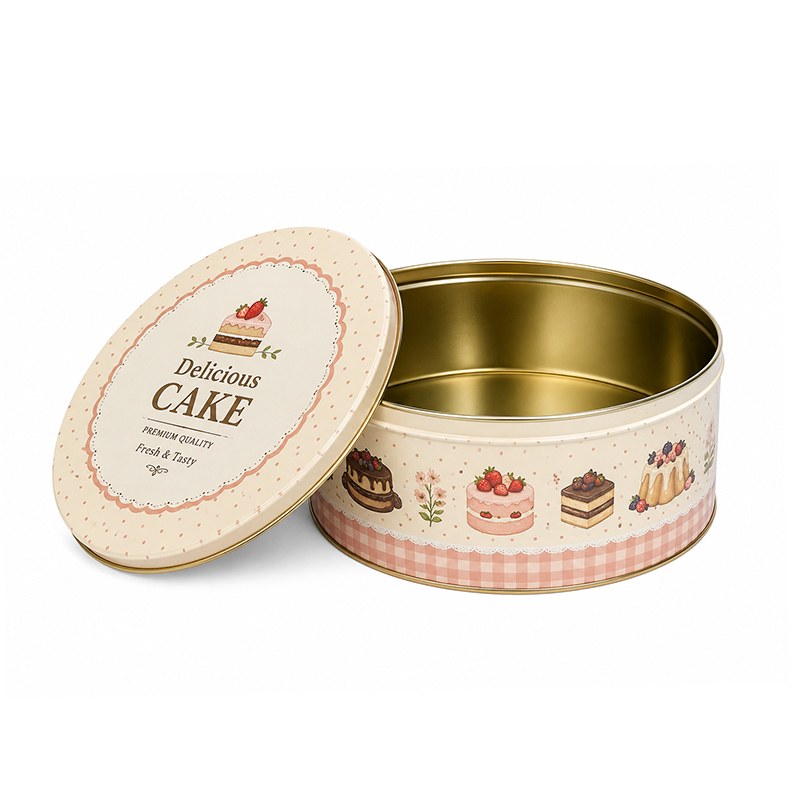
Round metal cake tins with lids package finished cakes, pastries and bakery gifts; this model is not intended for oven baking. The reference size is 220 mm in diameter and 70 mm high; usable space must accommodate cake boards, decorations and lid clearance. Cake boards, fitted trays and greaseproof liners help support baked products, limit movement and separate food from the metal surface. Standard removable lids provide reclosure but are not automatically airtight; sealed inner packaging may be needed for moisture and aroma protection. Fresh cream and mousse cakes need suitable trays, protective wrapping and cold-chain arrangements beyond the metal outer container. Custom CMYK or Pantone printing, matte or glossy varnish and embossing allow coordinated bakery branding across the lid and body. For Jinyu orders, the standard minimum is 5,000 pieces per design; confirm cake dimensions, internal packaging and the approved sample before production.
Read More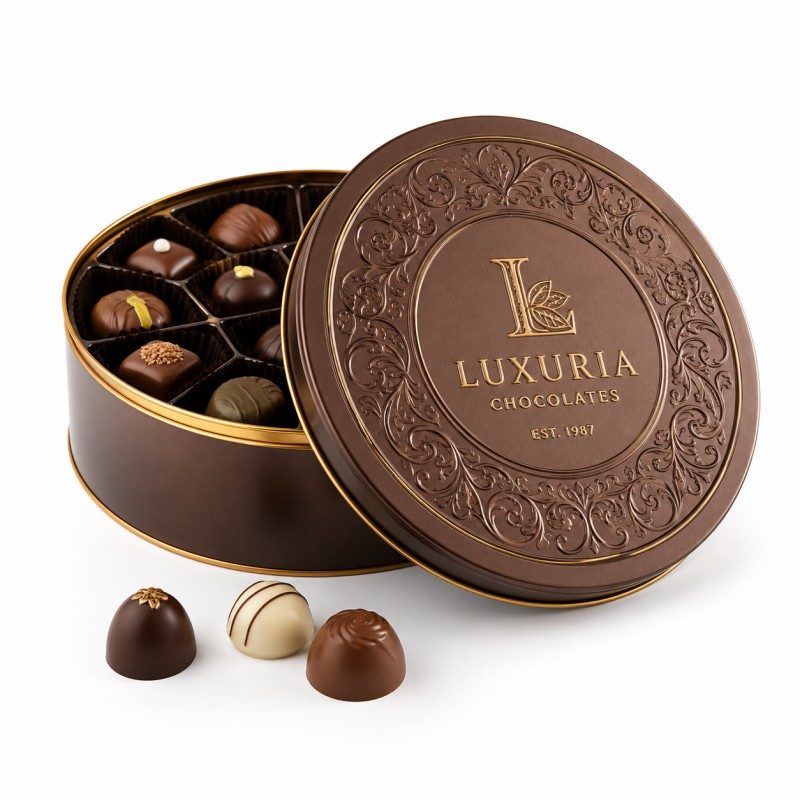
This luxury personalized chocolate tin box is created for chocolatiers, confectionery brands, corporate gift companies, retailers and private-label buyers that want the packaging to feel exclusive before the tin is even opened. The round metal box can feature an embossed logo, monogram, anniversary mark or collection emblem on the lid, turning the packaging into a recognisable brand object rather than a disposable chocolate container. Custom printing, metallic details, fitted chocolate trays, gift cards and outer sleeves can be coordinated for premium retail collections, seasonal launches and corporate gifting programmes.
Read More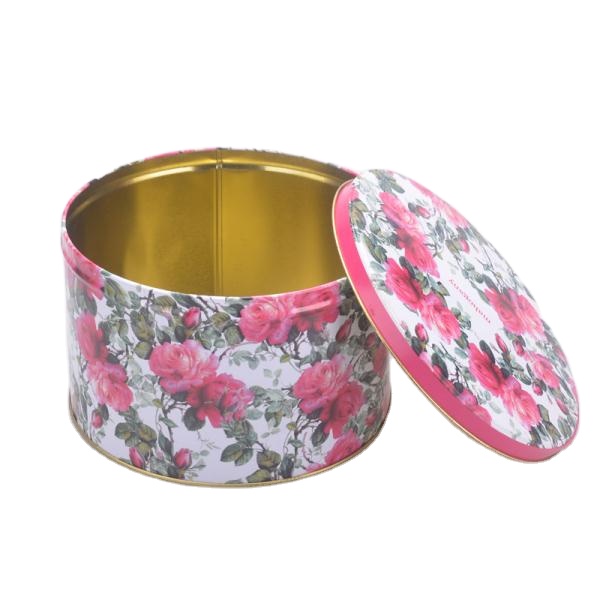
This food grade deep round tin container is designed for chocolate gift packaging, pralines, truffles, candy assortments, cookies and premium confectionery sets that need stronger protection and reusable value. The round food-grade tinplate body, wide printable lid and customizable inner structure make it suitable for a chocolate tin can, chocolate gift tin box, empty chocolate tin box supply and custom chocolate tin wholesale projects.
Read More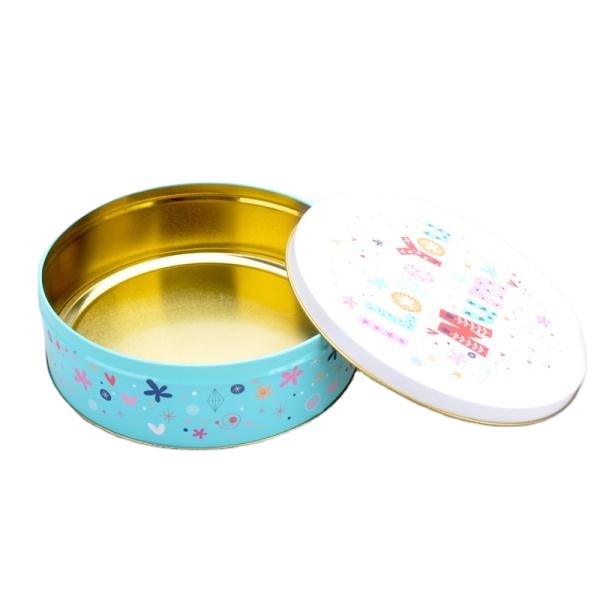
We have a wide range of candy packaging options available to suit any type of packaging. The airtight seal on candy tins is essential in maintaining the freshness for a longer time. The vivid and striking designs on candy tin boxes make them easy to identify. Candy tin packaging is an ideal choice for hygienic food packaging as it is easy to clean and sanitize. Candy tins are made of sturdy material that provides maximum protection to against breakage or crushing.
Read More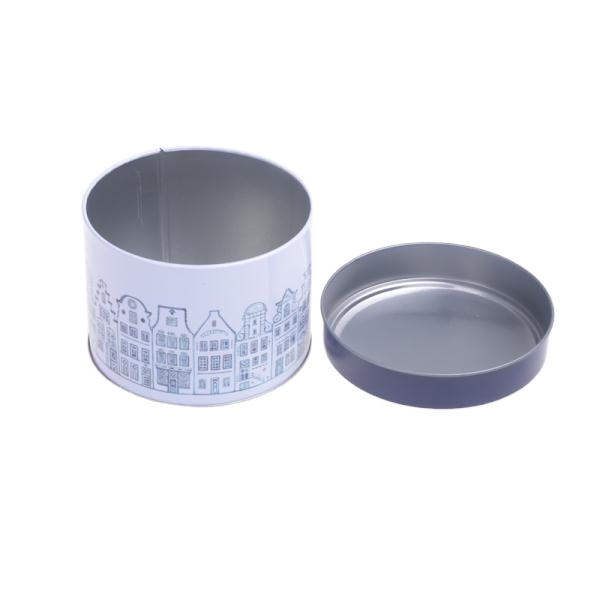
This small round metal cookie biscuit tin can is designed for cookie brands, biscuit factories, bakery gift suppliers and food packaging buyers that need factory-direct round tin packaging with custom printing and reusable storage value. The round food-grade tinplate body is suitable for cookies, biscuits, candy, chocolates, snacks and seasonal gift sets, while JINYU supports mold review, artwork proofing, sampling, mass production and export packing.
Read More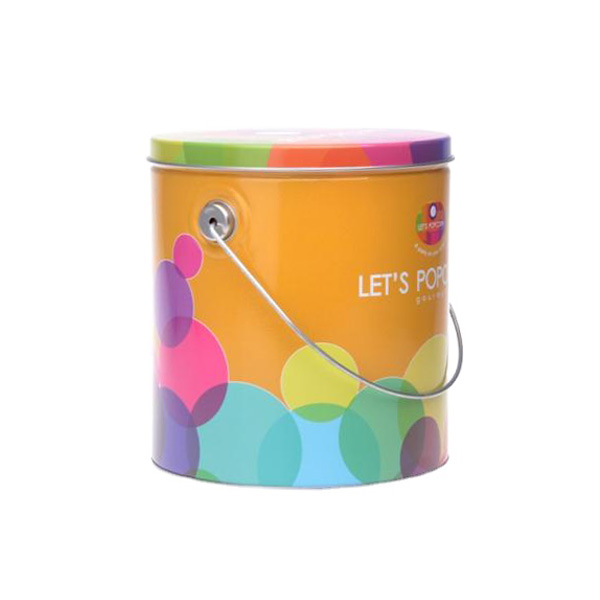
This custom metal tin popcorn bucket is designed for gourmet popcorn, caramel popcorn, chocolate popcorn, cookies, biscuits, pretzels, candy and seasonal snack gifts that need a tall round metal container with reusable value. The food-grade tinplate body, round bucket-style shape, fitted lid and portable handle make it suitable for popcorn tin packaging, empty popcorn tin supply, custom printed popcorn tin projects and popcorn tin can wholesale programs for holidays, retail gifts and promotional snack brands.
Read More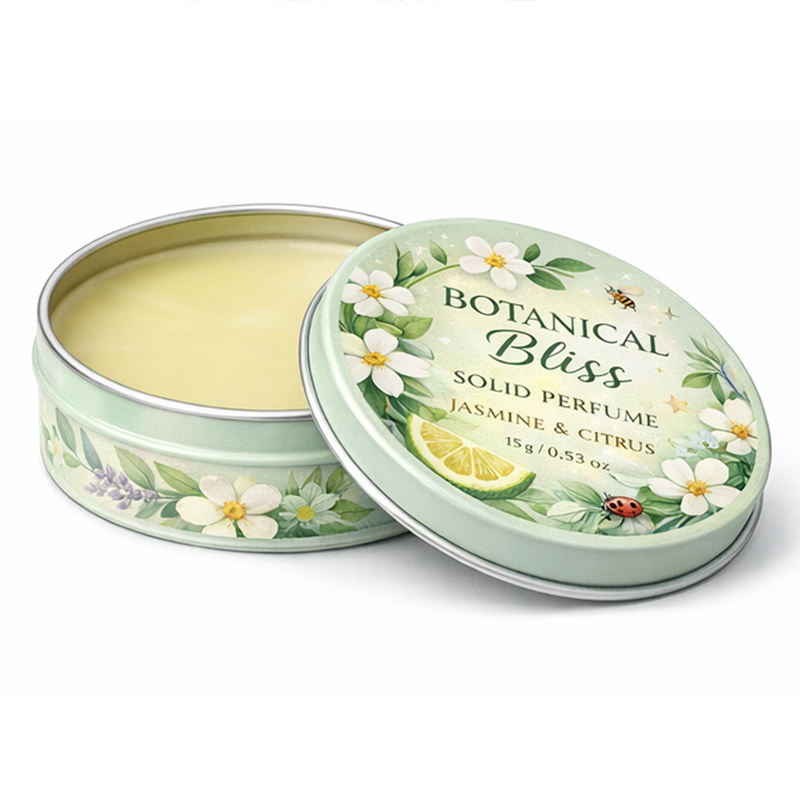
Small solid-format beauty products require packaging that is compact, durable, and easy to carry. This round seamless metal tin jar is designed for brands producing essential oil balms, solid cologne, beard care products, hair clay, lipstick, ointment, and other cream-based personal care products. With a smooth round structure and seamless metal appearance, this cosmetic tin container provides a practical packaging option for modern beauty, grooming, and wellness brands looking for a premium alternative to conventional containers.
Read More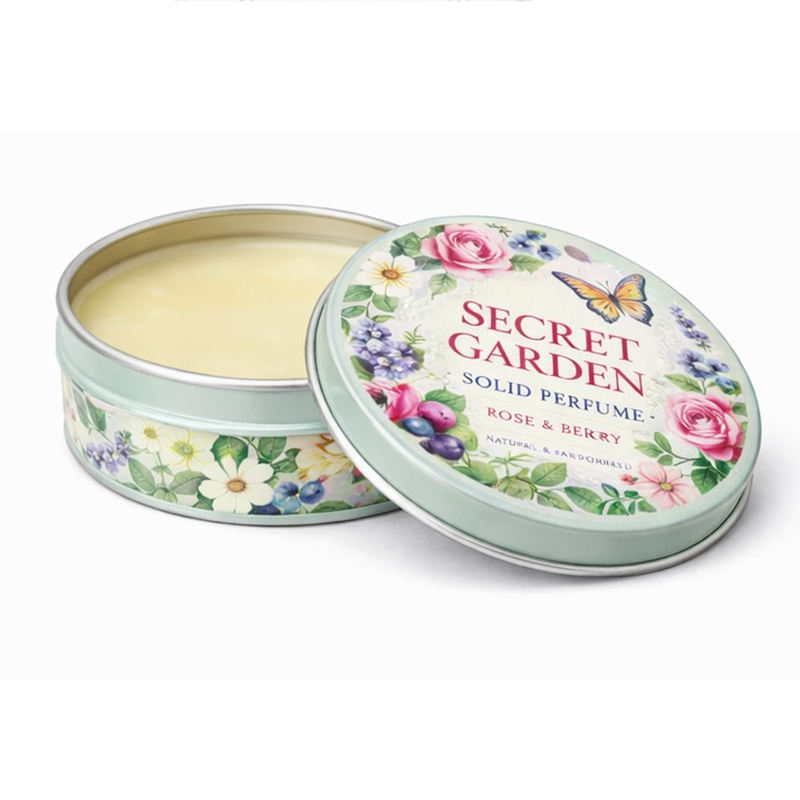
Shallow tin jars are a practical packaging choice for brands producing cream-based, balm, wax, and semi-solid personal care products. This customized metal tin container is designed for cosmetic manufacturers, skincare brands, hair styling companies, and private label suppliers looking for durable and visually appealing packaging solutions. With a low-profile shallow structure, this tin can provides easy access for hand application products such as salve, lotion balm, hair wax, pomade, polish, and cosmetic creams while offering a premium metal packaging appearance.
Read More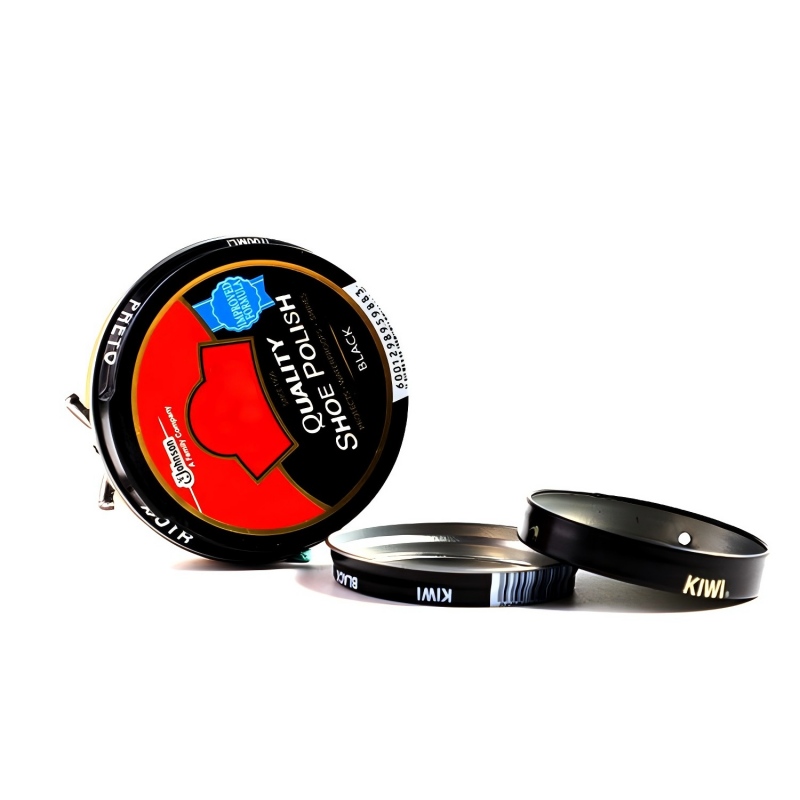
Shoe care products require packaging that reflects quality, durability, and craftsmanship. This custom round metal shoe polish tin can is designed for shoe polish brands, leather care manufacturers, footwear accessory suppliers, and private label companies looking for reliable packaging solutions for wax polish, leather conditioner, and maintenance products. Featuring a durable round metal structure with optional embossed logo decoration, this empty shoe polish tin container provides a classic packaging format that combines practical storage with premium brand presentation.
Read More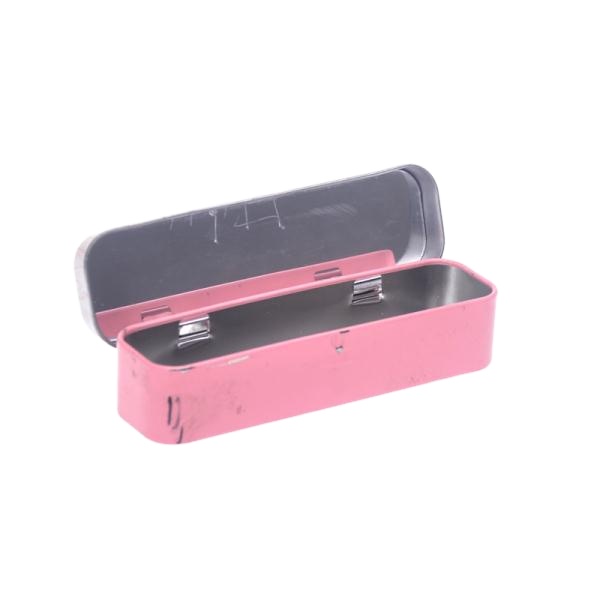
A rectangle hinged lid pencil tin case combines the long, practical proportions needed for pens and pencils with an attached metal lid that stays connected to the body every time the case is opened. This small structural difference changes the way the product is used. The lid does not need to be placed separately on a desk, the inside can be presented as one complete stationery set when opened, and the hinge creates a defined front and back orientation for both artwork and product display.
Read More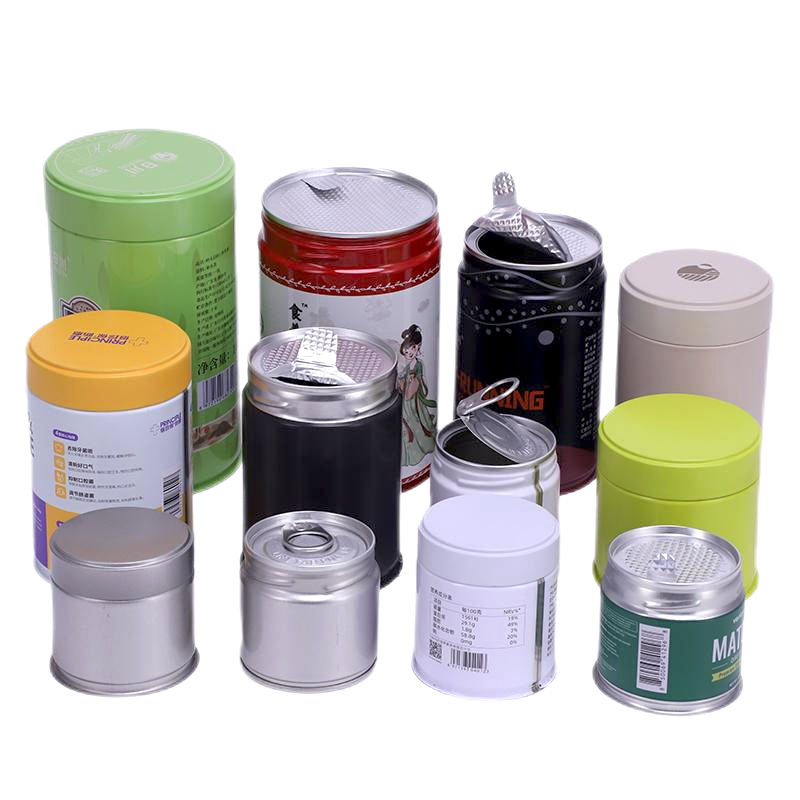
Give your matcha a distinctive first opening and a practical place in your customer's daily routine. This round matcha tin combines a single-use ring-pull inner seal with a reusable screw-top outer lid, bringing retail presentation and convenient reclosure into one customisable metal pack. Jinyu supplies empty matcha powder tins for tea brands, private label importers, specialty retailers and café brands. Develop your pack around a 30g, 50g or 80g target fill, then customise the tin body and lid with your artwork, colours and finish. The tins are supplied empty for filling by your business or packing partner.
Read More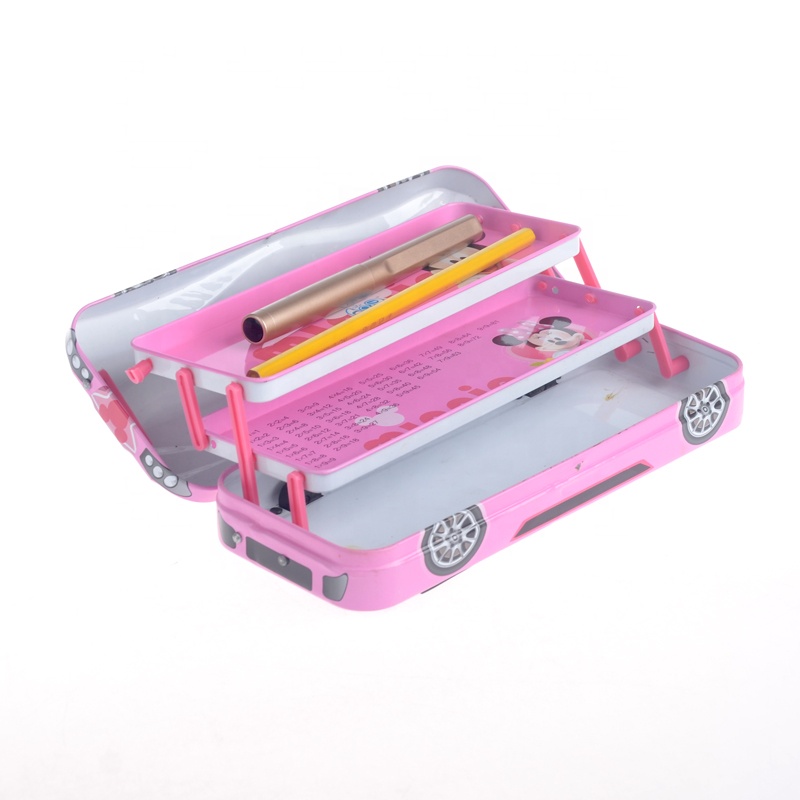
A two-layer car shape stationery tin case turns a conventional pencil box into a more interactive storage product. Instead of using one long empty cavity, the internal space is divided into two storage levels so different stationery items can be organised separately. The vehicle-inspired outline adds another layer of differentiation. The roof, windows, doors, wheels and front or rear sections can all become part of the printed design, allowing the metal pencil box to function as both stationery storage and a promotional or gift product.
Read More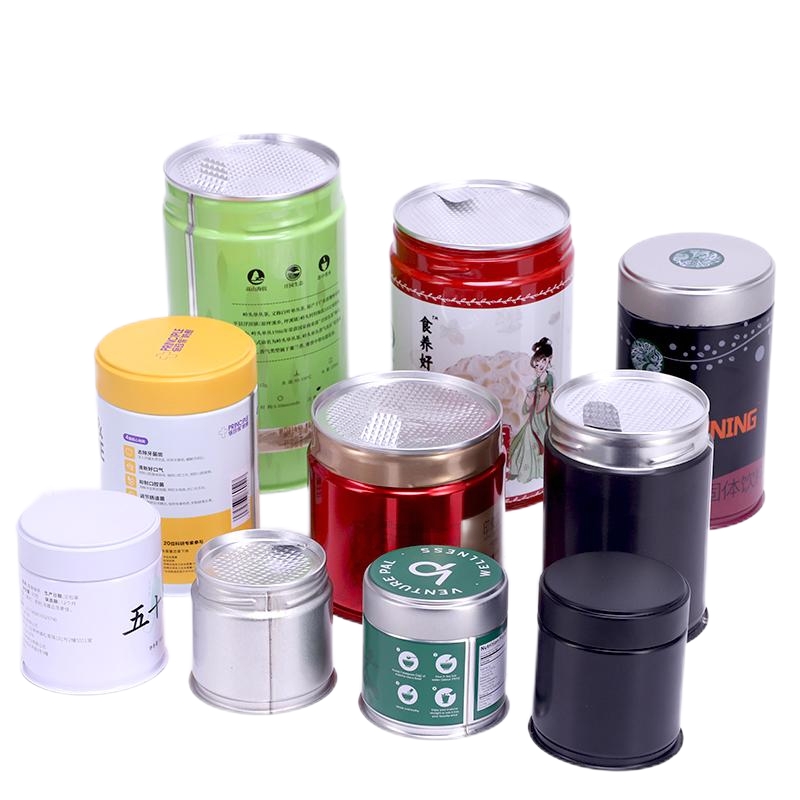
Make the first reveal part of your matcha brand. This custom metal tin uses a flexible aluminum foil peel lid: the customer lifts the foil tab and peels back the membrane to open the pack. The printable tin body gives your product a distinctive retail identity, while the foil closure is specified around your filling and freshness requirements. Jinyu develops empty matcha tin packaging for private label tea brands, specialty retailers, café collections and gift programs. Customize the artwork, dimensions, surface finish and outer-cover options to create a pack that suits both your product and your production process.
Read More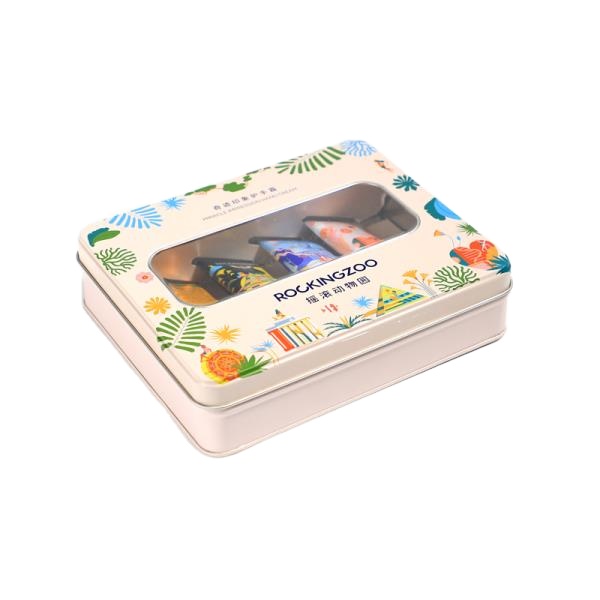
A custom printed watercolor paint tin box is different from a conventional school pencil case. The metal case may need to organise solid pigment pans, pencils, short brushes and other art tools while also providing a practical opening layout for painting, travel and retail presentation. For art-supply brands, the important question is therefore not simply how large the tin should be. The internal depth, pigment-pan arrangement, palette area, pencil clearance and method of keeping each component in position all influence the usability of the finished product.
Read More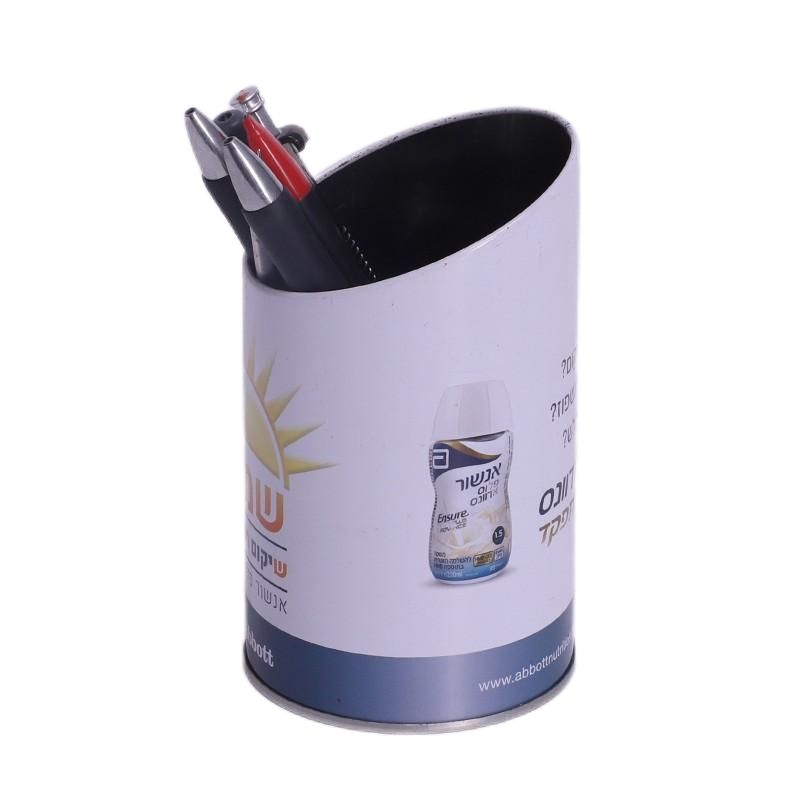
Manufactured with high-quality tinplate materials, guaranteeing their strength and durability to withstand wear and tear over time. Keep your stationery safe and protected with a secure barrier, preventing any damage or loss from occurring. Extensive selection of sizes and styles, including holders and cases, that are tailored to meet your unique needs. Make your pencils stand out with our professional color printing machine, adding a personalized attractive touch. Direct factory supply, you can rest assured that you'll receive products of superior quality at a competitive price.
Read More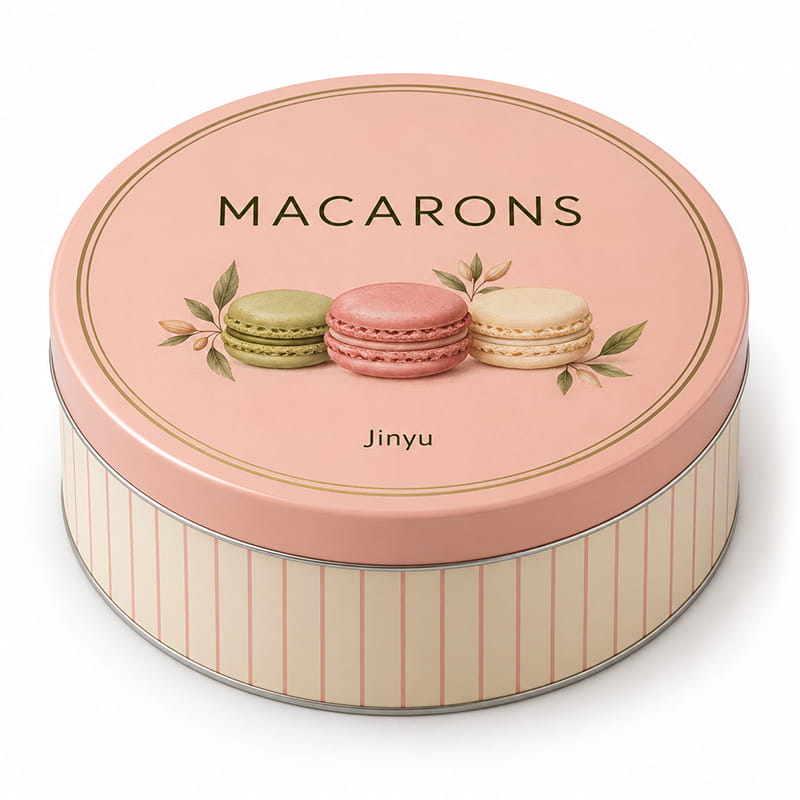
Fitted trays give individual macarons defined positions, with cavity dimensions developed around finished shell diameter, filling thickness and the chosen presentation. Rectangular rows, square grids and circular arrangements offer different presentation options; the final piece count depends on the approved internal layout. Tray pockets need enough support to limit movement while leaving room to load and remove macarons without squeezing their delicate shells. Printed solid lids and optional window lids support different retail presentations, with artwork, visibility and closure details reviewed together during development. Jinyu’s custom projects start from 5,000 pieces, with tin dimensions, tray material, food-contact requirements and packing details agreed before production.
Read More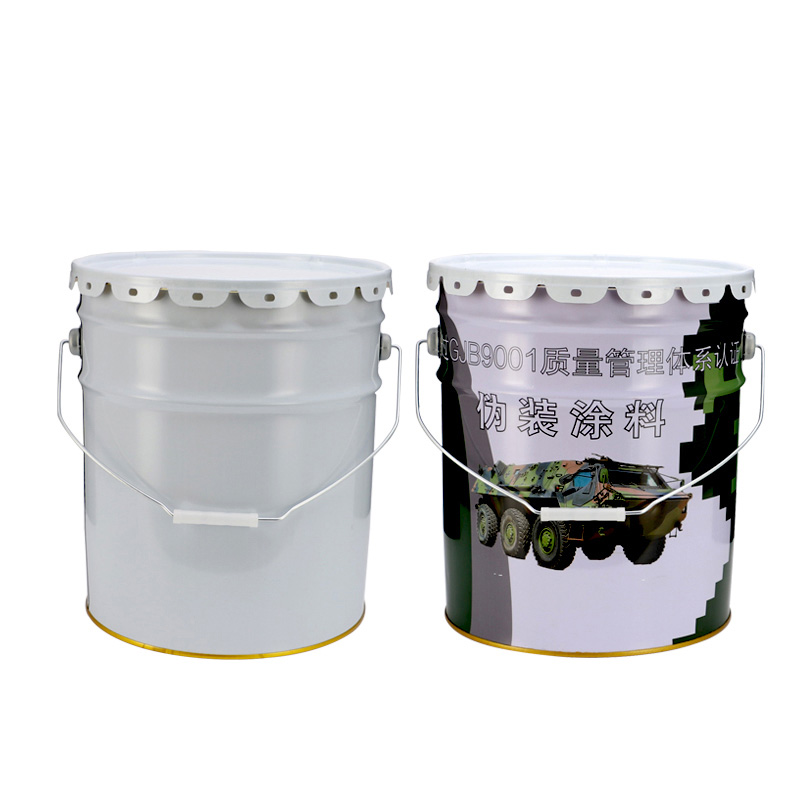
Built long term partnership with renowned paint brands including Benjamin Moore, Valspar. Effectively block out light, providing protection to the paint and preventing any damage. Printing technology provides excellent quality, producing incredibly sharp and detailed images. Good temperature resistance, storing paint in a wide range of environments. More cost-effective compared to plastic or stainless steel alternatives.
Read More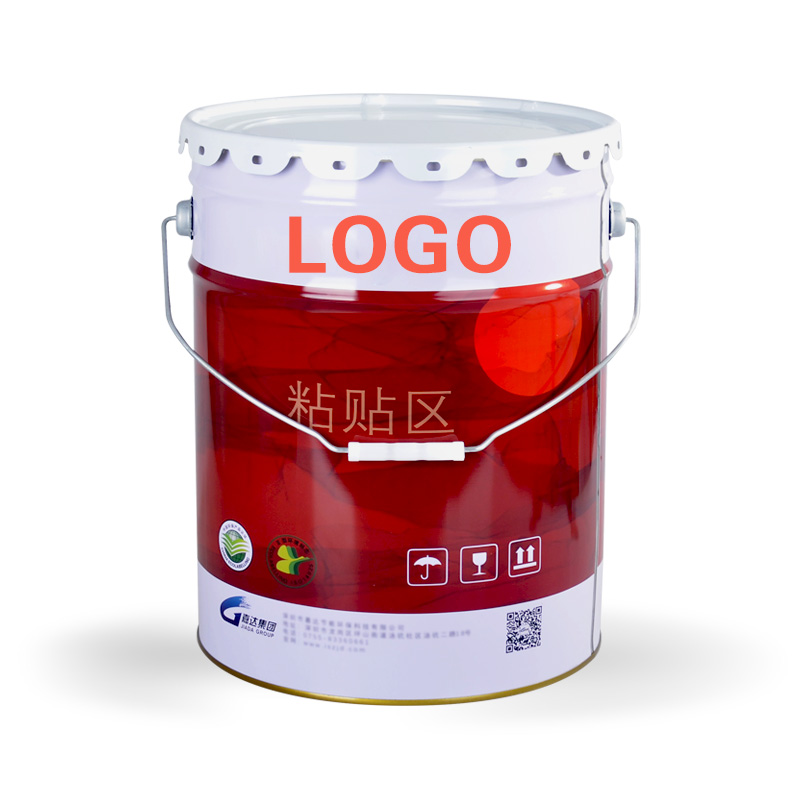
Over 50 of the world's well known paint brands have been our long-term partnership. Durable and resistance to wear and tear of tinplate, make a long lifespan and recyclebale. Printing capabilities deliver exceptional image quality with razor-sharp precision. Non-reactive, ensuring not release any harmful chemicals or contaminants into the paint. Effortlessly personalized designs help improve brand promotion and awareness.
Read More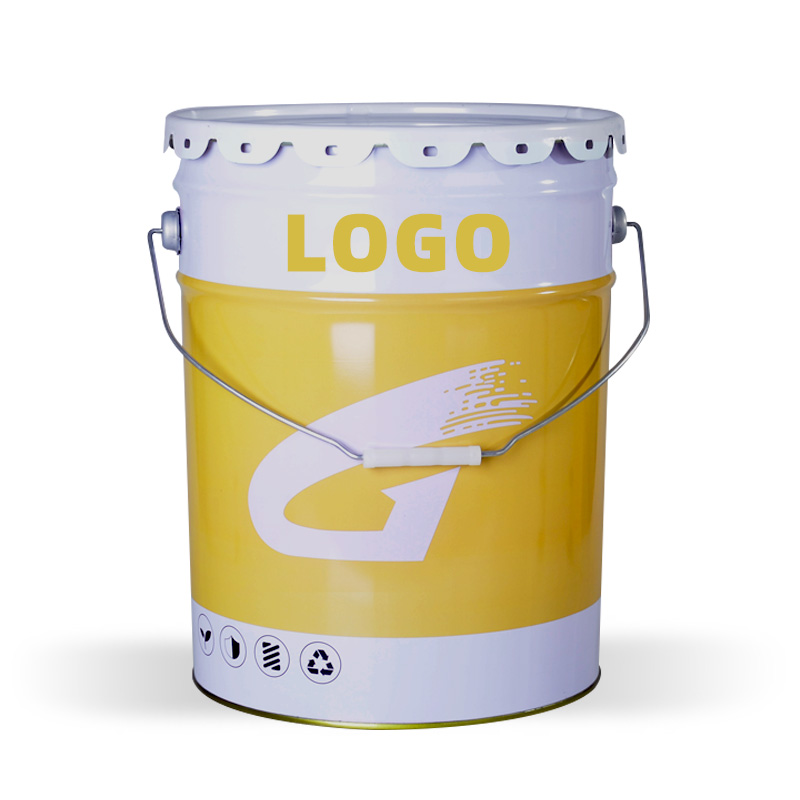
Over 50 of the world's well known paint brands have been our long-term partnership. Durable and resistance to wear and tear of tinplate, make a long lifespan and recyclebale. Printing capabilities deliver exceptional image quality with razor-sharp precision. Non-reactive, ensuring not release any harmful chemicals or contaminants into the paint. Effortlessly personalized designs help improve brand promotion and awareness.
Read More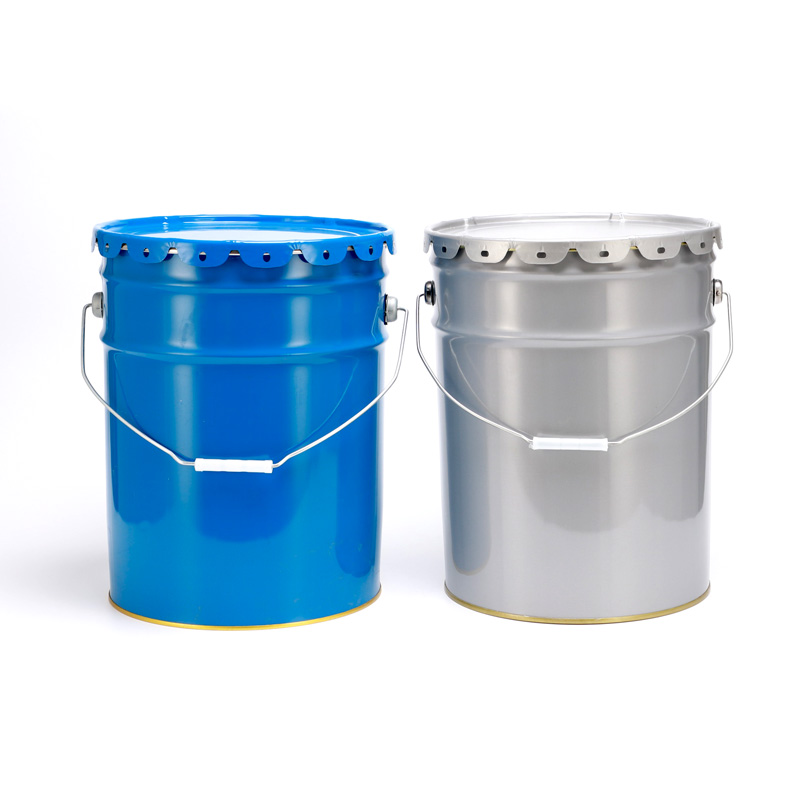
Built long term partnership with renowned paint brands including Benjamin Moore, Valspar. Effectively block out light, providing protection to the paint and preventing any damage. Printing technology provides excellent quality, producing incredibly sharp and detailed images. Good temperature resistance, storing paint in a wide range of environments. More cost-effective compared to plastic or stainless steel alternatives.
Read More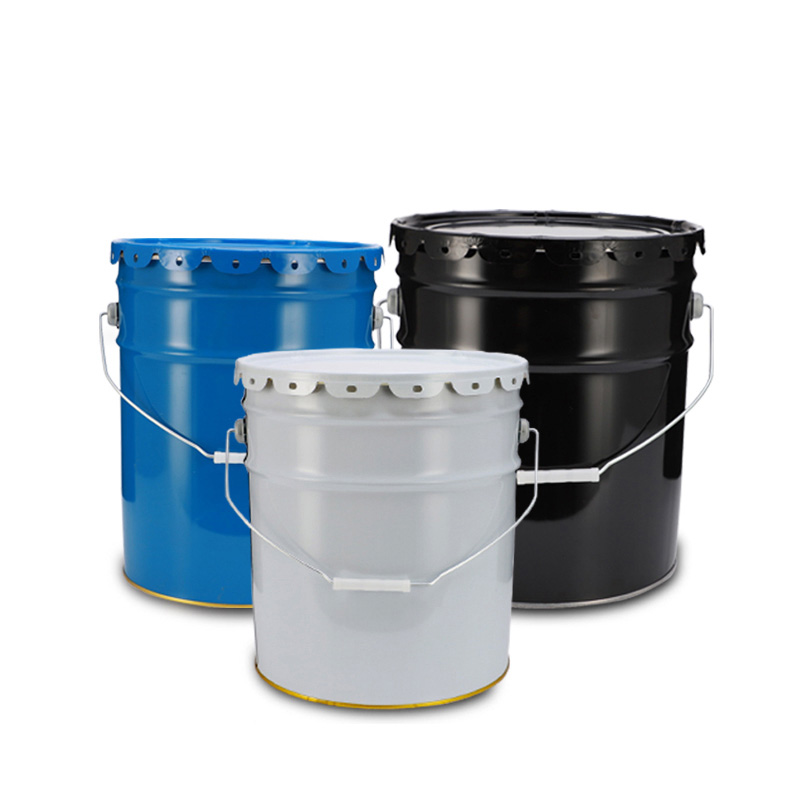
Well-known paint brands including Sherwin-Williams, Benjamin Moore, and Valspar, have been our loyal customers. The ideal option for storing and transporting paint, as it is highly resistant to dents and scratches. The paint exhibits exceptional resistance against oxidation, corrosion, and rust, ensuring a prolonged lifespan of high-quality. Personalized with custom labels or branding, enhancing its appearance and creating a attractive look. Automatic production lines offer fast delivery and competitive prices, ensuring customer satisfaction.
Read More
Sherwin-Williams, Benjamin Moore, Valspar, theses famous paint brands are our loyal long-term customers. Resistant to dents and scratches, best choice for paint storing and transporting. Against oxidation, corrosion and rust resistance, resulting in extended quality life of paint. Customized with labels or branding to create a cohesive and professional look. Automatic production lines provide fast delivery and competitive price for you.
Read More
Over 50 of the world's most renowned paint companies have been long-term corporate clients. Highly resistant to dents and scratches, ideal choice for storing and transporting paint. Designed to resist oxidation, corrosion, and rust, maintaining its high quality. Customized designs and branding to bring a attractiveand professional outlook. Automatic production lines ensure speedy delivery and factory cost for you.
Read More
Over 50 of the world's most renowned paint companies have been long-term corporate clients. Highly resistant to dents and scratches, ideal choice for storing and transporting paint. Designed to resist oxidation, corrosion, and rust, maintaining its high quality. Customized designs and branding to bring a attractiveand professional outlook. Automatic production lines ensure speedy delivery and factory cost for you.
Read More
Well-known paint brands including Sherwin-Williams, Benjamin Moore, and Valspar, have been our loyal customers. The ideal option for storing and transporting paint, as it is highly resistant to dents and scratches. The paint exhibits exceptional resistance against oxidation, corrosion, and rust, ensuring a prolonged lifespan of high-quality. Personalized with custom labels or branding, enhancing its appearance and creating a attractive look. Automatic production lines offer fast delivery and competitive prices, ensuring customer satisfaction.
Read More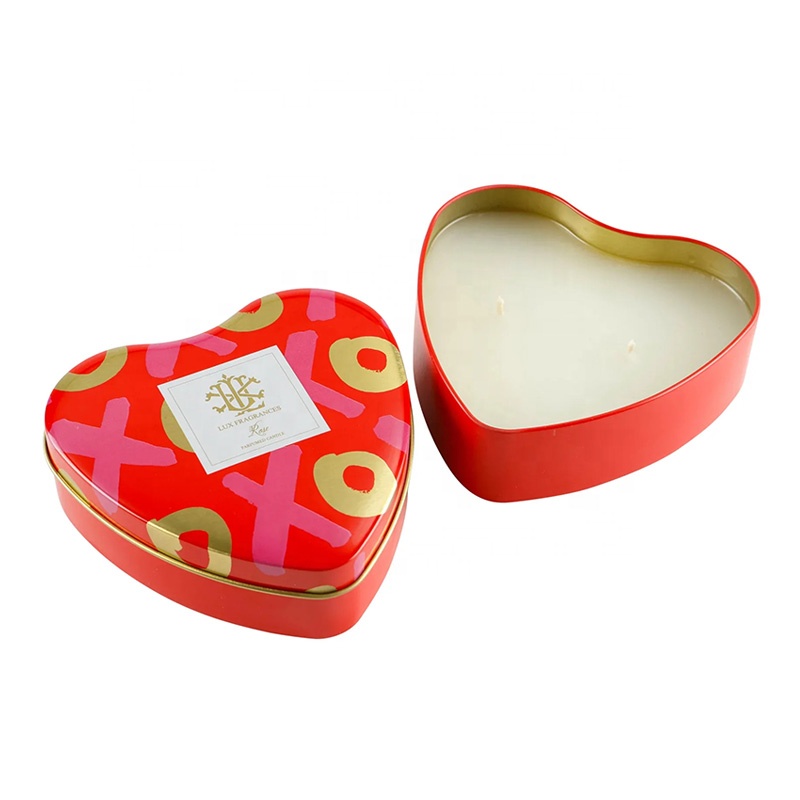
An excellent option for businesses with limited storage area, it can be effortlessly stacked and stored. Affordable and practical option, making it ideal for cost-conscious businesses. Numerous enduring collaborations, such as those with the Jo Malone, Voluspa, Diptyque. Recyclable materials makes it a sustainable option for businesses, promoting environmental consciousness. Lightweight and durable, low cost make this perfect for commercial shipping.
Read More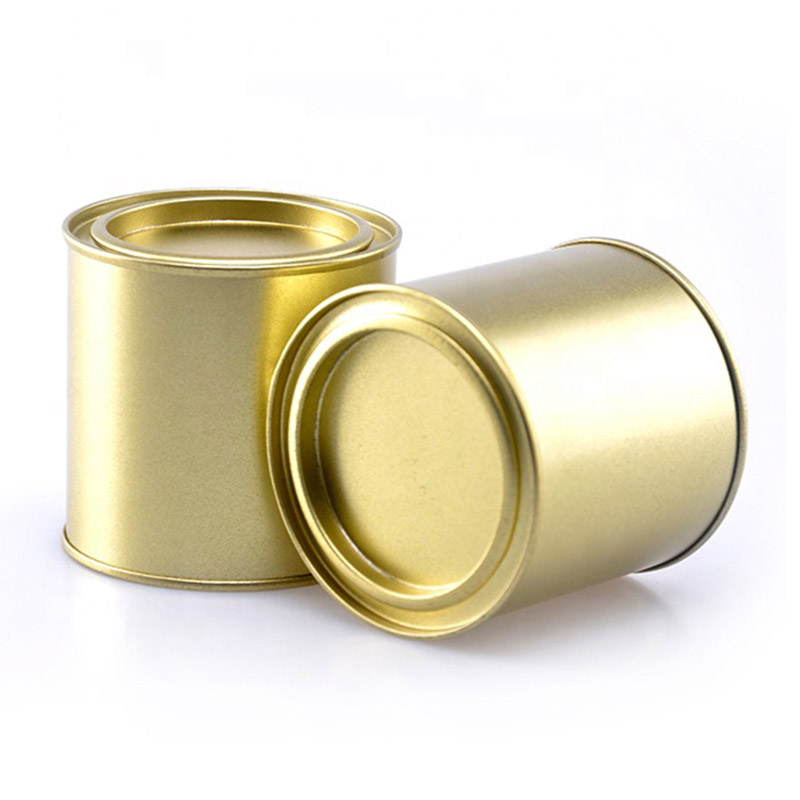
Durable and can be reused multiple times. Airtight, which helps to preserve the flavor and aroma of the tea. Variety of sizes and styles, making it easy to find one to fit your needs. Used to store other items such as spices, herbs, and other loose leaf teas. Highly durable and can protect your tea from moareture, light, and air.
Read More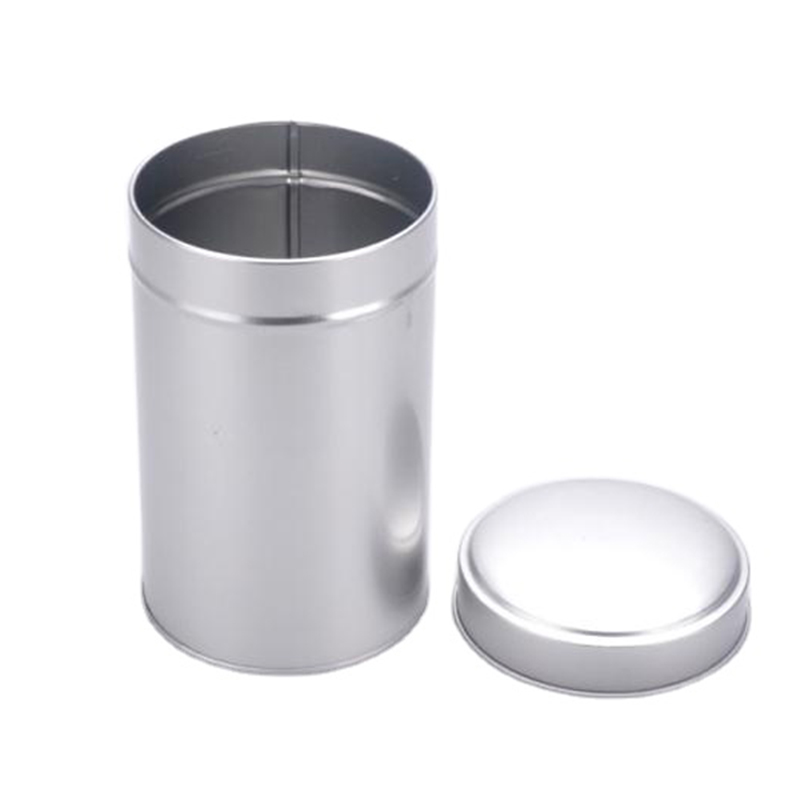
Durable and can be reused multiple times. Airtight, which helps to preserve the flavor and aroma of the tea. Variety of sizes and styles, making it easy to find one to fit your needs. Used to store other items such as spices, herbs, and other loose leaf teas. Highly durable and can protect your tea from moareture, light, and air.
Read More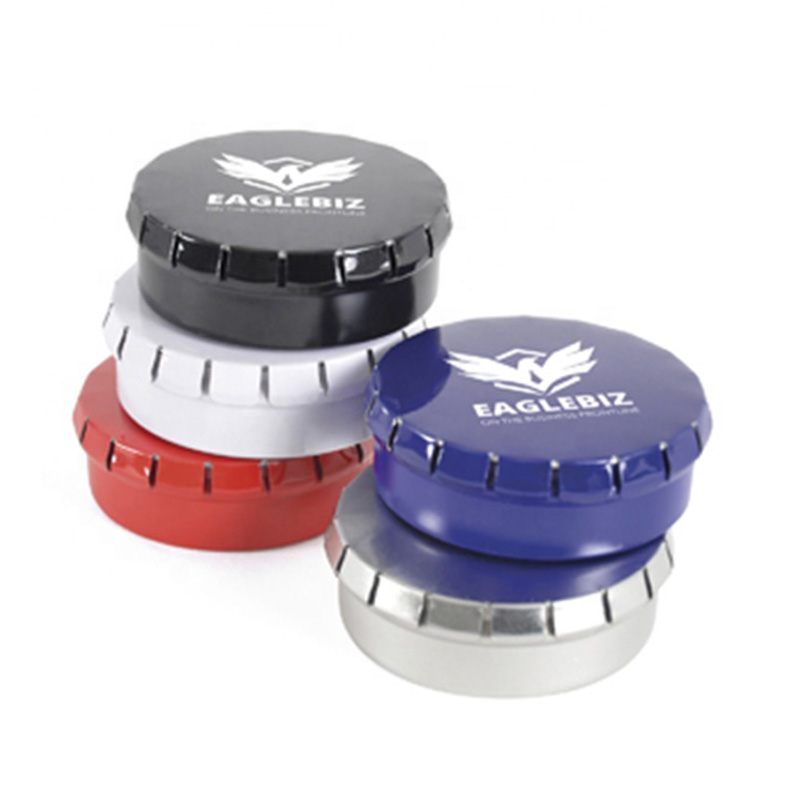
Stackable design allows for efficient space-saving, making it convenient to store and organize your items. Our versatile product can be applicated in multiple range of purposes, like storage and decoration. Perfect for gifting packaging like chocolates, candies. Designed to preserve the freshness and flavor of candies, ensuring they remain delicious. Custom service for your own designs, enhancing their overall value and attraction.
Read More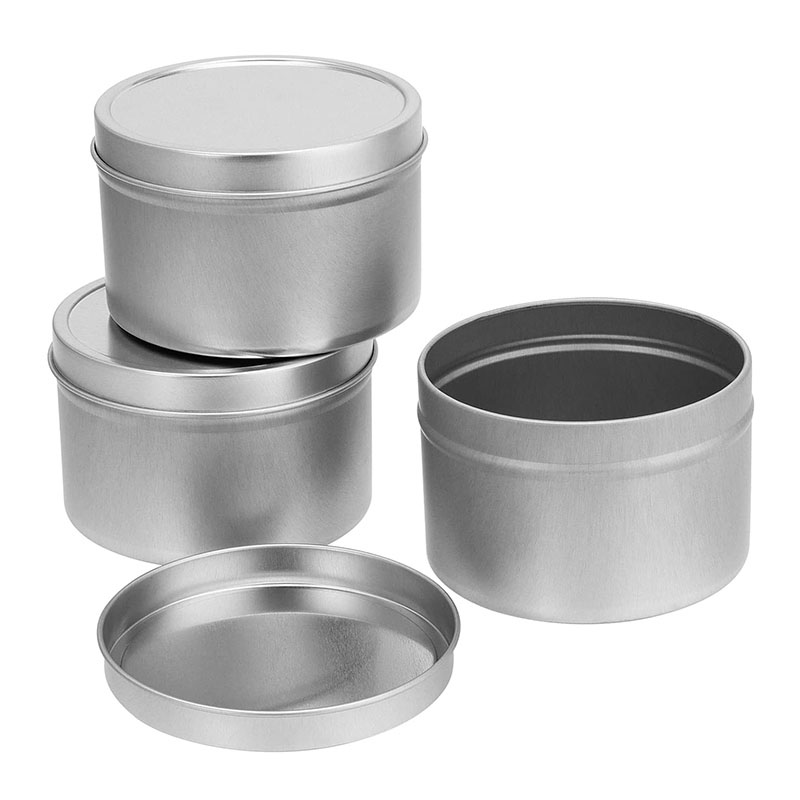
Sturdy and capable of multiple reuses. Airtight, ensuring the preservation of tea flavor and aroma. Available in various sizes and styles, simplifying the search for one that suits your needs. Versatile for storing items like spices, herbs, and different loose-leaf teas. Exceptionally durable, providing protection against moisture, light, and air for your tea.
Read More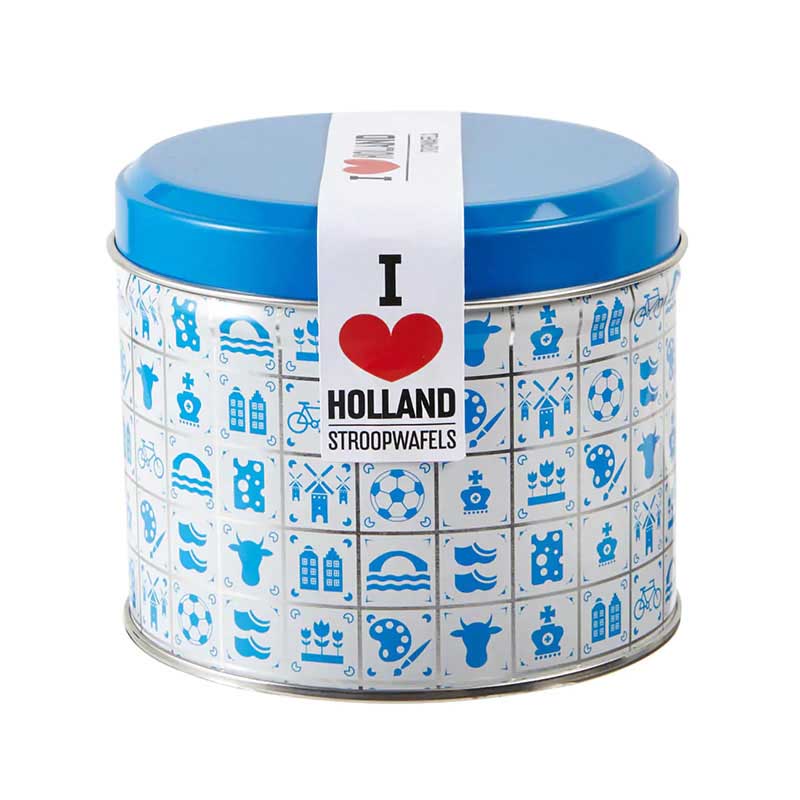
This custom designs round caramel tin box is designed for stroopwafels, caramel waffle cookies, biscuits, candy and bakery gift products that need a compact round metal container with custom printing and factory-direct supply. The tall round tinplate body is especially useful for stacked cookies, small biscuit portions and retail snack gifts, while JINYU supports food-grade material options, artwork proofing, sample review, inner packing and export carton packing.
Read More
A round herb tobacco tin can with an easy open pull ring lid combines a classic cylindrical metal format with a convenient opening design for portable storage applications. Unlike traditional hinged tins or sliding tins, the pull ring lid provides a familiar can-style opening experience. The round shape creates a compact package format, while the metal surface provides a durable platform for custom branding, decorative finishes and private label programmes.
Read MoreGet The Latest Information And Special Offers


 IPv6 network supported
 English
 Français
 Deutsch
 Español
 Português