
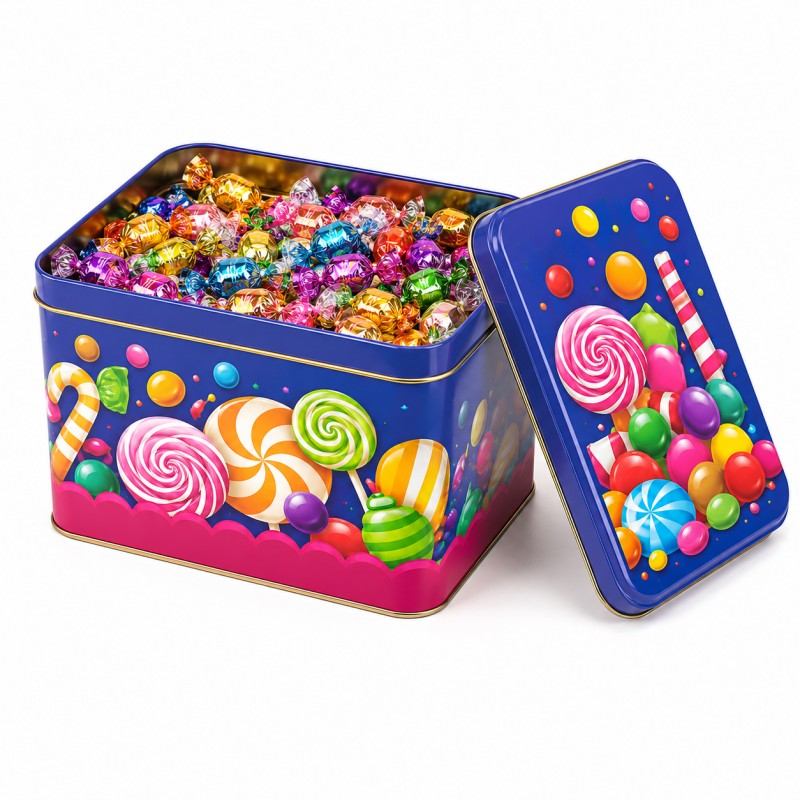
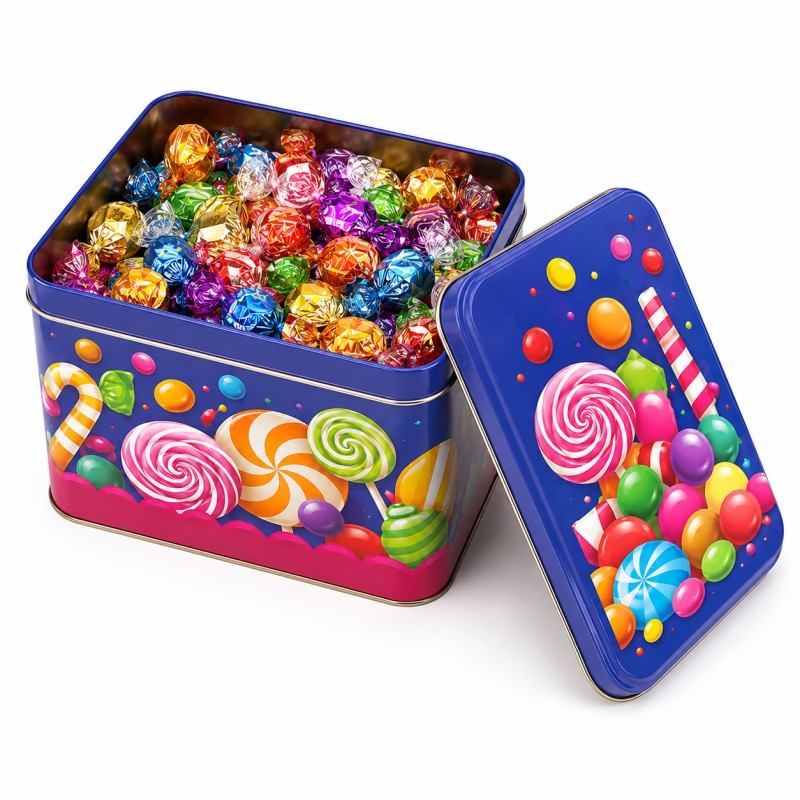
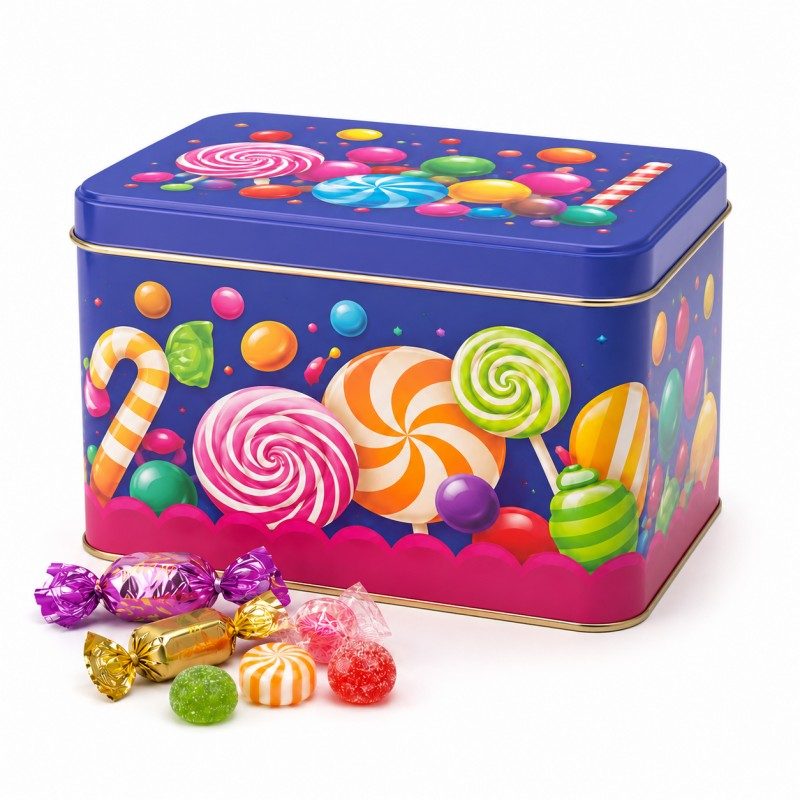
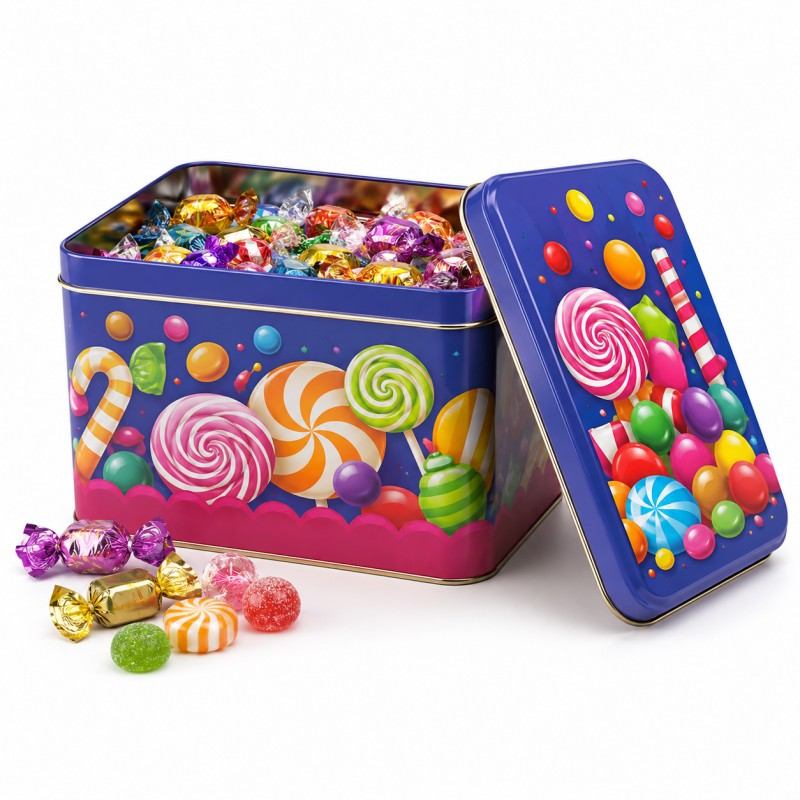
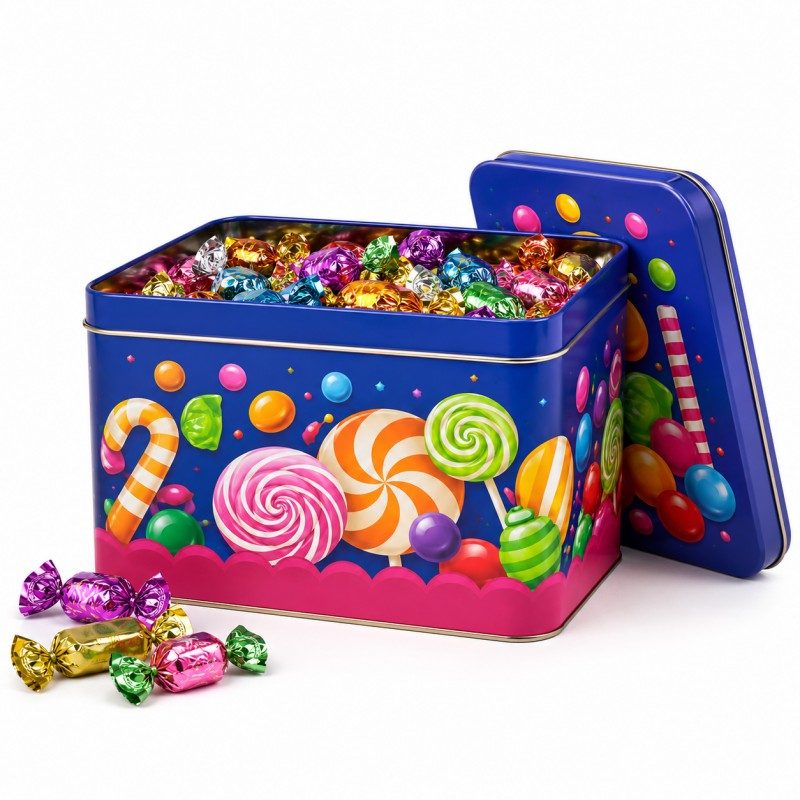
Our large candy tin box with lid is designed for confectionery manufacturers, sweet brands, wholesalers, retailers and private-label buyers that need generous-capacity packaging for individually wrapped candy and mixed sweets. The deep rectangular structure provides more usable filling space than a small retail candy tin, making it suitable for hard candy, boiled sweets, toffee, caramel, fruit drops, mints, gummies, lollipops and assorted confectionery. The tin size, lid structure, artwork, inner bag and export packing can be customised according to the candy format, target filling weight and sales channel.
Product Name :
Candy Tin Box with LidDimensions :
L200*W165*H140mmShape :
Rectangular, CustomizableDesign :
Customizable, ODM / OEMPrinting :
CMYK printing, Pantone Color Matching, Logo Printing, Solid Color or Full ArtworkSurface Finish :
Matte / Glossy / EmbossingMaterial :
0.23 mm Food-Grade TinplateMOQ :
5,000 pcsLead Time :
35 DaysPackaging :
Opp Bag + Master Carton
A large candy tin is not simply a small sweet box made taller. Higher filling weights affect the body strength, lid fit, handling method, carton load and customer experience.
The dimensions should be planned around the actual confectionery rather than a general capacity description. Lightweight wrapped sweets occupy more volume than dense hard candy, while lollipops and irregular confectionery require additional space because of sticks, twisted wrappers and product shape.
Before confirming the tin, buyers should consider the candy dimensions, packaging style, intended net weight, required headspace and whether the sweets will be packed loose, individually wrapped or inside a sealed inner bag.
| Confectionery Type | Recommended Packing Format | Important Capacity Factor | Typical Application |
| Hard Candy and Boiled Sweets | Individual wrappers or sealed inner bag | Piece size and total filled weight | Family packs, seasonal candy tins and retail sharing packs |
| Toffee and Caramel | Twist wrap, flow wrap or waxed paper | Wrapper volume and product softness | Traditional confectionery and gift packaging |
| Fruit Drops and Mints | Sealed pouch or individually wrapped pieces | Product density and movement inside the tin | Bulk mint tins, promotional sweets and refill products |
| Gummies and Jelly Candy | Sealed food bag | Moisture protection and product stickiness | Colourful confectionery collections and family-size packs |
| Lollipops | Individual wrappers with organised loading | Stick length and loading direction | Children’s candy ranges and party packaging |
| Mixed Sweets Assortment | Wrapped products or divided inner packs | Different product sizes and flavour identification | Holiday gifts, wholesale assortments and promotional tins |
Many bulk candy programmes rely on large plastic tubs or flexible bags. A printed metal tin offers a different positioning by combining substantial capacity with stronger shelf presentation and reusable value.
The packaging can function as a family sharing tin, refill container, festive confectionery box or branded retail display product. After the original candy has been consumed, customers can reuse the tin for sweets, snacks, baking ingredients or household storage.
This makes the product suitable for brands that want a larger confectionery package to feel like a gift rather than ordinary bulk packaging.
The same large tin can hold very different net weights depending on the confectionery inside.
Dense hard candy may produce a heavy package even when the tin is only partly filled. Individually wrapped sweets occupy more space because of twisted ends and trapped air. Gummies may require a sealed inner bag, while lollipops need enough length for the sticks to lie in a controlled direction.
For accurate capacity testing, buyers should provide:
The candy type, average piece dimensions, individual packaging format, target net weight, approximate bulk density and preferred headspace.
Physical filling tests using the real candy or a representative sample are recommended before mass production.
A deeper box increases capacity, but an excessively deep container may make the remaining sweets difficult to reach.
For individually wrapped candy, a wide opening and moderate depth often create a more convenient sharing experience than a narrow, very tall container.
The final proportions should consider whether the customer will:
Pick sweets by hand, pour them into a bowl, use a scoop or remove a sealed inner bag from the tin.
Where the tin is intended for repeated retail refilling, a removable inner liner can simplify handling and reduce direct contact with the metal interior.
A deep slip lid is simple, familiar and suitable for family-size sweets packaging. The overlap depth can be adjusted to create the required fit.
A plug lid uses an internal section that enters the opening, allowing the outside of the lid to align more closely with the body.
A hinged structure keeps the lid attached to the large candy box, which is useful for frequent opening in shops, offices and hospitality environments.
A top handle can be evaluated for gift and sharing tins, subject to the total filled weight and handle attachment strength.
A locking lid can be considered for refill or storage programmes that require a firmer closure. The sealing performance must be evaluated using the complete structure.
For many bulk sweets programmes, the most practical structure combines a decorative outer tin with a sealed confectionery bag inside.
The inner bag provides the primary freshness and moisture barrier, while the tin provides:
Light protection, physical strength, retail presentation, gift value and reusable storage.
This packaging system is suitable for gummies, jelly sweets, fruit candy, mints, hard candy and mixed confectionery that may be filled at a different facility from the tin manufacturer.
Wrapped sweets can be packed directly into the metal box when the material specification and filling process are approved for the intended use.
Common wrapped products include:
Toffee, caramel, hard candy, fruit sweets, mint candy, chocolate-coated confectionery and promotional sweets.
Wrapper colours can become part of the opening presentation. Brands may use a single coordinated wrapper or create a multi-colour assortment that matches the printed tin artwork.
A large confectionery tin can be positioned as a product for family gatherings, parties, celebrations and office sharing.
The packaging artwork can emphasise abundance, variety and enjoyment through colourful sweets, flavour illustrations and large central graphics.
A family sharing format may include:
One mixed candy assortment, several individually wrapped flavours or multiple sealed refill bags packed inside one reusable metal box.
The side panels provide useful space for flavour information, net weight, ingredients, company details and multilingual text.
The metal box can support a refill programme in which customers purchase the decorated tin once and later replace the contents using lighter refill bags.
This approach is suitable for:
Sweet shops, online confectionery brands, seasonal candy clubs and private-label retailers.
The refill bag dimensions should remain consistent with the approved internal size so customers can place future packs into the original tin easily.
A large candy box can contain several confectionery varieties, but product identification should remain clear.
Flavours can be organised through:
Different wrapper colours, individual inner bags, paperboard dividers, printed flavour cards or an inside-lid assortment guide.
A multi-flavour candy collection might separate strawberry, lemon, mint, orange and mixed fruit sweets while maintaining one coordinated packaging design.
The large printable lid and side walls provide enough space for strong retail artwork without compressing important information into a small area.
Suitable design directions include:
Lollipops, wrapped sweets, fruit drops and confectionery shapes can create a playful retail appearance.
Decorative lettering, classic borders and heritage colour palettes can support toffee, boiled sweets and old-fashioned confectionery.
A simple colour background with a large logo and product name can create a cleaner, more contemporary candy range.
Christmas, New Year, Easter, Halloween and other holiday themes can be developed using the same large tin structure.
Company logos, campaign graphics and event messages can turn the box into a reusable promotional gift.
A glossy varnish increases colour brightness and suits playful candy, sweets and children’s confectionery packaging.
A matte surface creates a softer appearance for premium confectionery and modern private-label brands.
Gold or silver-style details can be used for borders, collection names and seasonal decorative elements.
Logos, candy illustrations and central collection names can be raised from the lid to add tactile value.
Selected sweets or logo elements can receive a glossy highlight over a matte background.
A large Christmas candy tin can hold wrapped chocolates, peppermint sweets, hard candy, toffee and mixed holiday confectionery.
Bright orange, purple and black artwork can support party sweets, trick-or-treat candy and promotional confectionery.
Pastel graphics can be used for jelly candy, chocolate eggs, fruit sweets and spring gift assortments.
Red and gold artwork can support family sharing, visitor gifts and mixed individually wrapped sweets.
Decorative patterns and premium finishes can be used for confectionery gifts, toffee, dates with sweets and family assortments.
This large candy tin box is suitable for candy manufacturers, confectionery wholesalers, supermarkets, speciality sweet shops, hotels, offices, promotional gift suppliers and online retailers.
Typical programmes include:
Bulk sweets packaging, family-size candy tins, shop refill containers, seasonal confectionery gifts, corporate candy boxes and mixed retail assortments.
A large metal candy tin may look easy to carry when empty but can become significantly heavier after it is filled with dense sweets.
Where a top or side handle is required, the attachment should be evaluated against:
The total filled weight, carrying direction, frequency of use and transportation method.
For very heavy candy programmes, dividing the total quantity among two medium-sized tins may provide a more practical customer experience than one oversized container.
Large tins require early logistics planning because the package dimensions directly affect carton size and container utilisation.
Important factors include:
Pieces per carton, empty tin nesting ability, individual surface protection, carton gross weight, pallet height and shipping route.
High-gloss tins may require individual bags or paper protection to reduce rubbing. Reinforced cartons and dividers can help prevent dents and lid deformation during transportation.
Jinyu maintains more than 3,000 existing moulds covering rectangular, square, round and special-shaped metal tins.
Using an existing large candy tin mould can reduce tooling cost and shorten the sample-development period. The filling capacity can be tested against the buyer’s real sweets or inner bag.
A new mould can be evaluated when the project requires an exclusive length, width, height, lid profile or proprietary candy packaging structure.
Provide the candy type, individual dimensions, wrapper format, filling weight and inner packaging method.
Use real sweets, representative samples or a filled inner bag to compare suitable tin dimensions.
Choose a slip lid, hinged lid, plug lid, handle or other project-specific structure.
Arrange the brand identity, sweets illustrations, product name and required retail information on the metal dieline.
Check the capacity, body strength, lid fit, colour and customer opening experience.
The tinplate is printed, coated, cut, stamped, formed and assembled according to the approved specifications.
Finished tins are checked and packed with suitable surface and carton protection.
Inspection can cover body dimensions, sidewall strength, base flatness, lid fit, opening performance, printing registration, coating quality, rolled edges and internal cleanliness.
Large structures should also be checked for body deformation and lid alignment because dimensional differences may become more visible across wider surfaces.
Filled-weight testing can be arranged when the package includes a handle or is expected to carry a substantial quantity of sweets.
Jinyu provides integrated support for mould selection, metal printing, stamping, forming, lid development, quality inspection and export packing.
Our existing mould library allows confectionery buyers to compare several large candy tin sizes before opening new tooling.
Custom printing, embossing, handles, inner bags, sleeves and outer cartons can be coordinated as one bulk sweets packaging project.
OEM and ODM services are available for candy factories, confectionery brands, wholesalers, retailers, importers and promotional gift buyers.
To prepare an accurate quotation, please provide the candy type, target net weight, individual candy or inner bag dimensions, preferred tin shape, lid type, estimated order quantity, number of artworks and destination country.
Please also indicate whether the project requires a handle, sealed inner bag, paper sleeve, divider, scoop or outer retail carton.
The capacity depends on the confectionery density, wrapper volume and tin dimensions. A physical filling test is recommended for accurate confirmation.
Large filling weights can be evaluated, but body strength, lid structure, handle load and carton weight must be considered.
Yes. Gummies and jelly sweets are usually packed inside a sealed food bag before being placed into the decorative metal box.
Yes, subject to the selected material specification, wrapper format and approved filling process.
Yes. Top or side handles can be evaluated according to the total filled weight and tin structure.
Yes. Different sweets can be organised using wrapper colours, inner bags, dividers or flavour cards.
A standard removable lid should not automatically be described as fully airtight. A sealed inner bag is recommended when stronger moisture and freshness protection is required.
Yes. Logos, candy shapes, product names and decorative elements can be embossed or debossed.
The standard MOQ normally starts from 5,000 pieces per size or artwork. Final requirements depend on the mould, printing process and accessories.
Sampling normally takes approximately 7–10 working days after the specifications are confirmed. Mass production generally requires approximately 25–35 working days after sample approval.
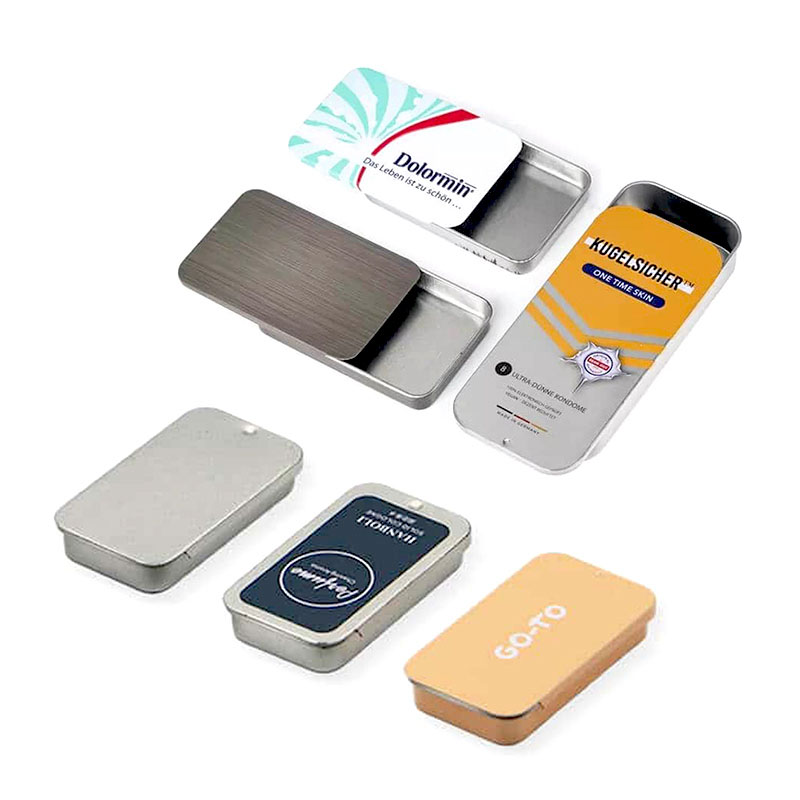
This custom slide top tin box is a compact, lightweight and easy-opening metal package for mints, candy, chewing gum, lip balm, solid perfume, cosmetic samples and promotional gifts. Its sideways sliding cover makes it convenient for repeated daily use, while the flat metal surface supports custom printing, brand colors, logos and retail artwork.
Read More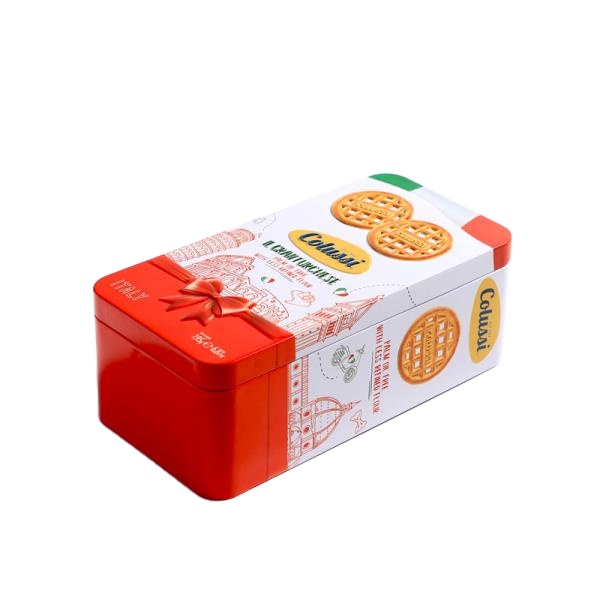
This custom embossed rectangle cookie tin box is designed for butter cookies, shortbread, chocolate cookies, biscuits and seasonal bakery gifts. Its rectangular tinplate structure supports cookie arrangement, dividers, custom artwork and embossed details, helping the package feel more durable, reusable, gift-ready and premium than a simple pouch or paper carton.
Read More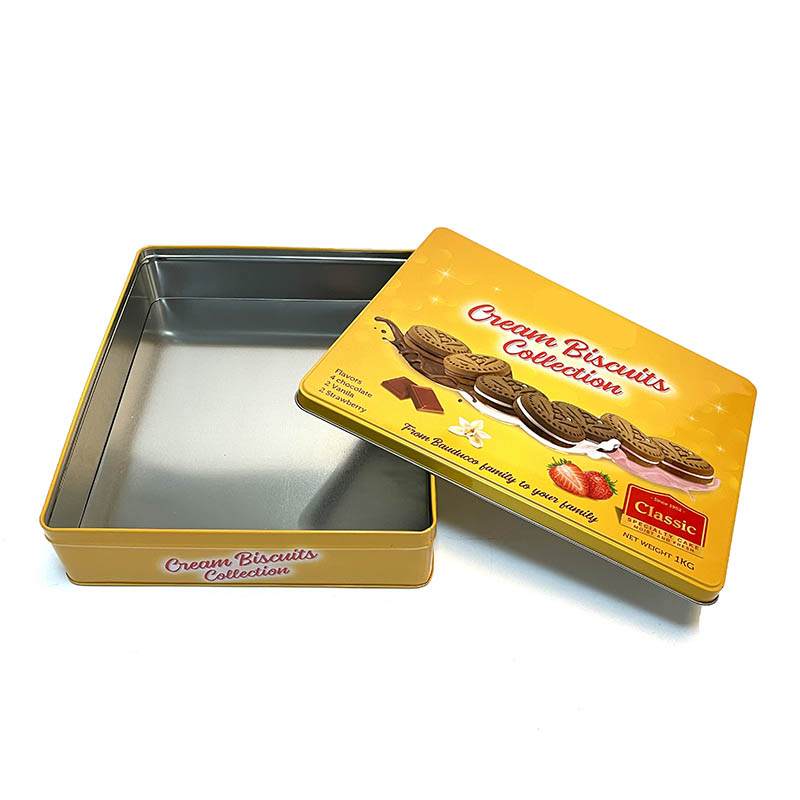
This large rectangular cookie metal tin box is designed for brands that need stronger product protection, premium shelf presentation, and reusable value for cookies, biscuits, chocolate cookies, butter cookies, oatmeal cookies, assorted bakery gifts, and seasonal retail sets. As a China cookie tin manufacturer and biscuit tin packaging supplier, Jinyu supports OEM and ODM projects for cookie tin boxes wholesale, biscuit tin box wholesale, and custom tinplate packaging export orders. We help buyers match tin size, inner structure, printing finish, packing method, and production schedule to the needs of real bakery and confectionery products.
Read More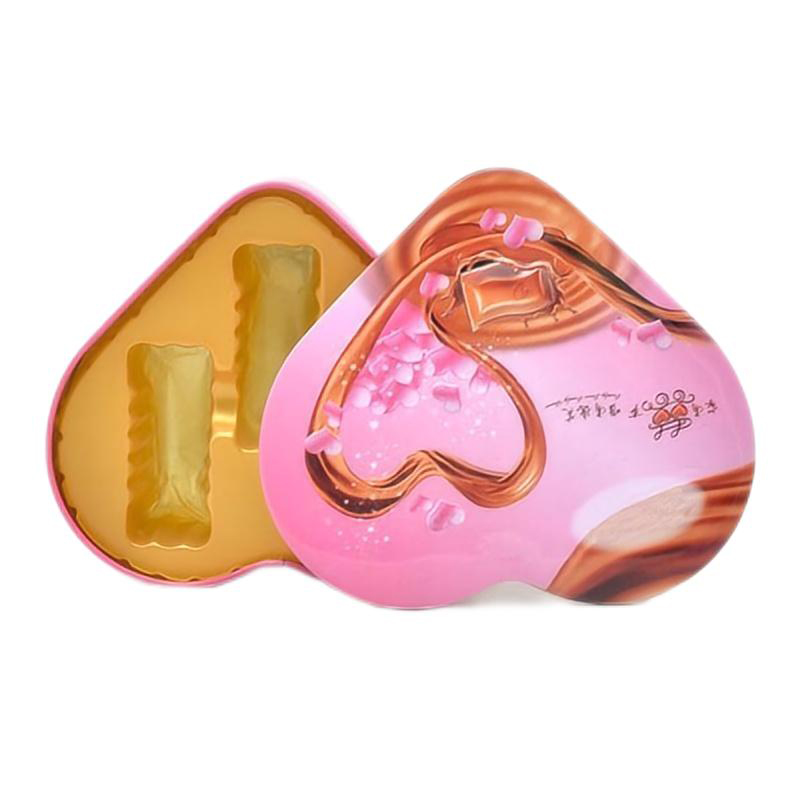
This custom printing heart shape candy chocolate tin box is designed for Valentine gifts, chocolate assortments, candy sets, cookies, mints, wedding favors and romantic promotional packaging. The food-grade tinplate heart body, custom printed lid, PVC lining option and reusable metal structure make it suitable for a heart shape tin box, heart shaped chocolate tin box, heart shape candy tin and custom metal heart tin box projects for seasonal retail, gift brands and wholesale confectionery packaging.
Read More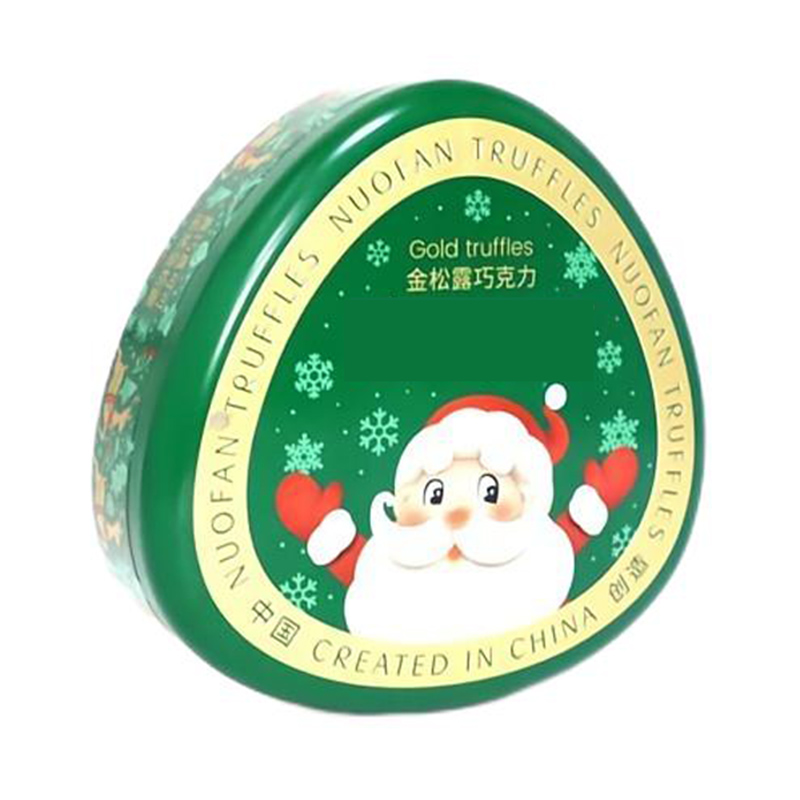
This custom printing heart shape metal tin box is designed for chocolate, candy, cookies, mints, wedding favors and seasonal gift packaging that needs a romantic shape, durable metal protection and factory-direct customization. The heart-shaped food-grade tinplate body, large printable lid, PVC lining, clear window and handle options make it suitable for chocolate heart tin projects, heart shaped candy tin box programs, heart shape wedding tin box orders and OEM/ODM heart box development for gift brands, confectionery companies and wholesale buyers.
Read More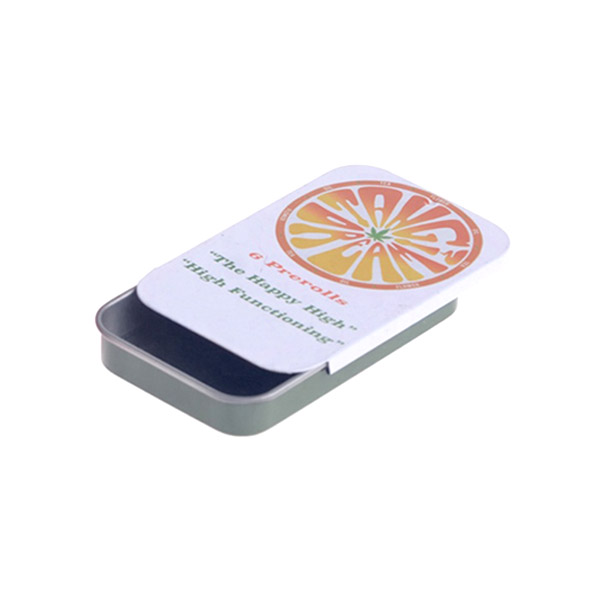
Durable and can withstand the rigors of shipping and handling. Easy to open and close, making it a great choice for consumers. Airtight and moareture-resaretant, keeping the mint fresh for longer. Cost-effective, making it a great choice for businesses on a budget. Great way to promote your business, as they can be customized with your logo or branding.
Read More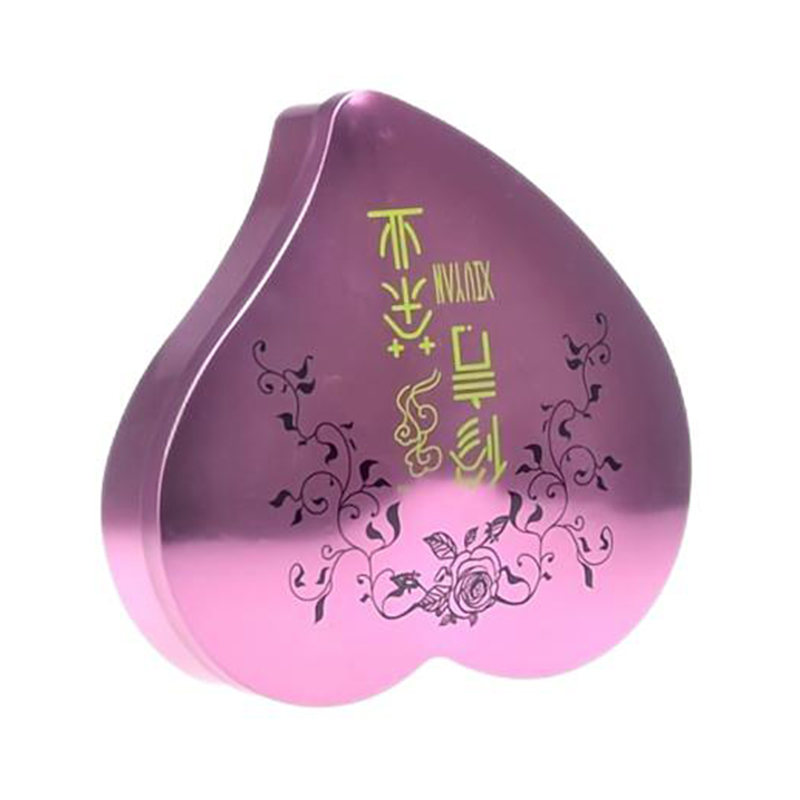
This custom design heart metal tin box is made for candy, chocolate, cookies, mints, wedding favors and romantic gift packaging that needs a soft heart or peach-like visual shape with strong reusable value. The food-grade tinplate body, wide custom printed lid, PVC lining, clear window and handle options make it suitable for a heart shape tin box, chocolate gift tin box, heart shape chocolate tin box, heart shaped candy tin box and wholesale packaging tin chocolate projects for confectionery brands, gift suppliers and private-label buyers.
Read More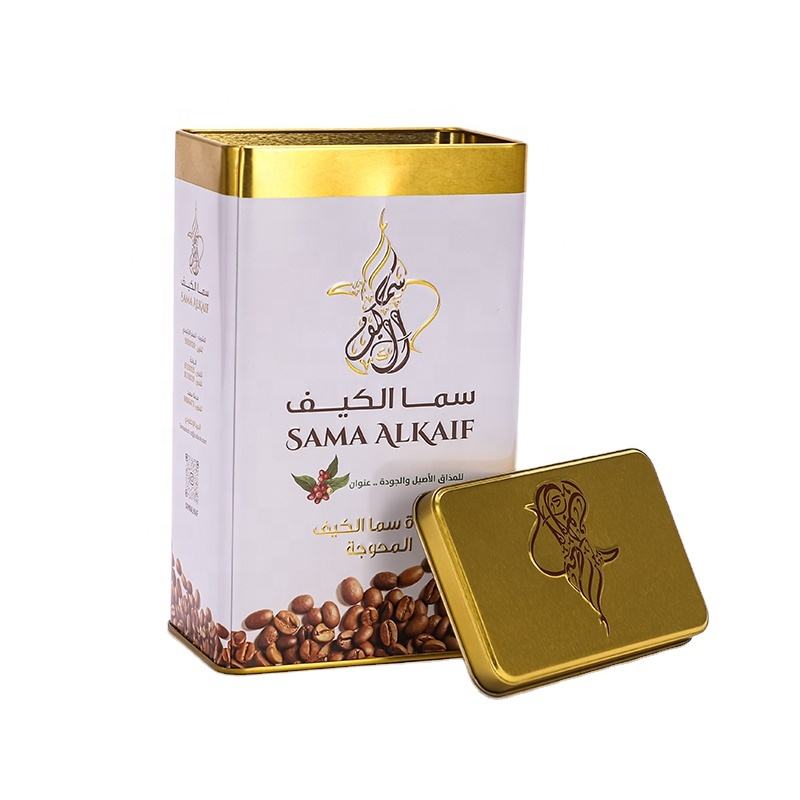
A custom rectangular double lid tea tin box combines a space-efficient metal body with a two-stage closure for premium loose leaf tea, tea bags and private label tea collections. Unlike a round canister, the rectangular format provides four defined side panels, making it easier to organise branding, product information, brewing instructions and origin stories around the package. For tea brands working with several flavours or retail SKUs, rectangular tins also make practical use of shelf, gift-box and export-carton space. The structure can be developed around an existing mould or adapted to suit the dimensions of an inner tea pouch, individual sachets or a required filling volume.
Read More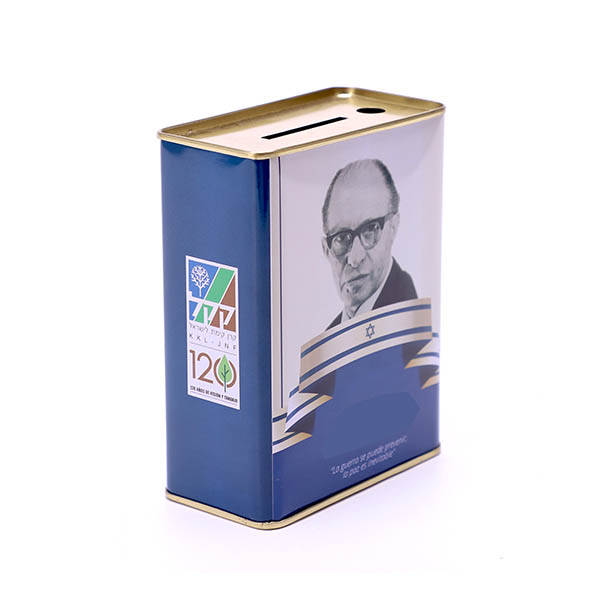
A rectangular metal money tin box gives buyers something that round coin banks do not: four clearly defined vertical panels, a stable footprint and dimensions that can be planned around shelves, gift boxes and export cartons. This makes the format suitable for retail money boxes, saving challenges, promotional products, branded gifts and private label coin banks where both storage capacity and printed communication are important.
Read More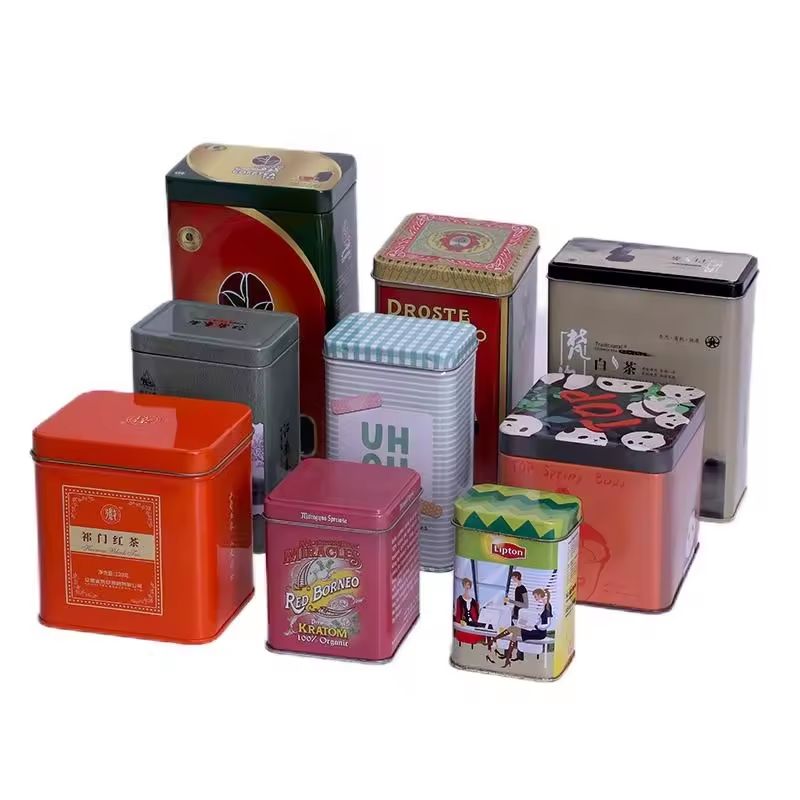
This rectangular loose leaf tea tin box is designed for tea brands that need practical storage, premium presentation, and efficient shelf display. The stackable metal structure is suitable for green tea, loose leaf tea, herbal tea, oolong tea, black tea, tea samplers, and seasonal tea gift packaging. As a China loose leaf tea packaging factory and tea packaging container wholesale factory, Jinyu supports OEM and ODM tin packaging projects with custom printing, size evaluation, mold selection, food-grade tinplate, and export packing solutions for global tea brands and packaging distributors.
Read More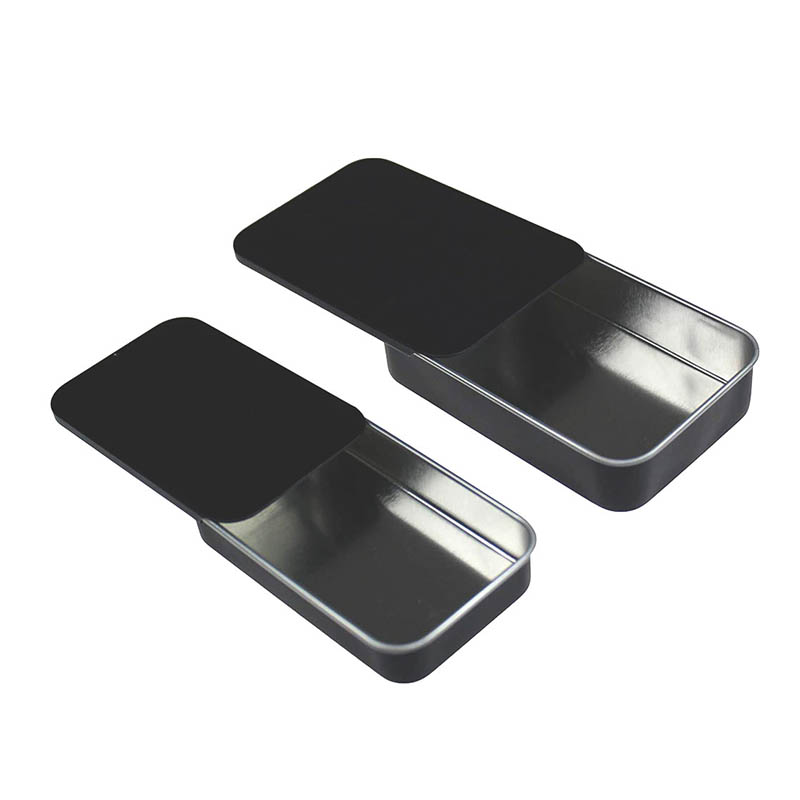
Visually appealing, making them attractive to customers. Easy to stack, making them space-efficient. Moisture-resistant, making them ideal for storing food products. Non-toxic, making them safe for food products. Resistant to corrosion, making them suitable for storing products in damp environments.
Read More
This custom design wedding gift heart shape chocolate tin box is made for chocolates, candies, cookies, mints, wedding favors and romantic seasonal gifts that need emotional shelf appeal and durable metal protection. The heart-shaped food-grade tinplate body, printable lid, PVC lining, clear window and handle options make it suitable for chocolate tin gift projects, heart tin chocolate packaging, heart shaped candy tin box programs, OEM heart box development and wholesale chocolate tin box orders for confectionery brands and gift suppliers.
Read More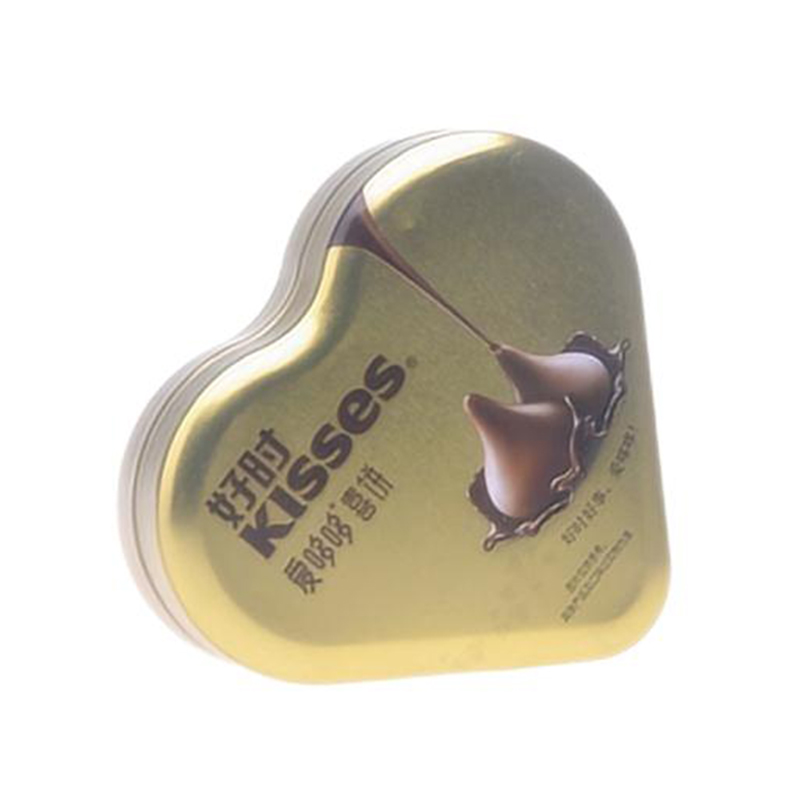
This custom seamless wedding gift heart shaped chocolate metal box is designed for chocolate gifts, candy favors, cookies, mints and romantic seasonal packaging that needs a smooth gift-ready appearance, food-grade metal protection and reusable keepsake value. With custom printing, PVC lining, clear window and handle options, it can be developed as a heart tin can, heart shape chocolate tin box, chocolate tin gift, valentine heart candy tin box or customized chocolate tin box for wedding suppliers, confectionery brands and wholesale chocolate tin buyers.
Read More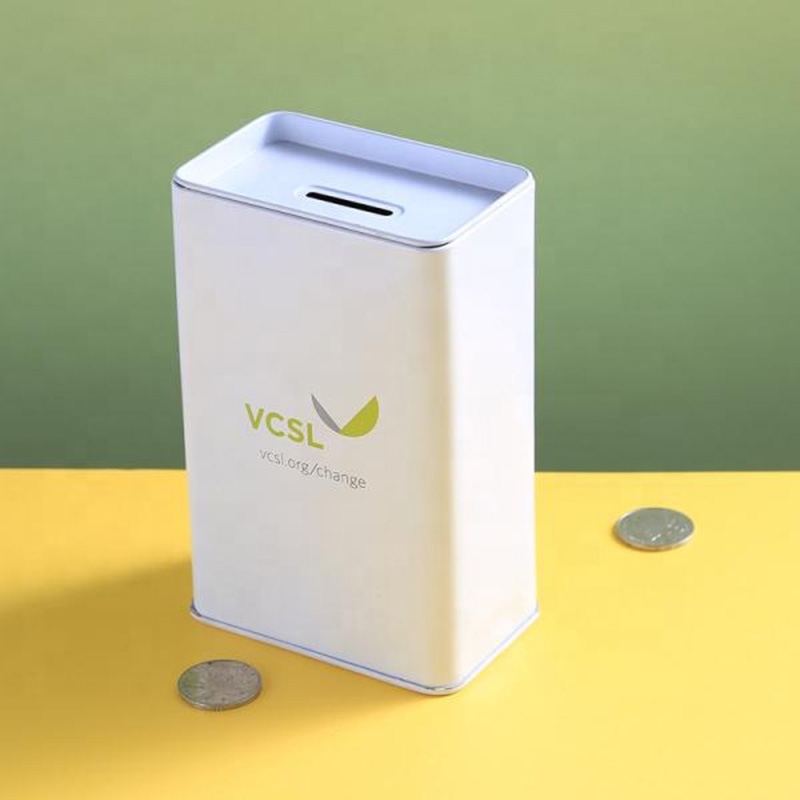
Long-lasting quality and can be utilized repeatedly. Secure savings and safeguard money against theft. Diverse range of sizes and styles, help to discover one that suits your requirements. Used as gifts for children and friends, and great way for commercial brand promotion. Reliable factory direct supplier, high quality with competitive price.
Read More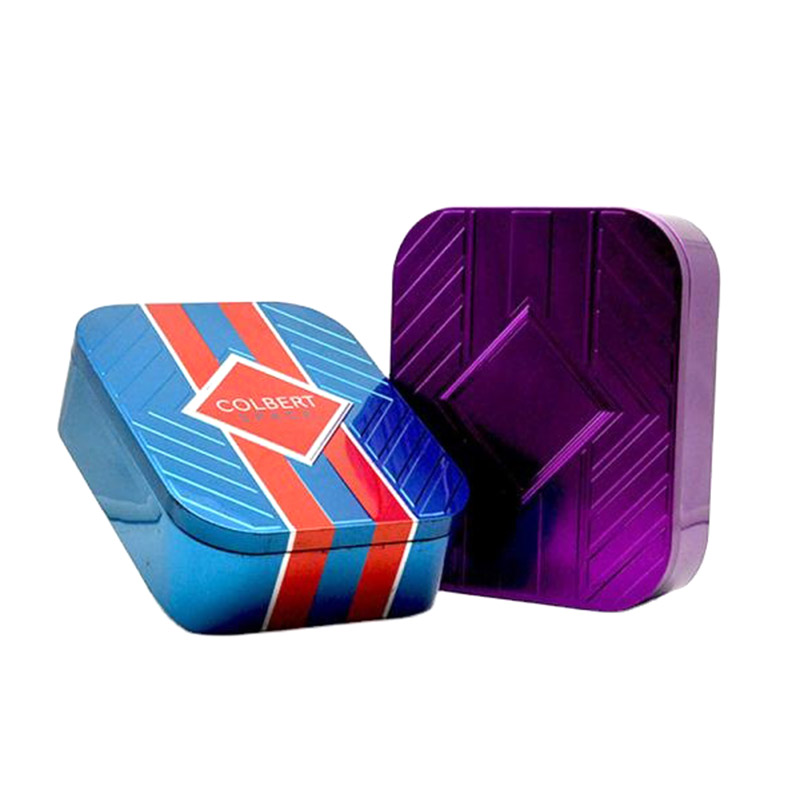
Luxury beauty products require packaging that delivers more than basic protection. This rectangular cosmetic tin box is designed for premium perfume brands, makeup companies, skincare manufacturers, and private label beauty businesses looking for distinctive metal packaging with a sophisticated appearance. The rectangular structure creates a modern and elegant presentation style for solid perfume, makeup products, balm collections, and travel-size beauty items. With customized printing and finishing options, brands can develop unique packaging that matches their market positioning.
Read More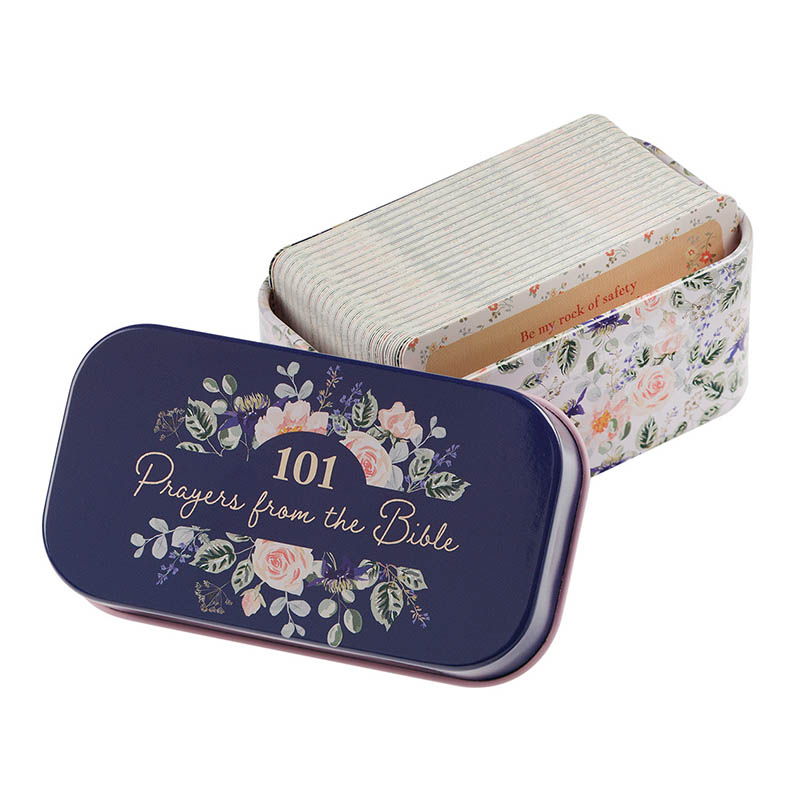
A custom metal playing card container tin is a versatile packaging solution designed for cards, jewellery, personal collections and meaningful keepsakes. Combining the durability of tinplate with a reusable storage concept, this type of metal organizer tin can serve multiple purposes beyond traditional packaging. From playing card storage to jewellery organisation and prayer keepsake boxes, the structure can be customised according to different product concepts.
Read More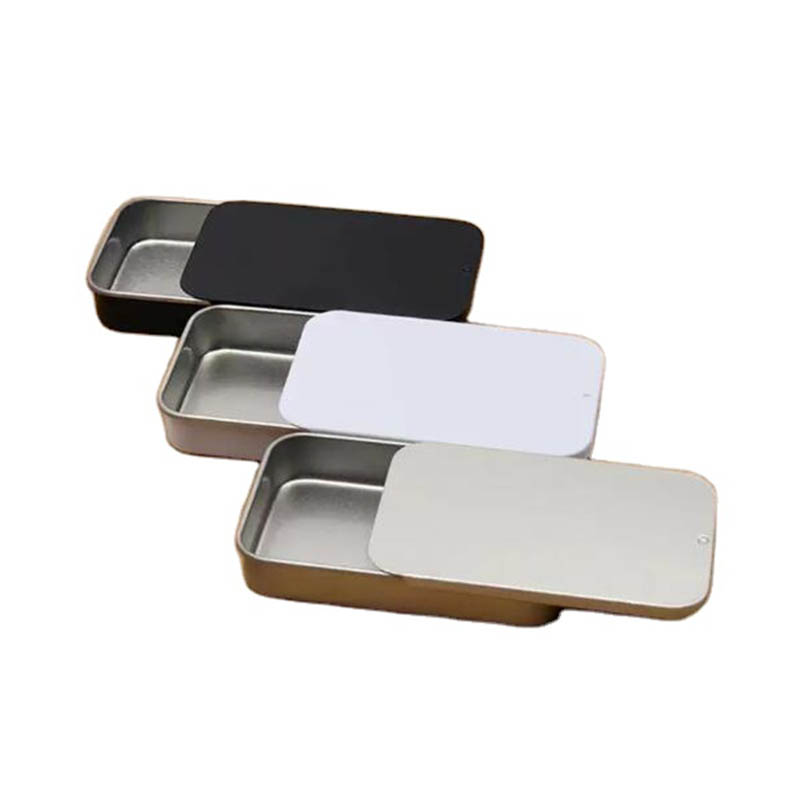
Great way to show off your product and make it stand out from the competition. Strong and durable, providing excellent protection for your products. Variety of sizes and shapes, making them suitable for a wide range of products. Cost-effective, making them an affordable packaging solution. Recyclable, making them an eco-friendly packaging option.
Read More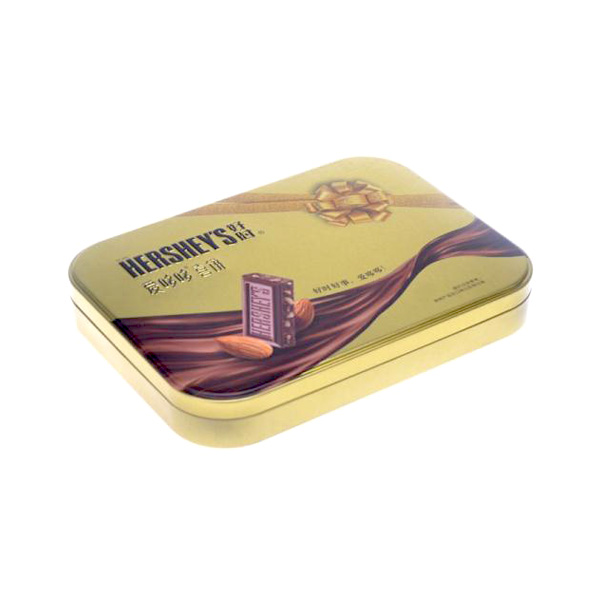
This golden shiny metal chocolate tin box packaging is designed for chocolate brands, confectionery gift suppliers, bakeries and promotional buyers that need a durable, reusable and premium-looking metal tin box for chocolate. The food-grade tinplate body, gold visual finish, custom printing options, PVC lining, clear window and handle options make it suitable for chocolate tin box packaging, empty chocolate tin box supply, chocolate gift tin box projects and customized metal chocolate tin box development for seasonal retail and private-label programs.
Read More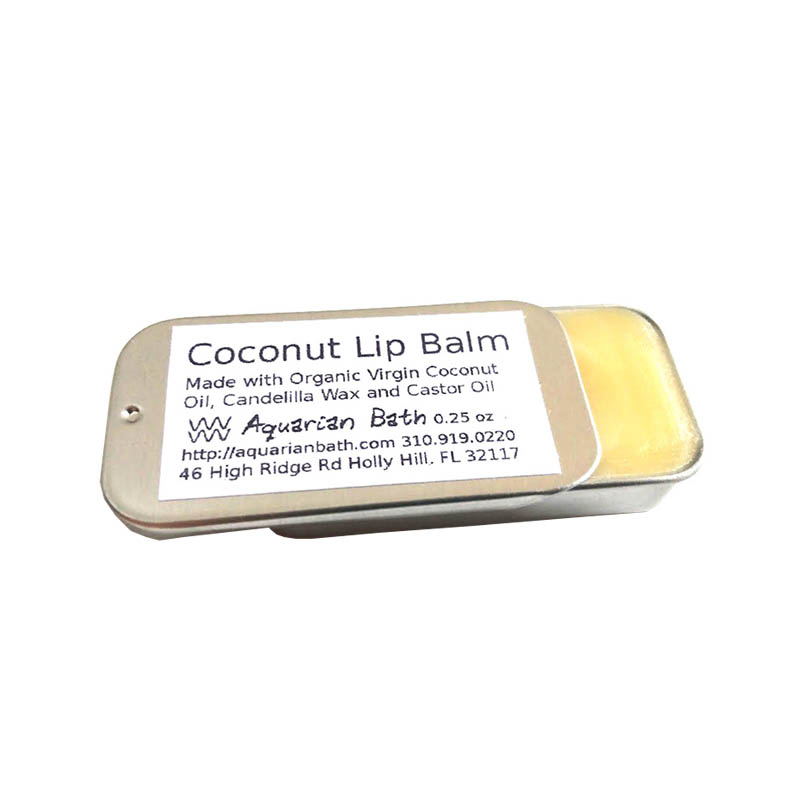
Eco-friendly, as they are made from recycled materials. Customizable, allowing you to create a unique look for your product. Versatile, as they can be used for a variety of purposes. Great for promotional purposes, as they can be printed with logos or slogans. Cost-effective packaging solution for businesses.
Read More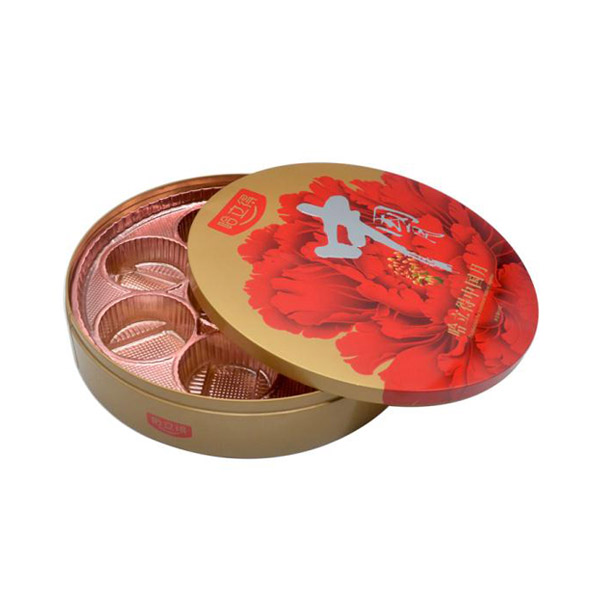
This custom embossed logo round chocolate tin with PVC lining is designed for chocolate gifts, pralines, truffles, cookies, candy and seasonal confectionery packaging that needs a reusable metal container with a premium branded finish. The round food-grade tinplate structure, embossed logo option, PVC lining, clear window and handle options make it suitable for custom chocolate tin projects, chocolate tin wholesale, printed chocolate tins, personalised chocolate tin packaging and chocolate tin gift programs for retail brands, distributors and private-label buyers.
Read More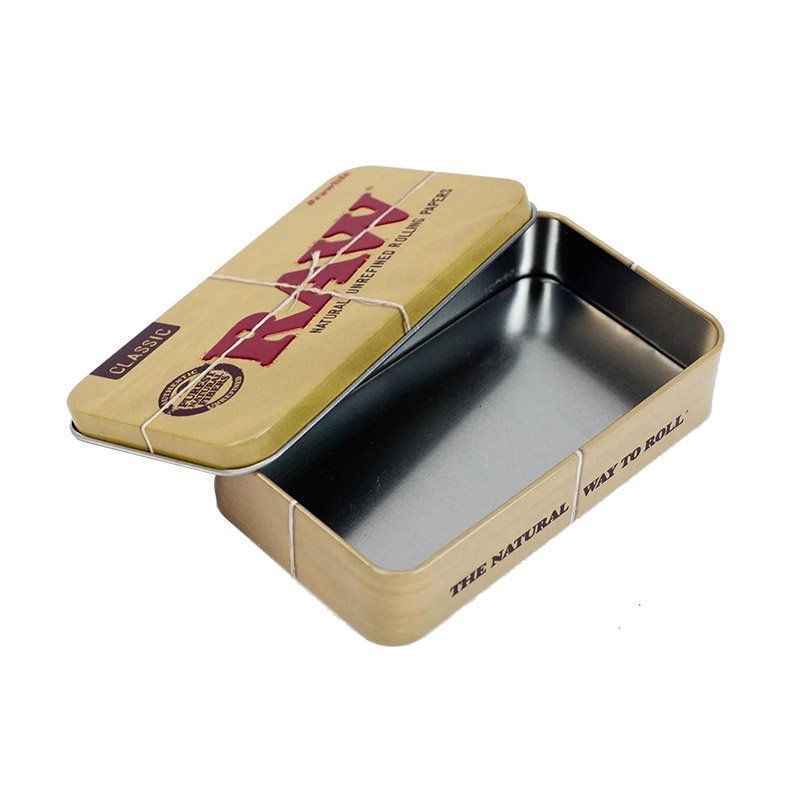
Wide range of tin packaging solutions for you to choose from, covering the full range of products. Modern process brings a good seal and long storage time. Well-known partners include leading brands such as Mentos, Tic Tac, Altoids. Premium quality tinplate material ensures that the tin provides a perfect seal. Professional design team, advanced printing equipment, perfect presentation.
Read More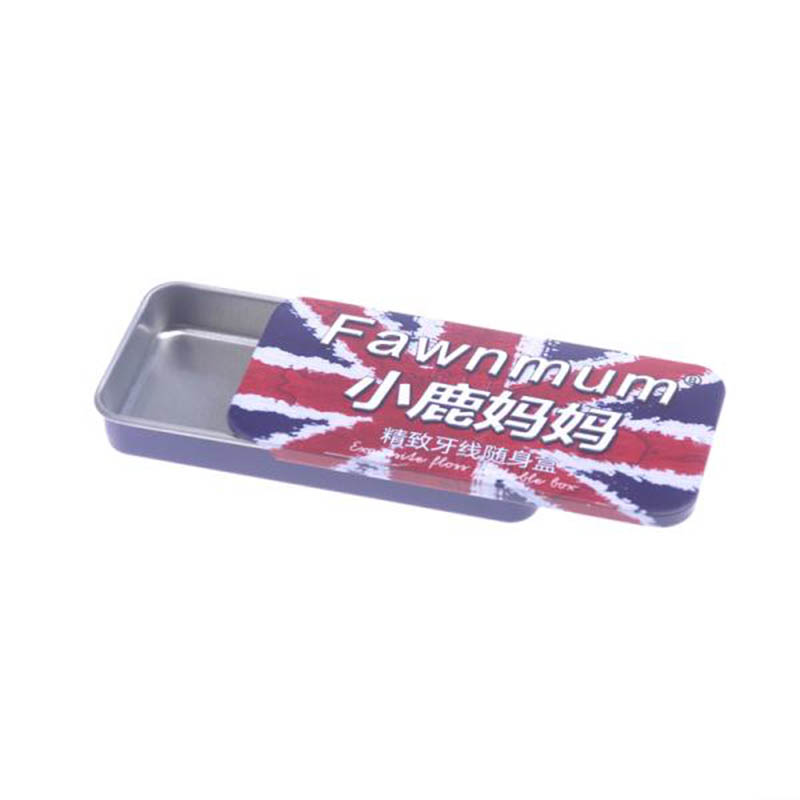
This flat slide tin can packaging box is designed for small products that need a clean, portable, and reusable metal container. It works well for mints in tin can packaging, gum in tin can packaging, pill tin projects, candy square tin box packing, solid perfume, lip balm, sample kits, and promotional gift tins. The sliding lid gives users quick access without a separate cover, while the thin rectangular body fits easily into pockets, handbags, gift sets, checkout displays, mailer kits, and point-of-sale bundles.
Read More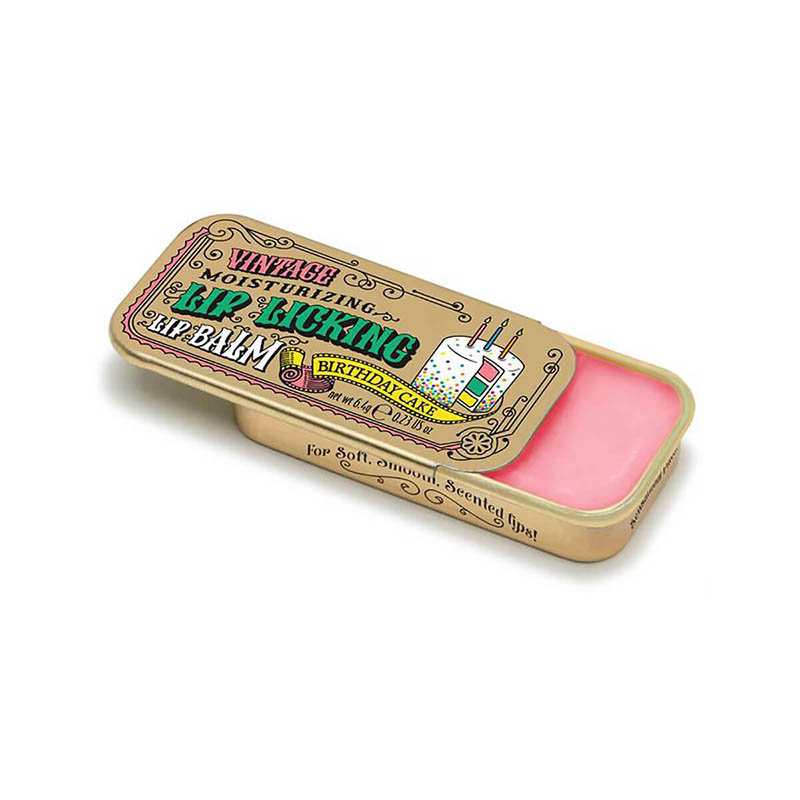
Can be customized with logos, colors, and other branding elements. Can be used to store products for long periods of time. Relatively inexpensive compared to other types of packaging. Moisture-resistant, making them ideal for storing food products. Great way to add value to products and create a unique customer experience.
Read More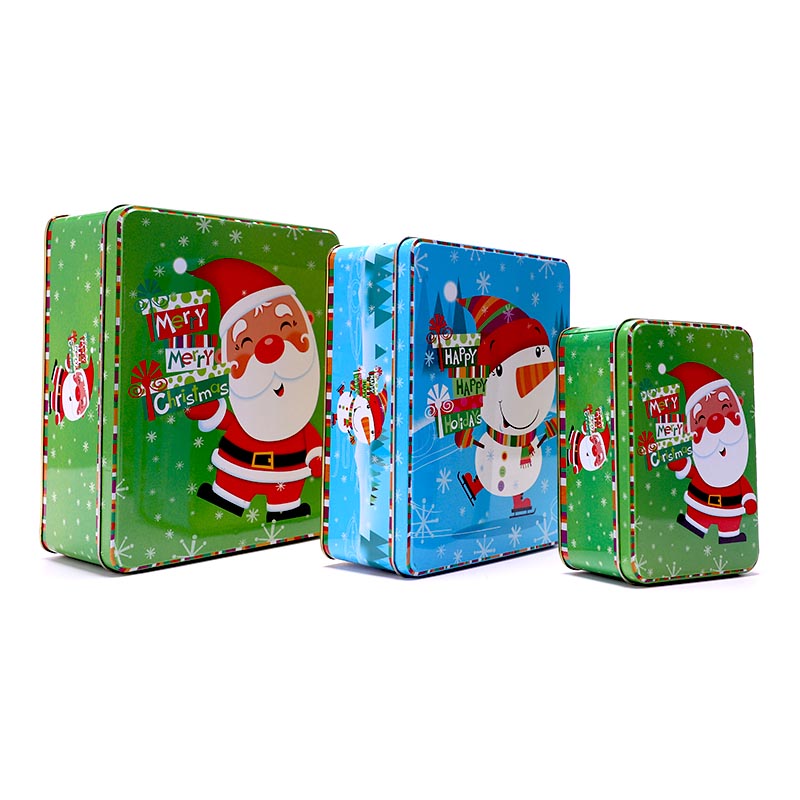
This rectangular Christmas tin box is designed for cookies, biscuits, chocolate, candy and festive gift packaging. Its large flat surface supports Christmas artwork, logos and product information, while the rigid reusable tinplate structure helps improve holiday gift value, retail display and product protection.
Read More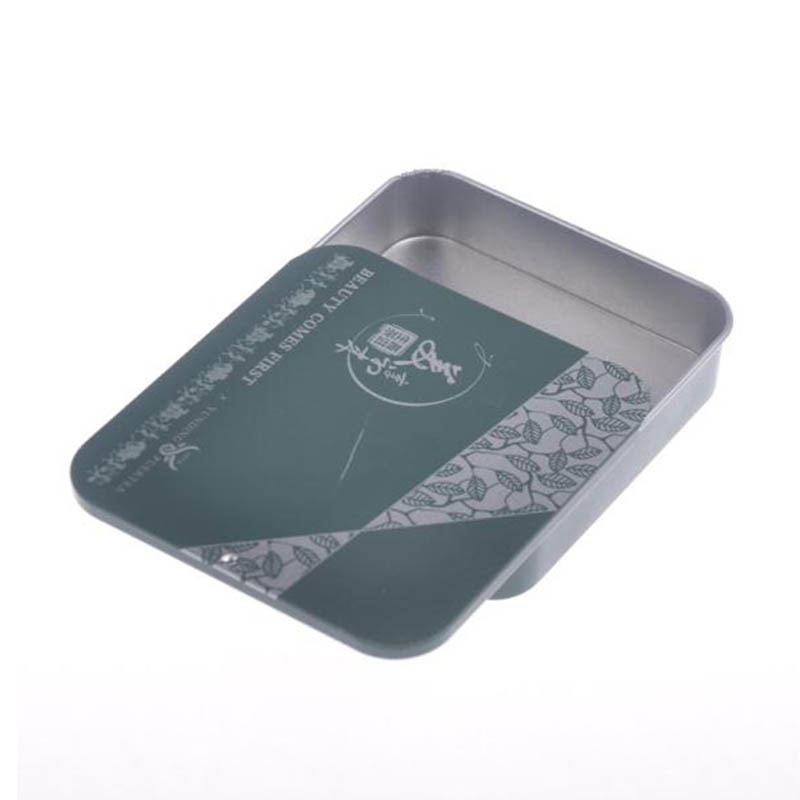
Airtight seal to keep your mint fresh and flavorful. Variety of sizes to accommodate any amount of mint. Customized with your own design or logo, making them a great gift option. Made from sturdy materials that are designed to last. Designed to be stackable and easy to store in any cupboard or pantry.
Read More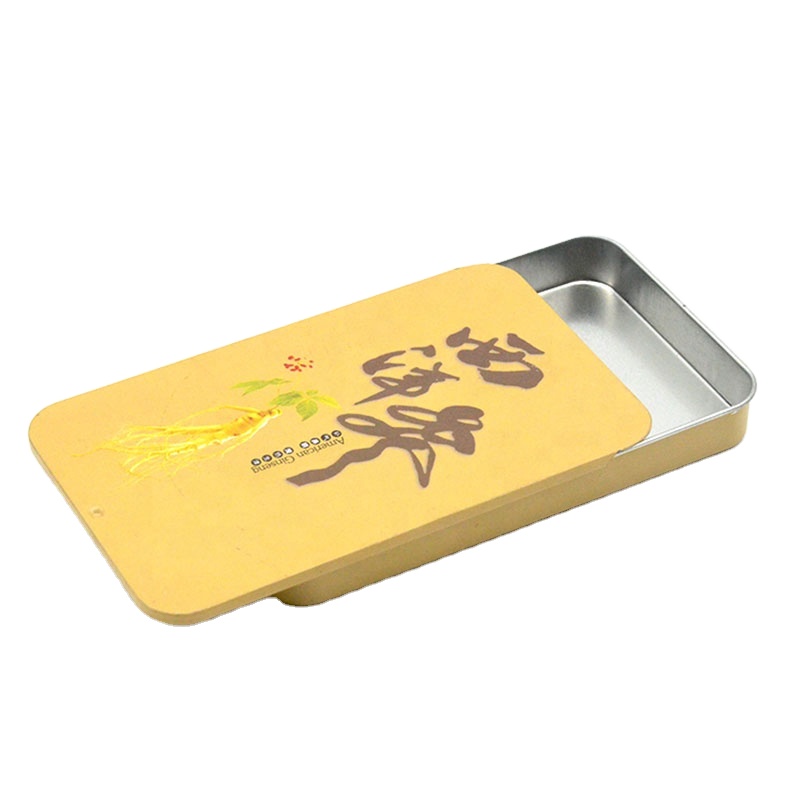
Made from sturdy, food-grade materials that are designed to last for years. Mint tins feature a tight-fittinsg lid that ensures your mint stays fresh and flavorful. Variety of stylareh designs that are sure to impress. Make great gifts for any occasion, from birthdays to holidays. Variety of sizes, making it easy to find the perfect one for your needs.
Read More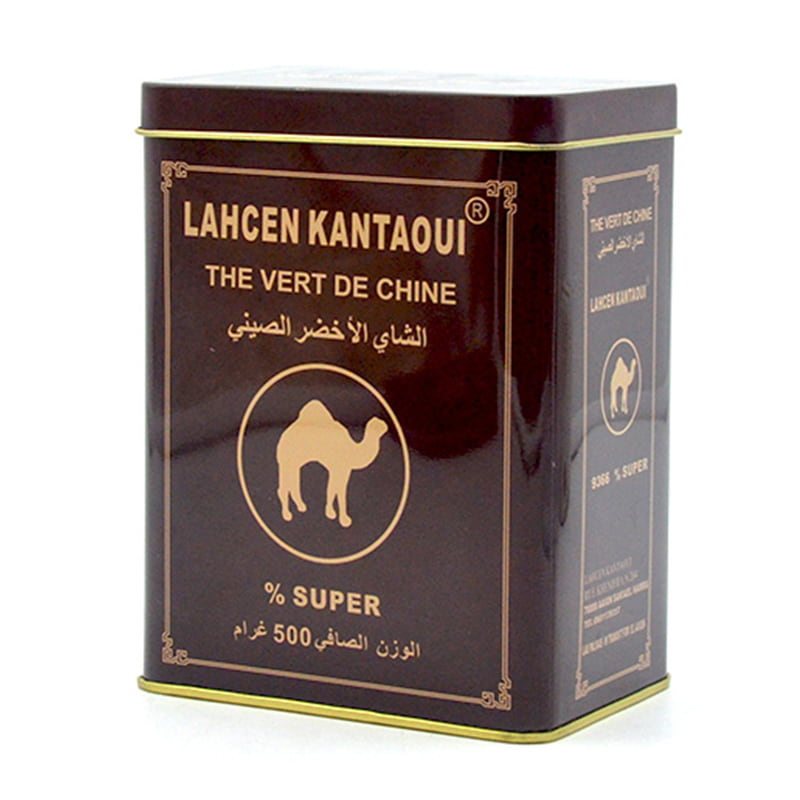
Whether retail or wholesale, our coffee tin packaging adapts to all market demands. Your coffee stays fresher, longer, thanks to our modern sealing systems. Our tins help famous coffee brands preserve flavor and build visual identit Safe, sealed, and sanitary—our coffee tins keep your beans protected. Grab attention with beautifully printed coffee tins in sharp, vivid colors.
Read More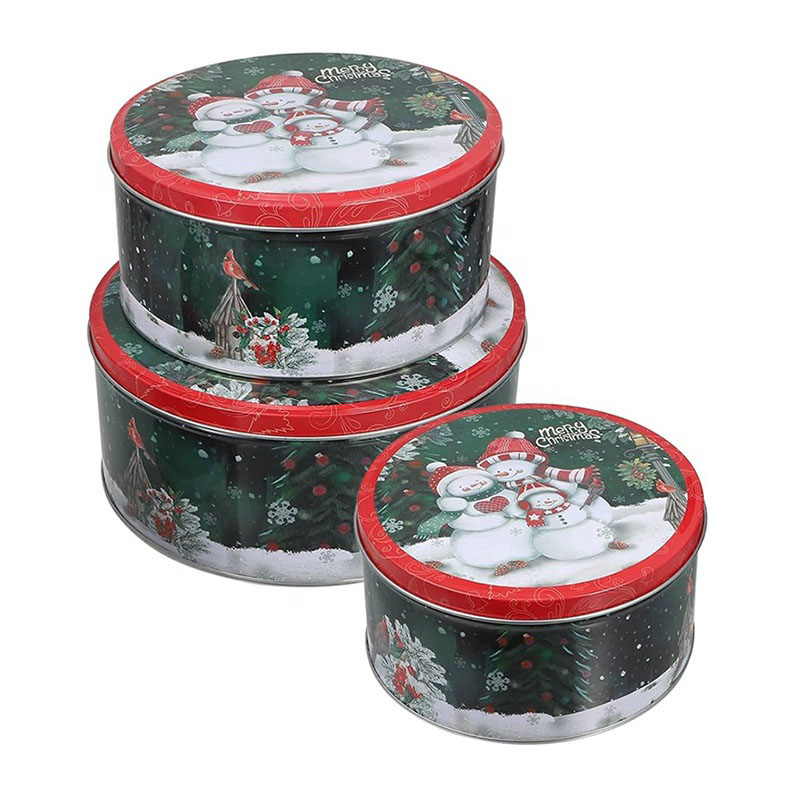
Round holiday cookie tins are reusable tinplate containers for Christmas and Thanksgiving biscuit assortments, chocolates, candies and corporate food gifts. Reference dimensions are 220 mm in diameter and 70 mm high; actual fill capacity depends on cookie size, layout and inserts. Cookie count, layer height and inner packing should be tested together; paper cups or dividers help organize mixed shapes and textures. CMYK or Pantone printing, matte or glossy finishes and embossing can coordinate festive artwork across the lid and sidewall. Empty tins support local filling by bakeries and co-packers; food-contact coatings, liners and protective shipping cartons should match the intended application. For Jinyu orders, the standard minimum is 5,000 pieces per design; approve samples and schedule production and shipping before the seasonal launch.
Read More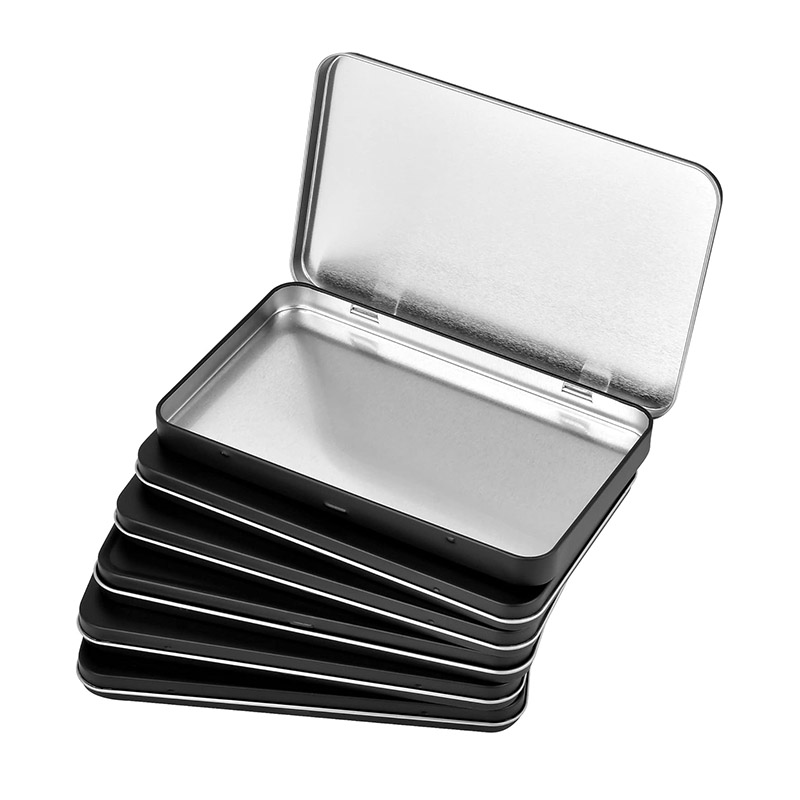
Wide range of tin packaging solutions for you to choose from, covering the full range of products. Modern process brings a good seal and long storage time. Well-known partners include leading brands such as Mentos, Tic Tac, Altoids. Premium quality tinplate material ensures that the tin provides a perfect seal. Professional design team, advanced printing equipment, perfect presentation.
Read More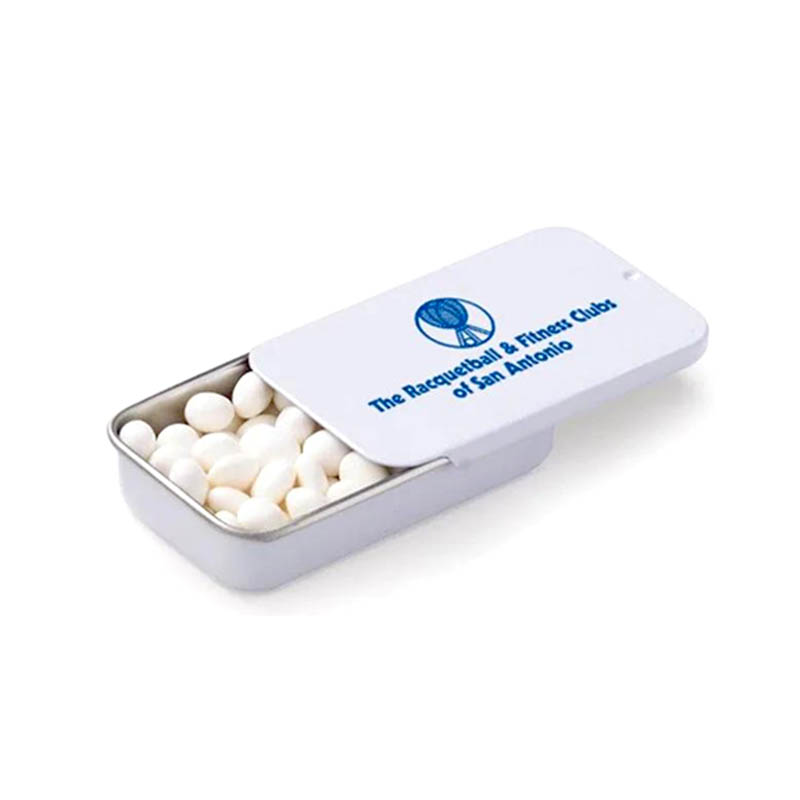
Easy to assemble and disassemble, making them great for temporary storage solutions. Stackable, making them great for maximizing storage space. Great for displaying items in retail stores, as they can be easily opened and closed. Great way to store and organize documents, as they are secure and easy to label. Perfect for gifting, as they can be personalized with a design or logo.
Read More
This custom printed rectangle chocolate tin box with PVC lining inside is designed for chocolate bars, wafers, pralines, cookies, candy and confectionery gift packaging that needs a clean rectangular format, reliable food-grade metal protection and full custom brand presentation. The food-grade tinplate body, compact rectangle size, PVC lining, clear window and handle options make it suitable for chocolate tin box rectangle projects, printed chocolate tins, empty chocolate tin box supply, chocolate gift tin box packaging and wholesale custom chocolate tin box programs.
Read More
These containers are designed for effortless stacking, simplifying storage and organization. Not only are these containers reusable, but they are also versatile, serving as both storage and decoration. With an array of sizes, colors, and designs, you can discover the ideal fit for your requirements. The straightforward flip-lid design enables easy opening and closing. Crafted from durable tinplate, these containers are constructed to endure and withstand everyday use.
Read More
Provide variety of sizes to store any amount of mint and candy. Airtight and seal structure to keep your mint fresh and flavorful. Affordable and offer great value for money. Reclclable tinplate material that make them a great eco-friendly choice. Advanced panton color printing devices bring more fashional and valueable designs.
Read More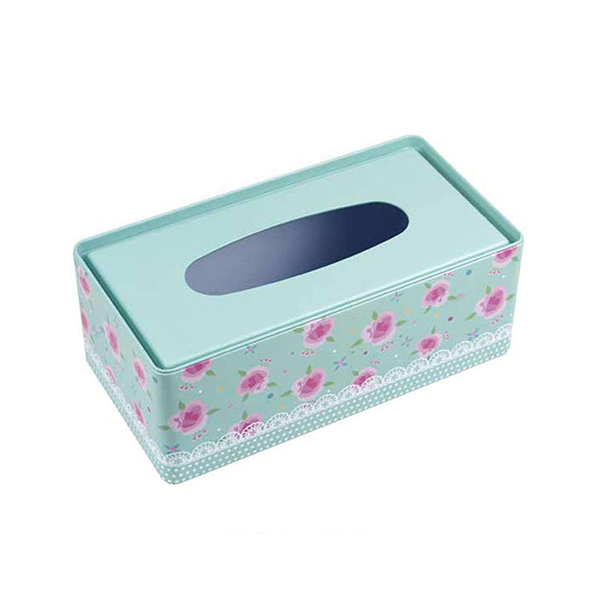
Our selection of cookies packaging options is designed to cater to all types of packaging requirements. With our successful sealing techniques, you can ensure that your gifts remain fresh and preserved for longer durations. Oreo, Keebler, Chips Ahoy, and Pepperidge Farm are famous cookie brands that are loyal to us. Rest assured that we prioritize the safety of your gifts packaging by utilizing food-grade first-grade tinplate, ensuring the highest level of quality. To guarantee top-notch quality in tin box presentations, we employ professional Pantone and 4-color printing machinery.
Read More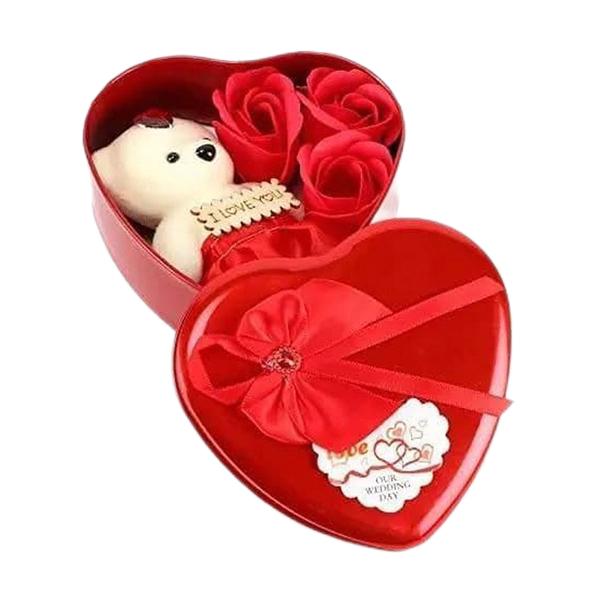
This wholesale heart shaped Valentine gift tin box is designed for chocolates, candies, cookies, mints, small gifts and seasonal keepsake storage. The heart-shaped food-grade tinplate body, large decorative lid, custom printing options, PVC lining, clear window and handle options make it suitable for tin box Valentines projects, valentine candy tin box packaging, valentine chocolate tin box gifts, Christmas cookie candy tins and heart tin container wholesale supply for gift brands, confectionery companies and promotional buyers.
Read More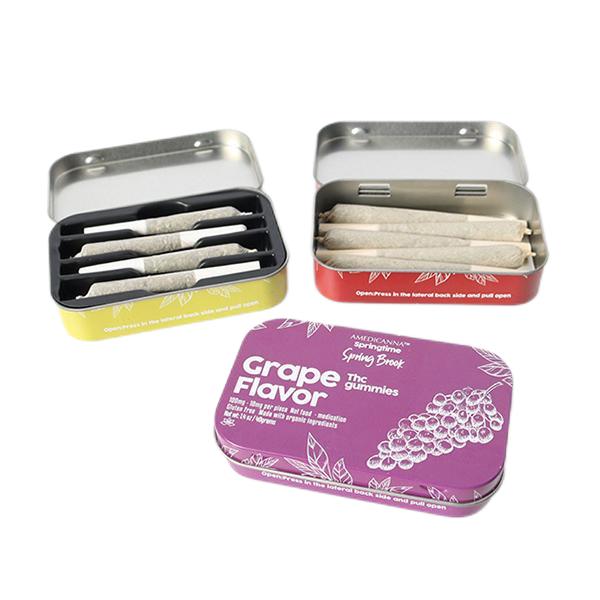
A custom square tobacco tin box provides a compact and practical metal packaging solution for cigarette products, pre-roll containers and private label tobacco-related packaging projects. Compared with traditional round tins, the square format creates more efficient use of internal space and provides a larger flat surface for branding. This makes it suitable for brands that need a distinctive retail package with strong visual impact and organised storage.
Read More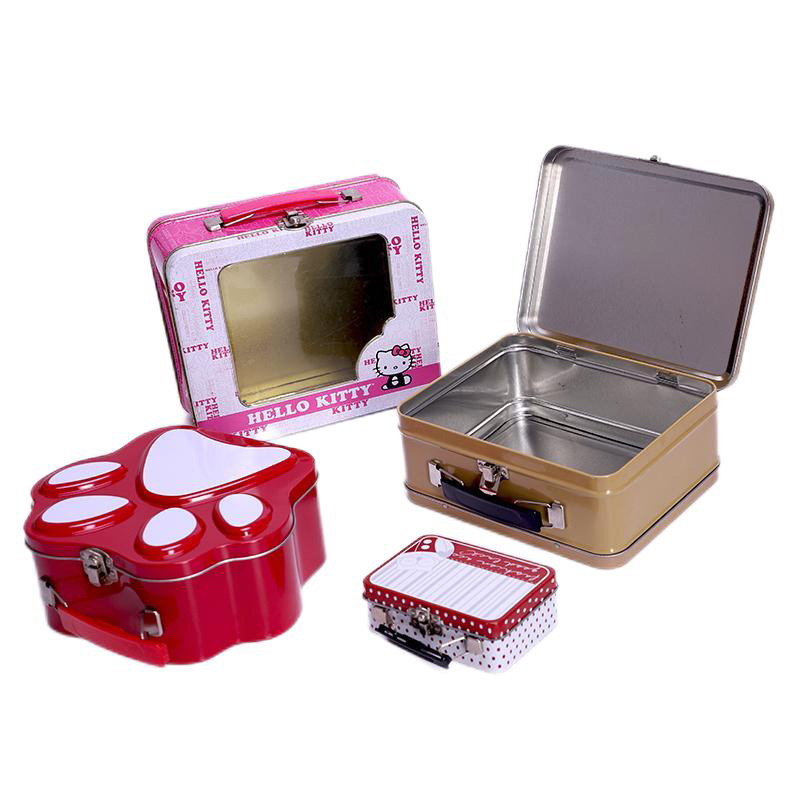
This metal gift lunch tin box container with plastic handle is designed for cookies, chocolates, candy, biscuits, packaged snacks, children’s gifts and promotional storage products that need a portable rectangular metal case. The food-grade tinplate body, plastic carry handle, hinged lid with lock-style clasp and custom printable surfaces make it suitable for custom lunch tin box projects, kid lunch tin box designs, blank lunch tin box programs and lunch tin box wholesale orders for retail and promotional packaging.
Read More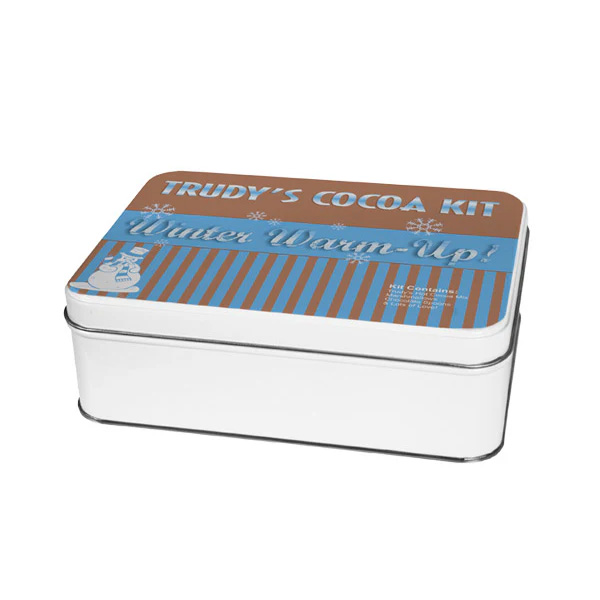
Made of food grade tinplate, adaptable for various applications. Sturdy and protection against moisture and light, long preserve of the contents. Offers multiple sizes and styles, easily to fits your diversified demand. Customizable with logos and designs, meet brand or individual needs of packaging. Reused for storage or as decorative items, recyclable and environmentally friendly.
Read More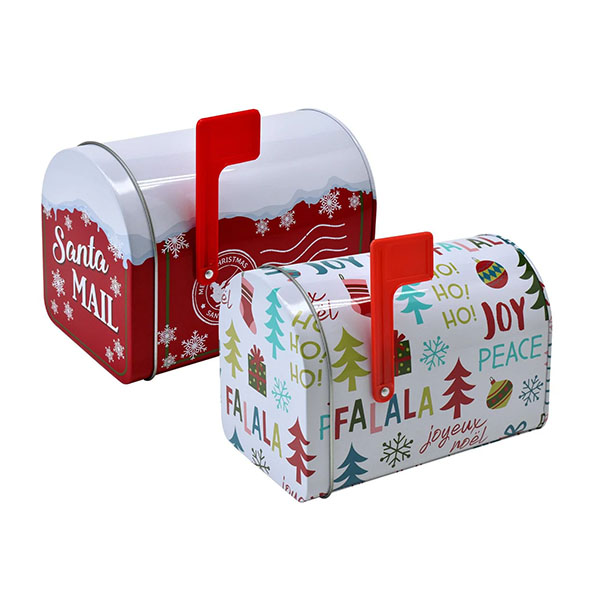
We've got just the right packaging solution waiting for you, tailored to your needs. Our cutting-edge methods ensure your products are sealed securely, allowing for prolonged storage. Some of the biggest names in food, including Oreo, Keebler, Chips Ahoy, and Pepperidge Farm, trust us with their business. You can be confident that your products will be packaged in top-notch tinplate, safe for food contact. State-of-the-art Pantone and 4-color printing technology ensure your tin boxes stand out with unmatched quality for your product presentations.
Read More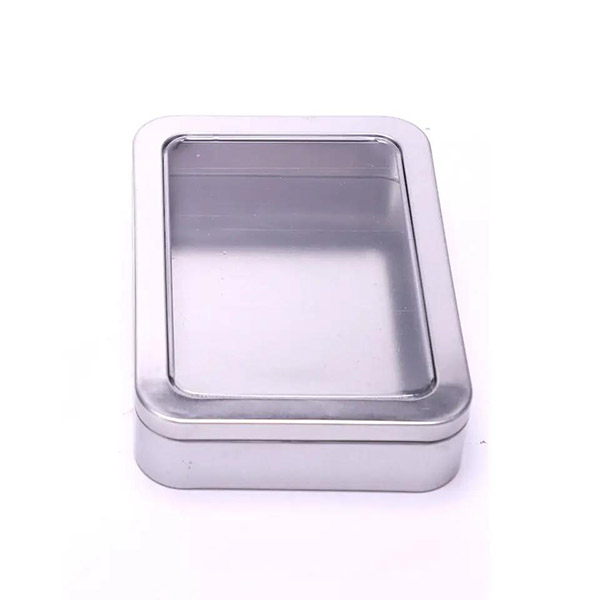
Metal tin box with window, size: 127*93*30mm, its made by 0.23mm thickness tinplate, CMYK 4 color or panton printing, we support any customization.
Read More
Wide range of tin packaging solutions for you to choose from, covering the full range of products. Modern process brings a good seal and long storage time. Well-known partners include leading brands such as Mentos, Tic Tac, Altoids. Premium quality tinplate material ensures that the tin provides a perfect seal. Professional design team, advanced printing equipment, perfect presentation.
Read More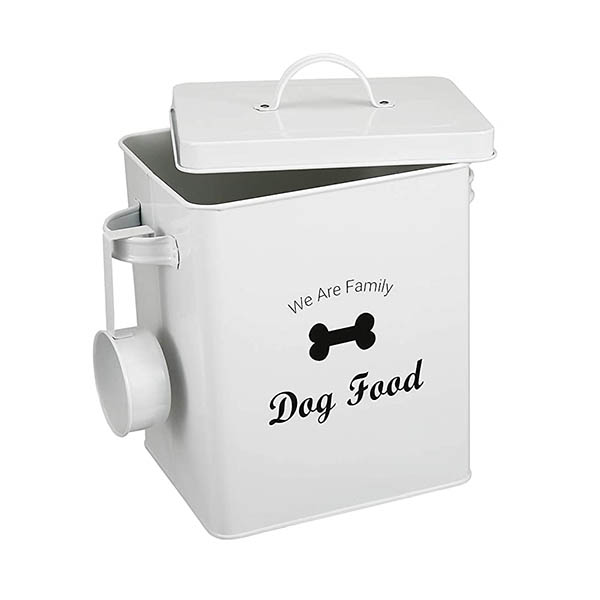
Pet food Tin Storage Container, size: 180*155*230mm, its made by 0.35mm thickness galvanized plate, CMYK 4 color or panton printing, we support any customization.
Read More
Designed for easy stacking, these containers make storage and organization a breeze. These containers are not only reusable but also versatile, serving as both storage and decoration. With a variety of sizes, colors, and designs, you can find the perfect fit for your needs. The simple flip-lid design allows for easy opening and closing. Made from durable tinplate, these containers are built to last and withstand everyday use.
Read More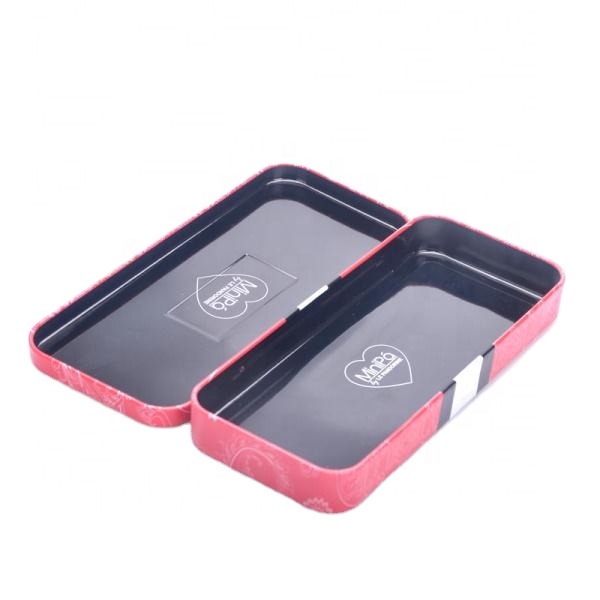
Constructed with durable tinplate materials, these items are built to last, ensuring their longevity and resilience. Provide a secure and protective barrier for your stationery, ensuring they remain undamaged and accounted for. Explore our extensive collection of sizes and styles, featuring holders and cases that are perfectly suited to fulfill all your specific requirements. Transform your pencils into unique and captivating works of art with high-quality color printing machine, stand out and leave a lasting impression. Experience the advantage of sourcing directly factory, where we guarantee the delivery of superior quality products at a highly competitive price.
Read More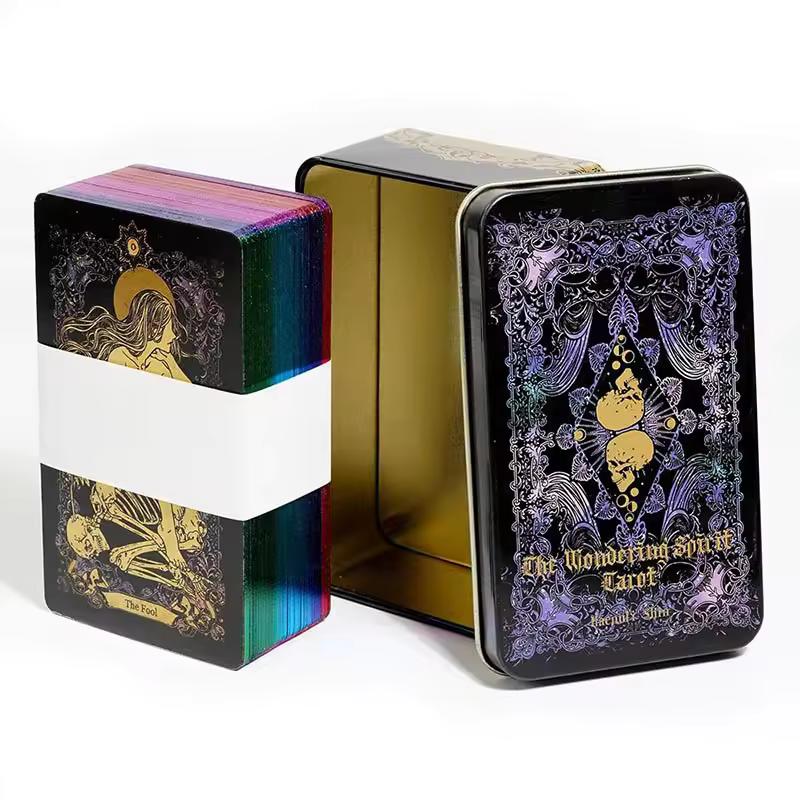
A custom metal tarot deck tin box provides a premium storage solution for tarot cards, oracle decks, playing cards and spiritual collections. Designed for brands that value both protection and presentation, this metal card tin combines a durable tinplate structure with custom artwork possibilities. The reusable container helps transform a card deck into a complete collectible product experience.
Read More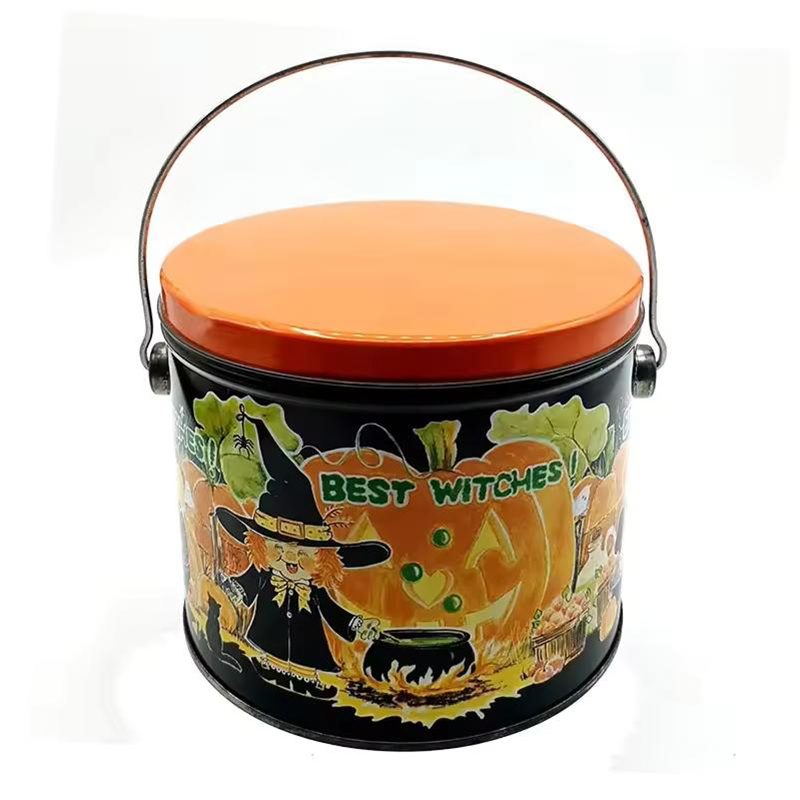
This round festival gift promotional tin can with handle is designed for Halloween cookies, candy, chocolates, party favors, Christmas sweets, gift sets and reusable storage. The food-grade round tinplate body, portable handle, printable surface, PVC lining and clear window options make it suitable for a tin box with handle, gift tin box with handle, cookie tin box with handle, metal container with handle and OEM/ODM tin pail with handle projects for seasonal retail, promotional gifts and factory-direct wholesale packaging.
Read More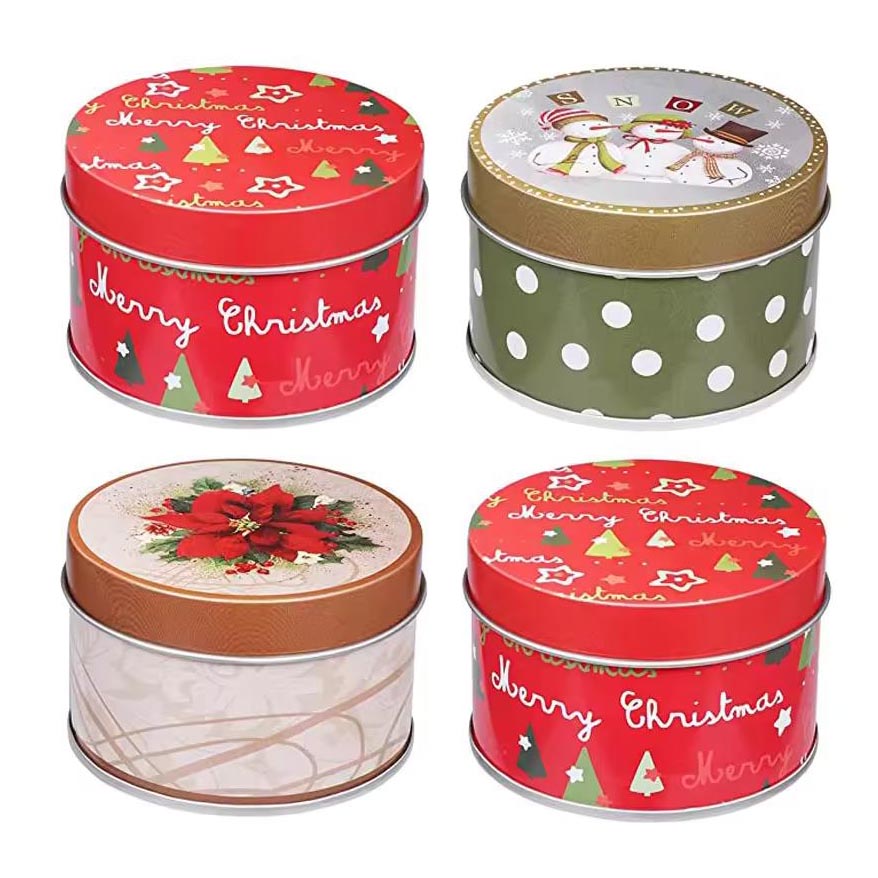
Round Christmas cookie tins are metal gift containers for biscuit assortments, wrapped chocolates and seasonal confectionery collections. The reference size is 220 mm in diameter and 70 mm high; usable capacity requires a fill test with the intended contents. Printed metal lids provide space for festive artwork, while window-lid versions can display the arranged products through a transparent panel. Cookies, inner bags, paper cups and dividers must be checked together so that the finished pack closes without compressing the contents. For Jinyu orders, the standard minimum is 5,000 pieces per design; confirm artwork, packing requirements and delivery dates before production.
Read More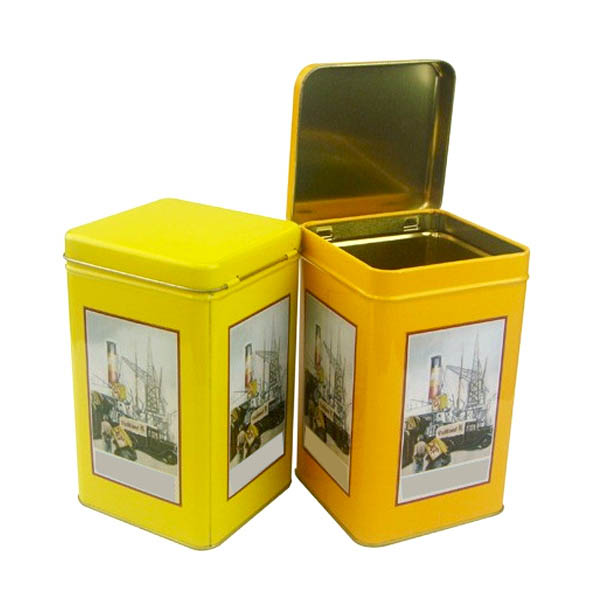
Help to preserve the freshness of your tea for longer. Increase the perceived value of your tea products. Secure, airtight seal that helps preserve the freshness and flavor of tea. Food grade tinplate is durable and can withstand the rigors of shipping and handling. Variety of sizes and shapes, making it easy to find the perfect fit for your product.
Read More
We stock a series of tea can packaging solutions for you to choose from. Improved process will provide an effective seal and long-term storage for your tea. Top tea brands like Lipton, Twinings and Tetley, are our loyal customers. Tea packaging is made with FDA approved food grade tinplate to ensure maximum safety. Professional printing equipment to perfectly present your tea tin can packaging design.
Read More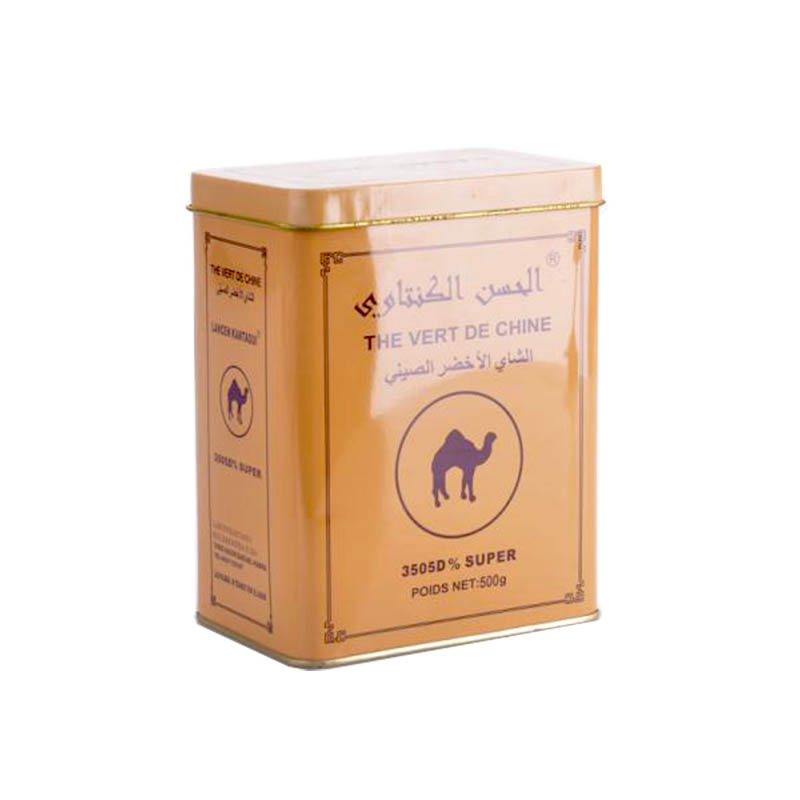
Can be reused and repurposed in a variety of ways. Airtight and moareture-resaretant, keeping the tea fresh for longer. Variety of sizes and shapes, making it easy to find the perfect fit for your product. Cost-effective, making it a great choice for businesses on a budget. Easy to store and can be stacked, making it a great choice for businesses with limited storage space.
Read More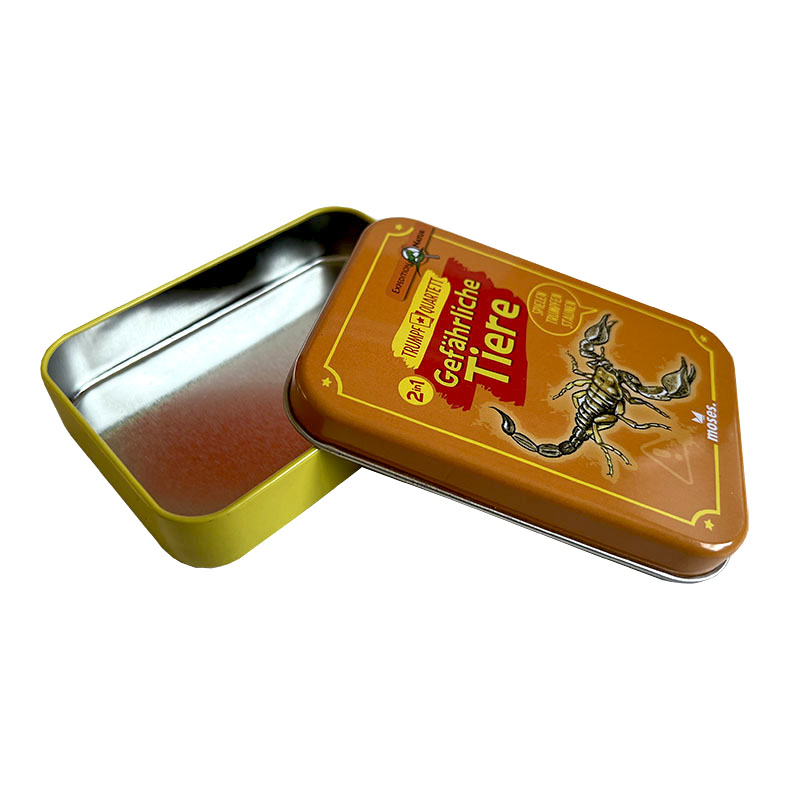
Stackable, making them easy to store and organize. Variety of purposes, from storing items to using them as decorative pieces. Perfect for gifting small items such as chocolates, candies, and other treats. Food contact grade tinplate can keep the mint tasty and fresh. Can be customized with your own designs and patterns that can make them unique and more valueable.
Read More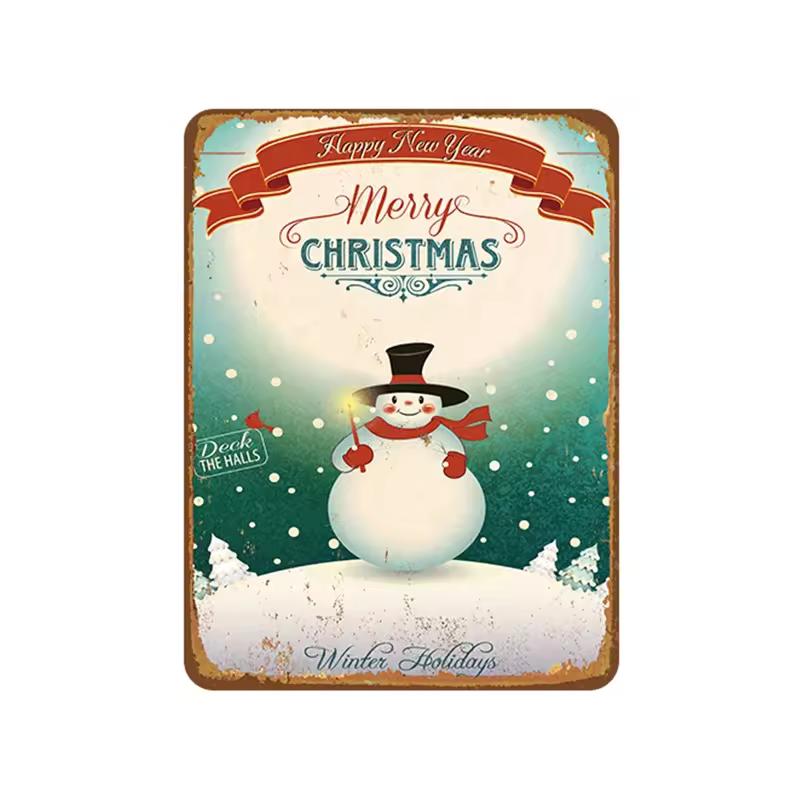
Made of food grade tinplate, adaptable for various applications. Sturdy and protection against moisture and light, long preserve of the contents. Offers multiple sizes and styles, easily to fits your diversified demand. Customizable with logos and designs, meet brand or individual needs of packaging. Reused for storage or as decorative items, recyclable and environmentally friendly.
Read More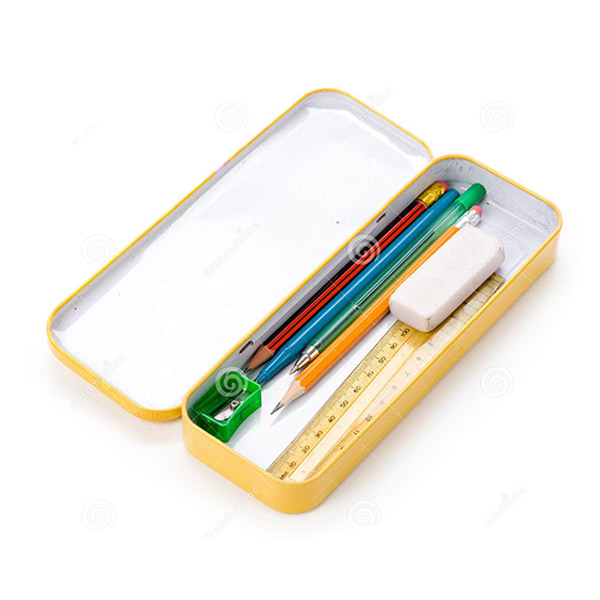
A custom printed school tin pencil box should be designed around the stationery set it needs to carry, not simply around an available metal container. Pencil length, ruler size, eraser thickness, sharpener dimensions and the number of writing tools all affect the internal space required. Unlike an open-top tin pencil holder that stays upright on a desk, a metal tin pencil case is a closed stationery container intended to keep pencils and other school supplies together during storage, carrying and daily classroom use.
Read More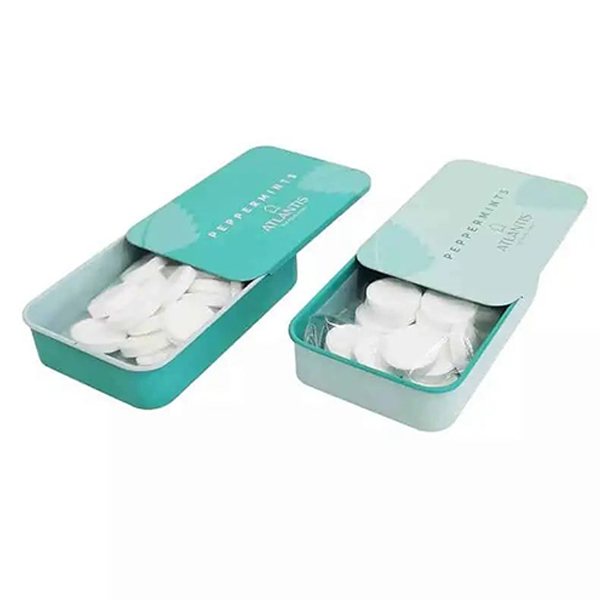
Easy to assemble and disassemble, making them great for temporary storage solutions. Stackable, making them great for maximizing storage space. Great for displaying items in retail stores, as they can be easily opened and closed. Great way to store and organize documents, as they are secure and easy to label. Perfect for gifting, as they can be personalized with a design or logo.
Read More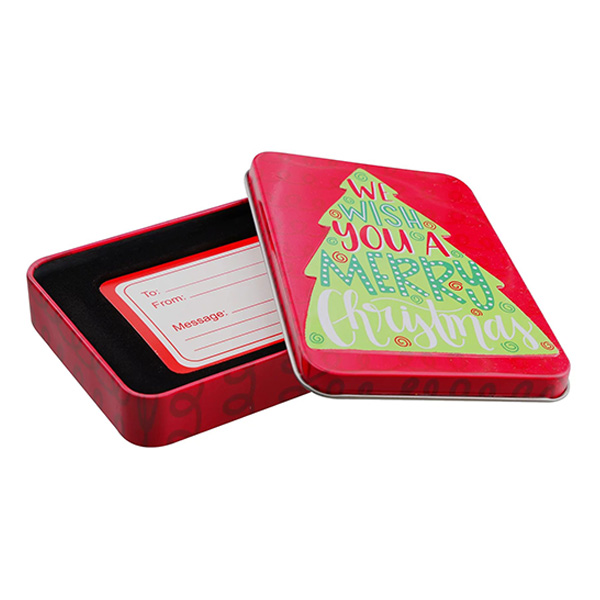
Designed for easy stacking, these containers make storage and organization a breeze. These containers are not only reusable but also versatile, serving as both storage and decoration. With a variety of sizes, colors, and designs, you can find the perfect fit for your needs. The simple flip-lid design allows for easy opening and closing. Made from durable tinplate, these containers are built to last and withstand everyday use.
Read More
A soap tin box offers a durable, eco-friendly packaging solution for storing and protecting soap. Its sturdy metal build ensures the soap stays dry and intact, while its compact design makes it perfect for travel. With customizable options and various styles, it adds an elegant touch to your personal care routine.
Read More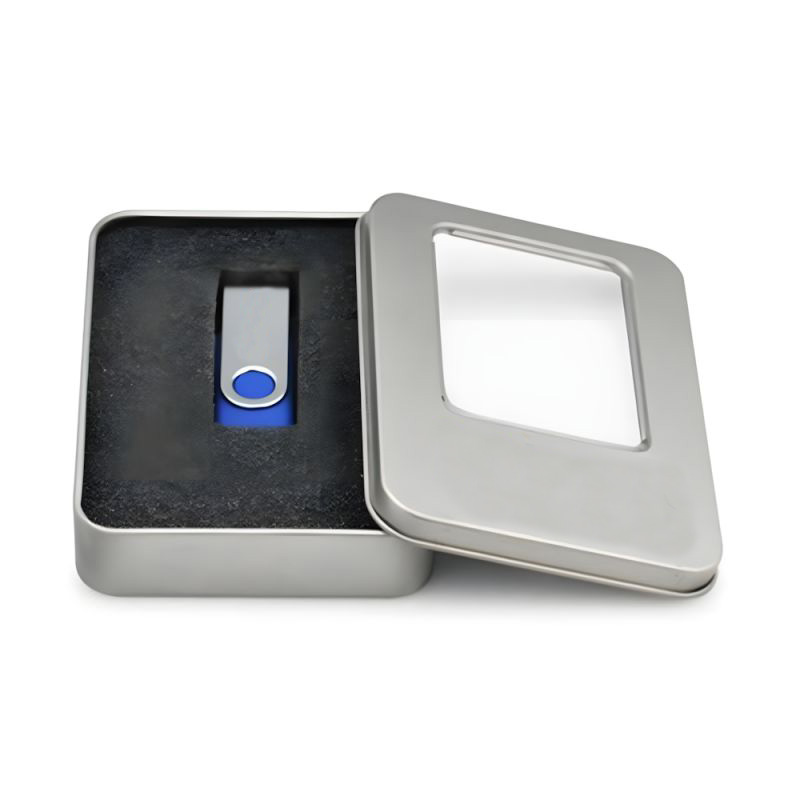
A USB metal tin box is a durable and sleek packaging solution, perfect for storing and protecting your USB drives. Its sturdy metal construction shields the USB from damage, ensuring its longevity and reliability. The compact design makes it easy to carry and store, whether at home or on the go. Available in various styles and customizable options, the USB metal tin box adds a professional and stylish touch to your tech accessories, making it an excellent choice for both personal and corporate use.
Read More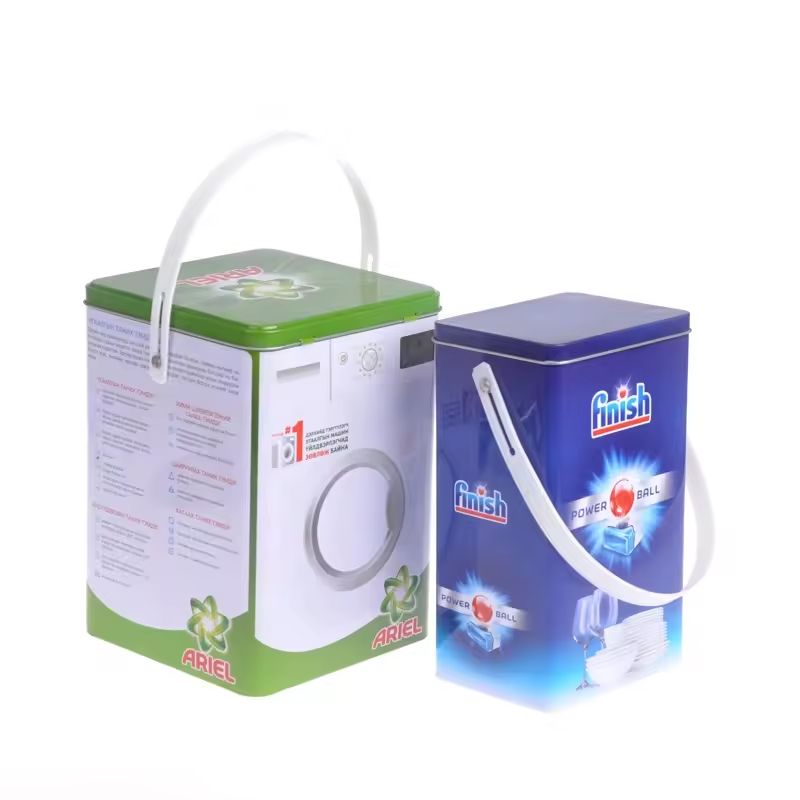
A laundry detergent tin box is a durable and eco-friendly packaging choice, perfect for storing and preserving detergent. Its robust metal construction keeps the detergent dry and safe from moisture, ensuring long-lasting freshness. The compact design makes it convenient for storage and travel. Available in various designs with customizable options, it adds a touch of sophistication to your laundry routine.
Read More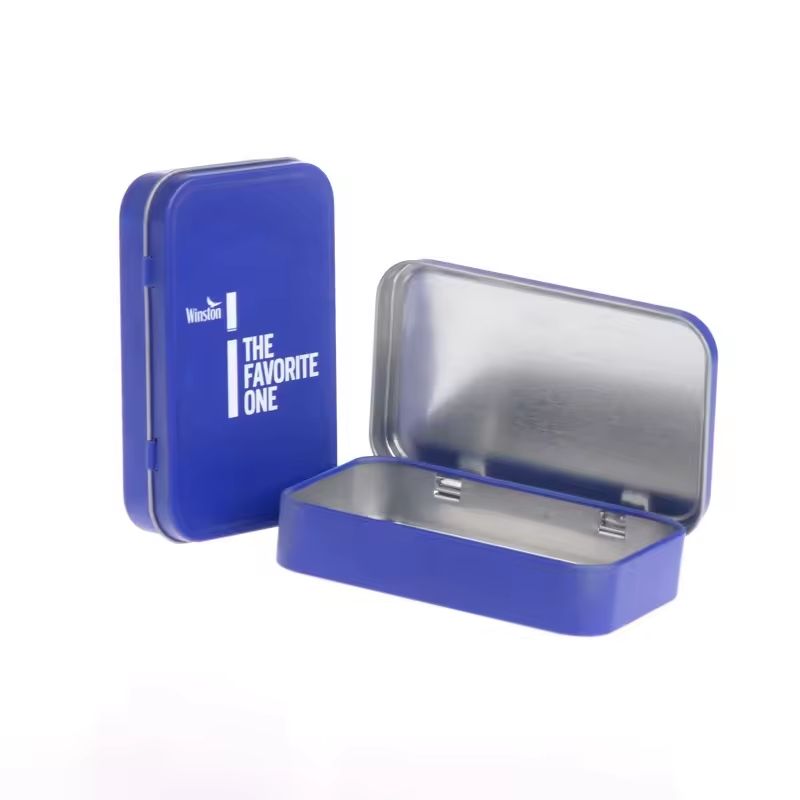
A condom metal tin box is a discreet and durable packaging solution, ideal for keeping condoms safe and intact. Its sturdy metal construction shields the contents from damage, while the compact design makes it easy to carry. Available in various styles and customizable options, it adds a touch of sophistication to your personal care essentials.
Read More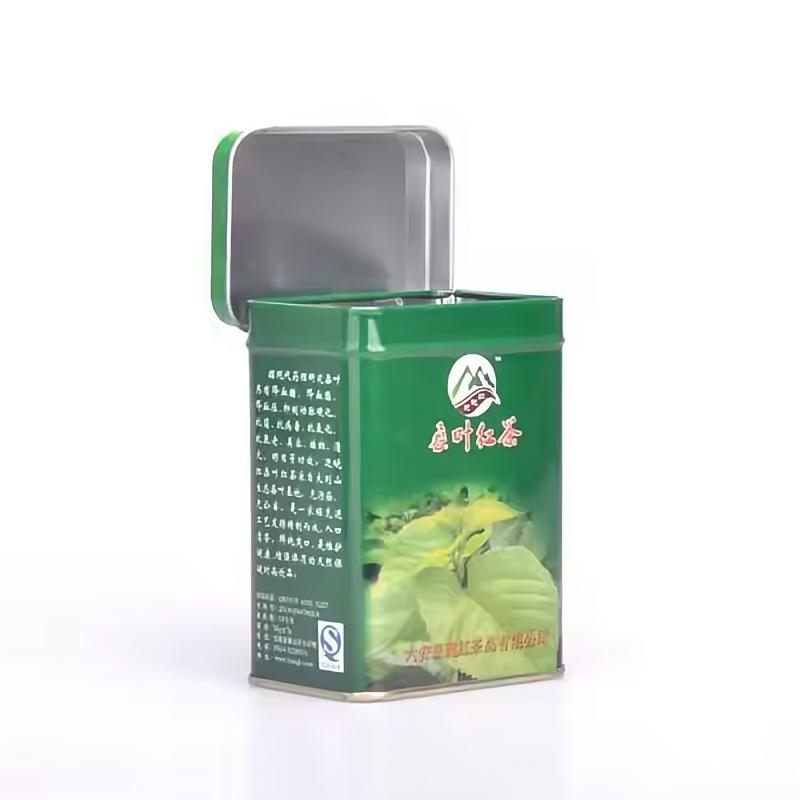
Explore our premium tea tin containers, crafted to maintain the freshness and flavor of your tea. Available in customizable sizes and designs, these high-quality tins combine functionality with elegance, making them the ideal choice for tea enthusiasts and brands.
Read More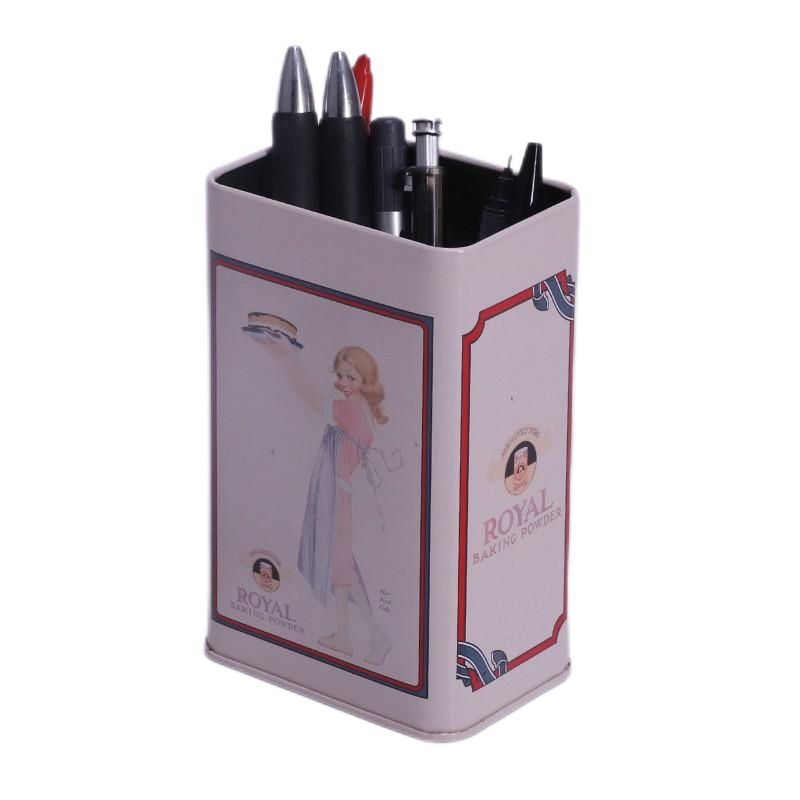
A personalised square metal desk pencil holder is designed for workspaces where stationery needs to stay organised without looking like a school accessory. The straight-sided tinplate body creates a compact desktop footprint, four clearly defined branding panels and an open top for quick access to pens, pencils, markers and other everyday office tools. Compared with a round pencil cup, the square format has a more architectural appearance and can sit neatly beside notebooks, monitors, document trays and other rectangular office accessories.
Read More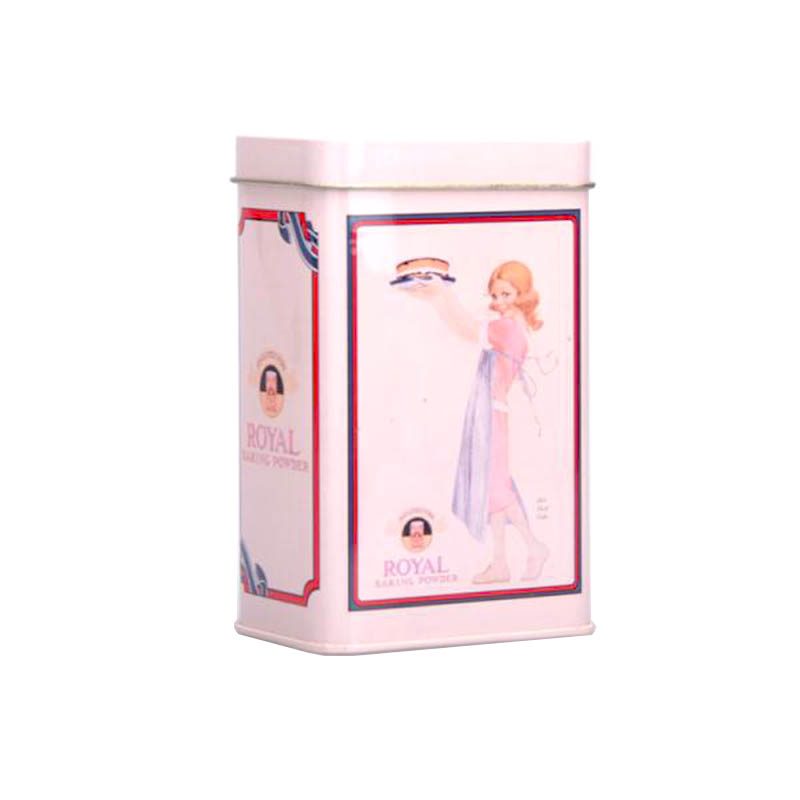
We offer you a variety of tea tin packaging solutions to choose from. Advanced processes can bring your tea good sealing and long time storage. Lipton, Twinings and Tetley, theses famous tea brands are our loyal customers. FDA approved food grade tinplate can make sure the absolute safety of your tea packaging. Professional panton and 4-colour printing equipments ensure a high quality presentation of the tin boxes.
Read More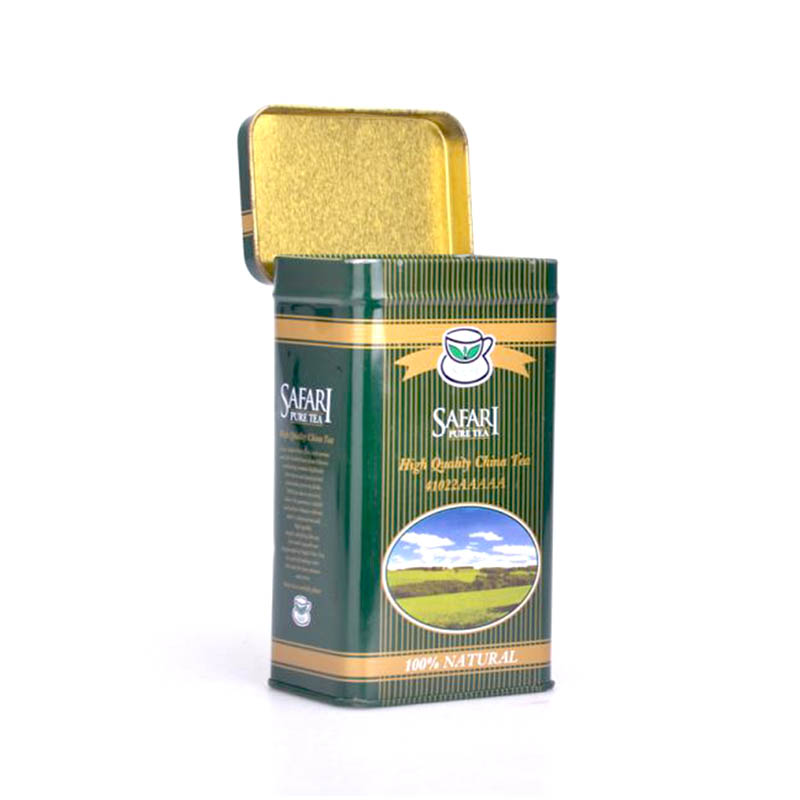
Recyclable tinplate making them a great eco-friendly choice. Great for giftinsg, as they can be personalized with labels or stickers. Variety of colors and designs, making them attractive and decorative. High airtight and sealed structure support store loose leaf tea, keeping it safe from moareture and air. Customizable logo and designs which is attractive way to store and dareplay tea.
Read More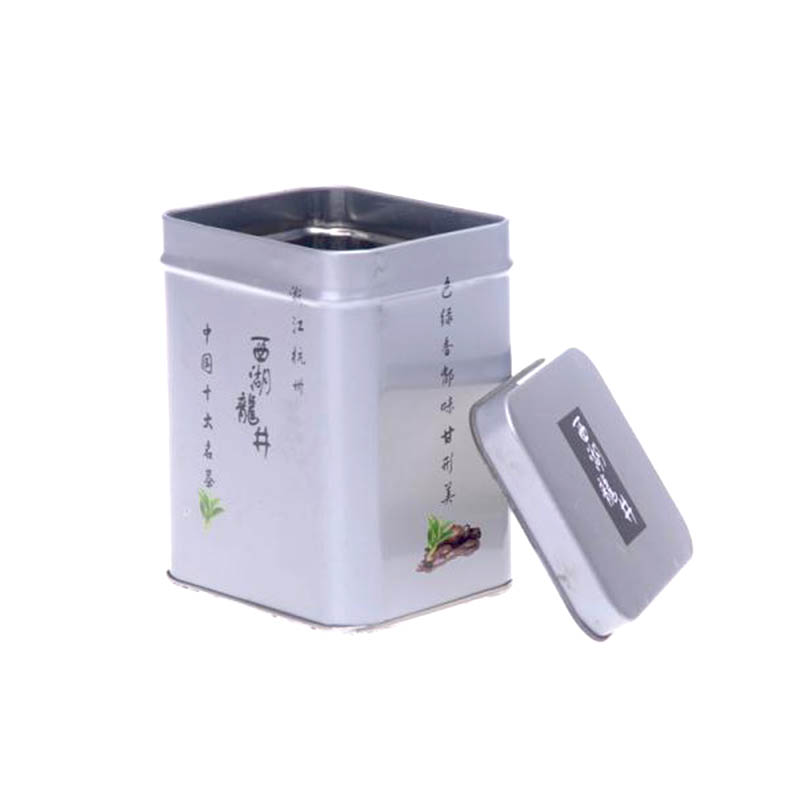
Support customized with your own design or logo, so you can make them unique. Variety of sizes, making it easy to find the suitable one for your requirements. Long-term cooperation with famous brands like Lipton, Twinings and Tetley. Food grade certificate tinplate that keep your tea and coffee safety. Accurate printng tech support customized with your own design or logo which can make them unique.
Read More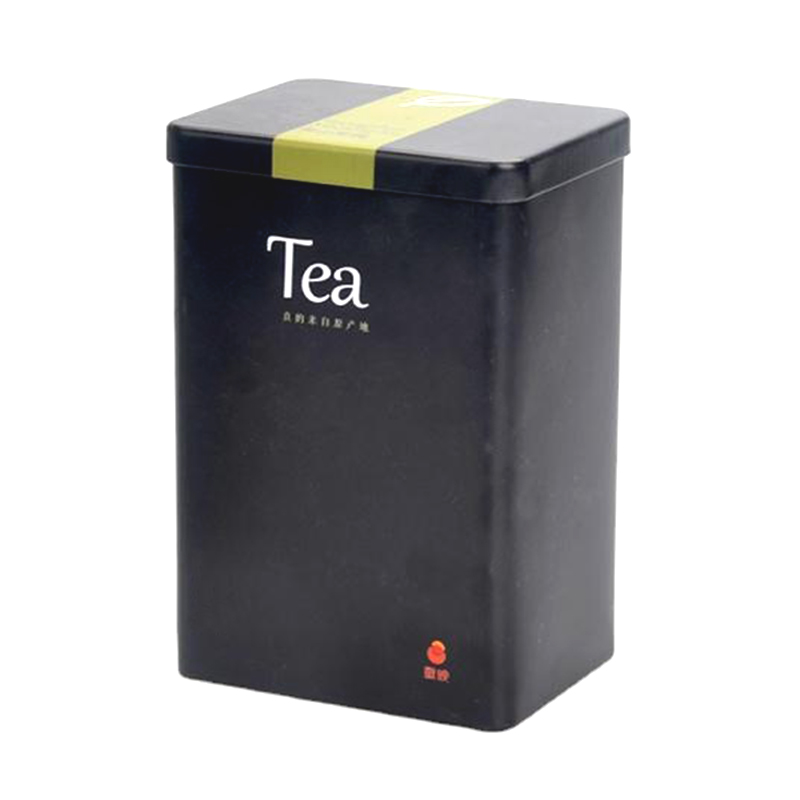
Durable and can withstand the rigors of shipping and handling. Attractive and eye-catching, making it a great choice for gift-giving. Cost-effective and can help you save money on costs. Made from sturdy, food-grade materials that are designed to last for years. Multiple of stylareh designs that are sure to impress.
Read More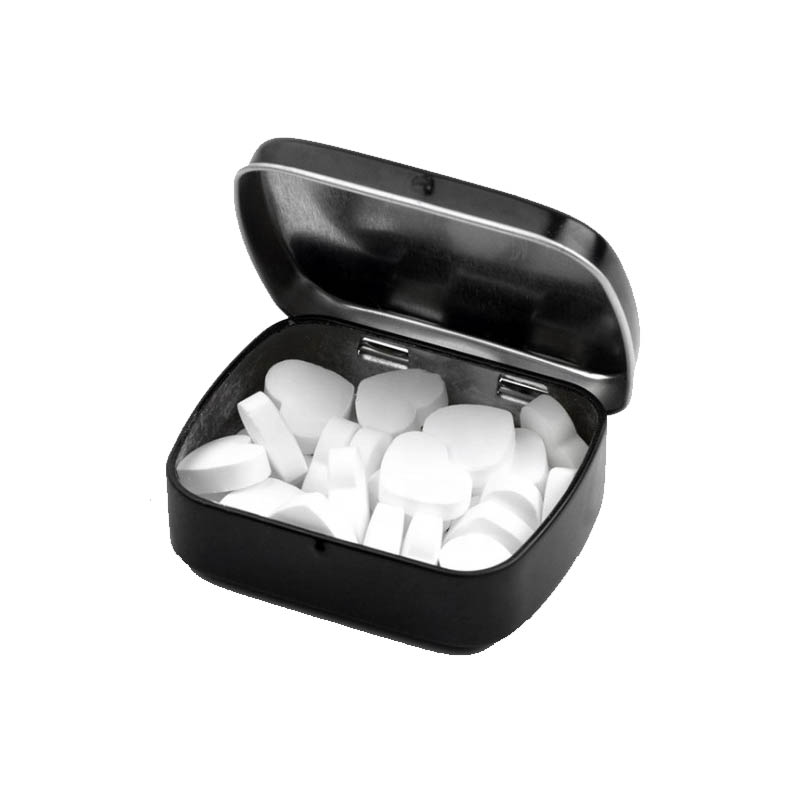
Economical way to promote your business or brand. Affordable packaging option for businesses and individuals alike. Made of recyclable materials, making them an eco-friendly packaging option. Variety of colors and designs, making them an attractive packaging option. Designed with a secure lid to ensure that items remain safe and secure.
Read More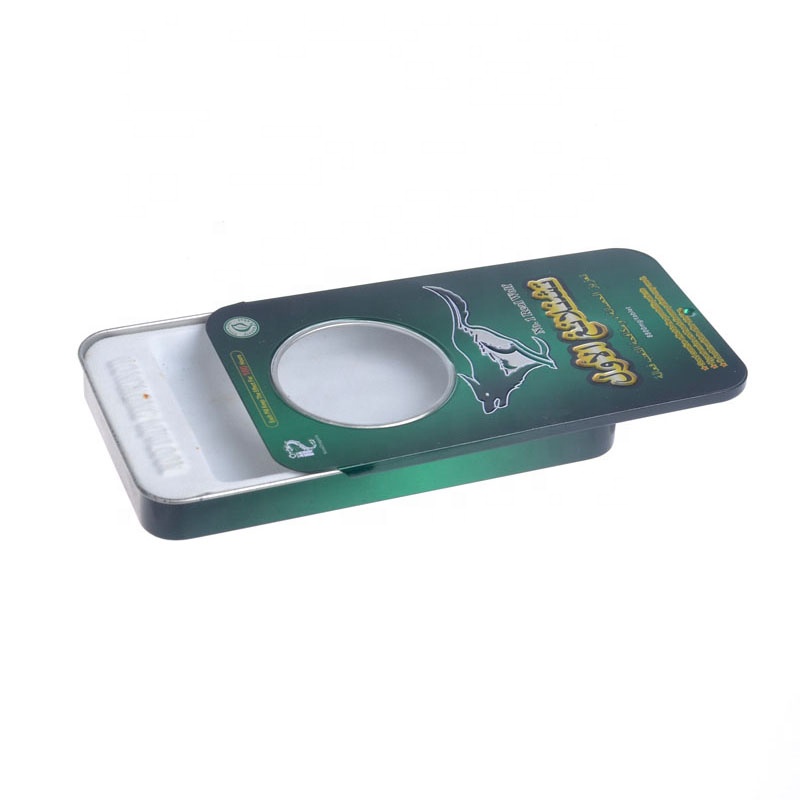
Tight-fittinsg lid to keep air out and keep your mint tastinsg great. Variety of sizes, so you can find the perfect size for your needs. Sleek and modern look that will look great on any countertop. Made with eco-friendly materials that are better for the environment. Customized with your own design or logo, so you can make them unique.
Read More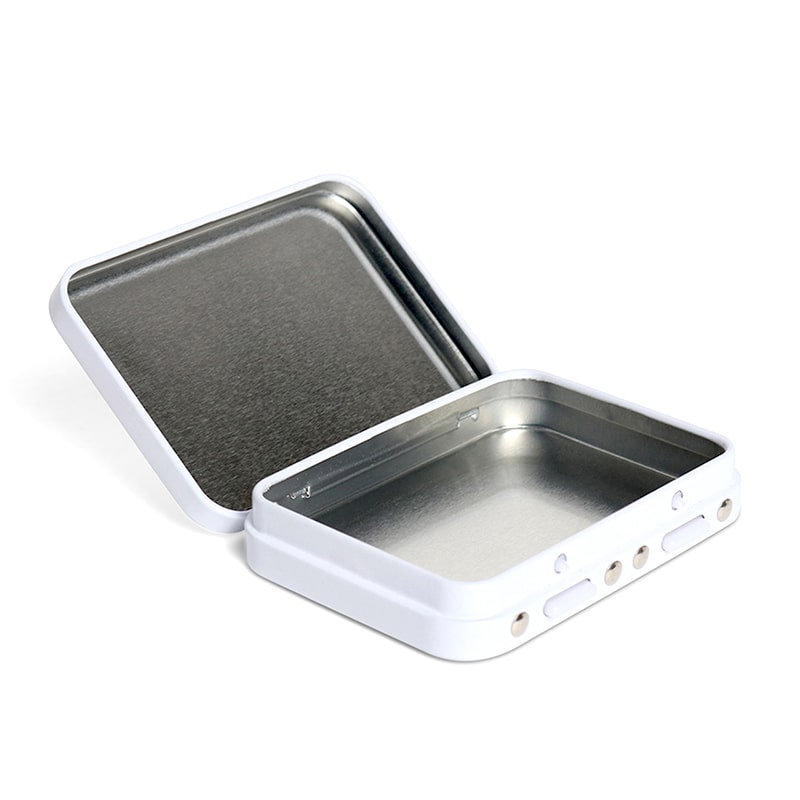
A child resistant pre-roll tin box is designed for brands that need a compact metal packaging solution for pre-roll products, tobacco accessories and other regulated retail applications where controlled access packaging is required. Compared with standard sliding tins or hinged tins, this structure integrates a two button lock mechanism that requires a specific opening action. The design creates a more controlled user experience while maintaining the durability, portability and premium appearance associated with metal packaging.
Read More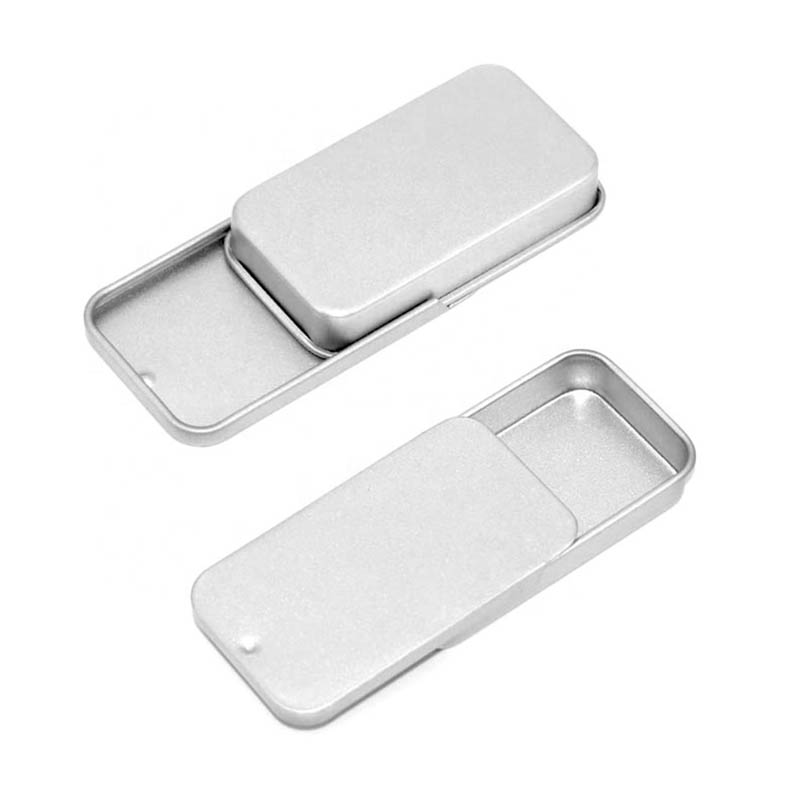
Perfect for storing and protecting items from dust, dirt, and moisture. Lightweight and durable, making them ideal for shipping and transporting items. Variety of sizes and shapes, allowing you to customize your storage needs. Multiple of colors and designs, allowing you to customize your storage needs. Affordable packaging option for businesses.
Read More
More than 100 exist moulds which can meet your various demand. Airtight and seal make them ideal for storing items like spices and herbs. Long-term cooperation with Mentos, Tic Tac, Altoids. Eco-friendly packaging option as they are reusable and recyclable. Great way to create a unique and attractive display.
Read More
Our tea tin packaging range includes styles and sizes to suit every requirement. Keep your tea fresh and flavorful with our tightly sealed tin box packaging. Industry leaders like Tetley rely on our tin packaging solutions. Safety is our priority—each tin box is crafted from food-grade tinplate. We offer sharp, rich printing for a standout tea tin box presentation.
Read More
.A wide selection of tea tin can packaging is available to match your market needs. Long-lasting tea storage is made possible with our advanced tin packaging methods. Leading tea brands select our tin cans to showcase and protect their products. Your tea remains uncontaminated with our FDA-certified tin packaging. Show off your tea in beautifully printed tin packaging with full-color accuracy.
Read More
A diverse selection of tea tin packaging solutions is available for you. Innovative processes help maintain your tea's quality and prolong its shelf life. Well-known tea companies like Lipton, Twinings, and Tetley rely on us. Your tea is packaged using FDA-approved materials to guarantee safety. We use advanced color printing equipment to deliver visually appealing tea tins.
Read More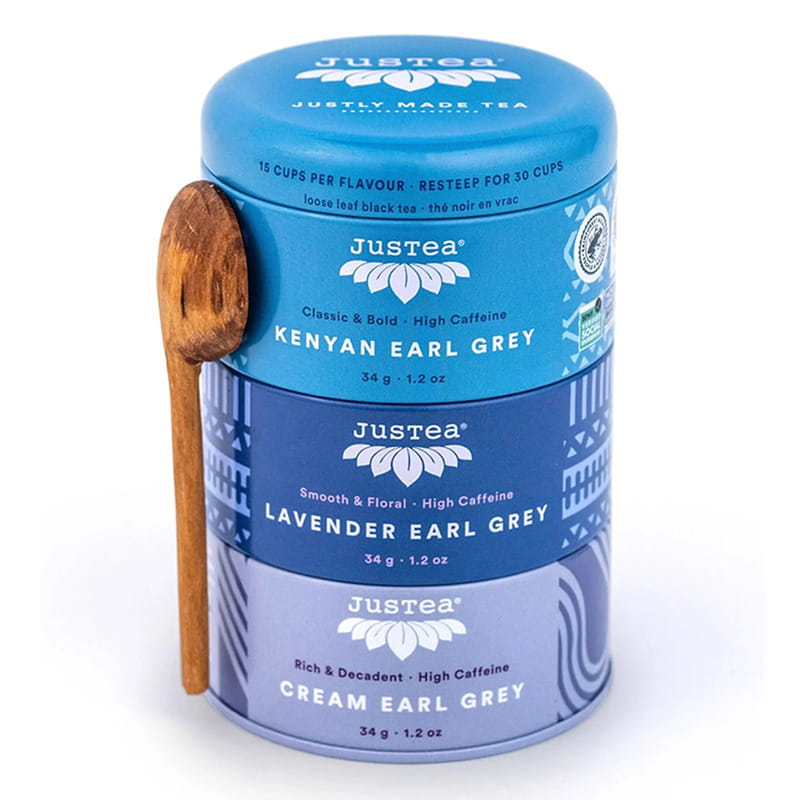
Our tea tin packaging options come in various styles to meet different preferences. With cutting-edge techniques, your tea stays well-sealed and fresh for longer periods. Trusted by top tea names—Lipton, Twinings, and Tetley among them. Only FDA-compliant food-safe tinplate is used in our tea packaging. The use of professional pantone and 4-color printers ensures top-tier tin box aesthetics.
Read More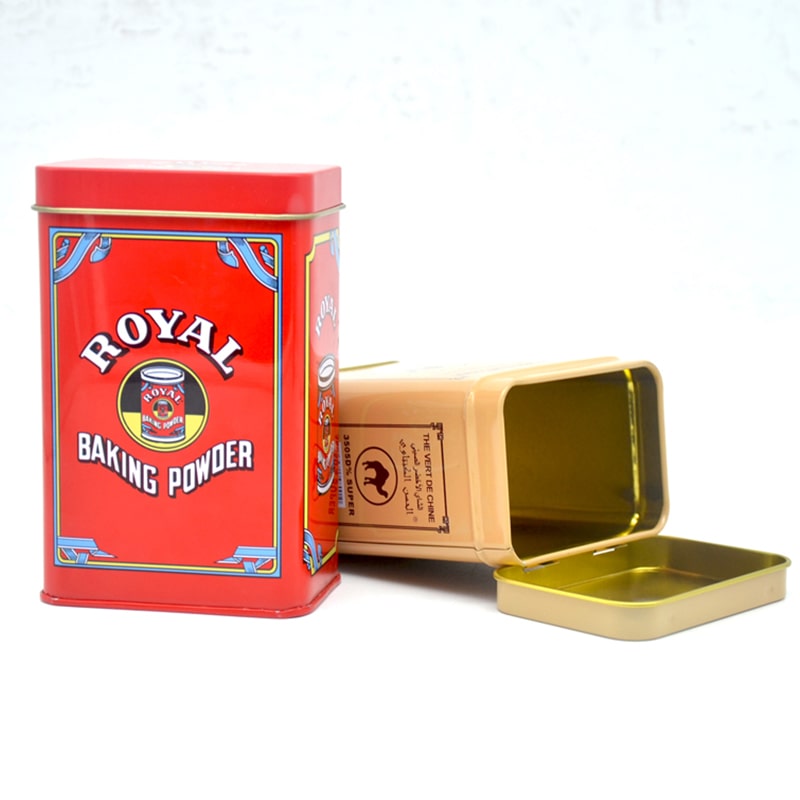
Choose from numerous tea tin packaging styles designed for flexibility and appeal. Advanced sealing technologies support long-term preservation of your tea. Big names in tea—Lipton, Twinings, Tetley—partner with us consistently. Tea packaging safety is secured by our FDA-approved tinplate materials. We apply high-grade printing techniques to ensure superior tin box quality.
Read More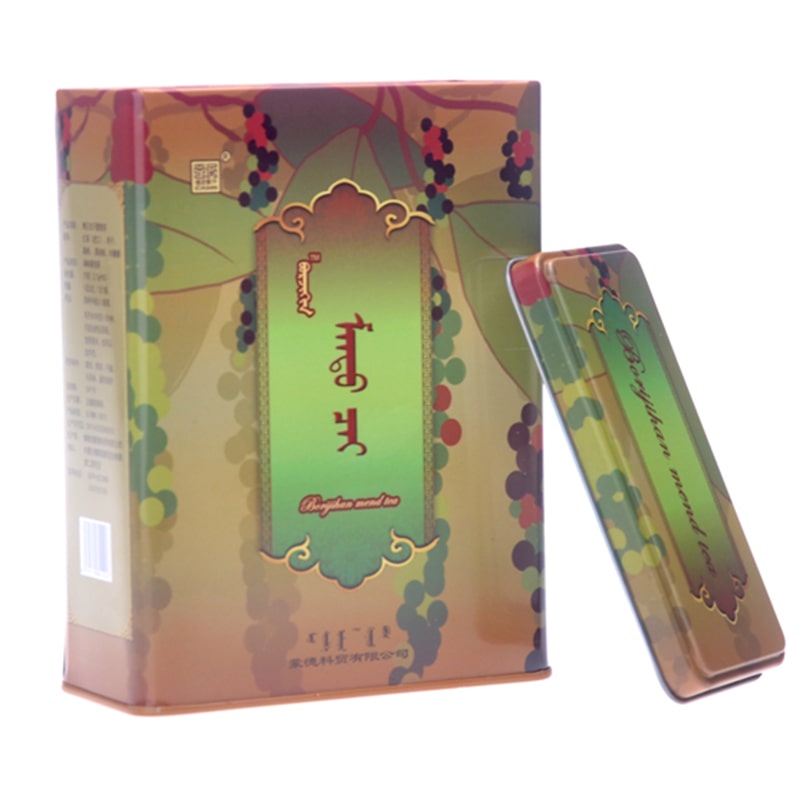
We provide a wide variety of coffee tin packaging to meet global market preferences. Our advanced tin sealing keeps your coffee fresh and aromatic for longer. Top coffee brands trust our tins to protect quality and boost their image. Our food-grade certified coffee tins ensure purity and safety in every package. Make your coffee stand out with vibrant, high-quality printed tins.
Read More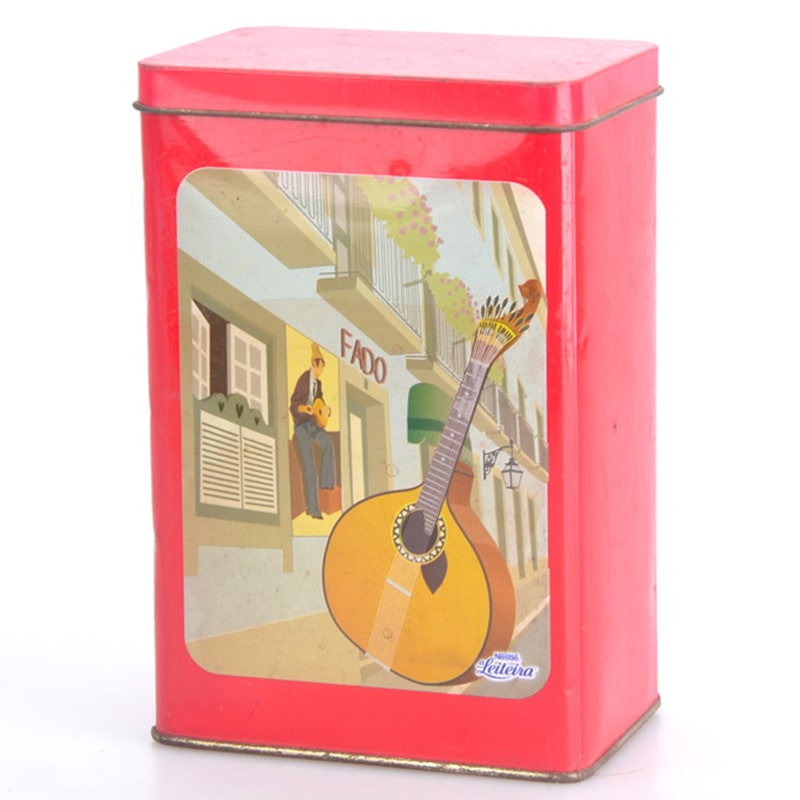
Find the perfect coffee tin packaging option for any market or product line. Superior sealing tech keeps your coffee's flavor profile intact. From boutique to global brands, our coffee tins are their preferred choice. Our tins meet global safety standards for secure coffee packaging. Our printing technology ensures your coffee tin is as rich in color as in taste.
Read More
Our coffee tins cover a full spectrum of packaging requirements, both functional and aesthetic. Extend your coffee's shelf life with our secure and airtight tin solutions. Leading coffee exporters choose our tins to deliver quality with every cup. Trust our certified tins to preserve your coffee in a clean, safe container. Bold visuals meet function—our tins highlight your coffee in full color brilliance.
Read More
Discover a wide variety of coffee tin containers tailored to enhance your brand image. Airtight coffee tins expertly preserve coffee aroma and flavor. Top coffee brands rely on our coffee tins for premium packaging. We use food-grade tinplate in every coffee tin to meet FDA standards. Our coffee tins feature bold CMYK or Pantone printing for maximum shelf impact.
Read More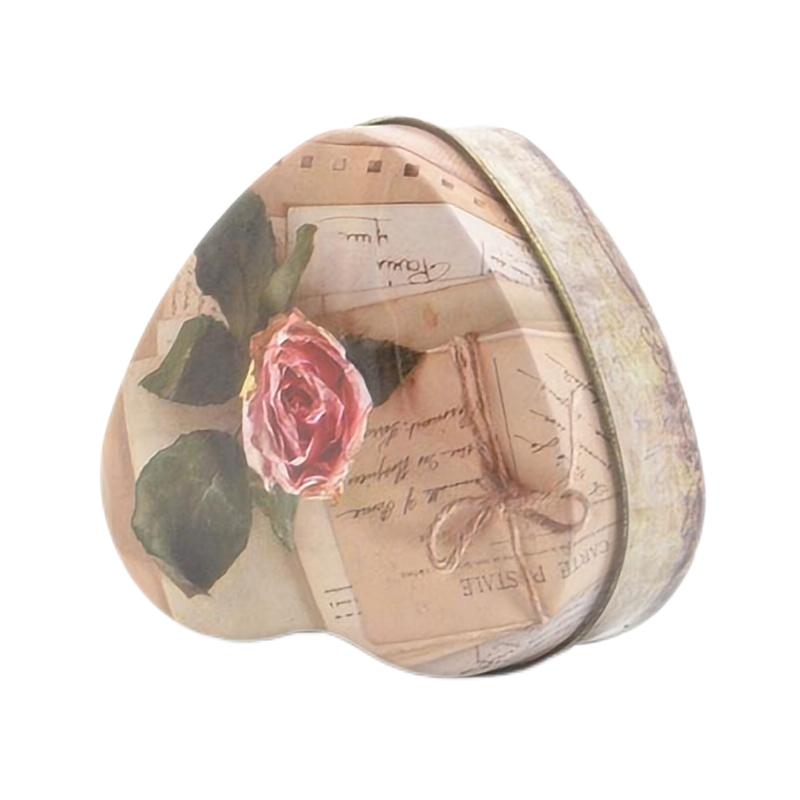
This promotion gift heart shape tin box is designed for chocolate, candy, cookies, mints and romantic gift packaging that needs a recognizable heart-shaped metal container with strong display value. The food-grade tinplate body, custom printable surface, PVC lining, clear window and handle options make it suitable for chocolate tin gift projects, Valentine chocolate tins, promotional heart tin boxes, empty chocolate tin containers and wholesale custom metal packaging for confectionery brands, gift suppliers and distributors.
Read More
Elevate your product presentation with bespoke coffee tin packaging options. Preserve every note of your coffee with our airtight coffee tin containers. International roasters choose our tin packaging for quality and consistency. Coffee tins manufactured with FDA-approved tinplate for your peace of mind. Eye-catching coffee tins printed with your brand’s signature colors.
Read More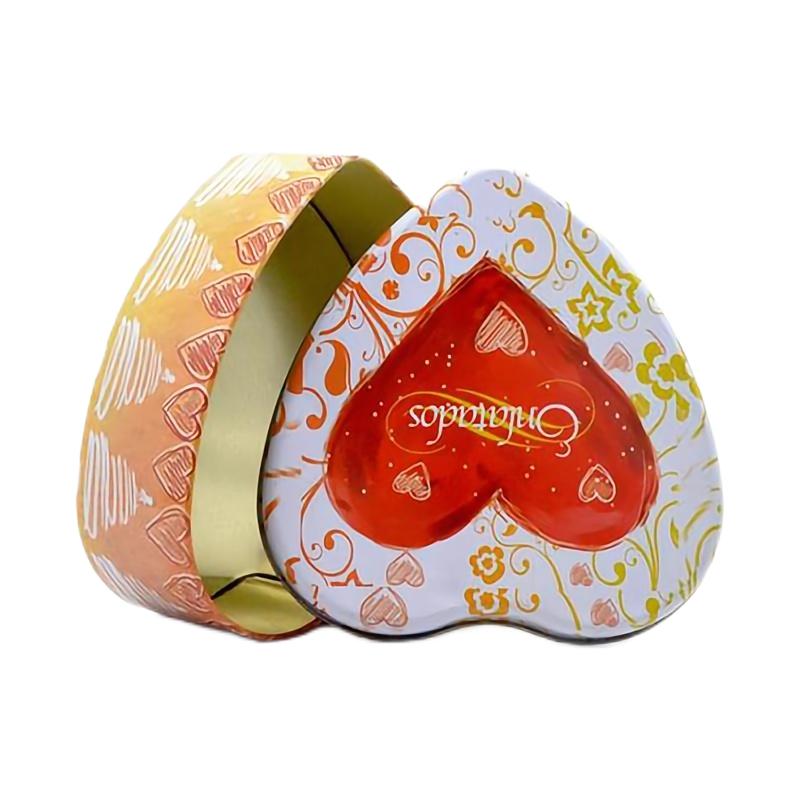
This custom logo heart shaped tin box is designed for candy, sweets, chocolate, cookies, mints, wedding favors and romantic gift packaging that needs a clear love-themed shape and strong brand display. The food-grade tinplate heart body, printable lid, PVC lining, clear window and handle options make it suitable for custom heart tin can projects, wedding gift candy tins, Valentine sweets packaging, personalized heart tin boxes and wholesale love gift tin containers for confectionery brands, event suppliers and promotional buyers.
Read More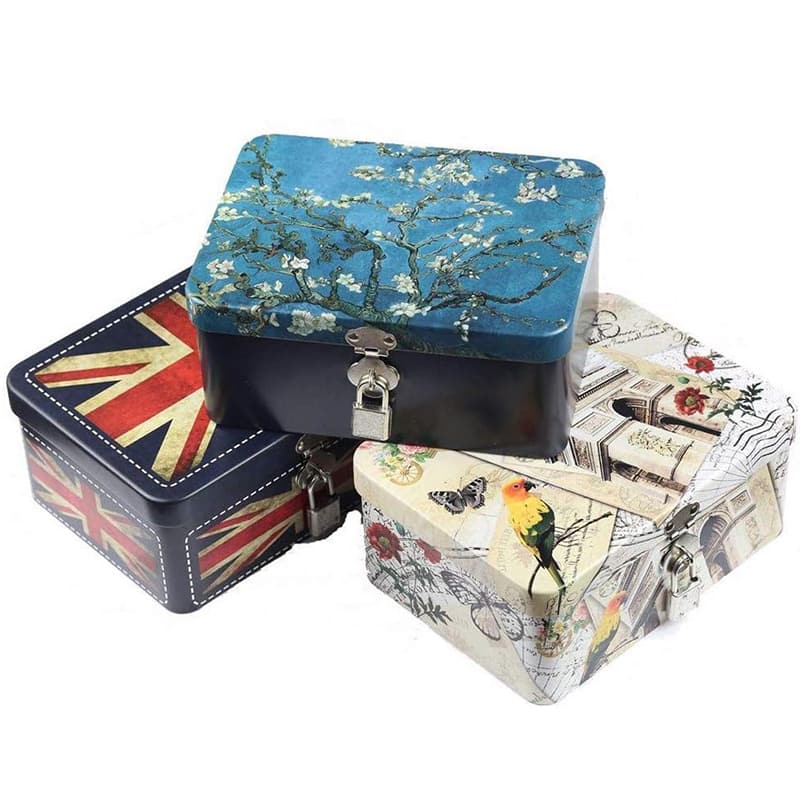
A custom logo jewelry tin box with latch key lock combines durable metal construction with a premium storage experience for jewellery, accessories and small valuable items. Designed as both a practical organiser and a gift-ready container, this metal jewelry storage box provides brands with a unique alternative to traditional paper packaging or ordinary plastic organisers. The latch key lock structure adds an extra layer of security feeling, while the custom printed metal surface creates opportunities for personalised branding and luxury presentation.
Read More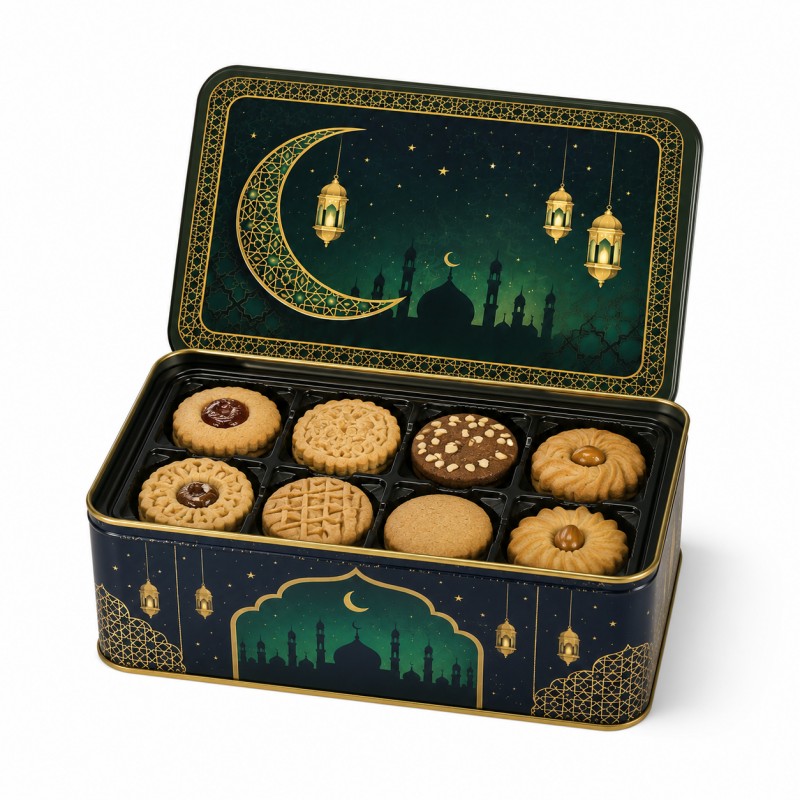
Ramadan and Eid biscuit tins are reusable metal gift containers for cookies, maamoul, dates, chocolates and mixed festive assortments. The reference design measures 300 × 250 × 65 mm, with rounded corners; usable capacity depends on the food and inserts. Custom artwork can combine crescent moons, lanterns, geometric patterns and multilingual messages with CMYK printing, Pantone colours or embossed details. PET trays, paper dividers and cups help separate assortments; inner packaging should match the food’s moisture, aroma and contact requirements. A standard slip-lid tin provides reclosure and physical protection; products requiring additional freshness protection may need a suitable sealed inner pouch. For Jinyu orders, the standard minimum is 5,000 pieces per design; confirm the filled sample, approved artwork and required seasonal arrival date.
Read More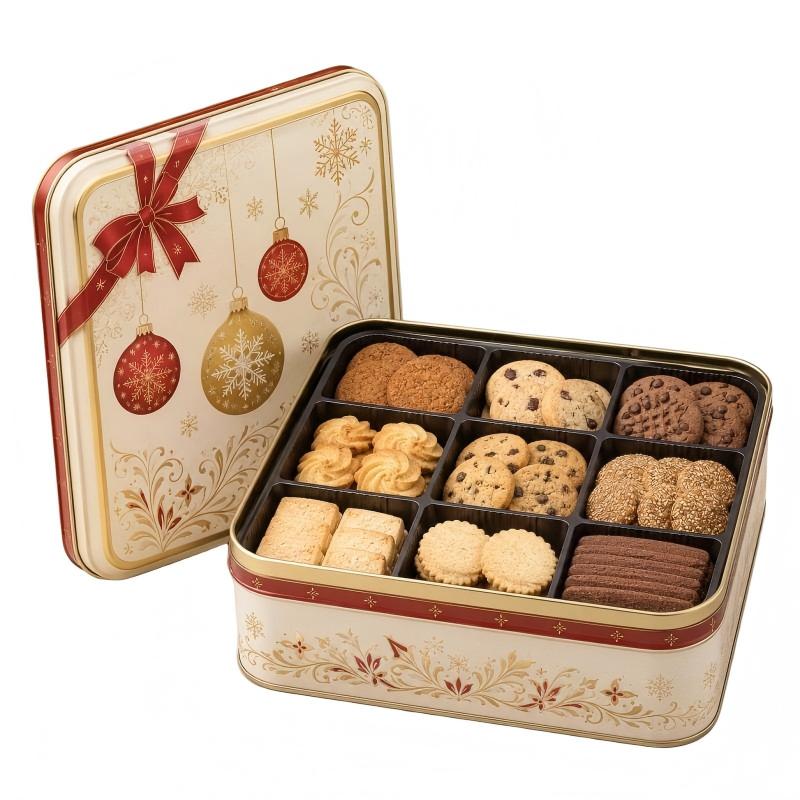
Our large assorted cookie tin box with divider insert is designed for biscuit manufacturers, bakery brands, food gift suppliers, retailers, importers and private-label buyers that need to package several cookie flavours in one organised metal gift box. The fitted compartment tray helps separate different biscuits, reduce product movement during handling and create a cleaner presentation when customers open the tin.
Read More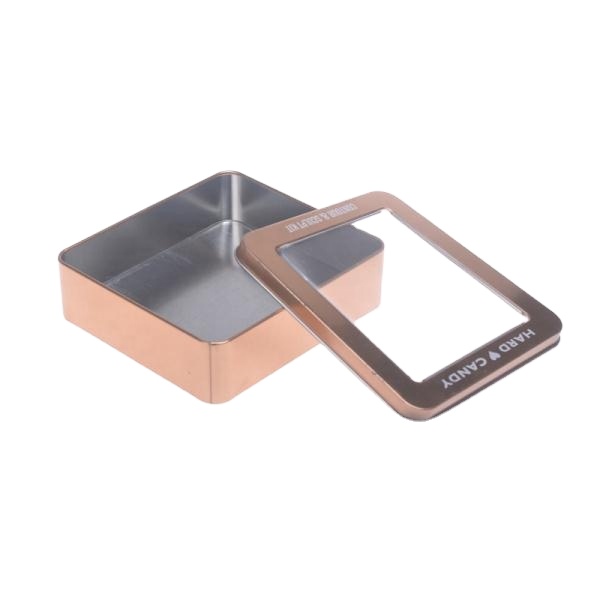
This empty metal biscuit cookie tin box with clear window is designed for bakeries, co-packers, food gift suppliers and private-label brands that need a reusable tin package ready for filling. The clear window helps show cookies, biscuits, candy or chocolate inside, while the tinplate body supports custom printing, food-contact material options, inner packing and export-ready bulk supply.
Read More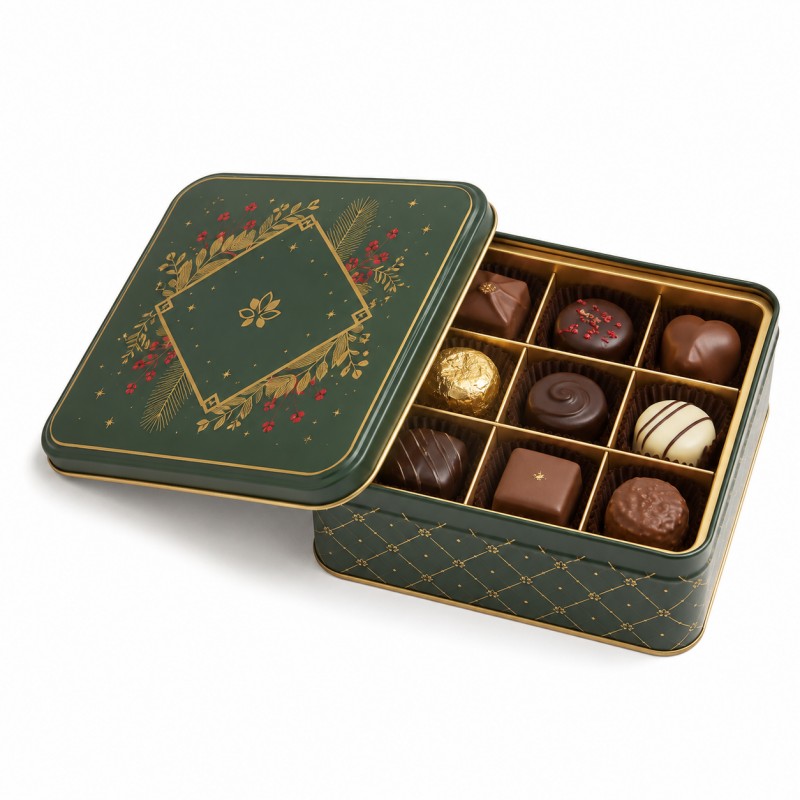
This custom square chocolate tin box is developed for confectionery brands, chocolatiers, gift suppliers, importers and private-label buyers packaging assorted chocolates in an organised presentation. A fitted divider separates each chocolate into an individual position, helping protect delicate shapes while creating a clear tasting sequence when the lid is opened. The square tin, compartment layout, surface printing, embossing and retail packing can all be customised for seasonal collections, premium gift sets and branded chocolate assortments.
Read More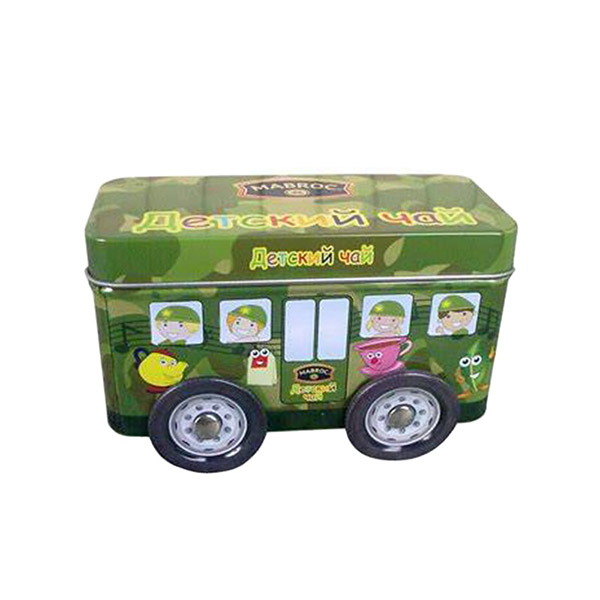
This truck bus car shaped cookie tin box is designed for brands that want food packaging to work like a collectible gift item. The vehicle-style metal body can hold cookies, candies, chocolates, biscuits, mints, small snacks or promotional gifts, while custom printing, food-grade tinplate, embossing, window, lining and handle options help create a playful package for retail, seasonal campaigns, travel souvenirs, children’s gifts and brand promotion.
Read More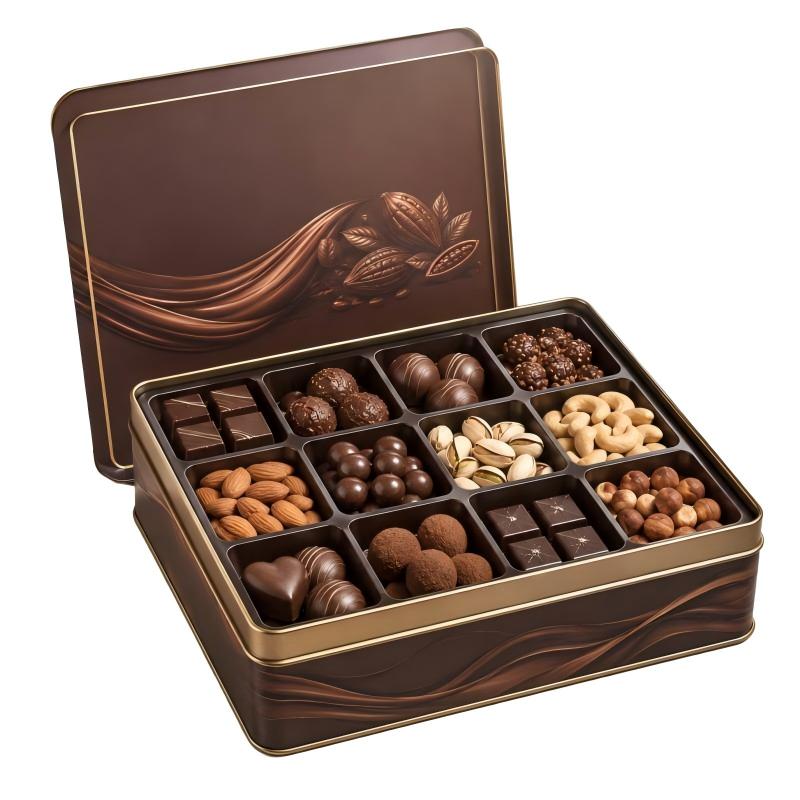
This large chocolate tin box is designed for confectionery brands, nut processors, gift companies, importers and private-label buyers developing mixed chocolate and nut assortments. A customised compartment insert separates pralines, truffles, chocolate-coated nuts and roasted nuts into organised sections, helping the complete gift set remain attractive from filling to final presentation. Unlike a conventional chocolate box with identical cavities, this format can combine compartments of different sizes and depths. The tin dimensions, assortment layout, insert material, lid artwork and outer packaging can all be developed around the actual products.
Read More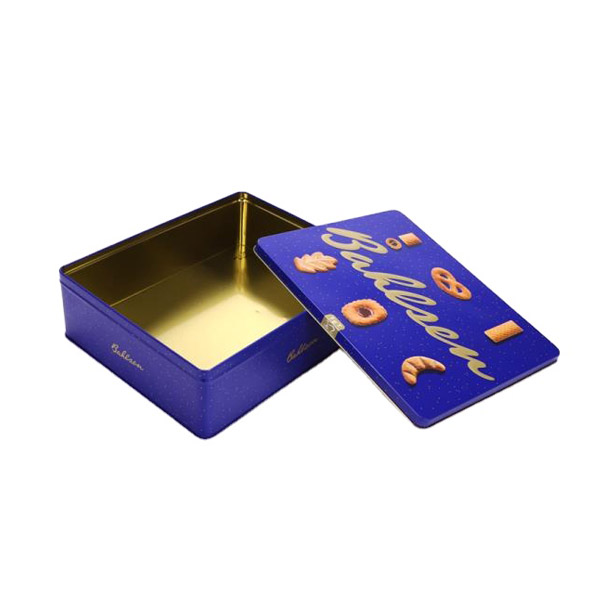
This custom embossed logo tinplate cookie biscuit box is designed for brands that need a stronger visual and tactile identity for cookies, biscuits, candy, dried fruit and gift food packaging. The rectangular metal biscuit box uses food-grade tinplate, a reusable lid structure and custom printing options, while the embossed logo helps the package feel more premium than a plain biscuit tin box.
Read More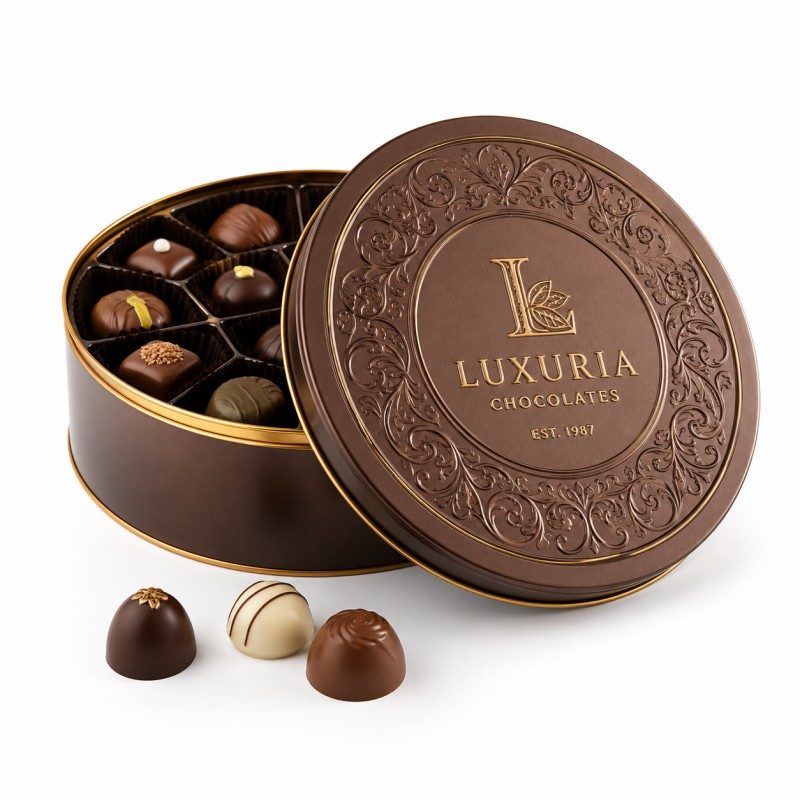
This luxury personalized chocolate tin box is created for chocolatiers, confectionery brands, corporate gift companies, retailers and private-label buyers that want the packaging to feel exclusive before the tin is even opened. The round metal box can feature an embossed logo, monogram, anniversary mark or collection emblem on the lid, turning the packaging into a recognisable brand object rather than a disposable chocolate container. Custom printing, metallic details, fitted chocolate trays, gift cards and outer sleeves can be coordinated for premium retail collections, seasonal launches and corporate gifting programmes.
Read More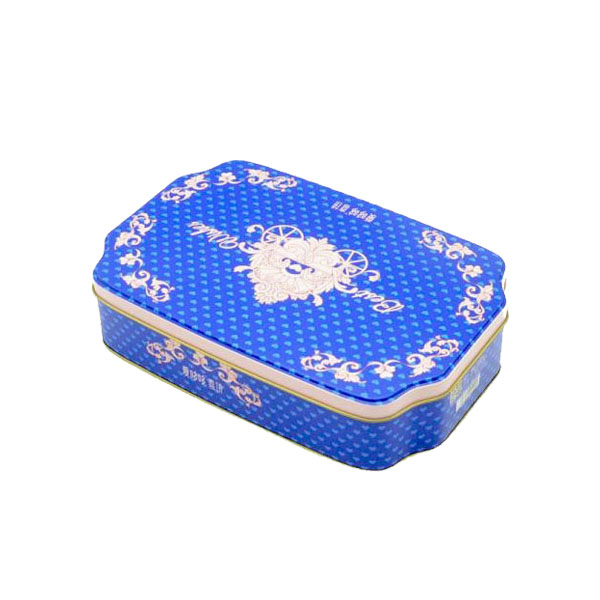
This custom ODM OEM irregular shape tin chocolate box is developed for chocolate brands, confectionery gift programs and seasonal retail collections that need a distinctive metal package beyond standard round or rectangle tins. The food-grade tinplate body, custom printed surface, PVC lining, clear window and handle options make it suitable for irregular chocolate tin box projects, custom chocolate tin packaging, novelty chocolate gift tins, limited-edition candy packaging and wholesale OEM/ODM metal tin box development.
Read More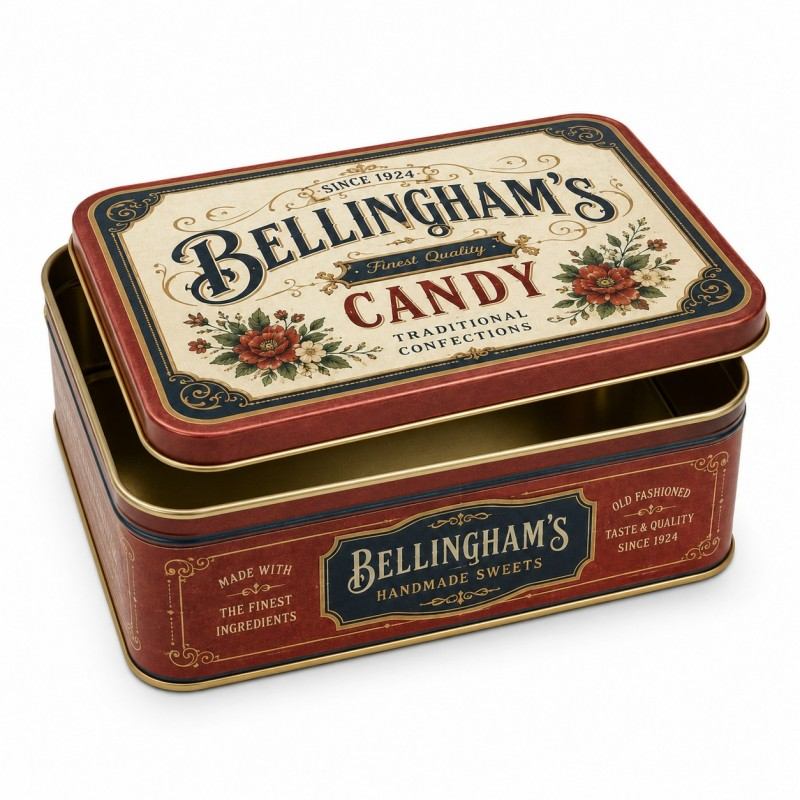
Our custom vintage candy tin box is designed for confectionery brands, sweet shops, gift companies, importers and private-label buyers that want new packaging with a nostalgic, old-fashioned appearance. Decorative borders, heritage typography, floral illustrations and distressed-style printing can turn an ordinary candy tin into a memorable retail and gift product. The metal box can be customised for hard candy, boiled sweets, mints, gummies, toffee, fudge, bonbons, fruit drops and other sugar confectionery. Tin dimensions, artwork, lid structure, surface finish and inner packaging can be developed around the actual candy assortment and target market.
Read More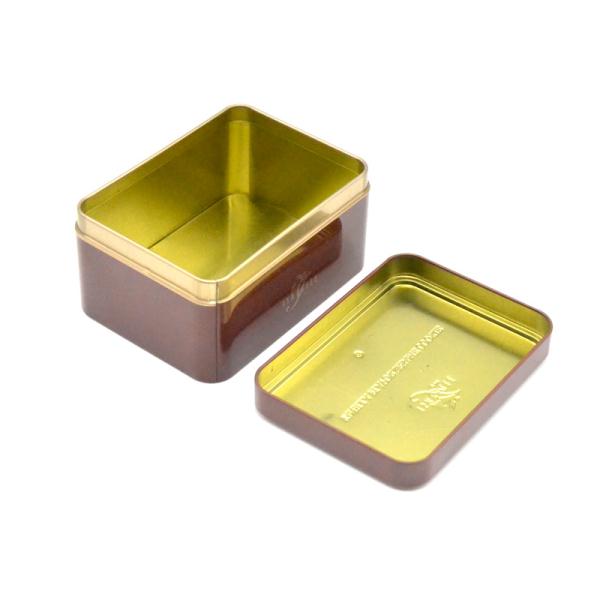
This rectangular gift promotion tin box is designed for sweet chocolate, candy, cookies, confectionery samples and promotional food gifts that need a durable metal package, custom brand printing and practical inner protection. The food-grade tinplate body, rectangular gift format, PVC lining, clear window and handle options make it suitable for chocolate tin box packaging, sweet chocolate gift tins, empty chocolate tin box supply, promotional chocolate tin projects and custom metal tin boxes for retail or local filling programs.
Read More
Our large candy tin box with lid is designed for confectionery manufacturers, sweet brands, wholesalers, retailers and private-label buyers that need generous-capacity packaging for individually wrapped candy and mixed sweets. The deep rectangular structure provides more usable filling space than a small retail candy tin, making it suitable for hard candy, boiled sweets, toffee, caramel, fruit drops, mints, gummies, lollipops and assorted confectionery. The tin size, lid structure, artwork, inner bag and export packing can be customised according to the candy format, target filling weight and sales channel.
Read More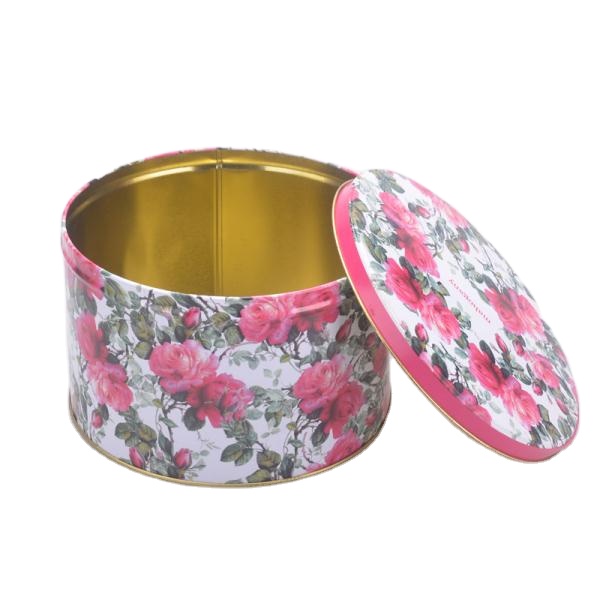
This food grade deep round tin container is designed for chocolate gift packaging, pralines, truffles, candy assortments, cookies and premium confectionery sets that need stronger protection and reusable value. The round food-grade tinplate body, wide printable lid and customizable inner structure make it suitable for a chocolate tin can, chocolate gift tin box, empty chocolate tin box supply and custom chocolate tin wholesale projects.
Read More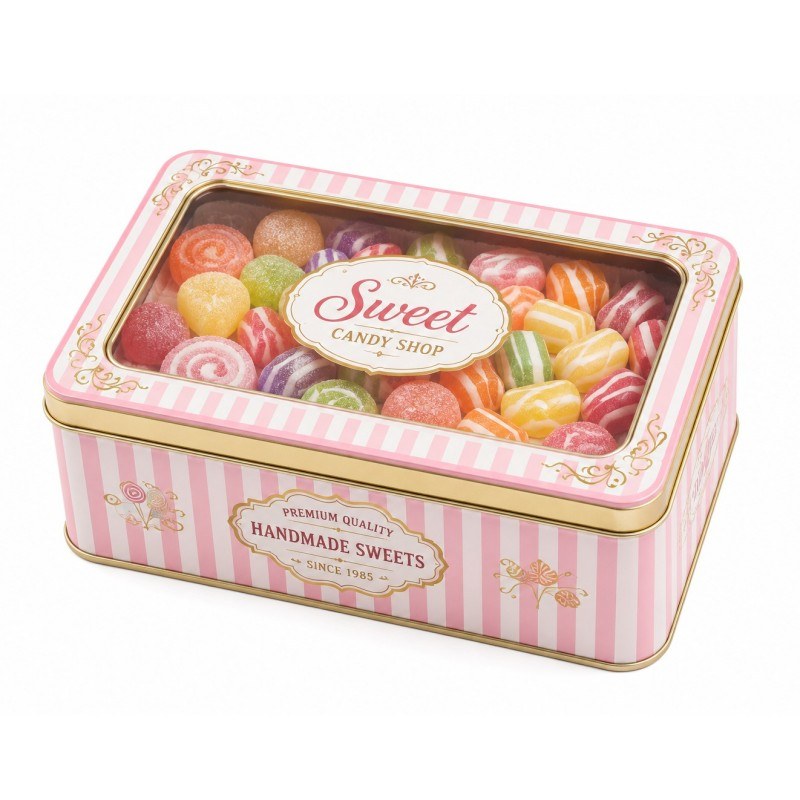
Our custom candy tin box with clear window lid is developed for confectionery brands, sweet manufacturers, retailers, importers and private-label buyers that want customers to see the candy before opening the package. A transparent window is fitted into the metal lid, combining the strength and printable surface of a tin box with direct product visibility. The window size, tin shape, printed frame, candy arrangement and inner packaging can be customised for gummies, hard candy, mints, toffee, fruit sweets, bonbons and assorted confectionery.
Read More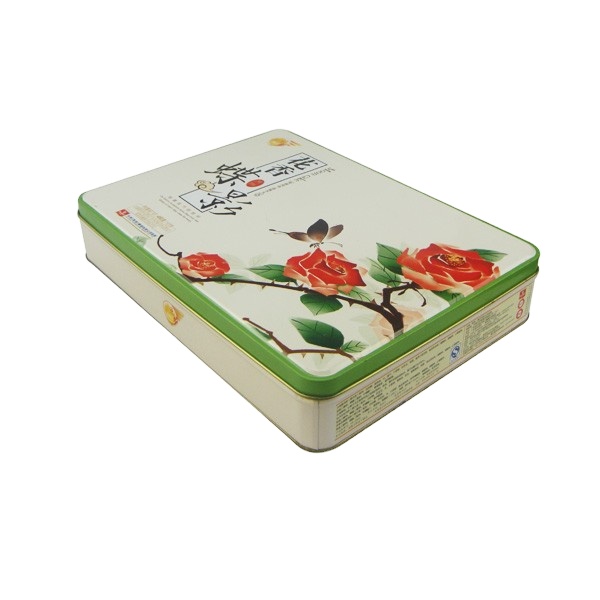
This rectangle shape mooncake tin box packaging is designed for Mid-Autumn mooncake gift sets, bakery cakes, cookies, candies and premium food storage projects that need organized layout and strong shelf display. The food-grade tinplate body, large printable lid and rectangular storage format make it suitable for mooncake tin box packaging, corporate festival gifts, wholesale seasonal orders and reusable food tin storage.
Read More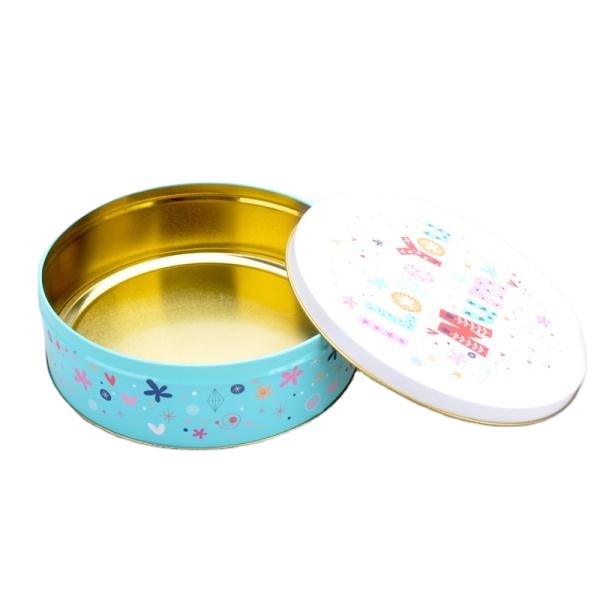
We have a wide range of candy packaging options available to suit any type of packaging. The airtight seal on candy tins is essential in maintaining the freshness for a longer time. The vivid and striking designs on candy tin boxes make them easy to identify. Candy tin packaging is an ideal choice for hygienic food packaging as it is easy to clean and sanitize. Candy tins are made of sturdy material that provides maximum protection to against breakage or crushing.
Read More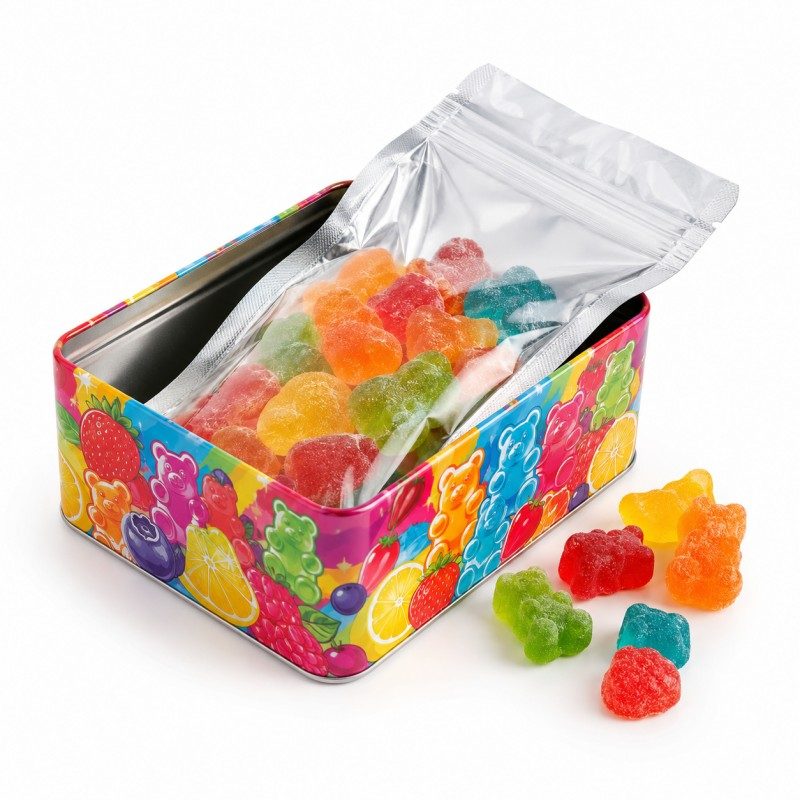
Our custom gummy candy tin box is developed for confectionery manufacturers, gummy brands, retailers, importers and private-label buyers that need colourful metal packaging without relying on the tin itself as the primary freshness barrier. The recommended packaging system places fruit gummies, jelly sweets, sour gummies or gummy bears inside a sealed inner bag before loading them into the printed metal box. The flexible pouch helps protect the confectionery from moisture and outside contamination, while the reusable tin provides physical protection, branding space, gift value and stronger retail presentation.
Read More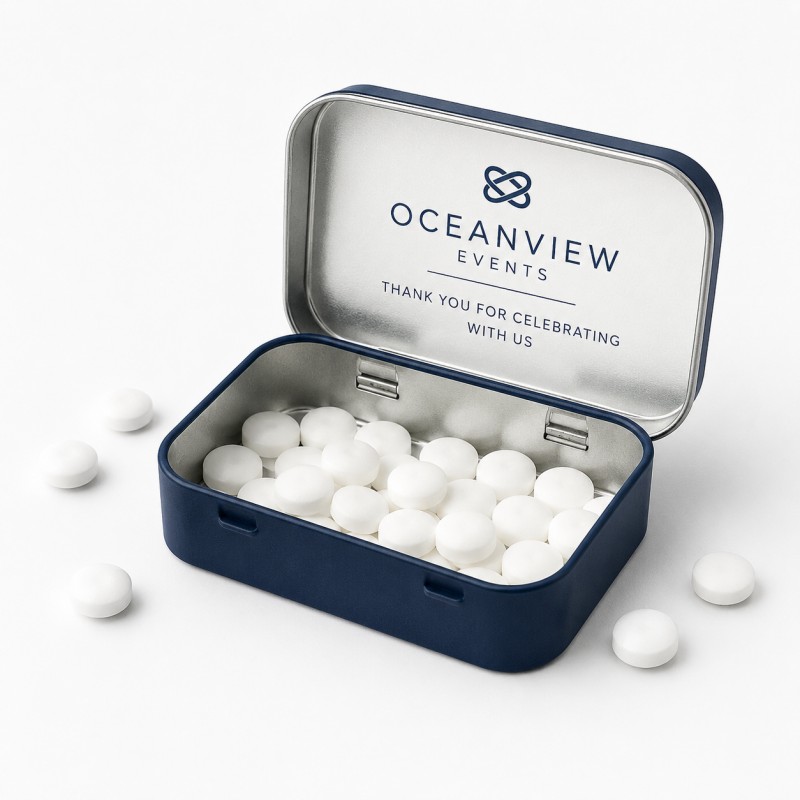
Custom personalized mint tin box is designed for wedding planners, event suppliers, confectionery brands, hotels, promotional companies and private-label buyers looking for a small gift that is both practical and memorable. The compact rectangular tin uses an attached hinged lid, making it convenient for repeated opening while reducing the risk of the cover being misplaced. It can be filled with breath mints, peppermint tablets, mint candy, fruit drops, compressed sweets or other small confectionery for weddings, anniversaries, exhibitions, corporate events and hospitality programmes.
Read More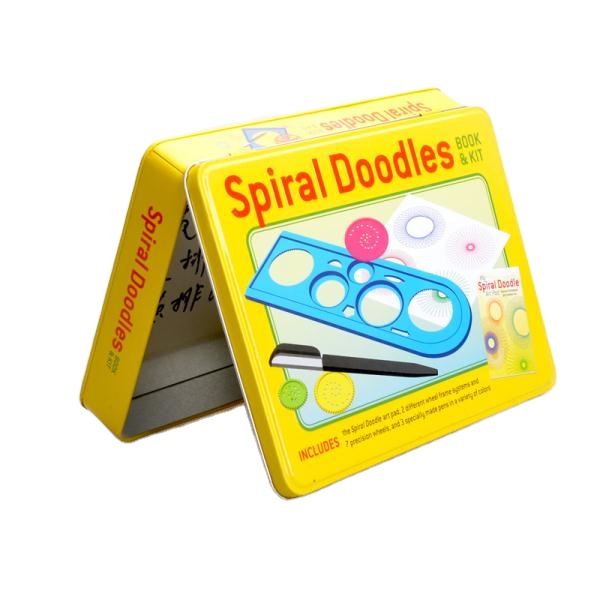
This custom hinged lid cookie biscuit tin box is designed for biscuit brands, cookie manufacturers, bakery gift suppliers and food packaging buyers that need a reusable rectangular metal container with easy open-close function. The hinged lid keeps the cover connected to the tin body, while the food-grade tinplate structure supports custom printing, biscuit packaging tin inserts, PVC lining, clear window, handle options and export-ready wholesale production.
Read More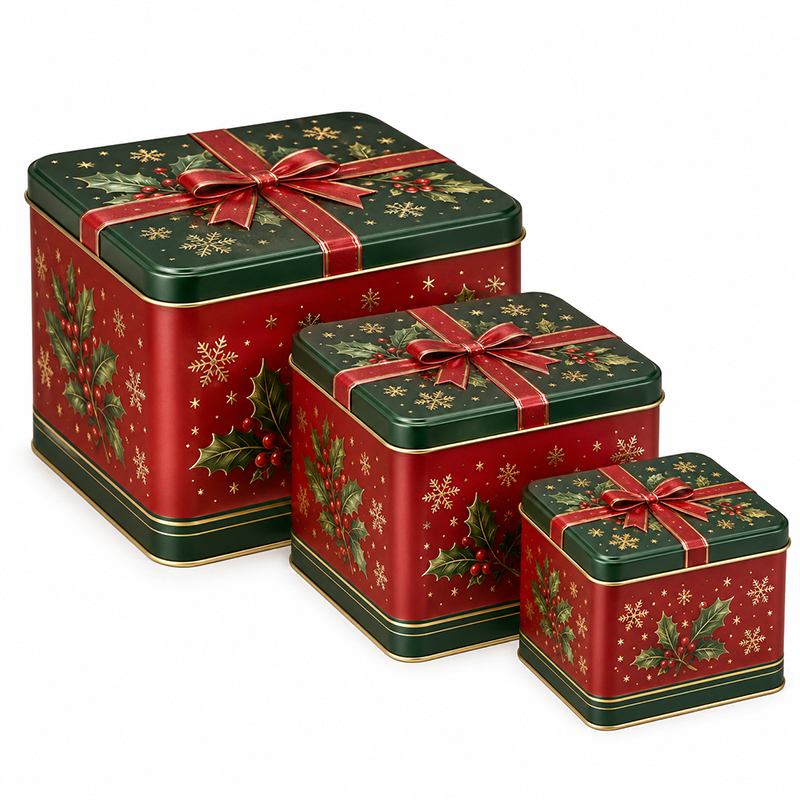
Our custom Christmas tin gift sets are developed for gift brands, retailers, wholesalers, importers and promotional packaging buyers that need a coordinated seasonal packaging collection rather than a single metal tin. Each set can combine two, three or more tins in different sizes, with matching artwork, colours and finishes across the complete range. Available as nested, stackable or individually packed sets, these Christmas tin sets wholesale provide a stronger retail presentation while reducing storage and shipping space. Buyers can customise the tin dimensions, number of pieces, lid style, artwork, surface finish, internal packaging and outer display box to create a complete holiday gift programme.
Read More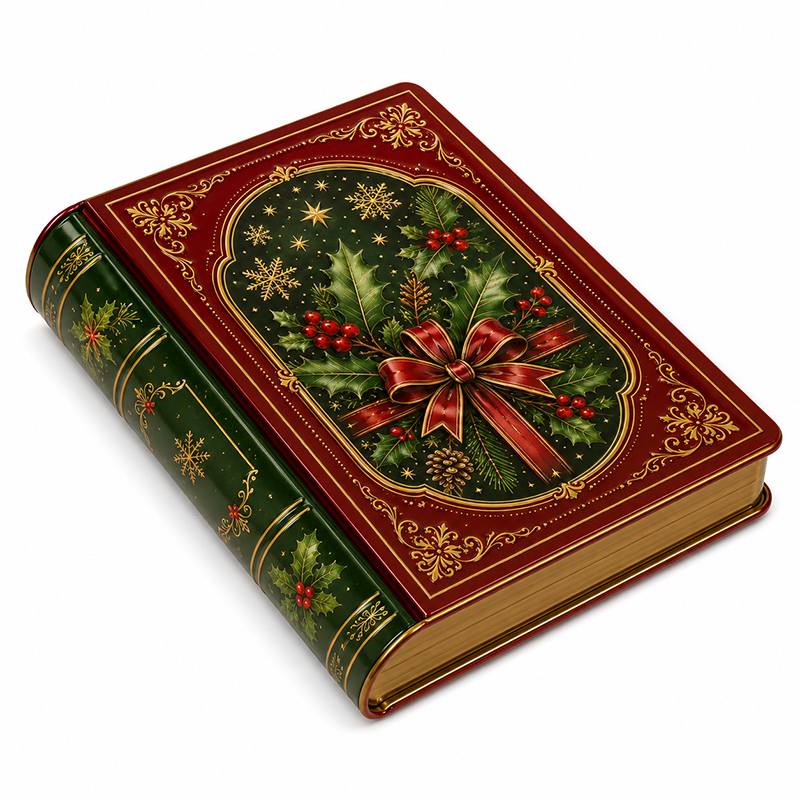
Developed for Christmas gift brands, retailers, promotional buyers and private label programmes, this custom Christmas book shaped tin box combines the visual character of a hardcover book with a practical integrated metal hinge. The cover stays attached to the body, opens repeatedly and provides a large printable surface for seasonal artwork, brand stories and limited-edition designs.
Read More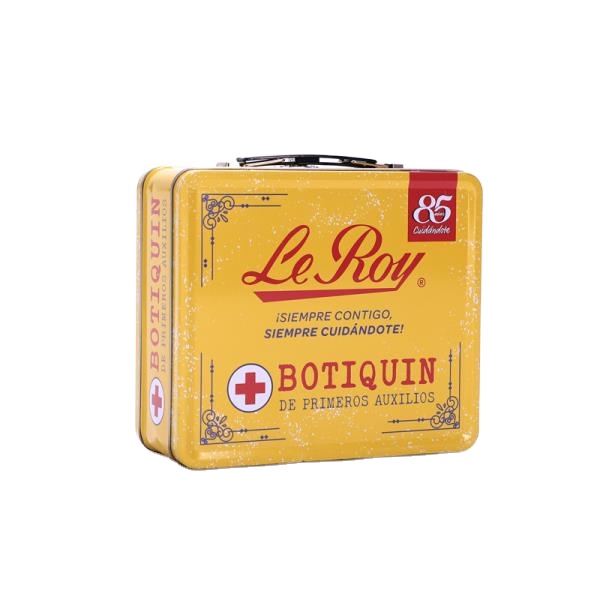
This custom promotional gift lunch tin box with handle and lock is designed for cookies, chocolates, candy, biscuits, snack gifts, children’s products and branded retail promotions. The rectangular food-grade tinplate body, carry handle, clasp-style lock and large printable surfaces make it suitable for custom lunch tin box projects, personalized metal lunch box gifts, kid lunch tin box designs and lunch tin box wholesale orders for seasonal campaigns, retail gift packs and promotional packaging.
Read More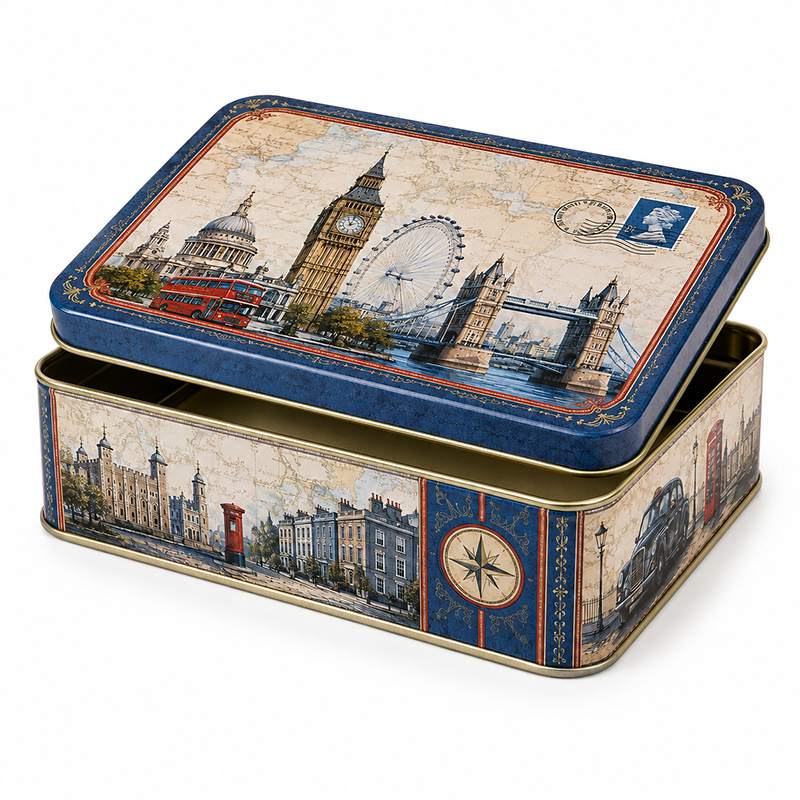
A souvenir package should remind the customer of a place, an event or a shared experience. A keepsake package should remain useful long after the original gift has been opened. Our custom printed keepsake and souvenir tin boxes are developed around both purposes. These reusable metal tins are suitable for tourism brands, museums, cultural institutions, visitor attractions, corporate anniversary projects, event organisers, gift retailers and private label buyers. The artwork can feature city landmarks, local culture, archive illustrations, brand stories, event dates, commemorative graphics or a complete series of collectible designs.
Read More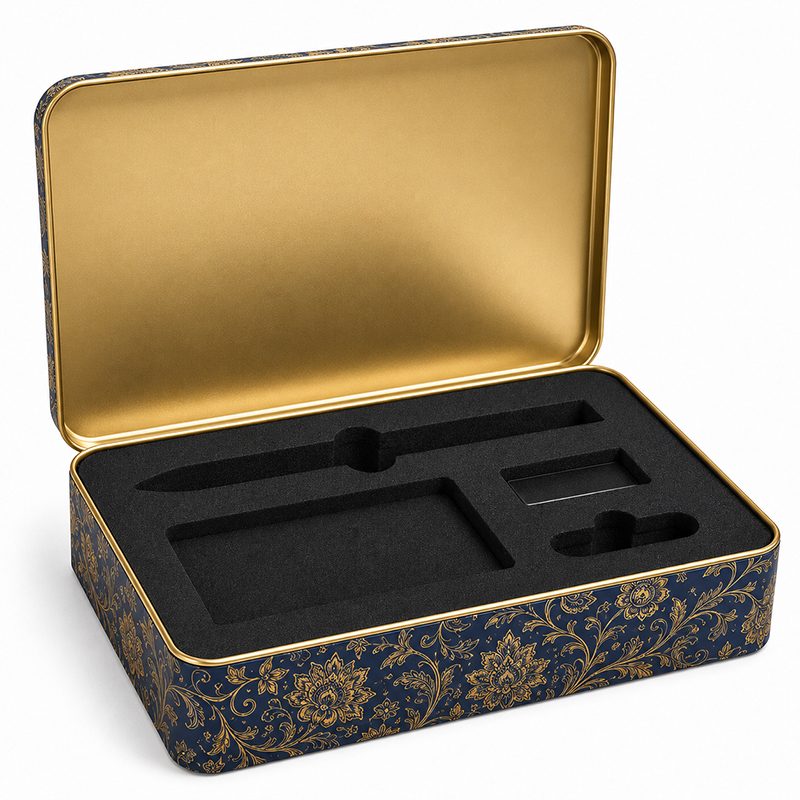
The custom presentation tin boxes with EVA foam inserts are developed for brands, importers, promotional product companies, electronics suppliers, tool manufacturers and gift-set buyers that need both reusable metal packaging and a precisely fitted internal presentation system. The outer tin can be fully customised with printed artwork, brand colours, metallic effects and decorative finishes. Inside, a die-cut EVA foam insert is produced around the actual products rather than using a generic compartment layout. This allows pens, electronic accessories, tools, cards, USB drives, jewellery, promotional items and multi-piece sets to remain organised during transport and retail display.
Read More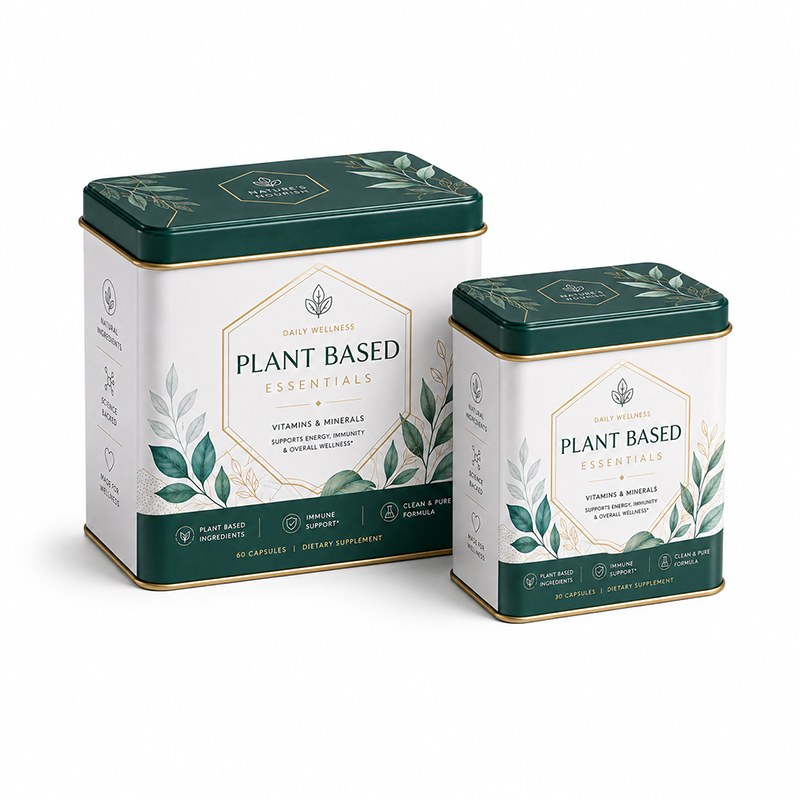
The custom supplement and vitamin tin boxes are developed for nutrition brands, wellness companies, private label suppliers, importers and promotional buyers looking for reusable metal packaging with a stronger retail presence than a standard paper carton. Rather than treating the tin as a container for one specific supplement format, we develop the packaging around the way the finished product is actually supplied. Capsules may be packed in a sealed pouch or bottle, gummies may require a high-barrier inner pack, and daily supplement programmes may use individual sachets or blister packs. The outer metal tin then provides protection, branding space and long-term reuse value.
Read More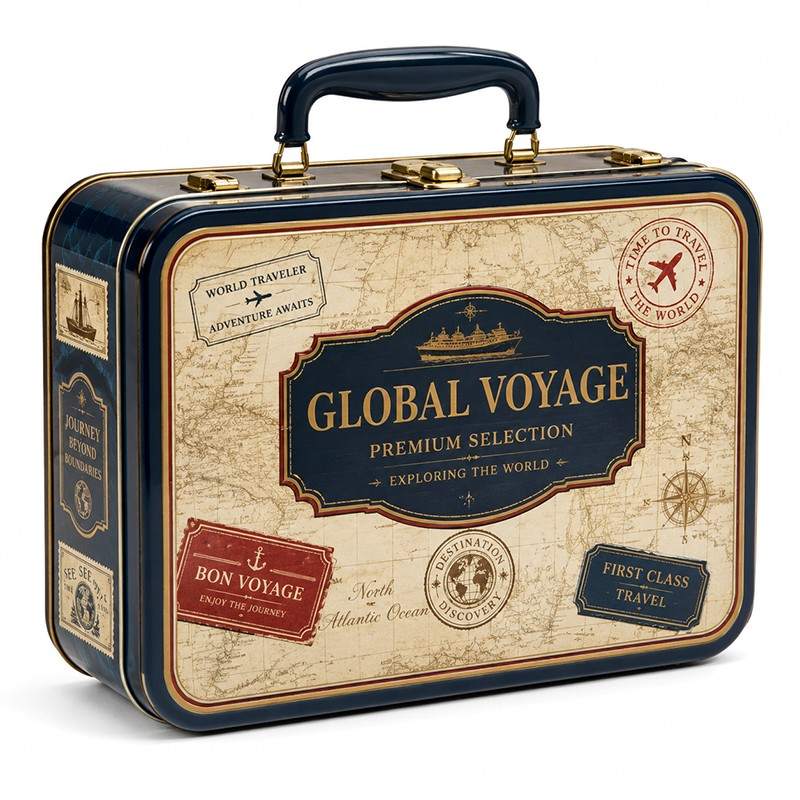
The custom suitcase shaped tin boxes with handles are designed for brands, gift retailers, souvenir companies, promotional product buyers and importers that want the packaging itself to become part of the gift. Instead of using a conventional rectangular tin with a travel-themed print, this structure is developed to resemble a miniature suitcase. A carrying handle, rounded metal body, hinged opening and optional front closure details give the finished package a recognisable luggage-style appearance.
Read More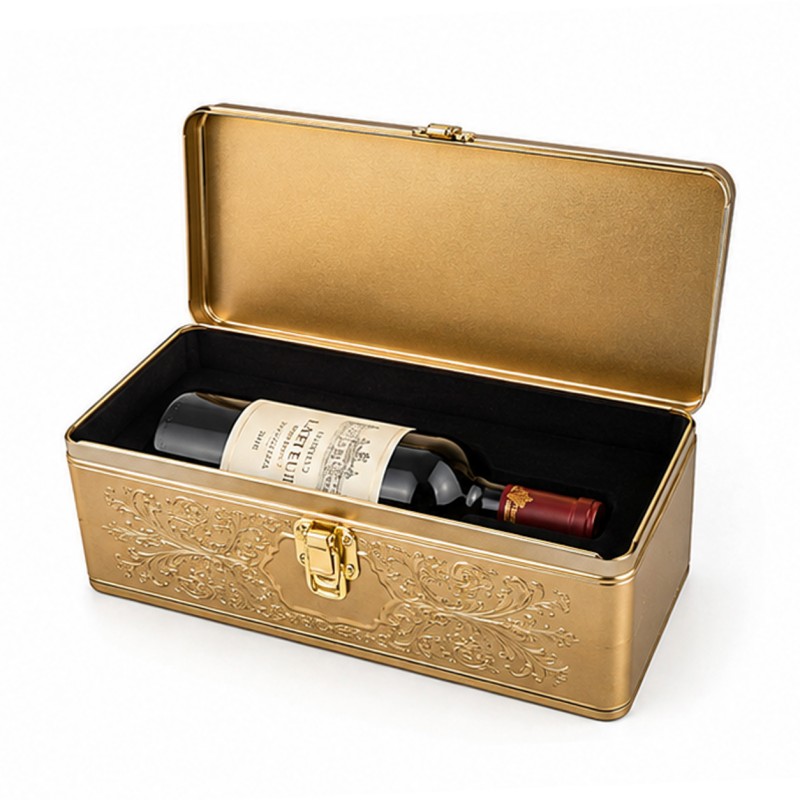
A premium bottle package does not always need to follow the shape of the bottle. The custom rectangular hinged wine and spirits bottle tin boxes are designed as presentation cases, giving wineries, distilleries, beverage brands and gift buyers more room for decorative artwork, protective inserts and a more deliberate opening experience. The structure combines a deep rectangular tin body, attached hinged lid, front clasp closure and fitted internal insert for a single bottle. Unlike a removable cylindrical wine tin, the lid stays connected to the body when opened, allowing the customer to see the bottle presented inside the complete package.
Read More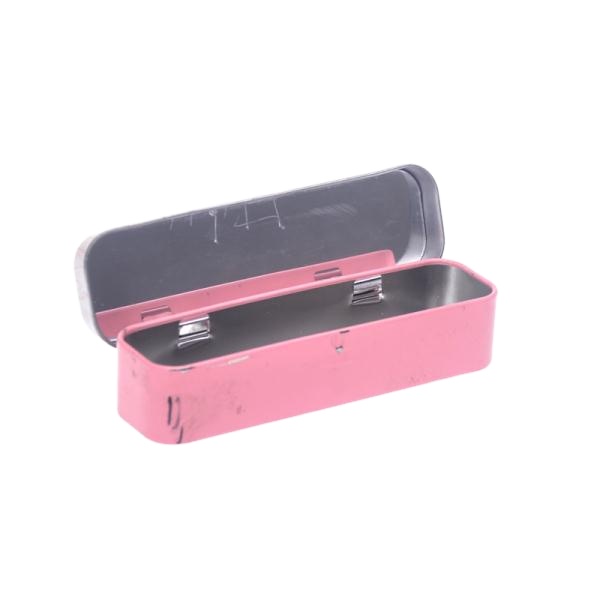
A rectangle hinged lid pencil tin case combines the long, practical proportions needed for pens and pencils with an attached metal lid that stays connected to the body every time the case is opened. This small structural difference changes the way the product is used. The lid does not need to be placed separately on a desk, the inside can be presented as one complete stationery set when opened, and the hinge creates a defined front and back orientation for both artwork and product display.
Read More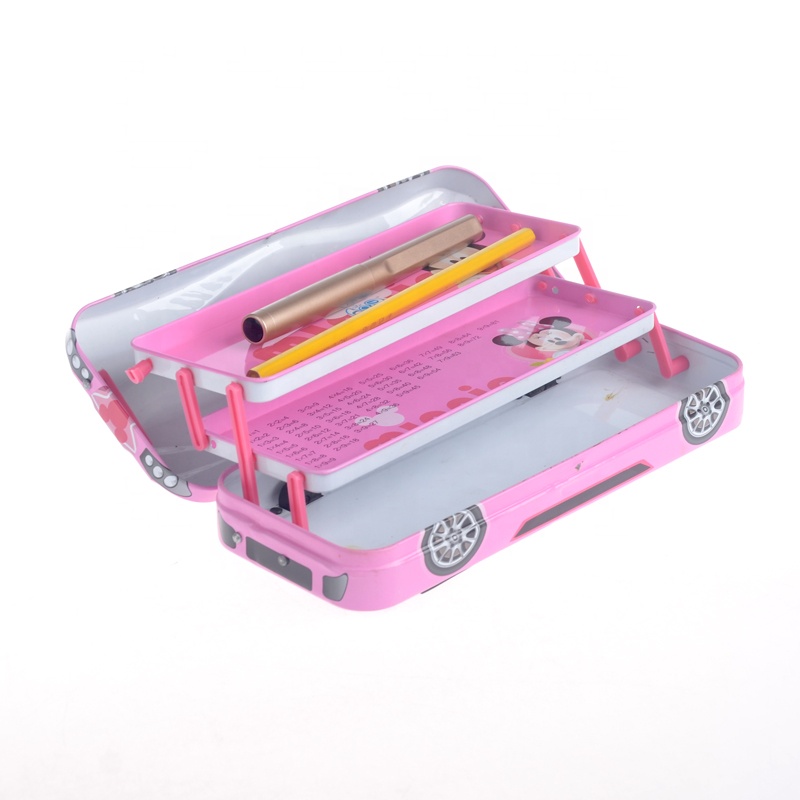
A two-layer car shape stationery tin case turns a conventional pencil box into a more interactive storage product. Instead of using one long empty cavity, the internal space is divided into two storage levels so different stationery items can be organised separately. The vehicle-inspired outline adds another layer of differentiation. The roof, windows, doors, wheels and front or rear sections can all become part of the printed design, allowing the metal pencil box to function as both stationery storage and a promotional or gift product.
Read More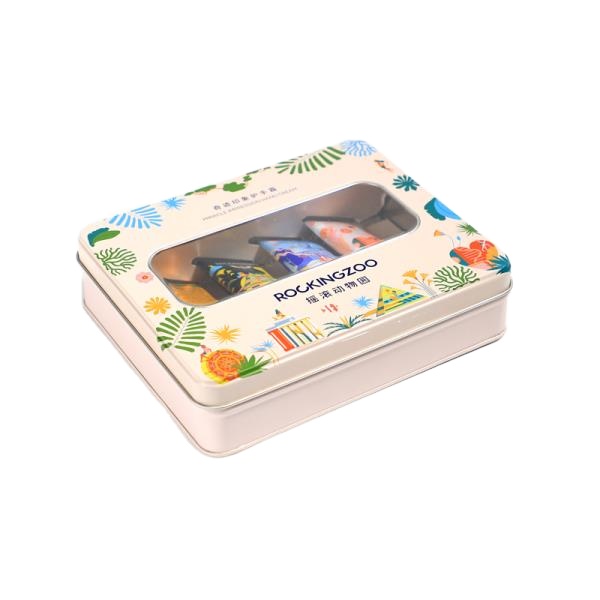
A custom printed watercolor paint tin box is different from a conventional school pencil case. The metal case may need to organise solid pigment pans, pencils, short brushes and other art tools while also providing a practical opening layout for painting, travel and retail presentation. For art-supply brands, the important question is therefore not simply how large the tin should be. The internal depth, pigment-pan arrangement, palette area, pencil clearance and method of keeping each component in position all influence the usability of the finished product.
Read More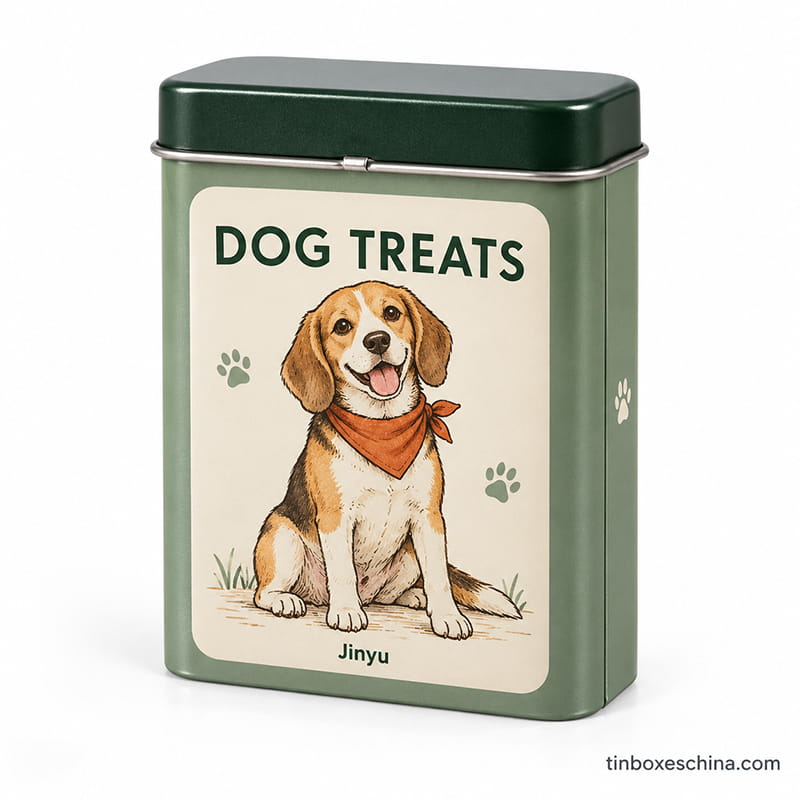
Pocket dog treat tins carry small portions of rewards for walks and training, with size chosen around the actual treats. An attached hinged lid stays connected to the body when opened, so owners have no separate cover to set down. Custom printing can combine a pet brand’s logo, original dog illustrations, product information and coordinated colors across a retail range. Dry treats and sealed refill pouches require different internal space; oily or moist formulations need additional compatibility review before approval. Jinyu supplies empty tins for OEM projects from 5,000 pieces, with sampling, artwork and packing specifications confirmed before bulk production.
Read More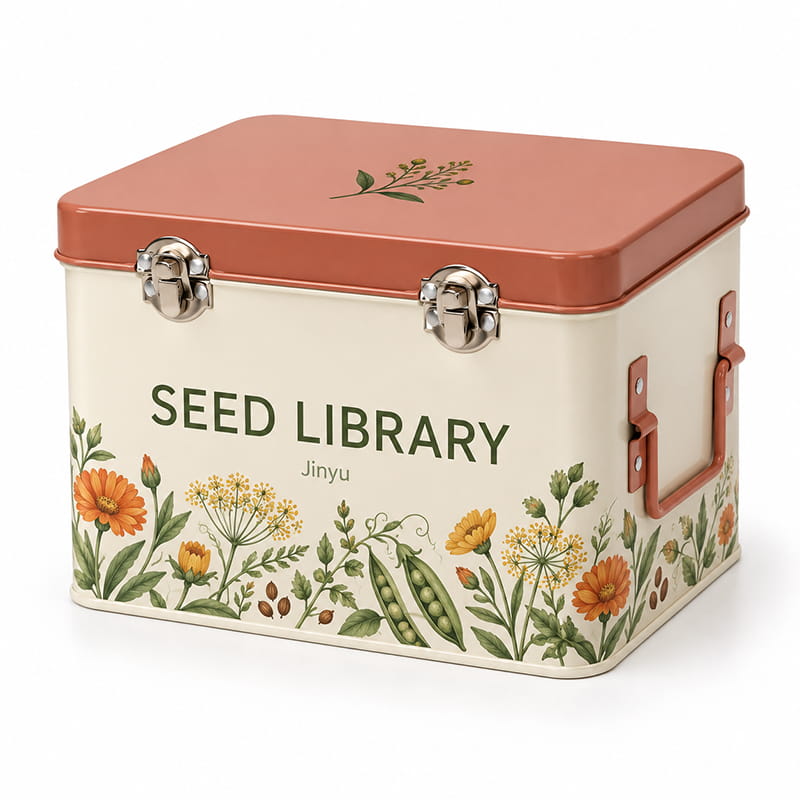
Seed packet storage tins keep labelled packets and envelopes together, with dividers supporting sorting by crop, sowing month or collection year. Removable card dividers provide flexible filing markers, while structural metal partitions create separate storage areas within the agreed box layout. Size selection should account for the largest filled packet, divider tabs and enough clearance to close the lid without folding labels. Custom artwork can coordinate the tin, index cards, seed envelopes and retail presentation for garden brands and seasonal gift ranges. Jinyu supplies custom projects from 5,000 pieces, with dimensions, divider configuration, accessories and packing confirmed before the production order is finalized.
Read More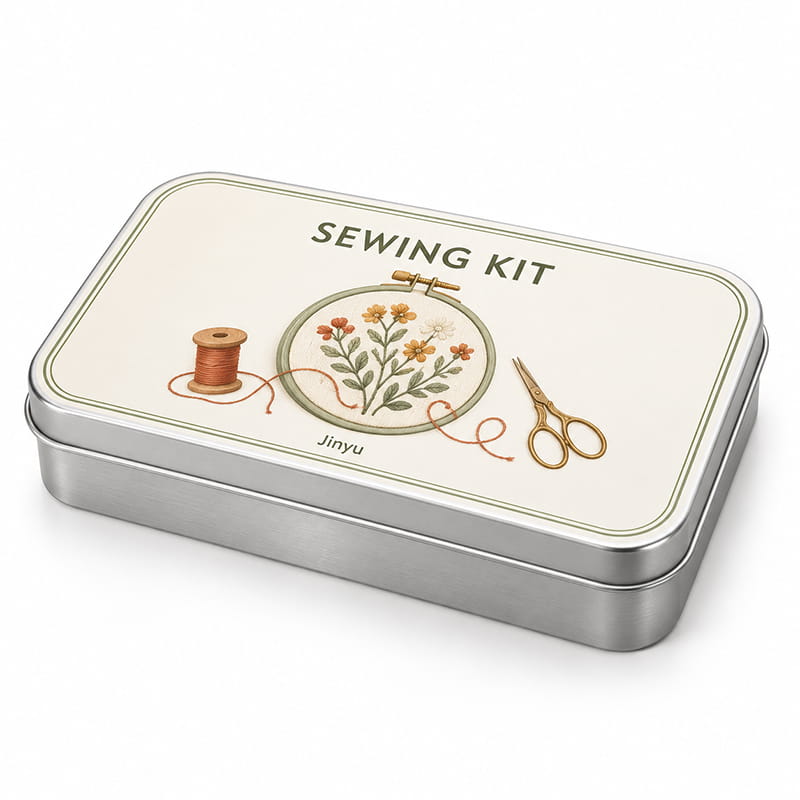
Sewing kit tins combine a rigid metal case with an internal layout developed around the actual tools and accessories selected. A removable insert lifts out of the tin, providing access for refilling and allowing the outer case to be repurposed. Insert options can include folded paperboard, formed trays or die-cut foam, with material and tooling selected during project development. Needles and other pointed components need dedicated holders or covers; an open compartment alone does not secure every small item. Jinyu’s custom tin projects start from 5,000 pieces, with insert design, artwork and any accessory supply agreed before bulk production.
Read More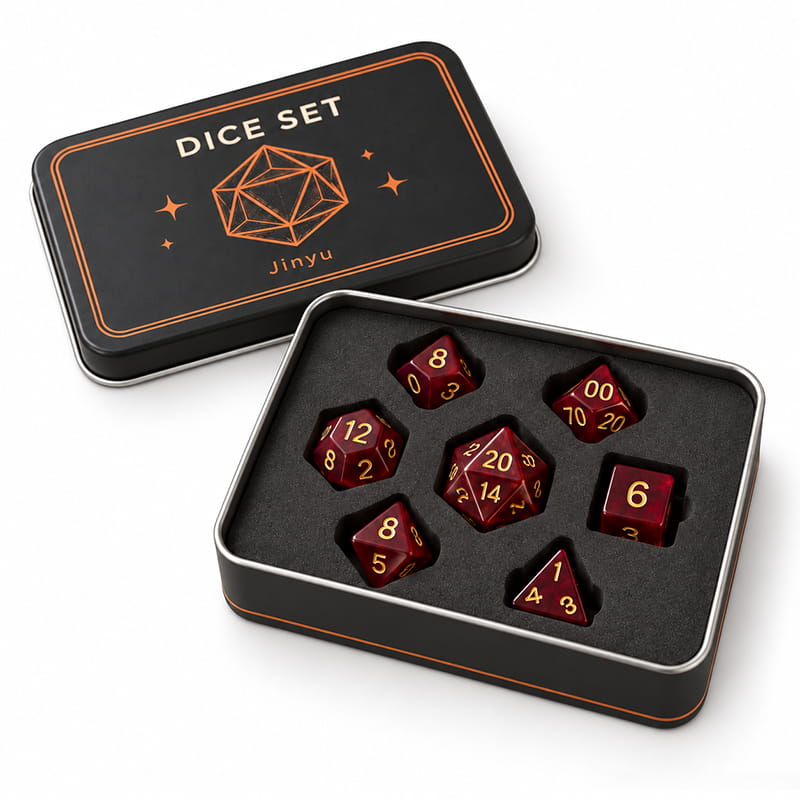
Fitted foam inserts give dice separate positions, with pocket shapes and depths developed around the actual components supplied for the project. A seven-piece polyhedral layout can include d4, d6, d8, d10, a percentile die, d12 and d20, with each position checked individually. Foam thickness, the backing layer and lid clearance must work together so the tin closes without forcing pressure onto exposed corners. Hinged and lift-off lids offer different access arrangements; optional window lids can be reviewed for retail display and the selected tin structure. Jinyu’s custom projects start from 5,000 pieces, with tin dimensions, foam specifications, artwork and the supply scope confirmed before bulk production.
Read More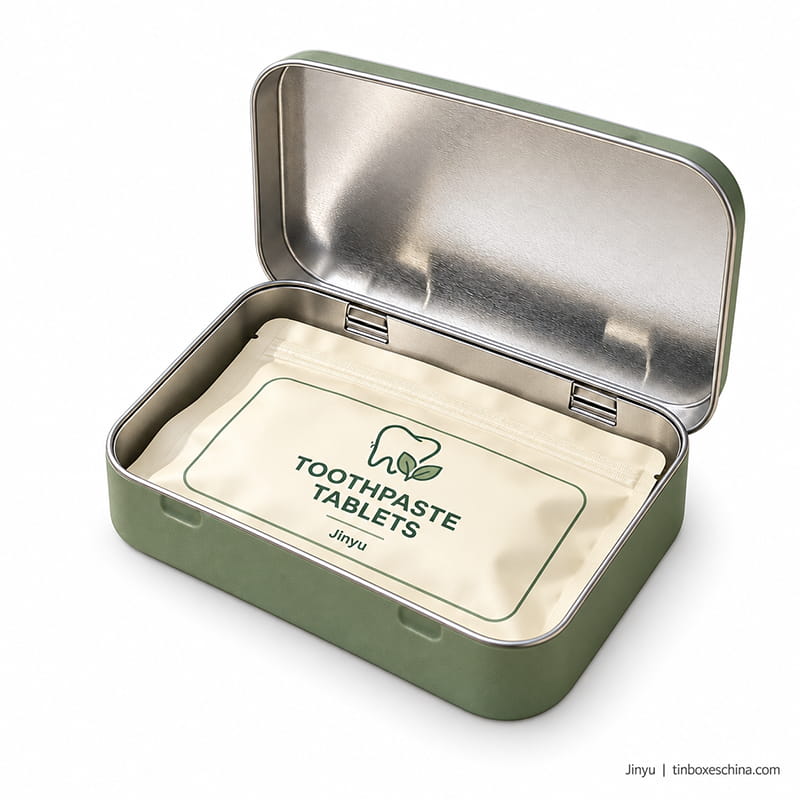
A reusable tin provides the outer case, while the inner pouch is specified around tablet contact, closure and moisture-barrier requirements. Tin dimensions should follow the filled pouch, including seal margins, zipper thickness and folds, rather than the loose tablet volume alone. Heat-sealed pouches, resealable formats or smaller portion packs can be evaluated according to the intended filling process and customer routine. Tablet capacity and storage performance depend on the actual formulation, pouch construction and complete pack; both need confirmation before launch. Jinyu’s custom tin projects start from 5,000 pieces, with pouch supply, artwork, material documentation and packing responsibilities agreed in the quotation.
Read More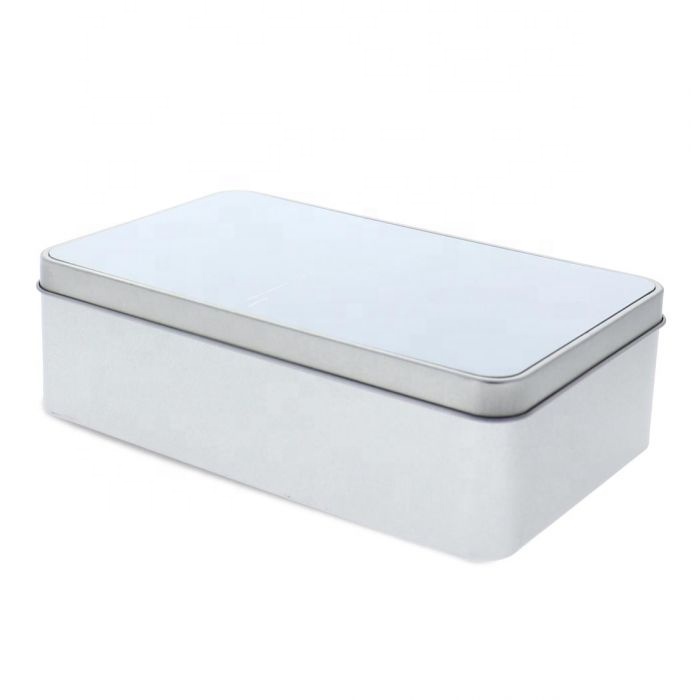
No matter what type of packaging you require, we have the perfect solution for you. Advanced techniques ensure effective sealing for your products, enabling extended storage capabilities. Renowned food brands like Oreo, Keebler, Chips Ahoy, and Pepperidge Farm are among our loyal customers. Rest assured that your products will be packaged in first-grade tinplate, which is safe for direct contact with food. Professional Pantone and 4-color printing machinery guarantee superior quality tin box presentations for your products.
Read More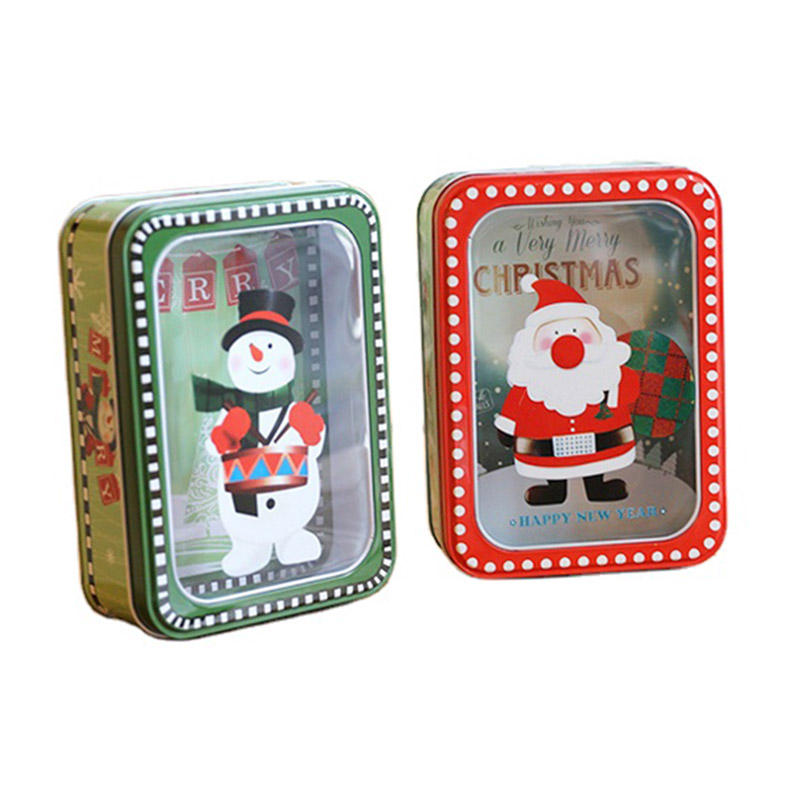
This custom logo Christmas gift metal tin box with clear window is designed for cookies, candy, chocolate, small toys and seasonal promotional gifts. Its rectangular metal structure, festive printable surface and visible window area help combine product display, Christmas branding and reusable gift packaging in one compact tin box.
Read More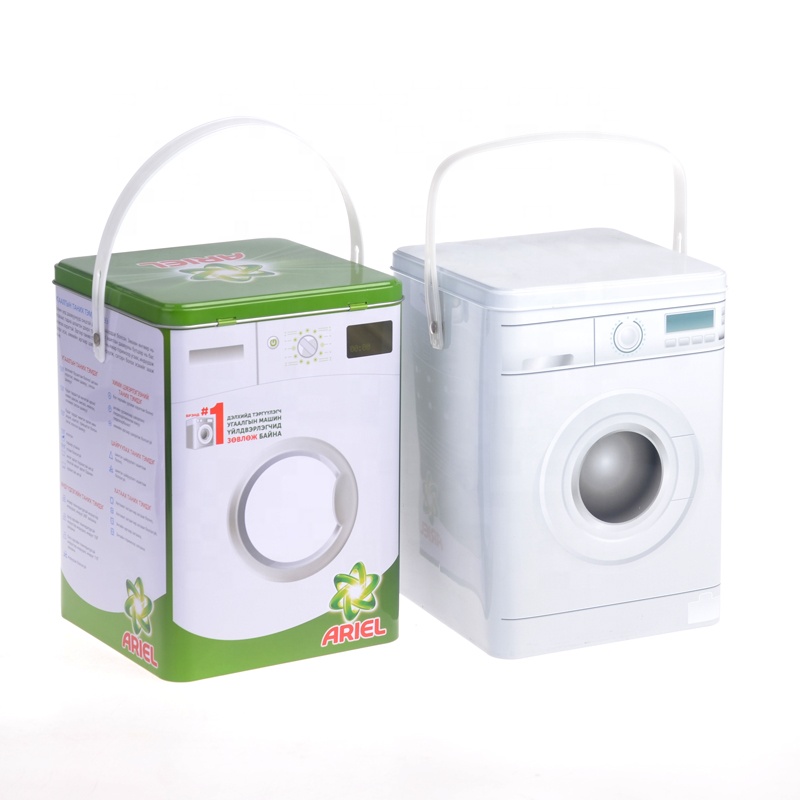
Our cookie packaging options can be customized to perfectly match your unique packaging needs and preferences. To ensure long-lasting freshness of your cookies, we employ advanced sealing techniques that effectively preserve their quality during storage. Privilege of offering renowned cookie brands such as Oreo, Keebler, Chips Ahoy, and Pepperidge Farm, guaranteeing a delightful and satisfying treat. Our cookie packaging is completely safe for food contact, as it is crafted from high-quality tinplate that meets the highest standards of safety and hygiene. Utilize professional Pantone and 4-color printing machinery to ensure the superior quality of our tin box presentations, guaranteeing vibrant and visually appealing designs for our valued customers.
Read More
Stackable, saving space, convenient to store and organize. A diverse range of uses, whether it be storing items or serving as decorative elements. Ideal for giving small items such as chocolates, candies, and other sweet treats. Food contact grade tinplate help preserve the freshness and flavor of the candy, ensuring it remains delicious. Tin boxes can be personalized with your unique designs and patterns, adding a touch of exclusivity and increasing their overall value.
Read More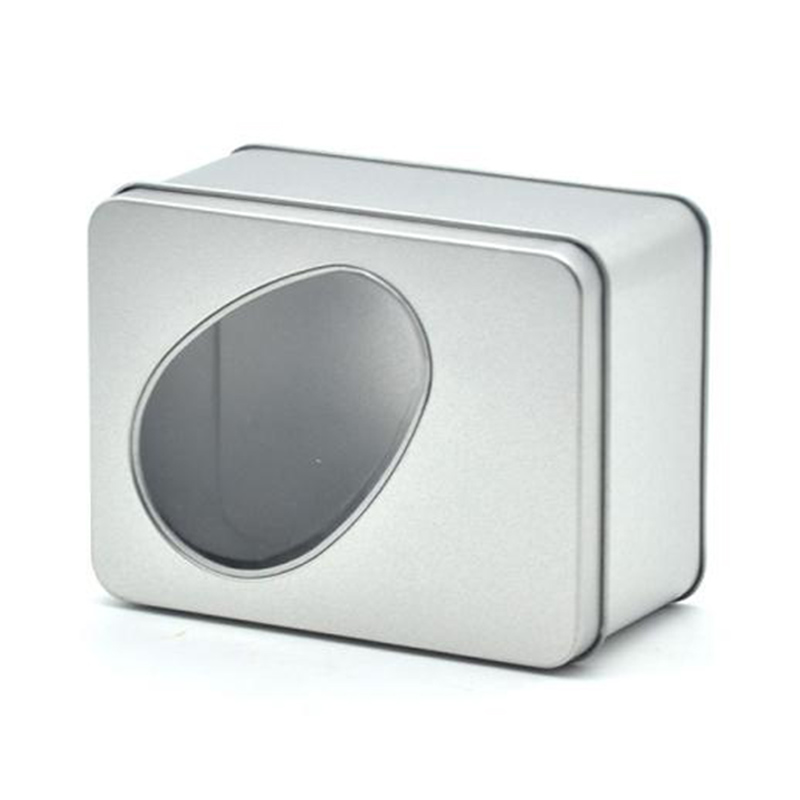
This blank silver rectangle metal cookie candy tin box with clear window is a compact metal window tin for cookies, candy, chocolate, small gifts and retail sample packs. The silver tinplate body gives a clean neutral look, while the clear lid window helps show the product inside before opening, making it suitable for blank stock packaging, sticker-label projects, private-label testing and custom printed tin box packaging with window.
Read More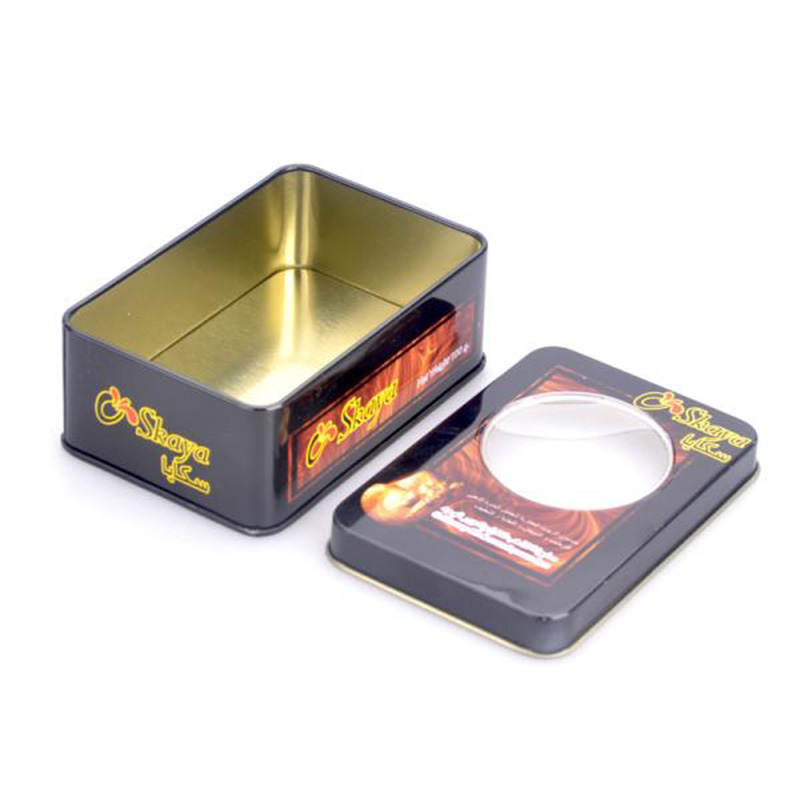
Stackable storage solution is designed to save space, making it convenient for storing and organizing your belongings. Used for a variety of purposes, whether it's for storing items or serving as decorative elements. Perfect for presenting small items like chocolates, candies, and other delightful treats. First grade tinplate help preserve the freshness and flavor of the candy, prolong the shelf life. Support custom logoes and designs make the product more attractive and valuable.
Read More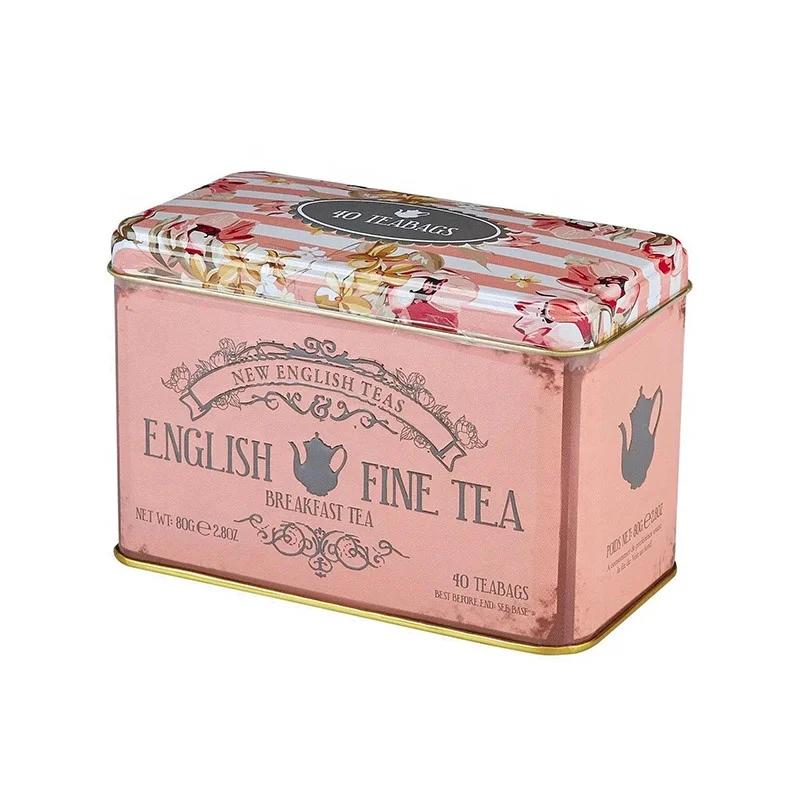
Robust and versatile for numerous applications. Secures an airtight seal, maintaining the tea's flavor and aroma. Offers a varied selection of sizes and styles, making it easy to find one that meets your needs. Used to store a variety of items, including spices, herbs, and loose-leaf teas. Exceptionally strong, ensuring your tea is safeguarded from moisture, light, and air.
Read More
A custom printed hinged lid metal card tin box provides a durable and premium storage solution for business cards, credit cards, postcards, collectible cards and other small flat products. Unlike ordinary paper sleeves or plastic holders, a metal card container creates a stronger physical presence while offering a reusable packaging experience. The hinged lid design keeps the container connected during use, making it suitable for products that require frequent opening and closing.
Read More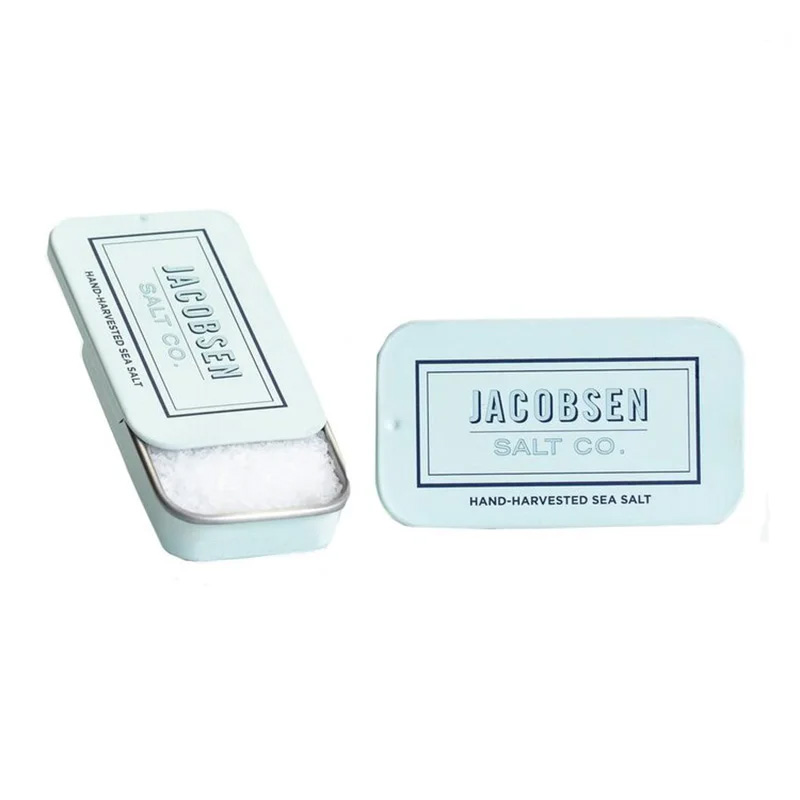
This rectangular slide tin box is designed for sea salt, seasoning blends, samples, lip balm, solid perfume, and other compact dry products that benefit from a flat pocket-size format and a smooth sliding lid. As a custom slide tin manufacturer in China, Jinyu supports food-grade rectangular tin boxes, custom rectangular metal tins, and wholesale slide tins for retail brands, gift sets, and export packaging programs.
Read More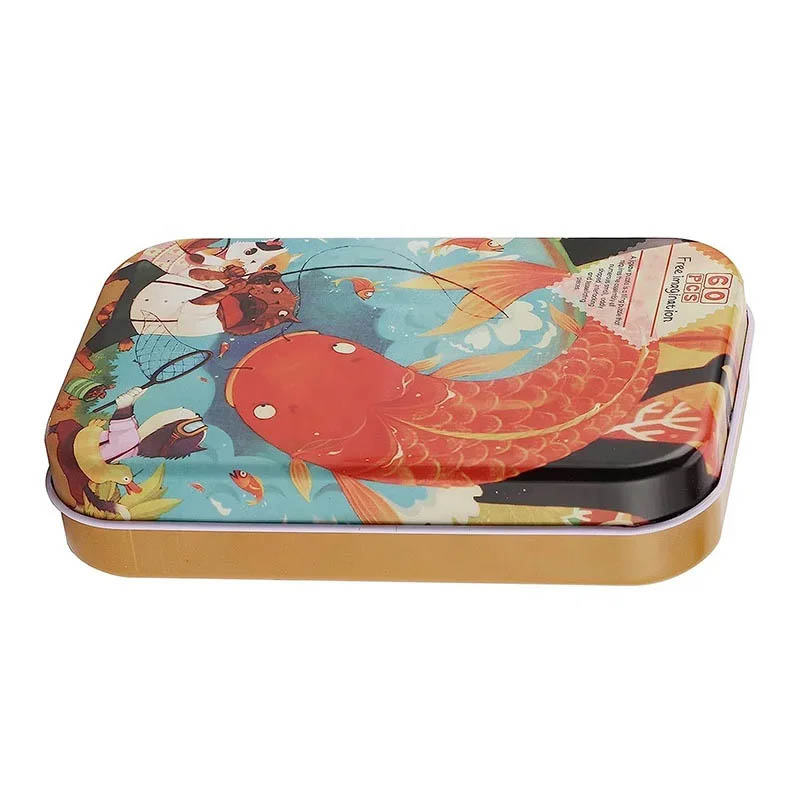
A small square game puzzle tin box provides a compact metal packaging solution for portable games, puzzle pieces, prayer cards, collectible cards and other small items that require organised storage. With its square structure and pocket-friendly size, this mini metal tin case combines practical storage with customisable branding opportunities. The rigid tinplate construction creates a reusable alternative to paper packaging or lightweight plastic containers.
Read More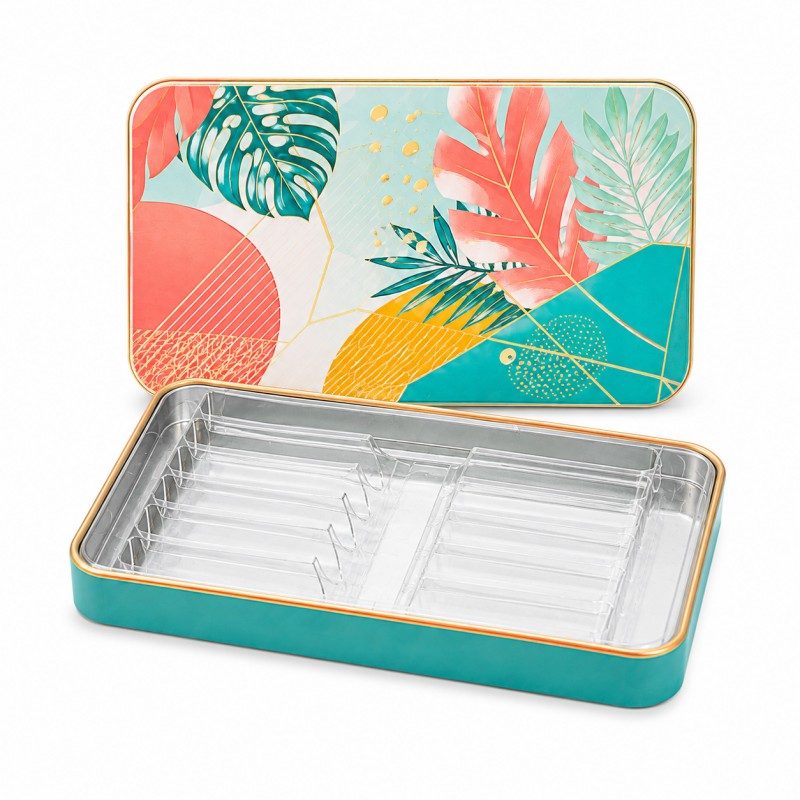
A custom rectangular cigarette tin box with divider insert provides a practical metal packaging solution for brands that need organised internal storage rather than a simple empty container. The rectangular tin structure creates efficient internal space, while the divider insert separates different areas according to product requirements. This design is suitable for private label packaging projects where presentation, organisation and reusable metal packaging are equally important.
Read More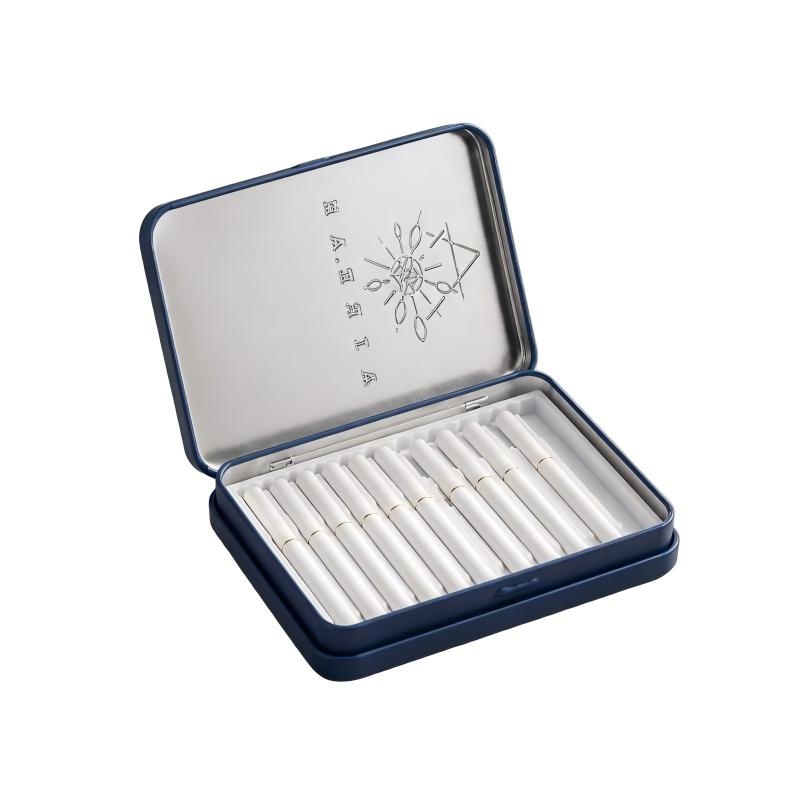
A hinged cigarette tin box with a plastic compartment insert combines the durability of metal packaging with an organised internal storage system. Unlike a simple empty cigarette tin, this structure uses an internal plastic component to separate different items inside the container. The attached hinged lid provides a familiar opening experience, while the insert helps improve product arrangement and presentation.
Read MoreGet The Latest Information And Special Offers


 IPv6 network supported
 English
 Français
 Deutsch
 Español
 Português